Face Products with Hyaluronic Acid FAQ: Your Skin Hydration Questions Answered


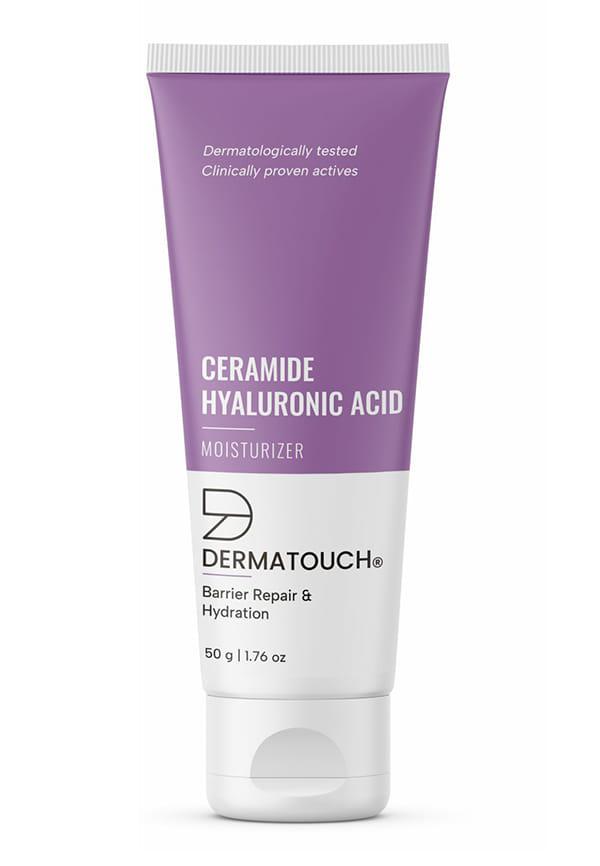
Ceramide Hyaluronic Acid Moisturizer for intense moisturization and barrier repair
If you've been scrolling through skincare content lately, you've probably seen hyaluronic acid mentioned everywhere. But with so many face products with hyaluronic acid flooding the market, it's easy to feel a bit lost. What actually works? How do you use it? And honestly, is it worth the hype? Let's break down everything you need to know about this hydration hero, from the science behind it to finding your perfect match. Whether you're dealing with dry patches or just want that plump, dewy glow, we've got the answers to your most pressing questions.
Real talk—hyaluronic acid isn't actually an acid that'll strip your skin. It's a naturally occurring molecule that your skin already produces, acting like a moisture magnet. The science bit is pretty cool: this clever molecule can hold up to 1,000 times its weight in water, which is why it's become the go-to ingredient for serious hydration.
Here's where it gets interesting. There are different molecular weights of hyaluronic acid, and they work at different levels of your skin. Low molecular weight HA penetrates deeper, whilst high molecular weight HA sits on the surface, creating that instant plumping effect. Most effective face products with hyaluronic acid combine both weights for maximum impact.
Your skin naturally produces hyaluronic acid, but here's the catch—production starts declining in your twenties. By the time you hit your forties, you've lost about half of your natural stores. That's where topical products come in, helping to replenish what time has taken away. The hyaluronic acid benefits for skin include improved hydration, reduced fine lines, and that coveted bouncy texture we all want.
Not all hyaluronic acid products are created equal, and choosing the right type can make or break your skincare routine. Let's explore what works best for different needs and skin types.
A hyaluronic acid serum is your concentrated dose of hydration. These lightweight formulas typically contain higher percentages of HA and penetrate deeper into your skin. They're perfect for layering under other products and work brilliantly for all skin types.
A hyaluronic acid moisturiser, on the other hand, combines HA with emollients and occlusives. These create a protective barrier whilst delivering hydration, making them ideal for dry skin or as your final skincare step. Think of serums as your hydration booster and moisturisers as your protective shield.
For dry skin, look for rich creams that combine multiple molecular weights of HA with ceramides and natural oils. These face products for dry skin provide deep, lasting hydration.
Oily skin types should gravitate towards gel-based serums and lightweight moisturisers. These deliver hydration without the heavy feel that can trigger excess oil production.
If you're focused on anti-aging skincare, seek out formulas that pair HA with peptides, vitamin C, or retinol. These combinations target multiple signs of ageing whilst maintaining optimal hydration levels.
Getting the most from your skin hydration products is all about timing and technique. The good news? Hyaluronic acid plays well with almost everything in your skincare arsenal.
Start with a gentle cleanser, then apply your hyaluronic acid serum to slightly damp skin. This is crucial—HA needs moisture to work with, so don't let your skin dry completely. Follow with your hydrating face cream and always finish with SPF.
The key is layering from thinnest to thickest consistency. If you're using multiple serums, apply the hyaluronic acid one first, as it helps other ingredients penetrate better.
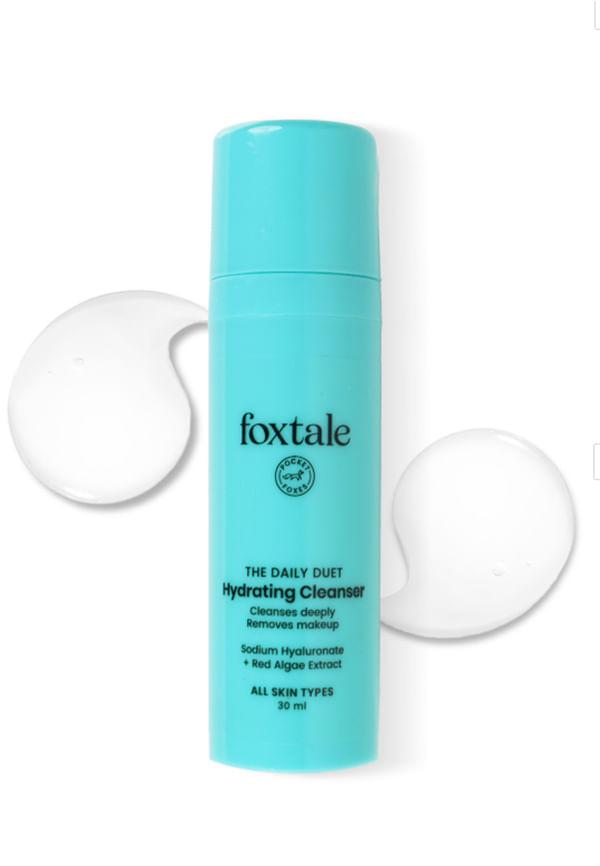
Hydrating Face Wash with Hyaluronic Acid
Your evening face care routine is where you can really maximise HA benefits. After cleansing, apply any treatment serums (like retinol or vitamin C), then your hyaluronic acid serum, followed by a richer night cream.
If you're using retinoids, HA can help counteract any dryness or irritation. Just make sure to apply the retinoid first, wait about 20 minutes, then follow with your hyaluronic acid product.
Here's a game-changer: apply your HA serum to damp skin, not bone-dry skin. Pat it in gently—no rubbing or tugging. Use about 2-3 drops for your entire face, and don't forget your neck.
Always follow with a moisturiser to seal in the hydration. In dry climates, this step is non-negotiable, as HA can actually draw moisture from your skin if there's none in the environment.
Finding your perfect match isn't just about grabbing any product with HA on the label. Your skin type, concerns, and even your climate all play a role in what'll work best for you.
If you're dealing with tight, flaky skin, look for multi-molecular weight formulas combined with ceramides, glycerin, or squalane. These ingredients work together to not just attract moisture but lock it in.
Cream-based products or thicker serums work brilliantly for dry skin types. The best face serums for dry skin often contain 1-2% hyaluronic acid along with other humectants.
Contrary to popular belief, oily skin needs hydration too. Look for oil-free, gel-based formulations that won't clog pores. A lightweight skin plumping serum can provide hydration without the heaviness that triggers breakouts.
Water-based serums are your friend here. They deliver moisture without adding oils that your skin doesn't need.
As we age, our skin loses both moisture and elasticity. Look for HA products that combine multiple anti-aging ingredients. Peptides, vitamin C, and niacinamide all pair beautifully with hyaluronic acid.
These combinations don't just hydrate—they help improve skin texture, reduce fine lines, and restore that youthful bounce.
Even the best ingredients can fall flat if you're not using them correctly. Let's talk about the most common slip-ups and how to avoid them.
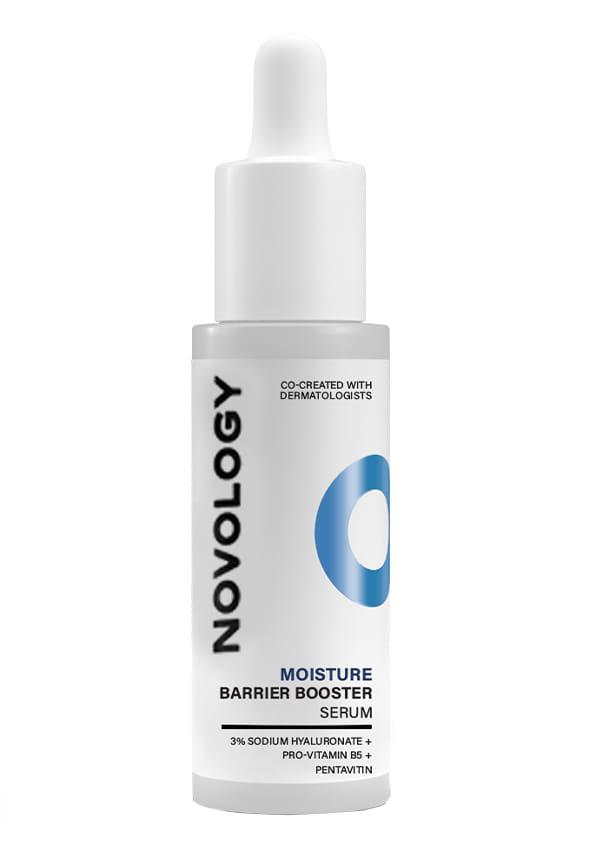
Moisture Barrier Serum, Hydrating Face Serum with Hyaluronic Acid
The biggest mistake? Applying HA to completely dry skin in a dry environment. Without moisture to draw from, HA can actually pull water from deeper skin layers, leaving you more dehydrated than before.
Another common error is skipping the moisturiser step. HA is a humectant, not an occlusive, so you need something to seal in all that hydration.
Not all hyaluronic acid products are created equal. Some contain such tiny amounts that they're basically useless. Look for products where HA appears in the first five ingredients, and don't be swayed by marketing claims alone.
Price isn't always an indicator of quality either. Some affordable options work just as well as luxury alternatives—it's all about the formulation.
Overloading your skin with too many products at once can actually reduce effectiveness. Start with one HA product and see how your skin responds before adding more.
Also, consider your climate. In very dry environments, you might need to adjust your routine or use more occlusive products to prevent moisture loss.
Want to get the absolute most from your HA products? These professional tips can help you achieve that coveted glass-skin glow.
Dermatologists recommend the "sandwich method"—apply a thin layer of HA serum, let it absorb for a few minutes, then apply another thin layer. This technique helps maximise hydration without overwhelming your skin.
Gentle facial massage whilst applying can boost circulation and help with absorption. Use upward strokes and don't forget often-neglected areas like your neck and décolletage.
Your HA routine might need tweaking throughout the year. In winter, layer it under richer creams and consider using a humidifier. In summer, lighter formulations work better and won't feel sticky under makeup.
Humidity levels matter too. In very dry climates, you'll need more occlusive products to prevent moisture loss.
For next-level results, consider pairing HA with professional treatments like microneedling or chemical peels. The enhanced penetration can boost effectiveness, but always consult a professional first.
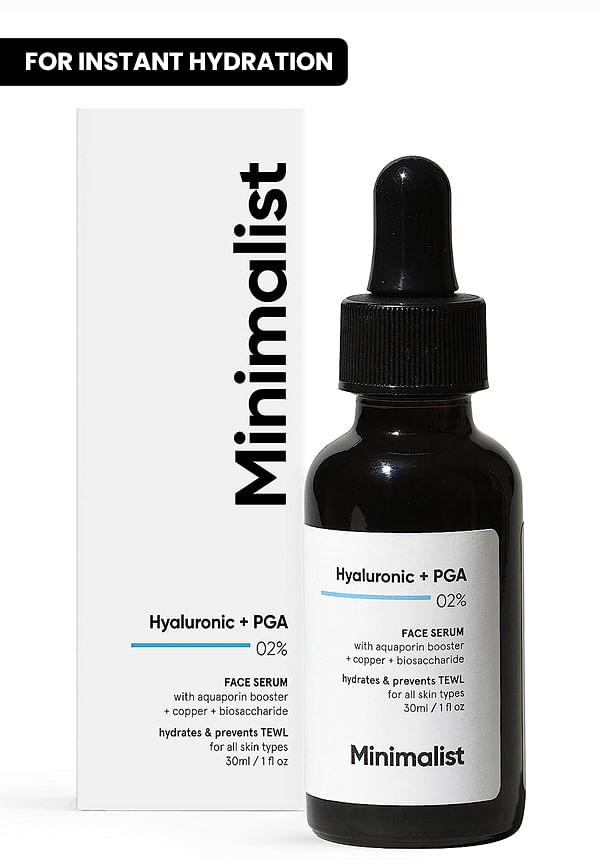
2% Hyaluronic Acid Face Serum for Intense Hydration & Glowing Skin
Building a comprehensive routine with complementary ingredients like niacinamide, vitamin C, and ceramides can create synergistic effects that single ingredients can't achieve alone.
Most people can use hyaluronic acid twice daily—morning and evening. It's gentle enough for daily use and actually works better with consistent application. If you have very sensitive skin, start with once daily and gradually increase frequency.
Serums contain higher concentrations of hyaluronic acid and have a lighter texture that penetrates deeper. Moisturisers combine HA with emollients and occlusives for surface hydration and barrier protection. Think of serums as your hydration booster and moisturisers as your protective seal.
Absolutely! Hyaluronic acid and vitamin C make an excellent combination. Apply your vitamin C serum first, wait about 10-15 minutes for it to absorb, then follow with your HA serum. This pairing gives you antioxidant protection plus intense hydration.
Multi-molecular weight formulas work best because they target different skin layers. Low molecular weight HA penetrates deeper for long-term hydration, whilst high molecular weight HA provides immediate surface plumping. Look for products that combine both for maximum benefits.
Apply to slightly damp skin for best results. HA is a humectant that draws moisture from the environment and underlying skin layers. On completely dry skin in a dry environment, it might actually pull moisture from deeper layers, potentially causing dehydration.
You'll notice immediate hydration benefits within minutes of application—that's the surface-level plumping effect. For deeper, long-term improvements in skin texture and fine lines, give it 4-6 weeks of consistent use. Remember, skincare is a marathon, not a sprint.
Pure hyaluronic acid is non-comedogenic and shouldn't cause breakouts. However, some formulations contain other ingredients that might not suit acne-prone skin. If you're breaking out, check the full ingredient list and consider switching to a simpler, gel-based formula.
Yes, hyaluronic acid is considered safe during pregnancy and breastfeeding. It's a naturally occurring substance in your body, and topical application poses no known risks. It's actually a great alternative to retinoids and other ingredients you might need to avoid during pregnancy.
Hyaluronic acid really is worth the hype, but only when you use it correctly. The key is understanding your skin type, choosing the right formulation, and applying it properly—always to damp skin and followed by a moisturiser.
Whether you're new to skincare or looking to upgrade your routine, experimenting with different HA products can help you find what works best for your skin. That's where platforms like Smytten come in handy—you can try mini versions of various hyaluronic acid serums and moisturisers from trusted brands before committing to full sizes. With over 1,500 brands available, including skincare favourites like Cetaphil and Dot & Key, you can explore different formulations and find your perfect match without the guesswork. After all, why settle for 'maybe' when you can Try It All and discover what truly works for your skin?
