Face Oils for Oily Indian Skin: Your Questions Answered


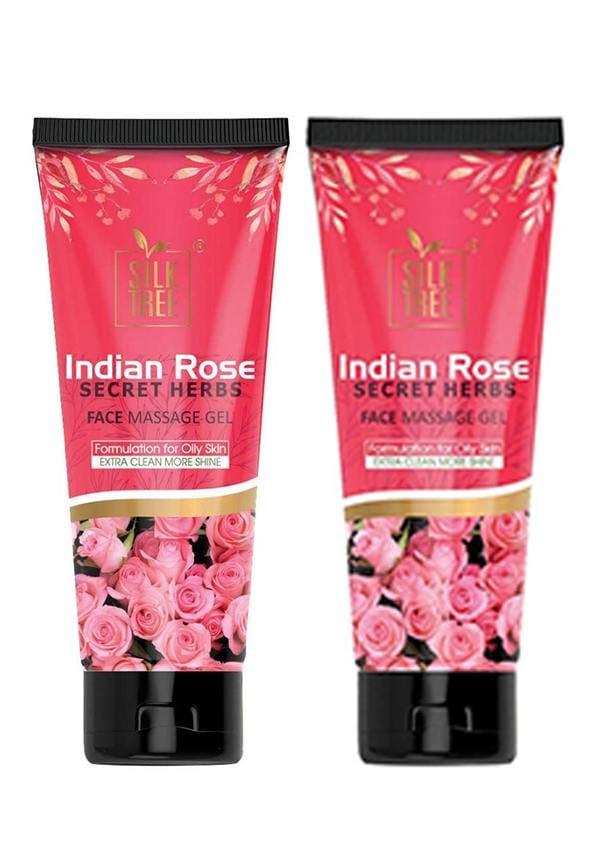
Indian Rose & Secret Herbs Face Massage Gel For Oily Skin
You've been told that adding oil to already oily skin is like adding fuel to fire. But what if that advice is actually keeping you from the balanced, healthy skin you've been chasing? If you've ever wondered whether face oils could work for your oily Indian skin, or if you're tired of that midday shine despite using mattifying products, you're asking the right questions. Let's dive into the science behind face oils and discover why they might be exactly what your skin needs.
Understanding how face oils work starts with knowing what's happening beneath your skin's surface. Your skin produces natural oils called sebum through tiny glands, and this process is meant to keep your skin protected and moisturised. When you have oily skin, these glands are working overtime, but not necessarily because your skin needs more oil.
Your skin's lipid barrier is like a protective wall made of natural oils and ceramides. When this barrier is compromised by harsh cleansers, over-washing, or environmental stress, your skin sends signals to produce more oil to compensate. This creates a cycle where your skin feels oily but is actually dehydrated underneath.
Quality face oils work by sending signals to your sebaceous glands that there's enough moisture present. This can actually slow down oil production over time. Think of it like your skin's thermostat - when it senses adequate hydration, it doesn't need to work as hard to maintain balance.
Non-comedogenic face oils have smaller molecular structures that allow them to absorb quickly without sitting on your skin's surface. Oils like jojoba and squalane closely mimic your skin's natural sebum, making them particularly effective for oily skin types.
The biggest misconception about oily skin skincare routines is that you need to strip away all oil to achieve balance. This approach often backfires, especially in India's diverse climate conditions where your skin faces unique challenges from humidity, pollution, and temperature fluctuations.
When you constantly remove oil from your skin using harsh products, your sebaceous glands interpret this as a signal to produce even more oil. This is why many people with oily skin find themselves getting shinier throughout the day, despite using oil-free products. Breaking this cycle requires giving your skin the right kind of moisture.
The right face oils for oily skin work at a cellular level to regulate sebum production. Oils rich in linoleic acid, like grapeseed and rosehip, can help restore balance to skin that's been overproducing oil. Your skin recognises these beneficial lipids and adjusts its own production accordingly.
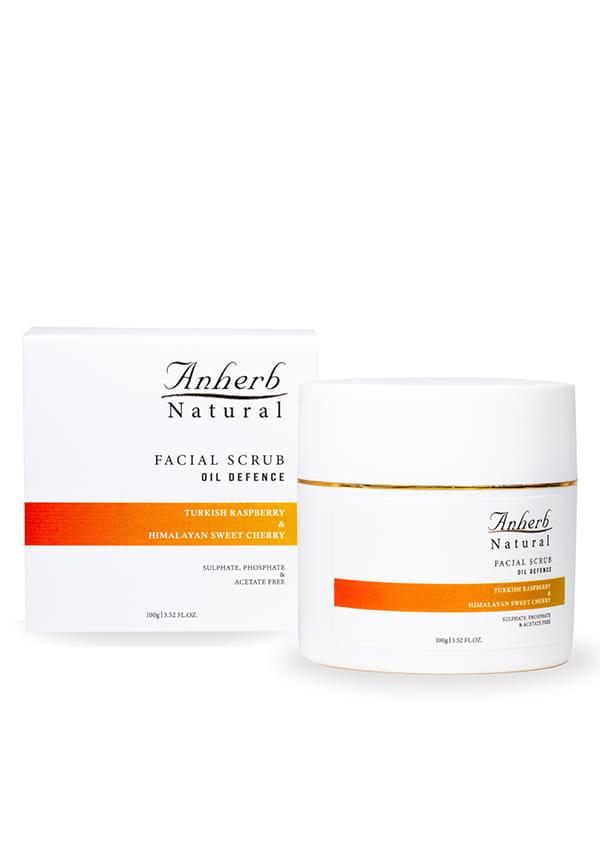
Oil defence Facial Scub With Turkish Raspberry & Himalayan Sweet Cherry For Control Oil + Removing Impurities
Indian skin faces particular challenges from high humidity levels and pollution exposure. These environmental factors can disrupt your skin's natural barrier function, leading to increased oil production as your skin tries to protect itself. Face oil benefits for skin in these conditions include creating a protective layer that shields against pollutants while maintaining proper hydration levels.
Not all oils are created equal when it comes to oily skin. The key is choosing oils that won't clog your pores while providing the benefits your skin needs. Here's what actually works for Indian skin types dealing with excess oil and occasional breakouts.
Jojoba oil technically isn't an oil at all - it's a wax ester that closely mimics your skin's natural sebum. This makes it incredibly effective for oily skin because it absorbs quickly and helps regulate oil production. Squalane is another lightweight option that provides hydration without heaviness, whilst grapeseed oil is rich in antioxidants and has natural astringent properties.
Ayurvedic skincare for oily skin has long recognised the benefits of certain plant oils. Neem oil, though strong, can be diluted and used for its antibacterial properties. Tea tree oil helps manage breakouts when used correctly, whilst rosehip oil provides vitamin C and helps with post-acne marks that many Indian skin tones are prone to developing.
Coconut oil, whilst popular, can be too heavy for facial use on oily skin. Olive oil and castor oil are also generally too rich for daily facial application. These oils have larger molecular structures that can sit on your skin's surface and potentially clog pores.
One of the most common questions in skincare for Indian skin is whether to use oil or moisturiser, or both. Understanding the difference helps you build a routine that actually works for your skin type and climate.
Moisturisers typically contain humectants (which draw moisture to your skin), emollients (which soften), and occlusives (which prevent water loss). Face oils primarily function as emollients and light occlusives, providing a different type of hydration than water-based moisturisers.
For oily skin, you might use a lightweight, water-based moisturiser during the day and add a few drops of face oil in the evening. In humid conditions, oil alone might be sufficient. During air-conditioned environments or winter months, layering both can provide optimal hydration.
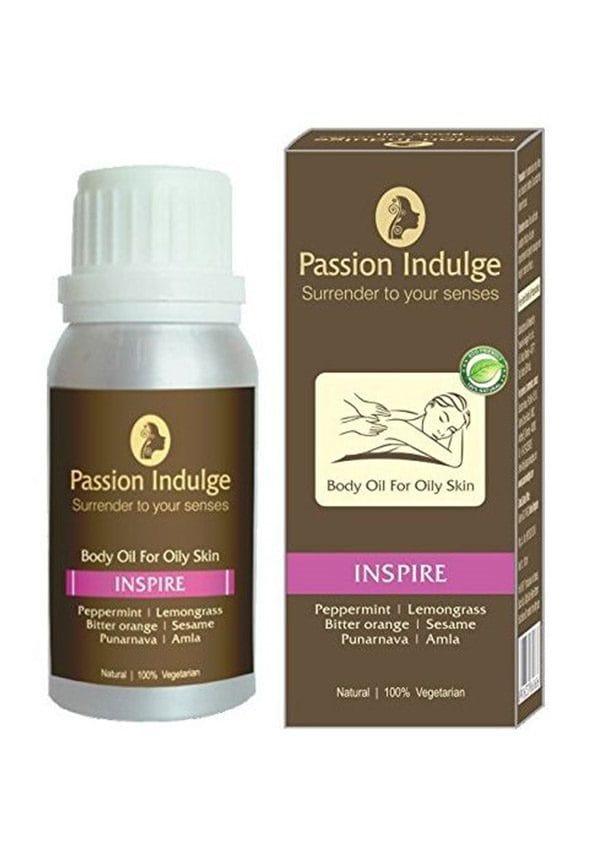
Inspire Body Oil For Oily Skin
During monsoon season, lighter oils work better as humidity levels are high. In winter or in air-conditioned spaces, your skin might benefit from slightly richer formulations. The key is adjusting your routine based on how your skin feels rather than sticking rigidly to one approach.
Knowing how to use face oil correctly makes all the difference between achieving balanced skin and ending up with clogged pores. The application method is just as important as choosing the right oil for your skin type.
For oily skin, evening application often works best as it gives the oil time to absorb overnight. If you do use oil in the morning, apply it at least 15-20 minutes before sunscreen to ensure proper absorption. Start with evening use and see how your skin responds before adding morning application.
Less is definitely more with face oils. Start with 2-3 drops for your entire face, warming the oil between your palms before pressing it gently into your skin. Your T-zone might need less oil than your cheeks, so adjust accordingly. If your skin feels greasy after 10-15 minutes, you've used too much.
In your oily skin skincare routine, apply face oil after water-based serums but before heavier creams. If you're using retinol, you can mix a drop of oil with it to reduce potential irritation. Always wait for oil to absorb before applying sunscreen to prevent pilling.
The appeal of natural oils for oily skin is understandable, especially with the rich tradition of oil use in Indian skincare. However, there's a difference between what works in traditional contexts and what's suitable for modern skincare routines.
Whilst these oils have cultural significance and can work for body care, they're often too heavy for facial use on oily skin. Coconut oil, despite its antibacterial properties, can clog pores. Sesame oil might work for some but can feel too rich in humid climates. These oils are better suited for occasional treatments rather than daily use.
Commercial face oils are often blended to provide multiple benefits whilst maintaining a lightweight feel. They're typically processed to remove impurities and may include additional beneficial ingredients like vitamins or plant extracts. These formulations are designed specifically for facial use and different skin types.
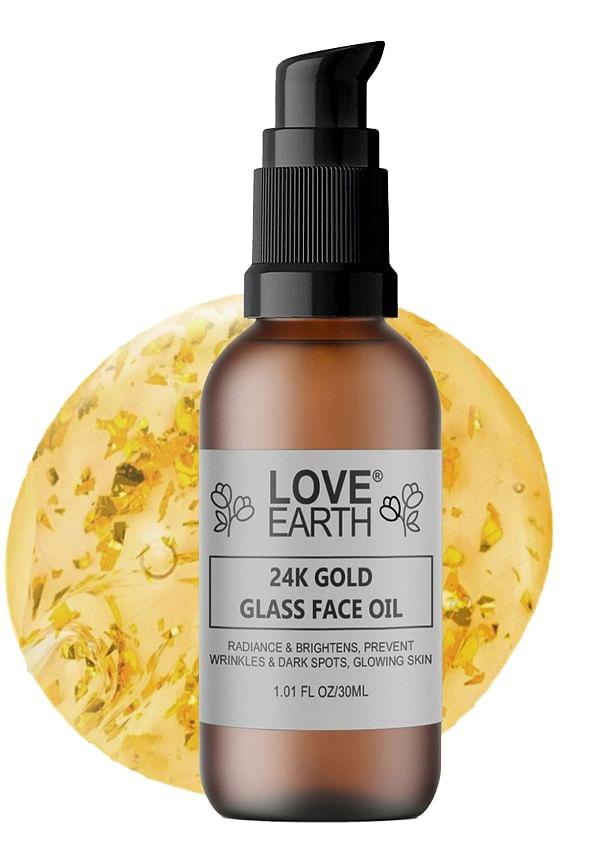
24K Gold Glass Face Oil
Look for oils that are cold-pressed, organic when possible, and packaged in dark glass bottles to preserve their potency. The ingredient list should be short and recognisable. Avoid oils with added fragrances or essential oils if you have sensitive or acne-prone skin.
Yes, certain face oils can help calm inflammation. Oils rich in omega fatty acids, like rosehip or grapeseed, have anti-inflammatory properties that may help reduce redness. However, it's important to patch test first and introduce oils gradually to avoid any adverse reactions.
When you choose the right non-comedogenic face oils, they can actually benefit acne-prone skin by helping to balance oil production and providing antibacterial properties. The key is selecting lightweight, fast-absorbing oils and using them in appropriate amounts.
Most people notice initial changes in skin texture within 1-2 weeks of consistent use. However, significant improvements in oil balance and overall skin health typically take 4-6 weeks of regular application as your skin adjusts its natural oil production.
Yes, face oils can actually help buffer the potential irritation from retinol whilst maintaining the effectiveness of the treatment. Apply retinol first, wait a few minutes, then add a small amount of oil. This combination works well in an oily skin skincare routine.
Serums are typically water-based and contain active ingredients in smaller molecular forms for deeper penetration. Face oils are lipid-based and work primarily on the skin's surface and upper layers. Both can be used together, with serum applied first followed by oil.
Yes, but choose lighter formulations during humid months. Your skin still needs proper hydration even in high humidity, and the right face oil can provide this without feeling heavy. Adjust the amount based on how your skin feels throughout the day.
The journey to understanding your oily skin often involves unlearning myths and embracing what actually works for your unique skin type and environment. Face oils, when chosen and used correctly, can be game-changers for oily Indian skin, helping to achieve the balance that harsh, oil-stripping products never could.
Remember that skincare is deeply personal, and what works for others might need adjustment for your skin. Start slowly, pay attention to how your skin responds, and don't be afraid to modify your routine based on seasonal changes or how your skin evolves over time.
If you're curious about trying different face oils but hesitant to commit to full-size products, platforms like Smytten offer a practical solution. With access to minis from trusted brands, you can explore various formulations and find what works best for your skin before making larger investments. It's a smart approach to building a skincare routine that truly serves your skin's needs.
