Face Oil Before or After Moisturizer: Your Skincare Routine Questions Answered

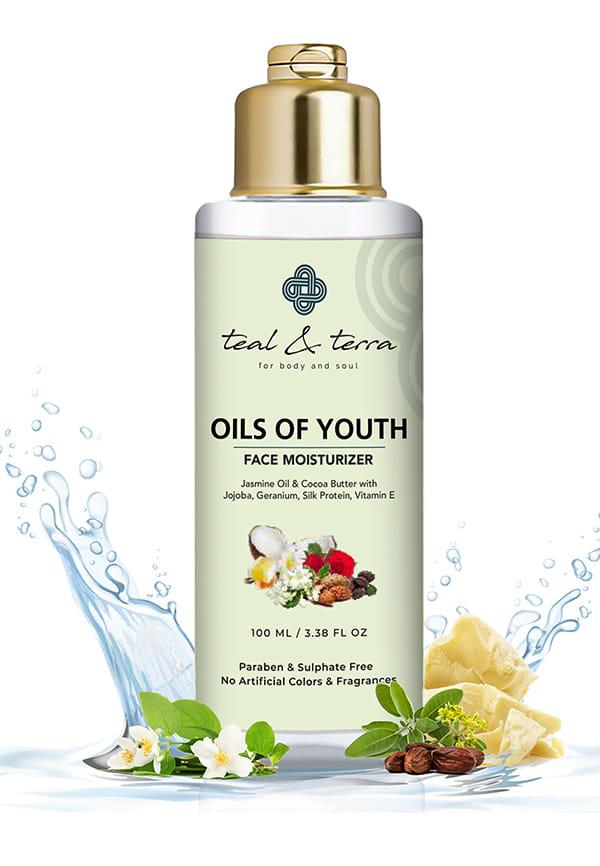
Oils of Youth Jojoba Vitamin E Face Moisturizer
You've just finished your evening skincare routine, carefully applying your serum and moisturiser, when you reach for that bottle of face oil. But wait—should it go before or after your moisturiser? If you've ever stood in your bathroom, products in hand, wondering about the correct order, you're not alone. This layering dilemma has puzzled skincare enthusiasts for years, and getting it wrong can actually reduce the effectiveness of your products. The good news? There's a science-backed answer that takes the guesswork out of your routine. Whether you're new to face oils or looking to optimise your current regimen, understanding the proper application order will help you get the most from every drop. At Smytten, we've seen countless users discover their perfect oil-moisturiser combination through trial packs, making it easier than ever to find what works for your unique skin.
TL;DR
Face oil comes after moisturiser in most cases—oils act as a protective seal to lock in hydration
Apply thinnest to thickest: cleanser → serum → moisturiser → face oil → sunscreen (morning) or stop at oil (evening)
Exceptions exist: lightweight oils like squalane or jojoba can sometimes go first, depending on your skin type and product consistency
Proper application matters: use 2-3 drops, press gently into skin, and wait 3 minutes between layers for optimal absorption
Benefits are real: face oils strengthen your moisture barrier, provide antioxidants, and can improve skin texture when used correctly
The fundamental rule for face oil before or after moisturiser is surprisingly straightforward: moisturiser first, oil second. This isn't just skincare tradition—it's based on how different product formulations interact with your skin's natural barrier.
Face oils are primarily occlusive, meaning they create a protective layer on your skin's surface. Think of oil as your skin's protective seal, locking in all the hydrating ingredients you've applied underneath. When you apply moisturiser first, you're delivering water-based hydration and active ingredients directly to your skin. The oil then sits on top, preventing that moisture from evaporating throughout the day or night.
Skincare products should be applied from thinnest to thickest consistency, and this relates directly to molecular weight. Water-based products like serums and moisturisers have smaller molecules that can penetrate deeper into your skin. Oils, with their larger molecular structure, sit more on the surface. If you apply oil first, you're essentially creating a barrier that prevents your moisturiser from absorbing properly—rather like trying to hydrate your skin through a raincoat.
Understanding skincare routine order becomes much simpler when you follow the molecular weight rule consistently. Here's how face oils fit into your morning and evening routines.
Your morning routine should follow this order: cleanser → serum → moisturiser → face oil → sunscreen. The best time to apply face oil in the morning is after your moisturiser has absorbed but before your SPF. However, be mindful that some oils can interfere with sunscreen application, so allow 3-5 minutes between your oil and SPF application.
Evening routines offer more flexibility: double cleanse → treatment serums → moisturiser → face oil. This is when layering skincare products becomes most beneficial, as your skin repairs itself overnight. The oil acts as the final occlusive layer, ensuring all your treatment products work effectively while you sleep.
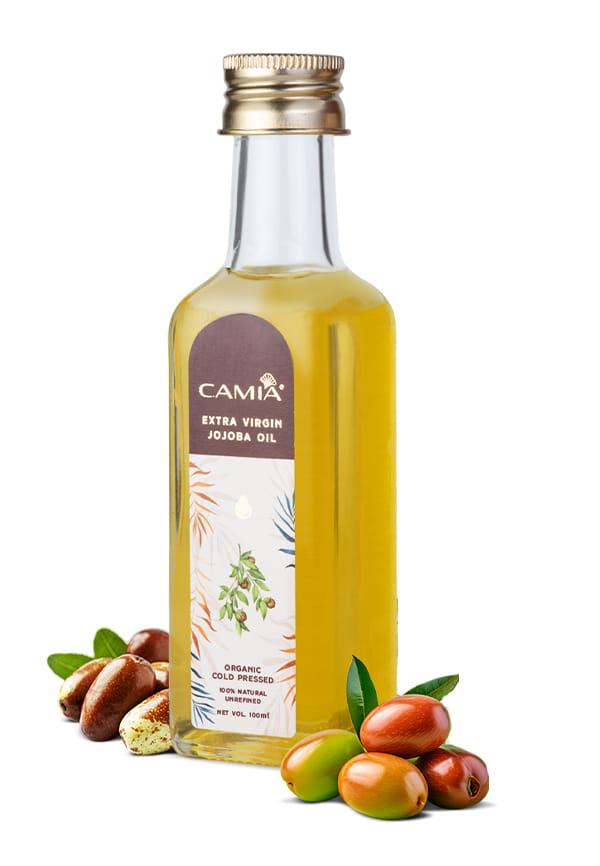
Cold Pressed Jojoba Oil Extra Virgin
When considering serum before or after moisturiser, the rule remains consistent: serums always go before moisturiser due to their thinner consistency and higher concentration of active ingredients. Face oils, being the thickest layer, come last in your routine (before SPF in the morning).
While the moisturiser-first rule applies to most situations, there are specific circumstances where the oil or moisturiser first decision might favour oil application first.
Certain oils like squalane, jojoba, or rosehip have a thinner consistency and absorb more readily into skin. If your face oil feels more like a lightweight serum and your moisturiser is quite thick or occlusive, you might benefit from applying the oil first. This is particularly relevant for those with oily or combination skin who use gel-based moisturisers.
Very dry or compromised skin barriers sometimes benefit from oil-first application. If your skin is severely dehydrated or you're recovering from over-exfoliation, a lightweight oil can help prepare your skin to better absorb the moisturiser that follows. Climate also plays a role—in extremely dry conditions, this reverse order might provide better results.
Knowing how to use face oil properly is just as important as knowing when to apply it. The technique can make the difference between glowing skin and a greasy complexion.
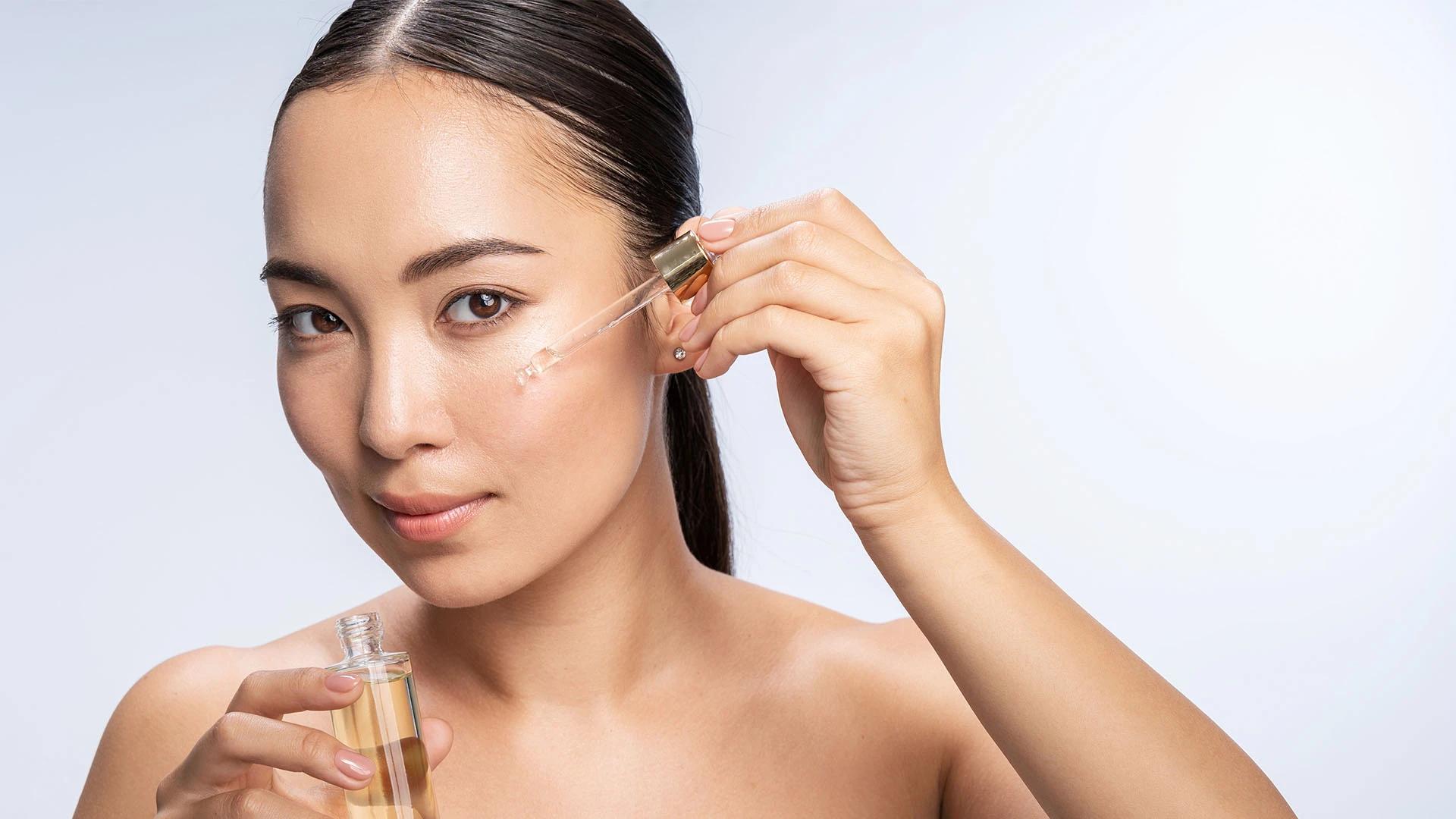
Start with just 2-3 drops of face oil—this is usually sufficient for your entire face. Warm the oil between your palms, then press it gently into your skin rather than rubbing. This pressing motion helps the oil absorb better and prevents tugging at delicate facial skin. If you find the oil too rich, you can mix a drop or two with your moisturiser for easier application.
The best time to apply face oil is when your skin is slightly damp from your moisturiser—this helps with absorption. Room temperature application works well, though some people prefer to warm the oil slightly between their palms. The key is the 3-minute rule: wait about 3 minutes after applying your moisturiser before adding the oil, allowing the first layer to absorb properly.
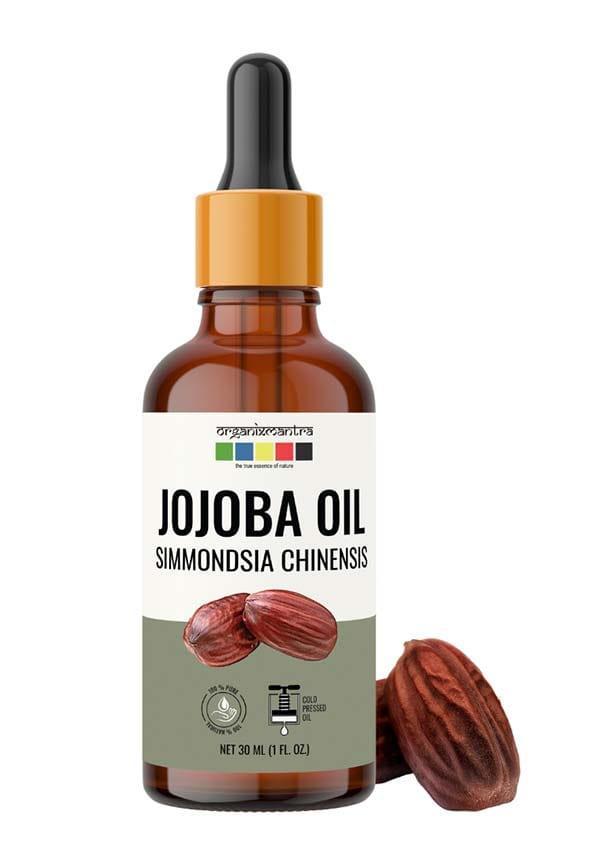
Jojoba Oil,100% Pure, Natural & Cold Pressed Organic Oil, 30ML
Great Product!
 5
5“i loved it alottt , it's reallly niceee”
The benefits of face oil extend far beyond simple moisturisation. When incorporated correctly into your face oil in skincare routine, oils can transform your skin's health and appearance.
Face oils strengthen your skin's natural moisture barrier, which is crucial for maintaining hydration and protecting against environmental damage. Many oils are rich in antioxidants like vitamin E and essential fatty acids that help combat free radical damage. Over time, consistent use can improve skin texture, reduce the appearance of fine lines, and give you that coveted healthy glow.
The myth that oils cause breakouts stems from using the wrong type of oil or applying it incorrectly. Non-comedogenic oils like jojoba, squalane, and rosehip are actually beneficial for most skin types, including oily skin. The key is choosing the right oil for your skin type and using the proper amount—more isn't always better when it comes to facial oils.
Product | Skin Type | Key Concerns | Price Range | Key Ingredients |
|---|---|---|---|---|
The Ordinary 100% Plant-Derived Squalane | All types, especially oily | Lightweight hydration, non-comedogenic | Under ₹500 | Squalane |
Plum Green Tea Face Oil | Oily, combination | Oil control, antioxidant protection | Under ₹500 | Green tea, jojoba oil |
Dot & Key Vitamin C + E Face Oil | Dull, all types | Brightening, anti-ageing | ₹500 - ₹1000 | Vitamin C, Vitamin E, rosehip oil |
Minimalist Rosehip Oil | Dry, mature | Anti-ageing, hydration | Under ₹500 | 100% rosehip oil |
Forest Essentials Facial Oil | Dry, sensitive | Deep nourishment, luxury experience | Over ₹1500 | Ayurvedic oils, essential oils |
Even with the right application order, you might encounter some common issues when incorporating face oils into your routine. Here's how to address them.
If your oil isn't absorbing properly, you're likely using too much or applying it to completely dry skin. Try using fewer drops and ensure your moisturiser is still slightly damp when you apply the oil. Pilling—when products ball up on your skin—usually indicates you're layering too quickly. Give each layer 3-5 minutes to absorb before applying the next product.
Dry skin benefits from richer oils like argan or marula, applied generously in the evening. Oily skin should stick to lightweight options like squalane or jojoba, using just 1-2 drops. Sensitive skin types should patch test any new oil and opt for single-ingredient formulations to identify potential irritants more easily.
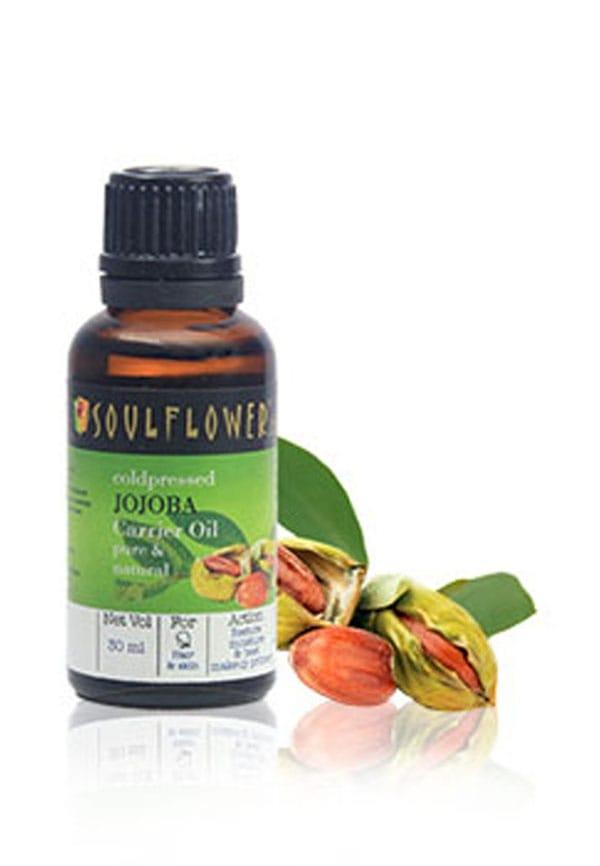
Coldpressed Jojoba Carrier Oil
The 3-minute rule suggests waiting about 3 minutes between applying different skincare layers. This allows each product to absorb properly before adding the next layer, preventing pilling and ensuring maximum effectiveness. It's particularly important between moisturiser and face oil application.
The best time to apply face oil is after your moisturiser has absorbed but while your skin is still slightly damp. Evening application is generally preferred as oils can feel heavy under makeup and may interfere with sunscreen application. However, lightweight oils can be used in the morning if you allow proper absorption time before SPF.
Yes, most people can use face oil daily, but start with 2-3 times per week to see how your skin responds. Oily skin types might prefer every other day, while dry skin can often handle daily use. Pay attention to your skin's response and adjust frequency accordingly. Through Smytten's trial packs, you can test different oils to find your ideal frequency without committing to full-size products.
In most cases, face oil should go after moisturiser. The moisturiser provides hydration and active ingredients, while the oil acts as an occlusive layer to seal everything in. This order follows the thin-to-thick application rule and ensures optimal absorption of both products.
Yes, you can mix 1-2 drops of face oil with your moisturiser for easier application and a lighter feel. This method works particularly well for those who find straight oil application too heavy or for morning routines where you want the benefits of oil without the weight.
The question of face oil before or after moisturiser has a clear, science-backed answer: moisturiser first, oil second. This order respects the molecular weight principle and allows each product to perform its intended function. Your moisturiser delivers hydration and active ingredients, while your face oil seals everything in and provides additional nourishment.
Remember that skincare is personal, and while these guidelines work for most people, your skin might have unique needs. Start with the standard order, pay attention to how your skin responds, and adjust as needed. The key is consistency and patience—give any new routine at least 2-4 weeks to show results.
Whether you're dealing with dryness, seeking anti-ageing benefits, or simply wanting that healthy glow, incorporating face oil correctly into your routine can make a significant difference. The investment in understanding proper application order pays off in healthier, more radiant skin.
Finding the perfect face oil for your skin type and learning to layer it correctly doesn't have to involve expensive mistakes or guesswork. Smytten is India's largest product discovery and trial platform, connecting consumers with top lifestyle, beauty, wellness, and grooming brands through curated trial packs from over 2,400 trusted brands including Cetaphil, Dot & Key, Plum, Minimalist, and many more. This try before you buy approach lets you explore different face oils and moisturisers before committing to full-size purchases. With trial packs available across skincare, makeup, haircare, and fragrances, you can get up to 10 Trial Points for just ₹279, plus enjoy 100% cashback on your trial purchases, redeemable for future orders. With over 28 million users and 100 million trial minis delivered across 90% pin code coverage, Smytten helps you make smarter, more confident skincare choices. After all, why settle for 'maybe' when you can #TryItAll!
