Eye Cream vs Moisturiser: Your Skincare Questions Answered

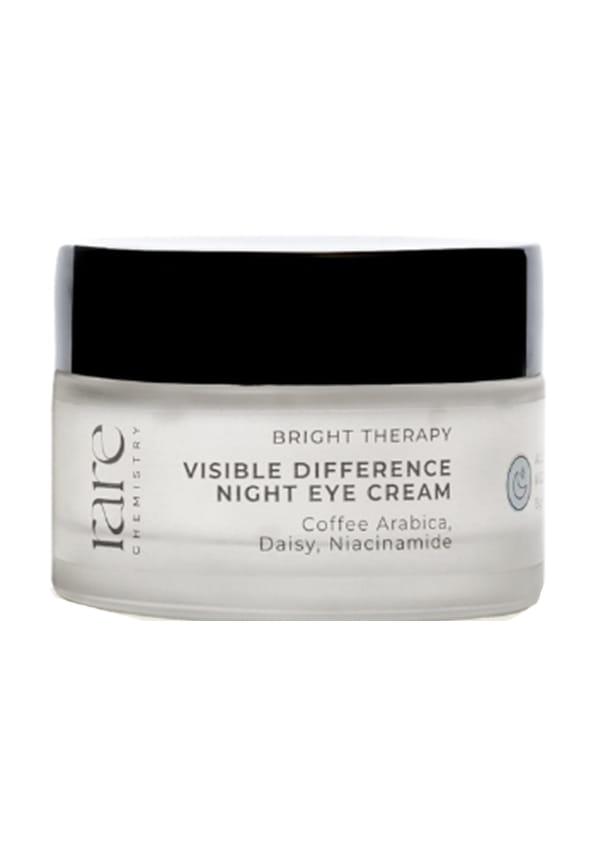
Bright Therapy Visible Difference Night Eye Cream
You've been staring at your skincare shelf, holding a pot of eye cream in one hand and your trusty moisturiser in the other, wondering if you're doubling up on products unnecessarily. It's a question that pops up in every skincare group chat: do you actually need both, or is this just clever marketing? The delicate skin around your eyes does behave differently from the rest of your face, but whether that translates to needing a separate product depends on several factors. Let's break down the real differences and help you decide what works best for your routine and budget.
The fundamental difference between eye cream and regular face moisturiser lies in their formulation approach. Eye creams are specifically designed for the thinnest skin on your face - the area around your eyes is about 40% thinner than the skin on your cheeks. This means it needs gentler, more targeted care.
Eye cream benefits start with their concentrated formulation. These products typically have a richer, more emollient texture that won't migrate into your eyes and cause irritation. The consistency is carefully calibrated - thick enough to provide intensive moisture without being so heavy that it causes milia (those tiny white bumps). Regular moisturisers, on the other hand, are formulated for the varied needs of your entire face, from your oily T-zone to your drier cheek areas.
Under eye cream application requires a gentle patting motion with your ring finger - the weakest finger that won't tug at delicate skin. Face moisturisers are designed to be massaged into larger surface areas with broader strokes. The skin around your eyes also has fewer sebaceous glands, making it naturally drier and more prone to showing signs of ageing first.
When you examine eye cream ingredients, you'll notice they're often more concentrated and specifically chosen for the unique challenges this area faces. The formulations tend to be fragrance-free and ophthalmologist-tested to prevent irritation.
Many eye creams contain peptides to support collagen production, caffeine to reduce puffiness, and gentle forms of retinol or bakuchiol for anti-aging skincare. These ingredients are present in lower concentrations than you'd find in face serums, making them suitable for the sensitive eye area. Niacinamide often appears in eye formulations too, helping to strengthen the skin barrier without causing irritation.
Hydrating eye cream formulations rely heavily on humectants like hyaluronic acid and glycerin, combined with occlusive ingredients like ceramides and squalane. These create a protective barrier that prevents moisture loss throughout the day. Regular moisturisers might contain similar ingredients but in different ratios, often with additional components like SPF or stronger actives that aren't suitable for the eye area.
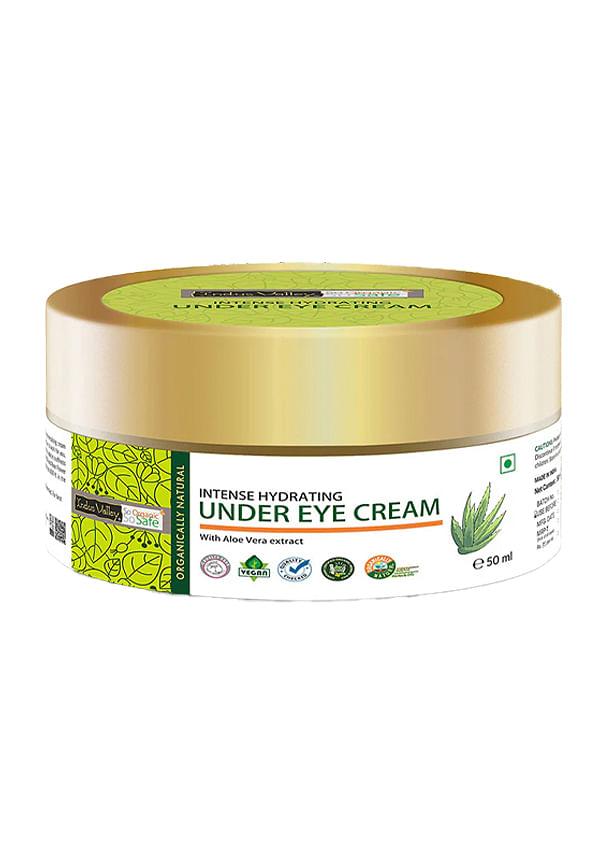
Intense Hydrating Under Eye Cream
The honest answer depends on your skin type, age, concerns, and budget. Many dermatologists suggest that if you're in your early twenties with no specific eye area concerns, a gentle moisturiser might suffice. However, if you're dealing with puffiness, dark circles, or early signs of ageing, a dedicated eye product could be worth adding to your routine.
If you have sensitive skin, you might find that your regular moisturiser causes irritation around your eyes, even if it works perfectly on the rest of your face. Those with dry skin often benefit from the extra hydration an eye cream provides, whilst people with oily skin might prefer a lightweight eye gel over a rich cream. Your age also plays a role - the earlier you start protecting this delicate area, the better your skin will age over time.
Real talk: if budget is a concern, investing in a good SPF and gentle cleanser will give you more bang for your buck than an expensive eye cream. However, if you're already covering the basics and want to target specific concerns like crow's feet or under-eye dryness, an eye cream can be a worthwhile addition to your skincare routine.
The main advantage of using a dedicated eye product is its ability to address concerns that general moisturisers aren't designed to tackle. Think of it as the difference between a multivitamin and a targeted supplement.
Eye creams excel at anti-aging skincare because they can deliver active ingredients in concentrations that won't irritate this sensitive area. Ingredients like peptides and gentle retinoids can help prevent and reduce the appearance of fine lines and crow's feet over time. The key word here is 'time' - these products work gradually and require consistent use to show results.
The best eye cream for your needs will provide long-lasting hydration without feeling heavy or causing milia. Many formulations include ingredients that help strengthen the skin barrier, making it more resilient to environmental stressors like air conditioning, heating, and pollution that can accelerate ageing around the eyes.
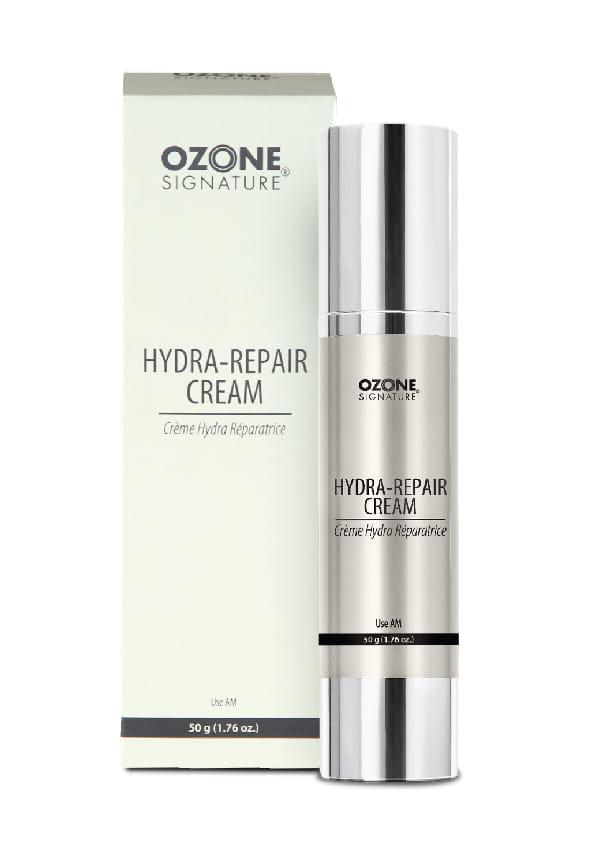
Hydra Repair Face Moisturiser Cream
Using your regular moisturiser for eyes isn't necessarily harmful, but there are some considerations to keep in mind. The skin around your eyes is more permeable, meaning products can penetrate more easily - which could lead to irritation if your moisturiser contains fragrances or stronger actives.
If your face moisturiser is fragrance-free, gentle, and doesn't contain actives like AHAs, BHAs, or high concentrations of retinol, it might work perfectly fine around your eyes. Many people with uncomplicated skin find that a simple, hydrating moisturiser meets all their needs without requiring separate products.
Some moisturisers can cause milia formation around the eyes, especially if they're too rich or contain comedogenic ingredients. Additionally, if your moisturiser contains SPF, you'll want to be careful about application near your eyes to avoid stinging. Products with strong fragrances or essential oils can also cause irritation or allergic reactions in this sensitive area.
Whether you choose to use an eye cream or stick with your regular moisturiser, the key is consistency and proper application. Your routine should feel sustainable and address your specific concerns without overwhelming your skin or your schedule.
If you do decide to use both products, apply your eye cream first, then your face moisturiser around it. This prevents the heavier face product from creating a barrier that stops the eye cream from absorbing properly. Always apply eye products from the inner corner outward, avoiding the immediate lash line where products can migrate into your eyes.
Look for products with ingredients that complement each other rather than compete. If your moisturiser contains niacinamide, an eye cream with peptides or hyaluronic acid would work well together. Avoid layering multiple products with strong actives, as this can lead to irritation, especially around the delicate eye area.
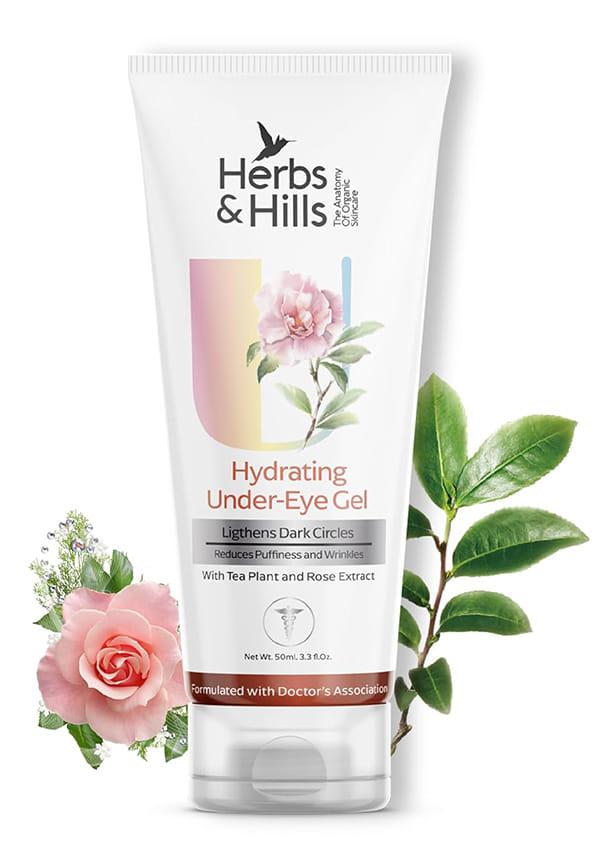
Hydrating Under Eye Gel
It depends on your age, skin concerns, and sensitivity level. If you're young with no specific eye area issues, a gentle moisturiser might suffice. However, if you're experiencing puffiness, dryness, or early signs of ageing around your eyes, a dedicated eye cream could provide better targeted care.
While eye creams are generally gentler, they're often more expensive and may not provide adequate coverage for your entire face. They're formulated specifically for the thin skin around your eyes, so using them on your whole face would be costly and potentially insufficient for areas that need different care.
Eye creams with ingredients like peptides, gentle retinoids, or bakuchiol may help reduce the appearance of fine lines over time. However, prevention through consistent SPF use and gentle skincare habits is more effective than trying to reverse existing damage.
For pure hydration, look for products containing hyaluronic acid, glycerin, and ceramides. Whether this comes in an eye cream or gentle moisturiser format is less important than the ingredient list and how your skin responds to the product.
If your regular moisturiser causes irritation around your eyes, or if you have specific concerns like puffiness, dark circles, or fine lines that aren't improving with your current routine, it might be time to consider a dedicated eye product.
Yes, especially if it contains fragrances, essential oils, strong actives, or SPF. The skin around your eyes is more sensitive and permeable, making it more prone to reactions from products that work fine on the rest of your face.
The choice between eye cream and moisturiser isn't about right or wrong - it's about what works for your skin, lifestyle, and budget. Some people swear by their dedicated eye products, whilst others find their gentle face moisturiser does everything they need. The most important factors are using products consistently, protecting your skin with SPF during the day, and being gentle with the delicate eye area.
If you're curious about trying different eye creams or moisturisers but don't want to commit to full sizes, platforms like Smytten let you explore minis from trusted brands before making larger investments. With over 28 million users discovering products through trial sizes, it's become a smart way to test what works for your unique skin needs. Whether you end up with a simple one-product routine or a more targeted approach, the key is finding what makes your skin feel healthy and comfortable.
