Expert Insights: Revolutionizing Sun Care with Body Sprays
Published Date - 7 August 2025
5.0|(50 ml)
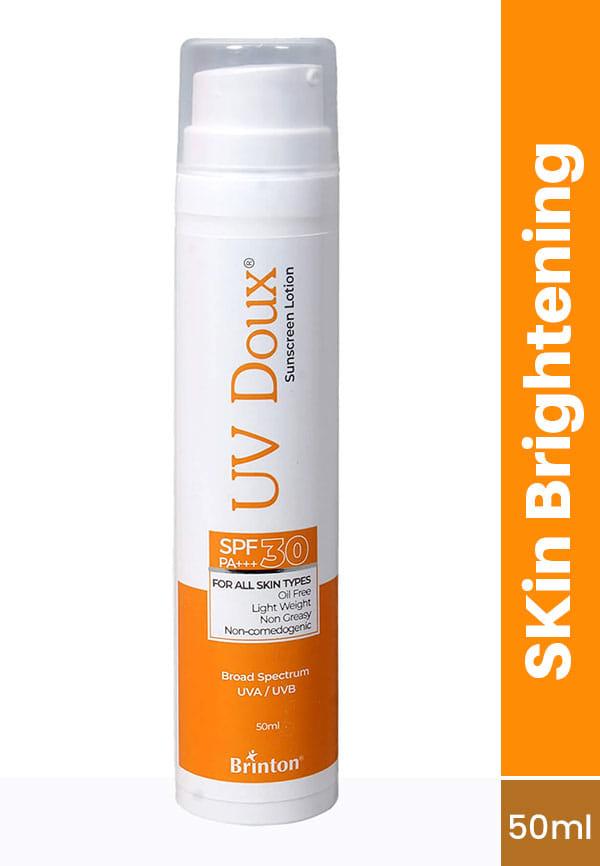
Brinton
Sunscreen Lotion with SPF 30
₹ 57935 % OFF
₹ 376
Sun protection has come a long way from thick, white lotions that took ages to blend in. These days, the skincare world is buzzing about body sunscreen spray options that actually make protecting your skin feel effortless. Real talk—if you've ever struggled to reach your back or waited forever for sunscreen to dry, you'll know why this innovation is such a game-changer. These sprays deliver serious protection without the fuss, making daily sun care something you might actually look forward to.
The Science Behind Body Sunscreen Sprays
The magic of body sunscreen spray lies in its clever formulation that delivers active ingredients through an ultra-fine mist. Unlike traditional creams, these sprays use advanced dispersion technology to create tiny droplets that spread evenly across your skin. The secret is in how the formula suspends UV-blocking ingredients in a lightweight base that won't leave you feeling sticky or greasy.
Modern UV protection spray formulations work by creating an invisible barrier on your skin's surface. The active ingredients—whether mineral or chemical filters—form a protective layer that either reflects or absorbs harmful UV rays before they can penetrate your skin.
Broad-Spectrum Protection: UVA and UVB Defence
A proper broad-spectrum sunblock protects against both UVA rays (which cause premature ageing) and UVB rays (responsible for sunburn). Body sunscreen sprays achieve this comprehensive coverage through carefully balanced formulations that include multiple UV filters. This dual protection is crucial because UVA rays can penetrate deeper into your skin, whilst UVB rays affect the surface layers.
Quick-Dry Formulas: Comfort Meets Protection
The beauty of quick-dry sun protection is that it eliminates the waiting game. These formulas are designed with volatile carriers that evaporate quickly, leaving only the protective ingredients on your skin. You can spray, wait a minute or two, and you're ready to get dressed without worrying about staining your clothes or feeling uncomfortable.
Advantages of SPF Body Sprays Over Traditional Sunscreens
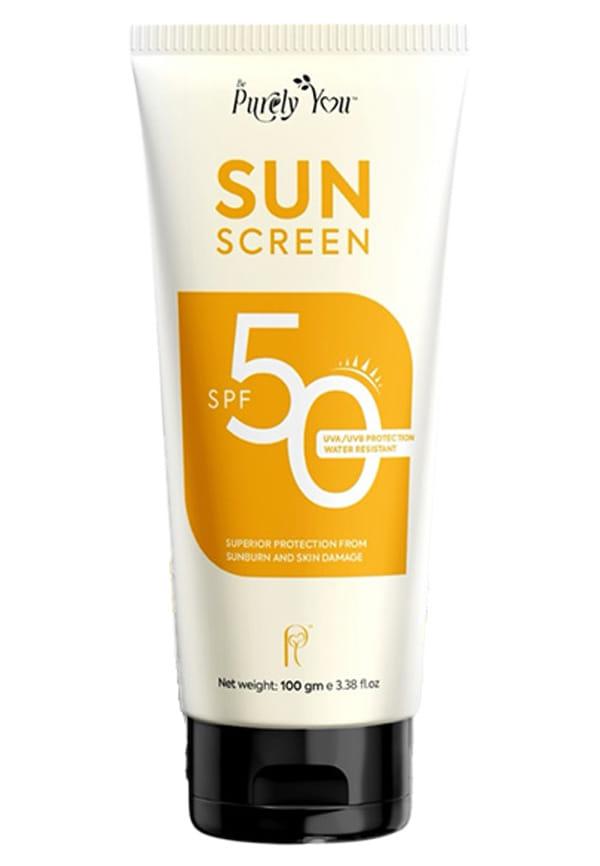
(100 gm)
Be Purely You
Sun Screen SPF - 50
₹ 129923 % OFF
₹ 1000
When it comes to convenience, SPF body spray options win hands down. Think about it—no more wrestling with bottles, no sticky hands, and definitely no white streaks that make you look like you've been painting. These sprays offer coverage that traditional lotions simply can't match, especially when you're trying to protect areas you can't easily see or reach.
The application process is where sprays really shine. You can cover large areas quickly and evenly, something that takes ages with traditional formulas. Plus, the fine mist ensures you don't miss spots or end up with uneven coverage that could leave parts of your skin vulnerable.
Easy Application: Reaching Every Nook and Cranny
Easy-application sunscreen is a total game-changer for those hard-to-reach spots. Your shoulders, back, and behind your knees—all those areas that usually require a friend's help or some serious contortion skills. With a spray, you can simply hold the bottle at different angles and cover your entire body without missing a beat.
Lightweight Sun Mist: Say Goodbye to Heavy Formulas
The texture of a good lightweight sun mist feels like nothing on your skin. Gone are the days of heavy, greasy formulas that make you feel like you're wearing a thick coat. These sprays absorb quickly and leave your skin feeling comfortable, breathable, and protected. Perfect for those sticky summer days when the last thing you want is another layer weighing you down.
Waterproof and Sweat-Resistant: Perfect for Active Lifestyles
For anyone who loves being active outdoors, waterproof sunscreen mist is your best mate. These formulas are designed to stay put even when you're sweating buckets or taking a dip. The technology behind this involves creating a film on your skin that resists water whilst still allowing your skin to breathe.
The key difference between water-resistant and waterproof formulas lies in how long they maintain their SPF rating when exposed to water. Most quality sprays offer at least 40-80 minutes of protection during swimming or intense sweating, though reapplication is always wise for extended sun exposure.
Beach-Friendly Sunscreen: Protection That Stays Put
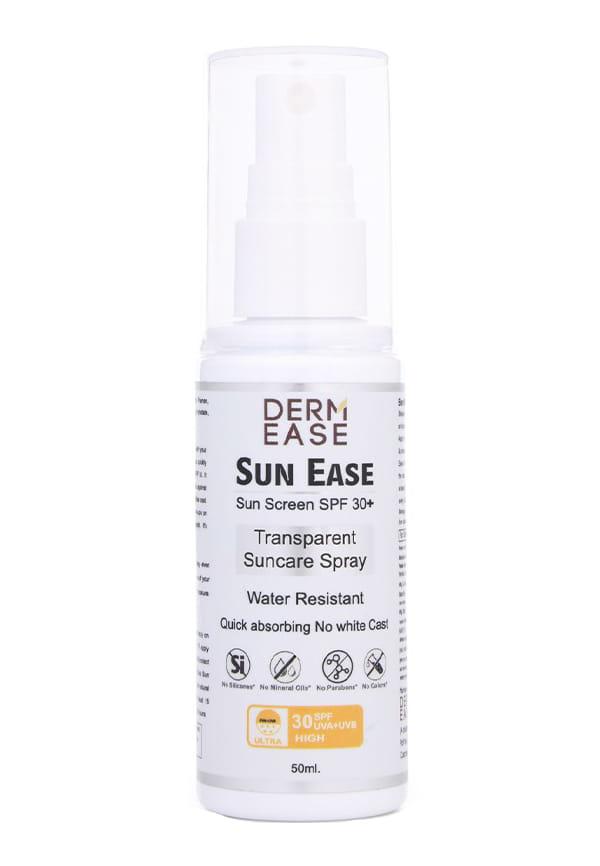
A good beach-friendly sunscreen
(50 ml)
DERM EASE
Sun Ease Sunscreen SPF 30+ Spray
₹ 499
needs to handle more than just water—it should resist sand, salt, and all the elements that come with coastal adventures. These sprays are formulated to maintain their protective barrier even when you're building sandcastles or playing beach volleyball. The bonus? No more sandy, greasy hands from reapplying traditional lotions.
Sports and Outdoor Activities: Staying Protected on the Go
Whether you're hiking, cycling, or playing outdoor sports, spray formulas make reapplication a breeze. You can keep a bottle in your bag and top up your protection without stopping your activities for ages. The quick application means you spend less time faffing about with sunscreen and more time doing what you love.
Skin-Nourishing Formulas: Beyond Sun Protection
Modern body sunscreen sprays aren't just about blocking UV rays—many include ingredients that actually benefit your skin. Think vitamins, antioxidants, and moisturising agents that work whilst protecting you from the sun. It's like getting a skincare treatment and sun protection rolled into one convenient spray.
These skin-nourishing sun protection formulas recognize that healthy skin needs more than just UV defence. They often include ingredients like vitamin E, aloe vera, or hyaluronic acid that help maintain your skin's health and hydration levels throughout the day.
Hydration and Moisturisation: Keeping Skin Healthy
Some sprays include hydrating ingredients that prevent your skin from drying out in the sun. This is particularly brilliant if you have dry or sensitive skin that tends to feel tight after sun exposure. These formulas work to maintain your skin's natural moisture barrier whilst providing protection.
Antioxidants and Skin-Loving Ingredients
Look out for sprays that include antioxidants like vitamin C or green tea extracts. These ingredients help combat free radical damage from environmental stressors, giving your skin an extra layer of defence beyond UV protection. It's like having your daily skincare routine work double duty.
Choosing the Right Body Sunscreen Spray
Picking your perfect spray comes down to understanding your needs and lifestyle. Consider factors like your skin type, how much time you spend outdoors, and what activities you'll be doing. Someone who spends weekends at the beach will need different protection than someone who just wants coverage for their daily commute.
The most important factor is finding a formula that you'll actually use consistently. The best sunscreen is the one you apply regularly, so choose something that feels comfortable and fits seamlessly into your routine.
Understanding SPF Ratings in Sprays
SPF ratings work the same way in sprays as they do in lotions, but the application method can affect coverage. SPF 30 blocks about 97% of UVB rays, whilst SPF 50 blocks about 98%. For daily use, SPF 30 is usually sufficient, but if you're spending extended time outdoors or have fair skin, SPF 50 might be your better bet.
Non-Greasy Formulas: Comfort for All Skin Types
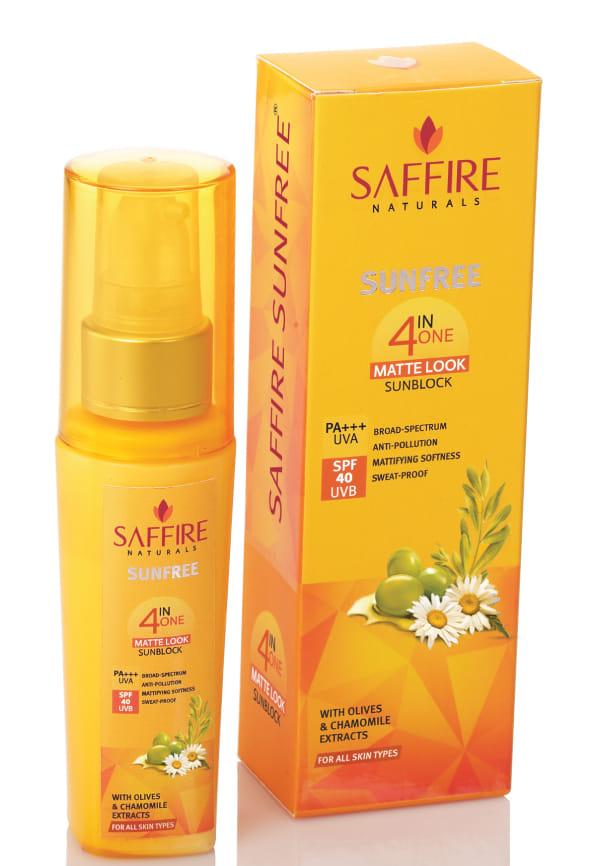
Non-greasy sun spray
4.2|(50 ml)
Saffire Naturals
Sunfree SPF40
₹ 325
formulas are essential for comfortable wear, especially if you have oily or acne-prone skin. These lightweight formulations absorb quickly without clogging pores or leaving that shiny, slick feeling. Even those with sensitive skin often find sprays more tolerable than heavy creams.
Environmental Considerations and Innovations
The skincare industry is increasingly focused on creating products that protect both your skin and the environment. Many newer spray formulations are moving away from ingredients that can harm marine ecosystems, particularly coral reefs. This shift means you can protect your skin whilst being mindful of your environmental impact.
Brands are also innovating with packaging, using recyclable materials and developing refillable options. These changes reflect growing consumer awareness about sustainability in beauty and personal care products.
Reef-safe sunscreens avoid ingredients like oxybenzone and octinoxate, which can contribute to coral bleaching. If you're planning beach holidays or coastal activities, choosing reef-safe options helps preserve marine environments for future generations whilst still giving you the protection you need.
Sustainable Packaging: The Future of Sun Care
Innovative packaging solutions include recyclable aluminium bottles, biodegradable components, and concentrated formulas that reduce packaging waste. Some brands are even exploring refillable spray systems, making it easier to reduce your environmental footprint without compromising on sun protection.
Frequently Asked Questions
How often should I reapply body sunscreen spray?
Reapply every two hours, or immediately after swimming, sweating heavily, or towelling off. Even waterproof formulas need refreshing to maintain their protective effectiveness throughout the day.
Are sunscreen sprays as effective as lotions?
When applied properly, sprays can be just as effective as lotions. The key is ensuring even coverage—hold the bottle 4-6 inches from your skin and spray until your skin glistens, then rub in gently.
Can I use body sunscreen spray on my face?
Most body sprays aren't formulated for facial skin, which tends to be more sensitive. Look for face-specific spray formulas or stick to body application to avoid potential irritation around your eyes and mouth.
How much sunscreen spray should I apply for adequate protection?
For your entire body, you need about 30ml (roughly 2 tablespoons) of product. This might seem like a lot, but proper coverage is essential for the SPF rating to be effective.
Are all body sunscreen sprays waterproof?
No, not all sprays are waterproof. Check the label for "water-resistant" or "waterproof" claims, and note the duration (usually 40 or 80 minutes). Even water-resistant formulas need reapplication after swimming or sweating.
Final Thoughts
Body sunscreen sprays have genuinely transformed how we approach sun protection, making it easier and more pleasant to keep your skin safe. From quick-drying formulas to comprehensive UV protection, these innovations address the real-world challenges that often prevent consistent sunscreen use. Whether you're looking for something waterproof for beach days or a lightweight option for daily wear, there's likely a spray formula that fits your lifestyle. The key is finding one that feels comfortable enough to use every day—because the best sun protection is the one you actually apply consistently.