Expert Insights: Revolutionizing Skincare with Sunscreen
Published Date - 31 July 2025
4.4|(100 ml)
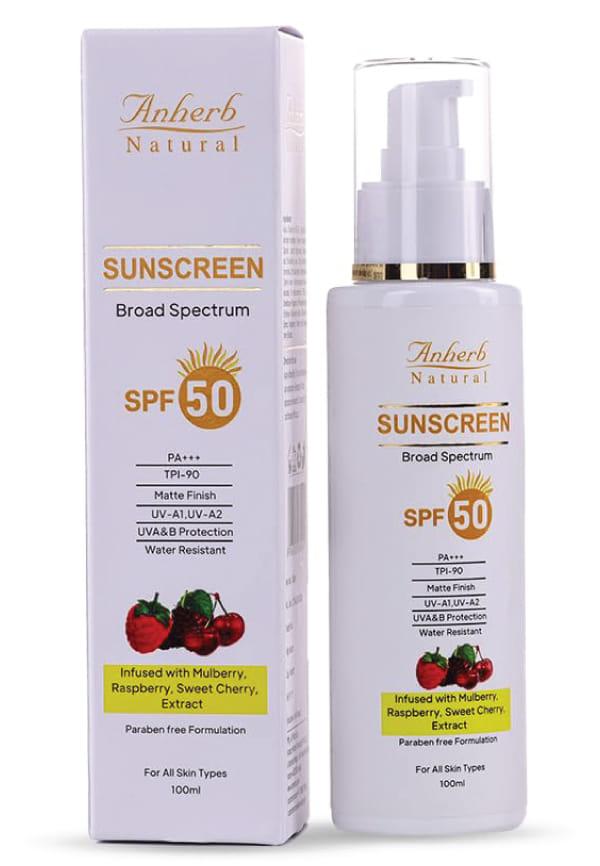
Anherb Naturals
Sunscreen SPF 50
₹ 70010 % OFF
₹ 630
Reviews from genuine users
Sweating Side Effect
4
“Ok product, causing sweating of face”
Pranav Unni05 Sep 2024
Let's be real—sunscreen isn't just that sticky white cream your mum insisted you slather on during beach holidays anymore. The skincare sunscreen game has seriously evolved, and we're here for it. From lightweight formulas that feel like your favourite facial moisturiser to cutting-edge tech that adapts to your skin's needs, modern sunscreen has become the multitasking hero your skincare routine deserves. Ready to discover how this daily essential has transformed into something worth obsessing over?
The Evolution of Sunscreen in Skincare
Sunscreen has come a long way from its humble beginnings as a basic UV protection barrier. What started as thick, chalky formulations has transformed into sophisticated skincare products that work harder for your skin. Today's sunscreens don't just protect—they moisturise, colour-correct, and even fight signs of ageing whilst keeping those harmful rays at bay.
From Basic UV Protection to Multifunctional Skincare
Gone are the days when sunscreen was just about preventing sunburn. Modern formulations combine broad spectrum protection with skincare benefits like hydration, antioxidants, and even light coverage. Your sunscreen can now double as your morning moisturiser, primer, and first line of anti-aging defence.
The Science Behind Modern Sunscreen Formulations
Today's sunscreens use advanced technologies that make them more effective and cosmetically elegant. From micro-encapsulated UV filters to time-release formulations, the science behind these products ensures better protection without the heavy, greasy feel of traditional sunscreens.
Understanding Sunscreen Types: Mineral vs. Chemical
Choosing between mineral sunscreen and chemical sunscreen might feel overwhelming, but understanding how each works can help you find your perfect match. Both types offer effective UV protection, but they work in completely different ways on your skin.
Mineral Sunscreens: The Physical Barrier
Mineral sunscreens contain zinc oxide or titanium dioxide that sit on your skin's surface, creating a physical barrier that reflects UV rays. They're brilliant for sensitive skin and start working immediately upon application. Plus, many are reef-safe, making them an eco-conscious choice.
Chemical Sunscreens: The Absorption Method
Chemical formulations absorb into your skin and convert UV rays into heat, which is then released from your body. These tend to be lighter in texture and work beautifully under makeup. They typically need about 20 minutes to become fully effective after application.
Hybrid Formulations: The Best of Both Worlds
Many modern sunscreens combine both mineral and chemical filters to maximise protection whilst maintaining a pleasant texture. These hybrid formulas offer broad spectrum coverage with improved wearability—your kind of win-win situation.
Decoding SPF Ratings and Broad Spectrum Protection
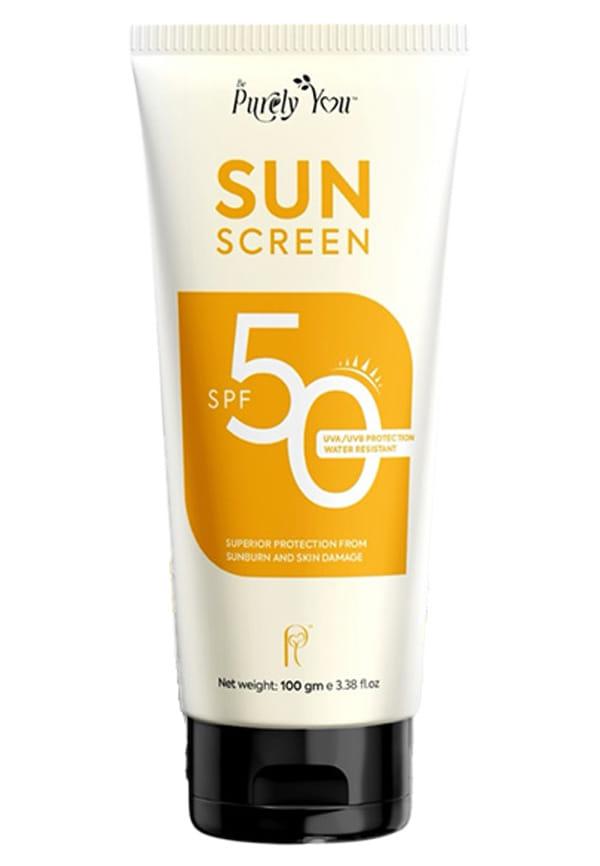
(100 gm)
Be Purely You
Sun Screen SPF - 50
₹ 129923 % OFF
₹ 1000
SPF ratings can be confusing, but understanding them helps you make informed choices about your sun protection. The number tells you how long the sunscreen theoretically extends your skin's natural protection time, but there's more to the story than just numbers.
The Significance of SPF Numbers
SPF 30 blocks about 97% of UV rays, whilst SPF 50 blocks around 98%. The difference isn't as dramatic as the numbers suggest. For daily wear, SPF 30-50 provides excellent protection when applied properly and reapplied regularly.
Beyond SPF: The Importance of Broad Spectrum Protection
Broad spectrum protection shields you from both UVA and UVB rays. UVB causes sunburn, whilst UVA penetrates deeper and contributes to premature ageing. A good sunscreen protects against both, keeping your skin healthy and youthful-looking.
Game-Changing Sunscreen Technologies
The sunscreen world is buzzing with innovations that make protection more effective and user-friendly. From smart formulations that adapt to your environment to eco-friendly options that protect both you and the planet, these advances are reshaping how we think about sun protection.
Nano-Technology in Sunscreen: Pros and Cons
Nano-sized particles make mineral sunscreens less visible on skin whilst maintaining effectiveness. They blend beautifully and feel lightweight, though some prefer traditional particle sizes for peace of mind. The choice is yours based on your comfort level and skin preferences.
Smart Sunscreens: Adapting to UV Exposure
Some cutting-edge formulas can detect UV intensity and adjust their protection accordingly. These intelligent sunscreens change colour or texture when it's time to reapply, taking the guesswork out of sun protection.
Biodegradable and Reef-Safe Formulations
Eco-conscious formulations avoid ingredients that harm marine life, particularly coral reefs. These sustainable options prove you don't have to choose between protecting your skin and protecting the environment.
Sunscreen as a Multitasking Skincare Product
Modern sunscreens have evolved into multifunctional skincare heroes that streamline your routine whilst providing superior protection. They're not just about preventing sun damage anymore—they actively contribute to your skin's health and appearance.
Sunscreen and Anti-Aging: The Perfect Duo
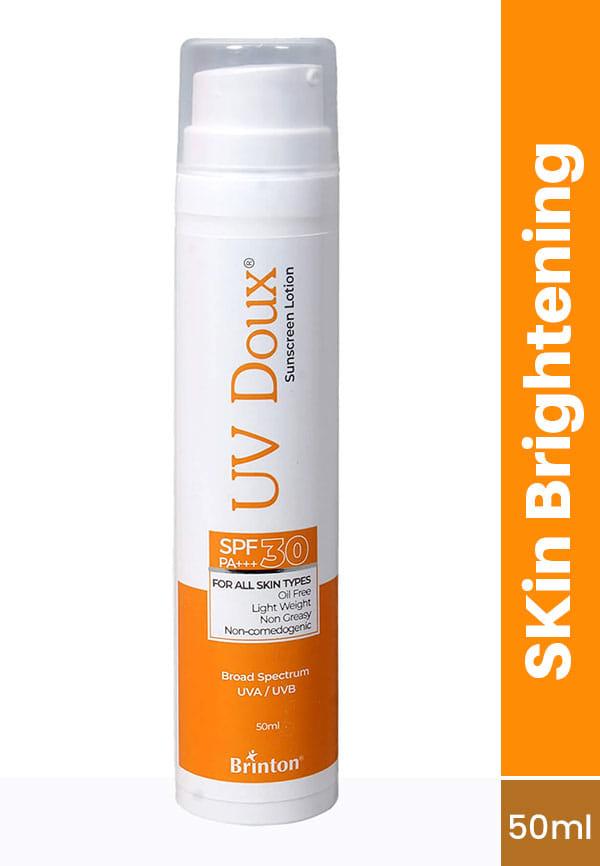
5.0|(50 ml)
Brinton
Sunscreen Lotion with SPF 30
₹ 57935 % OFF
₹ 376
Daily sun protection is the most effective anti-aging step you can take. Many sunscreens now include additional anti-aging ingredients like antioxidants, peptides, and hyaluronic acid, making them powerful allies in your quest for healthy, youthful skin.
Tinted Sunscreen: Protection Meets Cosmetics
Tinted sunscreen formulations provide coverage whilst protecting your skin from UV damage. They're perfect for those minimal-makeup days when you want light coverage with serious protection. Available in various shades, they can replace your foundation on casual days.
Water-Resistant Formulas: Staying Power for Active Lifestyles
Water-resistant sunscreens maintain their protective properties even when you sweat or get wet. They're brilliant for workouts, swimming, or any active lifestyle, though remember they still need reapplication after towelling off or extended water exposure.
Expert Tips for Optimal Sunscreen Use
Getting the most from your sunscreen isn't just about choosing the right formula—it's about using it correctly. These expert-backed techniques ensure you're getting the protection you paid for whilst making sunscreen application a seamless part of your routine.
Correct Application Techniques
Use about a quarter teaspoon for your face and neck. Apply in upward strokes, ensuring even coverage. Don't forget often-missed spots like your ears, around your eyes, and along your hairline. The key is generous, even application.
Reapplication: When and How
Reapply every two hours, or immediately after swimming, sweating, or towelling off. For makeup wearers, powder sunscreens or SPF setting sprays make reapplication easier throughout the day without disturbing your look.
Sunscreen and Your Skincare Routine
Sunscreen goes on last in your morning skincare routine, after moisturiser but before makeup. Some sunscreens can replace your morning moisturiser if they provide adequate hydration for your skin type. Let each layer absorb before applying the next.
The Future of Sunscreen: Emerging Trends and Innovations
The sunscreen industry continues to push boundaries with innovative technologies and formulations. These emerging trends hint at an exciting future where sun protection becomes even more personalised, effective, and environmentally conscious.
Edible Sunscreens: Protection from Within
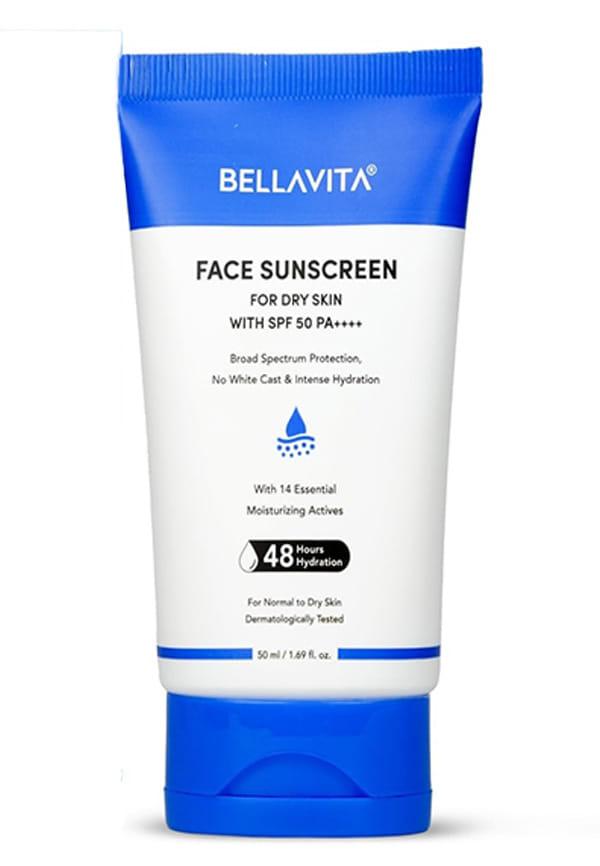
4.8|(50 ml)
Bella Vita
Sunscreen SPF 50 For Dry Skin
₹ 44947 % OFF
₹ 239
Reviews from genuine users
Good Service & Product
5
“very good sarvise and very good product thanks”
Zeba Chowdhury24 Apr 2026
Good for dry skin
4
“Bella Vita SPF 50 Sunscreen is Good for dry skin”
Sandeep Banerjee31 Jan 2026
Wonderful Finish, Nice Product
5
“wonderful finish nice product o”
Anu Vikas31 Dec 2025
Researchers are exploring oral supplements that could provide additional UV protection from the inside out. Whilst these won't replace topical sunscreen, they might offer supplementary protection for those at high risk of sun damage.
DNA Repair Enzymes in Sunscreen
Some advanced formulations now include enzymes that help repair UV-induced DNA damage in skin cells. These ingredients work to reverse existing damage whilst preventing new damage from occurring.
Customisable Sunscreens: Tailored Protection
Personalised sunscreen formulations based on your skin type, lifestyle, and local UV index are becoming reality. These bespoke products ensure you get exactly the right level and type of protection for your unique needs.
Frequently Asked Questions
How does sunscreen fit into a daily skincare routine?
Sunscreen should be the final step in your morning skincare routine, applied after cleansing, serums, and moisturiser but before makeup. It's your skin's daily shield against UV damage and premature ageing.
Can sunscreen replace my daily moisturiser?
Many modern sunscreens are formulated to provide hydration alongside protection. If your sunscreen contains moisturising ingredients and feels comfortable on your skin, it can indeed replace your morning moisturiser.
Are chemical sunscreens safe for sensitive skin?
Whilst chemical sunscreens are generally safe, those with very sensitive skin might prefer mineral formulations with zinc oxide or titanium dioxide. These physical blockers are less likely to cause irritation.
How do I choose the right sunscreen for my skin type?
Consider your skin's needs: oily skin benefits from lightweight, non-comedogenic formulas, whilst dry skin needs hydrating formulations. Sensitive skin typically responds well to mineral sunscreens. Don't forget to factor in your lifestyle and preferences.
Is a higher SPF always better?
Not necessarily. SPF 30-50 provides excellent protection when applied properly. Higher SPFs offer marginally better protection but can be heavier in texture. Proper application and regular reapplication matter more than chasing the highest SPF number.
Key Takeaways
Sunscreen has evolved from a simple sun protection product into a sophisticated skincare essential that multitasks like a pro. Whether you choose mineral, chemical, or hybrid formulations, the key is finding one you'll actually want to use daily. With innovations like tinted formulas, water-resistant options, and eco-friendly choices, there's truly a sunscreen for everyone. Remember, the best sunscreen is the one you'll apply consistently—your future self will thank you for making sun protection a non-negotiable part of your skincare routine.

 4
4