Expert Insights: Navigating Anti-Inflammatory Skincare


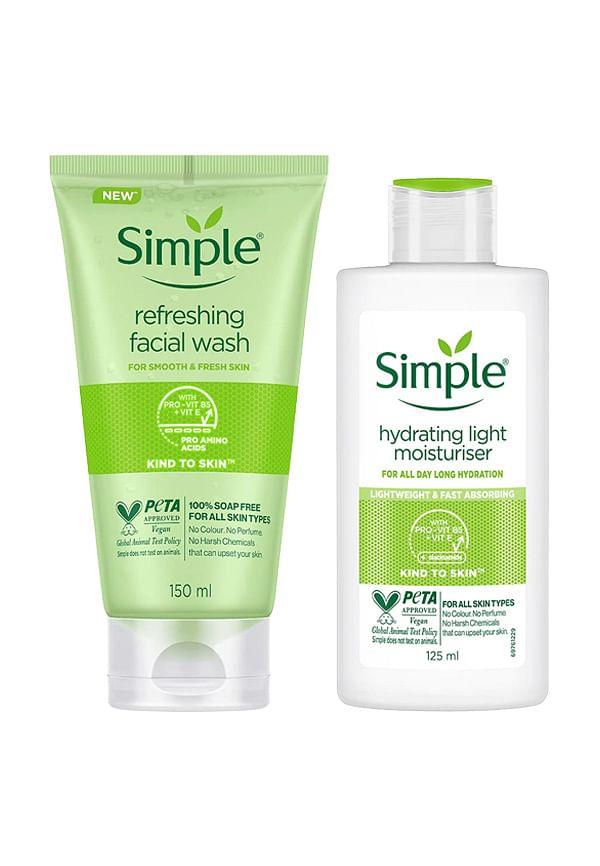
Sensitive Skin Essentials Combo
Great for Sensitive Skin
 5
5“Great product for sensitive skin”
Nice Face Wash & Moisturizer
5“nice face wash and nice moisturizer”
Nice Face Wash & Moisturizer
5“nice face wash and nice moisturizer”
Your skin's been acting up lately, hasn't it? That persistent redness, the stinging sensation when you apply your usual products, or maybe that annoying flare-up that just won't budge. If this sounds familiar, you're definitely not alone. Millions of people deal with inflamed, irritated skin daily, and finding the right anti-inflammatory skincare options can feel like searching for a needle in a haystack. But here's the thing—understanding what causes inflammation and knowing which ingredients actually work can transform your skincare game completely. Let's dive into the science-backed world of soothing skincare and discover how to give your skin the gentle care it deserves.
Anti-inflammatory skincare is essentially your skin's best friend when things go wrong. It focuses on calming irritation, reducing redness, and restoring your skin's natural barrier function. Think of it as the gentle mediator that steps in when your skin is having a proper meltdown.
Your skin can get inflamed for loads of reasons. Environmental factors like pollution, harsh weather, and UV exposure are major culprits. Then there's genetics—some people are just more prone to sensitive skin solutions being necessary. Lifestyle factors matter too: stress, poor sleep, and certain foods can all trigger flare-ups.
Real talk—your skin will tell you when it needs help. Look out for persistent redness, burning or stinging sensations, rough patches, or that tight feeling after cleansing. If your usual products suddenly start irritating you, that's your skin waving a red flag.
When your skin gets inflamed, it's basically your immune system going into overdrive. This damages your skin barrier, making it harder to retain moisture and easier for irritants to penetrate. Calming skin products work by interrupting this cycle and helping your barrier repair itself.
Not all ingredients are created equal when it comes to fighting inflammation. Some are absolute superstars, whilst others are just marketing fluff. Let's break down the ones that actually work.
Niacinamide is probably your best bet for redness relief skincare. It strengthens your skin barrier and reduces inflammation without any drama. Aloe vera is another winner—it's been soothing irritated skin for centuries, and science backs up why it works so well.
Natural anti-inflammatory skincare ingredients like green tea extract, chamomile, and licorice root can be incredibly effective. But don't write off synthetic options—sometimes lab-created ingredients are more stable and potent than their natural counterparts.
More isn't always better with anti-inflammatory ingredients. Niacinamide works brilliantly at 2-5%, whilst higher concentrations might actually irritate sensitive skin. Always start low and build up gradually.
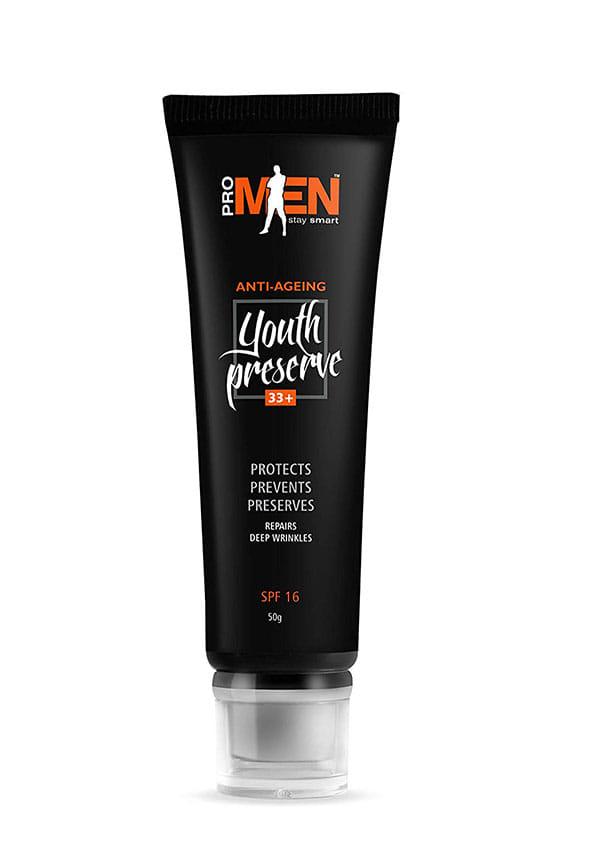
Antiageing Youth Preserve
Different skin conditions need different approaches. What works for general sensitivity might not cut it for more specific issues like rosacea or eczema.
Rosacea skincare requires extra gentle formulations. Look for products with azelaic acid, which reduces redness and has antimicrobial properties. Avoid anything with alcohol, menthol, or strong fragrances—these will only make things worse.
For eczema relief skincare, barrier repair is everything. Ceramides, hyaluronic acid, and colloidal oatmeal are your friends here. These ingredients help lock in moisture whilst calming inflammation.
Having acne doesn't mean you can't use gentle skincare. In fact, being too harsh often makes inflammation worse. Look for salicylic acid combined with soothing ingredients like centella asiatica.
Creating an effective routine isn't about having loads of products—it's about using the right ones in the right order. Simplicity often wins when your skin is already irritated.
Start with a gentle cleanser that won't strip your skin. Follow with a skin inflammation reducer like a niacinamide serum, then moisturiser and SPF. Keep it simple—your morning routine should protect and soothe, not overwhelm.
Evenings are for repair. Double cleanse if you wear makeup, then apply your irritated skin treatment products. This might be a calming serum or a barrier-repair moisturiser. Let each product absorb before applying the next.
When layering products, think thin to thick consistency. Water-based serums go first, followed by oils or heavier creams. Always wait a few minutes between layers to avoid pilling or irritation.
Sometimes your skin needs more help than what you can get from the high street. Knowing when to seek professional advice can save you months of trial and error.
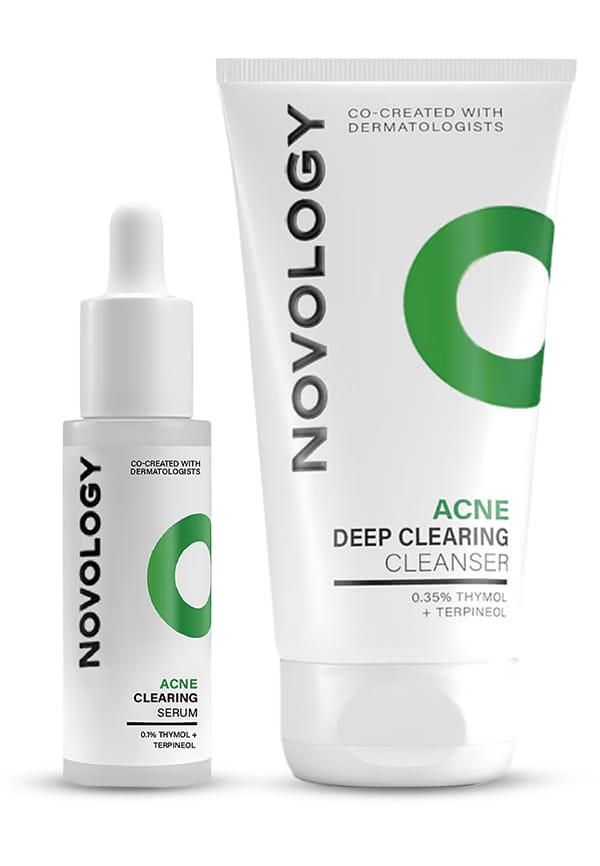
Anti-Acne Solution Combo
Effective for oily, acne-prone skin
5“Very effective for oily andacne prone skin”
If your inflammation persists despite using gentle skincare for several weeks, it's time to see a professional. They can prescribe stronger treatments or identify underlying conditions you might not be aware of.
Prescription treatments often contain higher concentrations of active ingredients. However, many over-the-counter options can be just as effective for mild to moderate inflammation, and they're much more accessible.
You don't need to spend a fortune on effective soothing skincare. Many affordable brands offer excellent anti-inflammatory products. The key is knowing which ingredients to look for rather than focusing on fancy packaging.
Natural doesn't automatically mean better, but some plant-based ingredients have impressive anti-inflammatory properties backed by solid research.
Chamomile, calendula, and centella asiatica are brilliant for calming skin products. These ingredients have been used traditionally for centuries and modern science confirms their effectiveness.
Whilst DIY treatments can be tempting, commercial formulations are usually safer and more effective. They're properly preserved, tested for stability, and contain optimal concentrations of active ingredients.
If you prefer clean beauty options, look for brands that focus on minimal, effective formulations. Avoid anything with long ingredient lists full of potential irritants.
Even with the best intentions, it's easy to make mistakes that can worsen inflammation. Here are the most common pitfalls and how to sidestep them completely.
When your skin is inflamed, your first instinct might be to scrub it clean. Don't. Over-exfoliation damages your skin barrier and makes inflammation worse. Stick to gentle chemical exfoliants used sparingly.
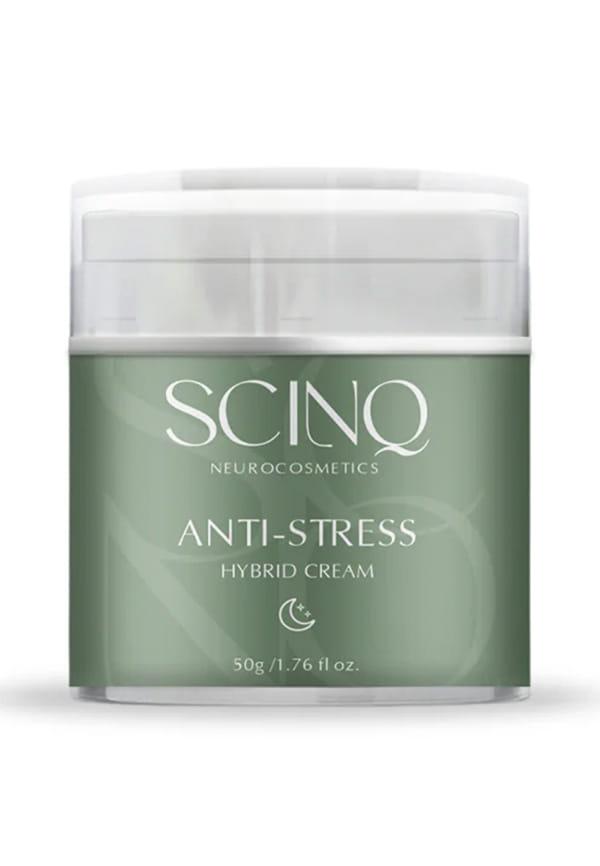
Anti Stress Hybrid Cream
Some ingredients don't play well together. Using retinoids with strong acids or mixing incompatible actives can cause irritation. When in doubt, introduce new products one at a time.
More products don't equal better results, especially with inflamed skin. Sometimes the best approach is to strip back to basics: gentle cleanser, simple moisturiser, and SPF.
Finding the right anti-inflammatory skincare options often involves some trial and error. That's where Smytten comes in handy—as India's largest product discovery platform, you can try mini-sized versions of over 1,500 trusted brands before committing to full-size purchases. With trial packs available for just ₹249 and 100% cashback on your purchase, you can explore different sensitive skin solutions without the financial risk of buying products that might not work for your skin.
Niacinamide is often considered the gold standard for anti-inflammatory skincare. It's gentle, effective, and suitable for most skin types. It reduces redness, strengthens the skin barrier, and plays well with other ingredients.
For immediate relief, try a cold compress followed by a simple aloe vera gel or a product containing centella asiatica. Avoid anything with fragrance, alcohol, or strong actives until the inflammation calms down.
You might notice some immediate soothing effects, but real improvement typically takes 4-6 weeks of consistent use. Patience is key—rushing the process often leads to more irritation.
Yes, but introduce them carefully. Use anti-inflammatory products on alternate nights to retinoids, or apply them in the morning whilst using retinoids at night. Always listen to your skin.
Not necessarily. Many affordable products contain the same effective ingredients as luxury options. Focus on the ingredient list rather than the price tag—sometimes simple formulations work better than complex, expensive ones.
Calming products provide immediate comfort and relief, whilst anti-inflammatory products work at a deeper level to reduce inflammation over time. The best products often do both.
Navigating anti-inflammatory skincare doesn't have to be overwhelming. Start with understanding your skin's specific needs, choose science-backed ingredients like niacinamide and aloe vera, and build a simple routine that prioritises gentleness over complexity. Remember that consistency beats intensity every time—your skin responds better to gentle, regular care than harsh, sporadic treatments.
The beauty of modern skincare is that you don't have to guess what works for your skin. With platforms like Smytten, you can discover and trial products from trusted brands across 27,000+ pincodes, making it easier than ever to find your perfect anti-inflammatory skincare options. Whether you're dealing with rosacea, eczema, or general sensitivity, the right products are out there—and now you know exactly what to look for.
