Expert Insights: Hydrating Serums for Radiant Skin
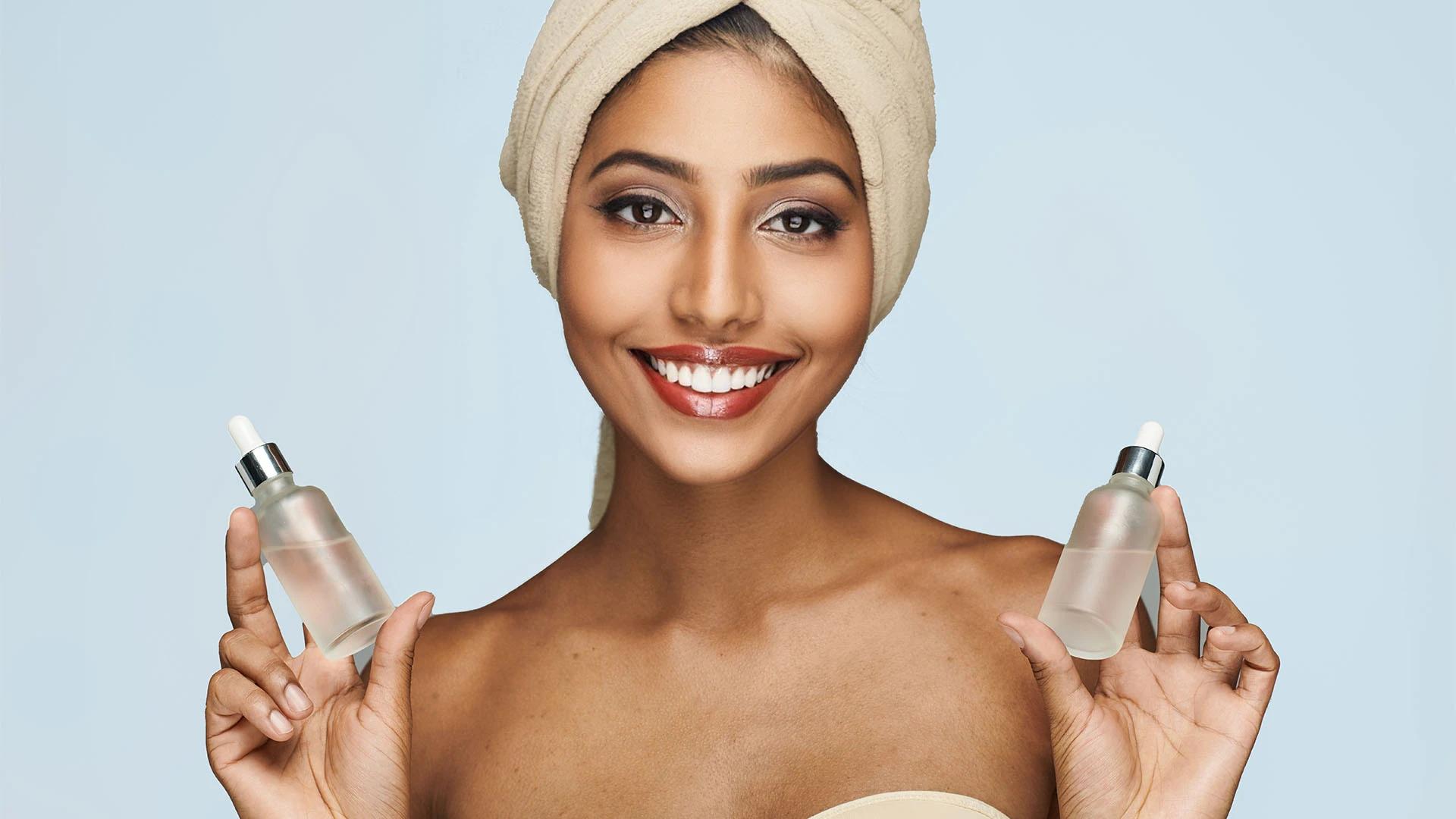

Let's be real—finding the best hydrating face serum can feel like searching for a needle in a haystack. With shelves packed with promises of dewy, plump skin, how do you know which one's actually worth your time? Here's the thing: your skin loses up to 25% of its moisture throughout the day, and that regular moisturiser you've been relying on? It might not be cutting it anymore. The secret lies in understanding what makes a truly effective face serum for dry skin different from everything else. This guide breaks down the science, cuts through the marketing fluff, and gives you the real insights you need to make a choice that actually works for your skin.
Think of serums as the overachievers of skincare. While moisturisers sit on your skin's surface doing their thing, serums dive deeper with their lightweight, concentrated formulas. The molecular structure of a quality skin hydration serum is specifically designed to penetrate multiple layers of your skin, delivering active ingredients where they're needed most.
The magic lies in the molecular weight and concentration. Serums contain smaller molecules that can slip between skin cells, carrying up to 10 times more active ingredients than your average moisturiser. This means faster absorption and more targeted results. When layered correctly, serums create a foundation that actually helps your moisturiser work better too. It's like prepping your skin to receive and hold onto hydration more effectively.
Immediate hydration is just the beginning. Quality serums work on multiple levels—they provide instant moisture relief while simultaneously repairing your skin's natural barrier function. This dual action means you're not just treating symptoms; you're addressing the root cause of dehydration. The anti-aging serum benefits come as a bonus. Well-hydrated skin naturally appears plumper and more youthful, with fine lines becoming less noticeable as your skin cells fill with moisture.
Here's where it gets interesting. Effective serums use three types of ingredients: humectants that draw moisture from the environment, emollients that smooth and soften, and occlusives that lock everything in. This triple-action approach ensures your skin stays hydrated for hours, not just minutes. Clinical studies show that consistent use of quality hydrating serums can improve skin moisture levels by up to 40% within just two weeks.
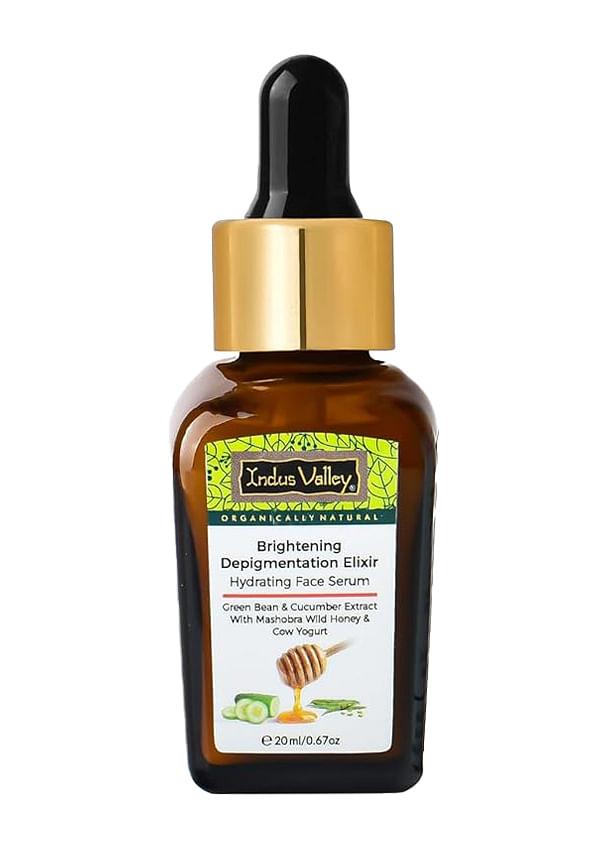
Brightening Depigmentation Elixir Hydrating Face Serum
Effective for Even Skin Tone
 5
5“this is my second order .I use it with indusvalley depigmentation gel.It actually works and my skin tone has got even toned and fair”
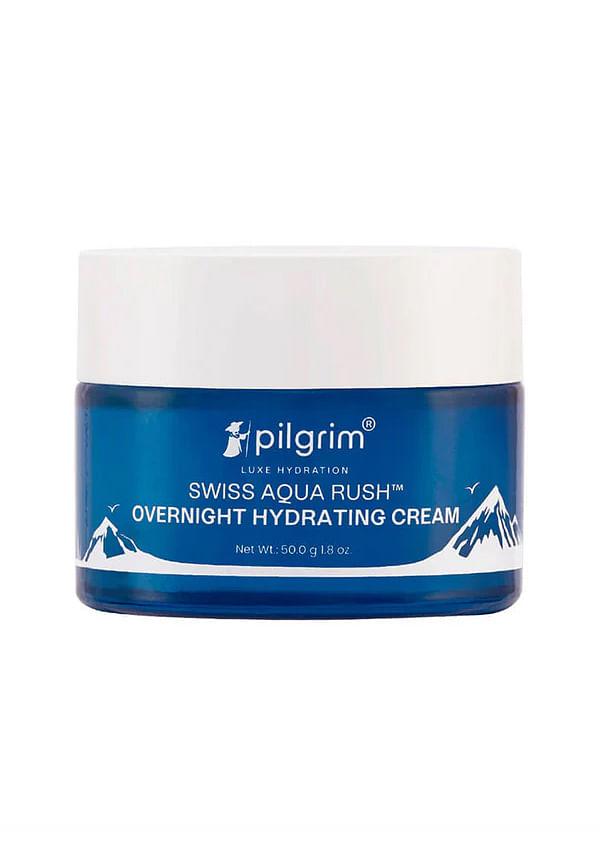
Swiss Aqua Rush Overnight Hydrating Face Cream
Not all ingredients are created equal, and understanding what to look for can save you from countless disappointing purchases. The most effective formulations combine proven hydrators with skin-supporting compounds that work synergistically.
Hyaluronic acid isn't just trendy—it's genuinely transformative. This powerhouse ingredient can hold up to 1,000 times its weight in water, making it the ultimate hydration magnet. But here's what most people don't know: the molecular weight matters enormously. Low molecular weight hyaluronic acid penetrates deeper into skin layers, while high molecular weight creates a moisture barrier on the surface. The best formulations use both for comprehensive hydration that works immediately and builds over time.
Glycerin might sound basic, but it's actually one of the most effective humectants available. It draws moisture from the air and deeper skin layers, creating a continuous hydration cycle. Ceramides deserve special mention for their barrier-restoring properties. These lipid molecules help rebuild your skin's natural protective layer, preventing moisture loss and improving overall skin health. Peptides add the skin plumping serum effect by signalling your skin to produce more collagen and elastin, creating that coveted bouncy, youthful texture.
Modern formulations use encapsulated delivery systems that release ingredients slowly throughout the day. This time-release technology means your skin gets steady hydration rather than a quick hit that fades. Biocompatible alternatives to synthetic ingredients are becoming increasingly sophisticated, offering natural options that perform just as well as their lab-created counterparts.
Your skin type isn't just about oil production—it's about how your skin responds to different formulations and ingredients. What works brilliantly for your mate might leave your skin feeling tight or greasy.
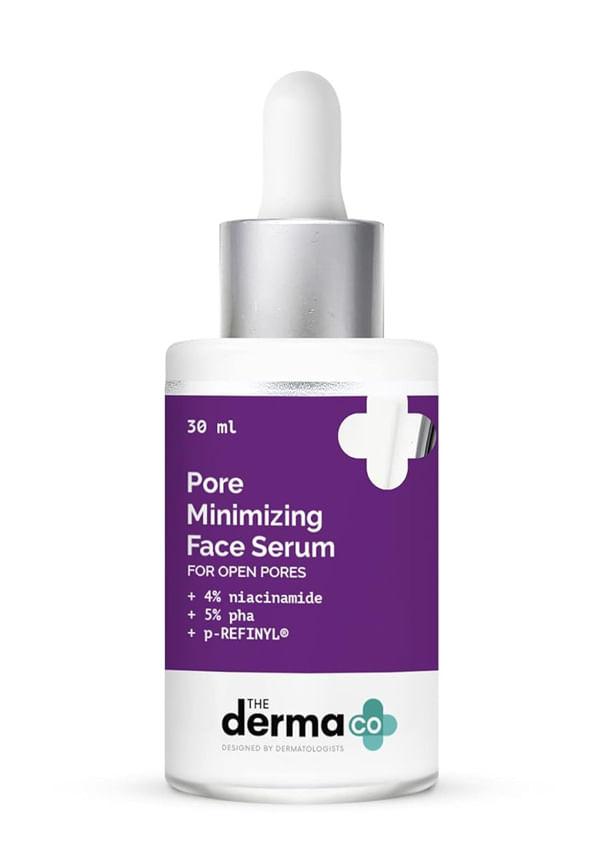
Pore Minimizing Face Serum
Anticipates Product Effectiveness
4“Surely it gonna work well derma co”
Anticipates Product Effectiveness
4“Surely it gonna work well derma co”
Anticipates Product Effectiveness
4“Surely it gonna work well derma co”
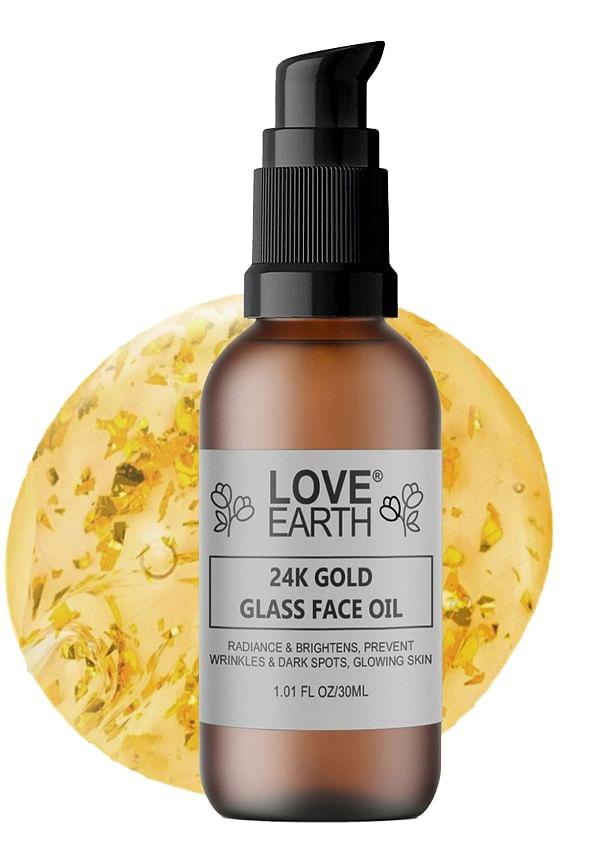
24K Gold Glass Face Oil
Very Nice, Glass Look
5“very nice product leaves a glass like look”
Light & Glowing
5“very light on skin... gives a nice glow”
Great Value and Quality
5“good quality, vallue for money.”
Dry skin craves rich, nourishing formulations with heavier molecular weight ingredients. Look for serums that combine hyaluronic acid with nourishing oils or ceramides. These formulations provide immediate relief while working to repair your skin's moisture barrier. Oil-based serums can be particularly effective for very dry skin, as they provide both hydration and occlusion to prevent moisture loss.
Oily skin still needs hydration—it just needs the right type. Lightweight, water-based formulations with low molecular weight hyaluronic acid provide hydration without heaviness. Niacinamide combined with hydrating ingredients can help balance oil production while ensuring your skin stays properly moisturised. This prevents the overproduction of oil that often happens when skin is dehydrated.
As we age, our hydration needs change. Mature skin benefits from serums that combine moisture with collagen-supporting ingredients like peptides and vitamin C. The key is finding formulations that work well with other anti-aging ingredients you might be using, like retinol or AHAs.
Even the best serum won't work if you're not applying it correctly. The order, timing, and technique all matter more than you might think.
Always apply serums to clean, slightly damp skin. The residual moisture helps with absorption and prevents the serum from sitting on the surface. Use gentle patting motions rather than rubbing, and give each layer time to absorb before applying the next product. The general rule is thinnest to thickest consistency, so your hydrating serum goes on before moisturiser and SPF.
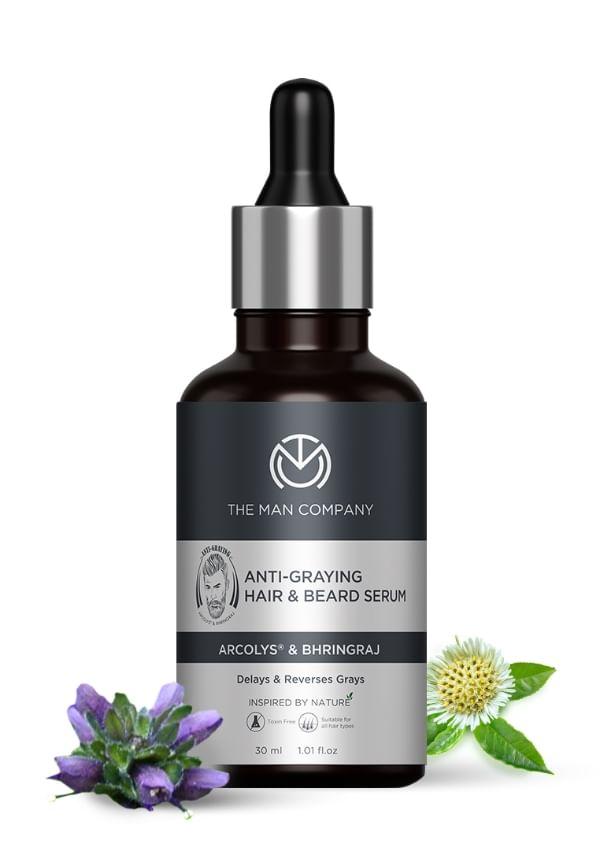
Anti-Graying Serum
Highly Recommended Product
5“best product ,must be try , worth it”
Positive Face Product
5“nice product for face and leaves a good impact”
Awesome Product
5“it's awesome 💯💯💯💯💯💯💯💯💯💯”
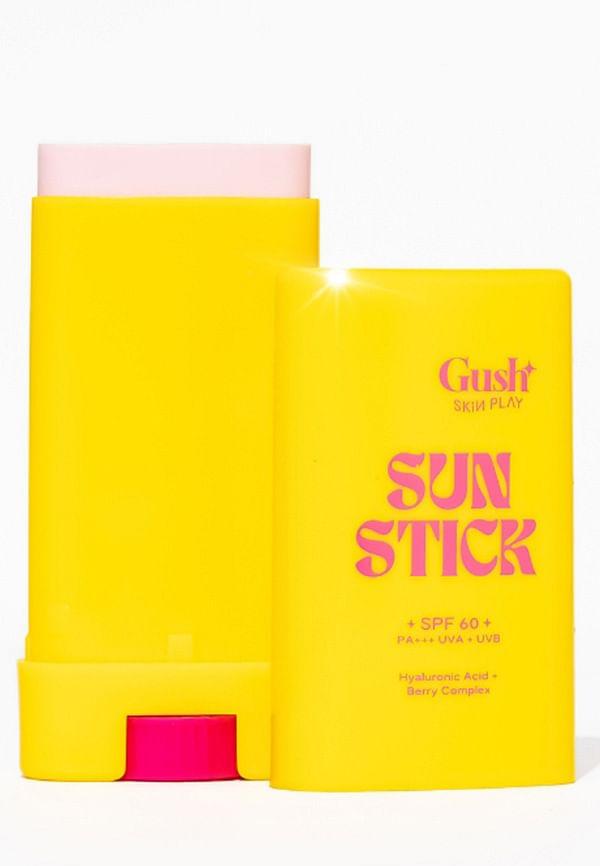
Sunstick Serum
Loved it, cute & no white cast
4“I loved it.it looks cute & no white cast”
Effective Product
5“very nice. the product is very effective”
More isn't always better. Using too much serum can actually prevent proper absorption and may cause pilling when you apply other products on top. Timing matters too—applying serums immediately after cleansing, when your skin is still slightly damp, maximises absorption and effectiveness.
Slightly warm skin absorbs products better, so applying serums after a warm shower or using gentle facial massage can improve results. Environmental factors like humidity and temperature affect how well your serum works, so you might need to adjust your routine seasonally.
Knowing what to expect and when can help you stick with a routine long enough to see real results. Hydration improvements happen in stages, and understanding this timeline prevents premature product switching.
Within the first week, you should notice immediate hydration and improved skin texture. Your skin might feel softer and look less dull. By the one-month mark, you should see noticeable improvements in plumpness and fine lines. This is when the deeper hydration and barrier repair really start showing. After three months of consistent use, your skin's overall health and resilience should be significantly improved, with lasting hydration that doesn't depend entirely on product application.
If your skin feels tight or looks dull despite regular use, your serum might not be right for your skin type or current needs. Persistent flakiness or irritation are also red flags. Seasonal changes often require routine adjustments—what works in summer might not be enough for winter's harsh conditions.
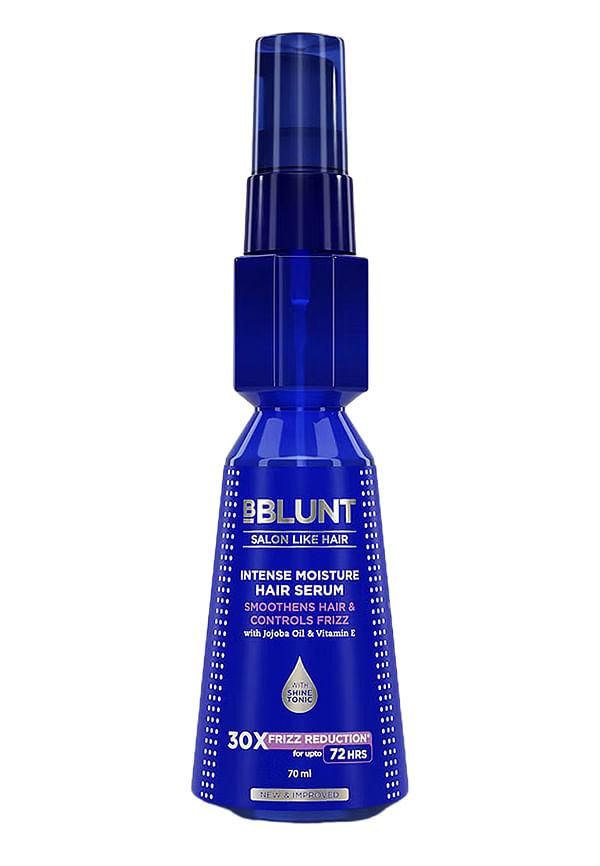
Intense Moisture Hair Serum
Good Product, Must Try
4“Good product must be try once ”
Very Nice, Must Try
5“very nice.. liked it... must try”
So Good, Try This!
5“so good try this product definitely”
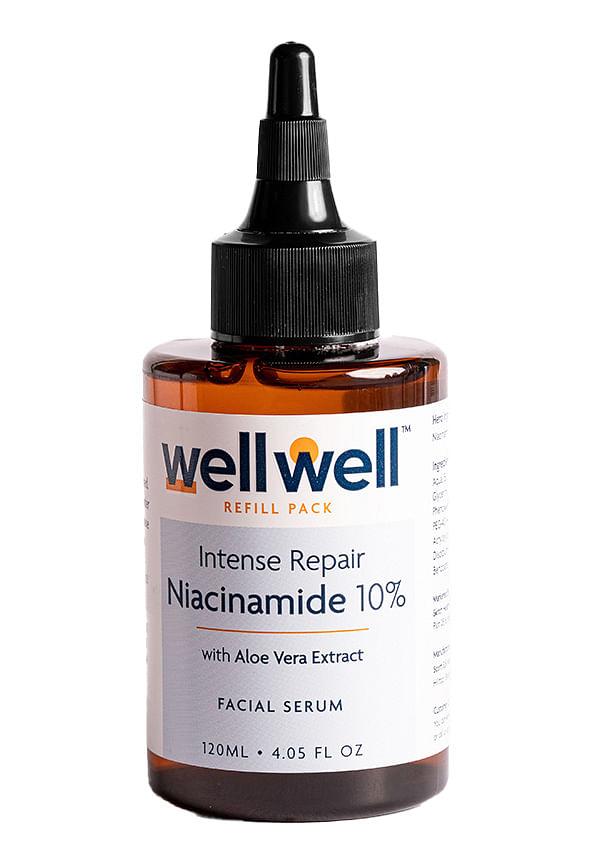
Niacinamide 10% Serum
Consistent use is key, but lifestyle factors matter too. Staying hydrated, using a humidifier, and protecting your skin from environmental stressors all support your serum's effectiveness. With platforms like Smytten, you can try different formulations through curated trial packs before committing to full-size purchases. This approach lets you discover what works best for your skin without the risk of wasting money on products that don't suit you. Smytten's trial system means you can explore various natural hydrating serum options and find your perfect match through their extensive range of trusted skincare brands.
Serums have smaller molecular structures and higher concentrations of active ingredients, allowing them to penetrate deeper into skin layers. They're designed to deliver targeted hydration at the cellular level, while moisturisers primarily work on the surface.
Most hydrating serums can be used twice daily—morning and evening. Start with once daily to see how your skin responds, then increase frequency if needed. Consistency matters more than frequency for long-term results.
Yes, but apply them from thinnest to thickest consistency and allow each layer to absorb before applying the next. Limit yourself to 2-3 serums to avoid overwhelming your skin or causing product interactions.
Dry skin lacks oil production, while dehydrated skin lacks water. Dehydrated skin can affect any skin type, including oily skin. Hydrating serums address dehydration, while dry skin may also need oil-based products.
Immediate hydration effects are visible within hours, but significant improvements in skin texture and plumpness typically appear after 2-4 weeks of consistent use. Long-term barrier repair and anti-aging benefits develop over 2-3 months.
Choosing the right hydrating serum isn't about following trends—it's about understanding your skin's specific needs and finding formulations that address them effectively. The best hydrating face serum for you combines proven ingredients with a texture and concentration that works with your skin type and lifestyle. Remember that consistency trumps perfection. A good serum used regularly will always outperform an expensive one used sporadically. Take time to understand how your skin responds, and don't be afraid to adjust your routine as your needs change. The beauty of modern skincare discovery is that you don't have to guess what might work. Through trial-sized options, you can test different formulations and find what truly makes your skin feel its best. After all, why settle for maybe when you can find what actually works?
