Expert Insights: Choosing the Best Face Wash for Dry Skin


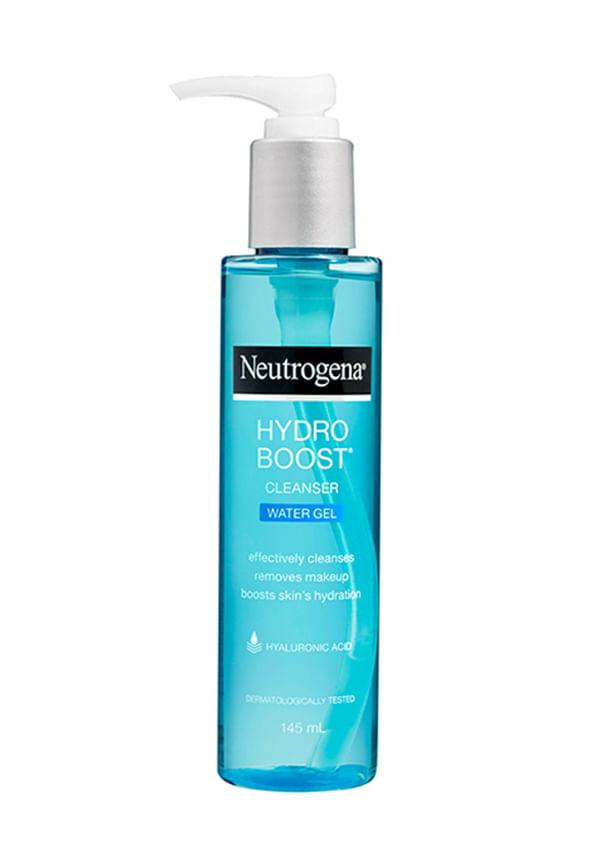
Hydro Boost Cleanser Water Gel With Hyaluronic Acid
Good for all skin types
 5
5“This is very good for all skin types”
Cleanser for Freshness
5“Hydrating cleanser makes my face feel fresh”
Positive product impression
5“nice product i ever seen ,hope my skin glows”
Let's be real—finding the best face wash for dry skin can feel like searching for a needle in a haystack. Your skin feels tight after cleansing, looks dull, and sometimes even flakes. Sound familiar? You're not alone. Dry skin affects millions, and the wrong cleanser can turn your skincare routine into a daily struggle. The good news? With the right knowledge and approach, you can transform your cleansing game. Whether you're dealing with occasional dryness or chronic dehydration, understanding what makes a face wash for dry skin truly effective is your first step towards healthier, happier skin. Ready to discover what actually works?
Your skin barrier is like a protective wall that keeps moisture in and irritants out. When this barrier is compromised, you get that familiar tight, uncomfortable feeling. Choosing the wrong cleanser is like taking a sledgehammer to an already fragile wall.
Spotting dry skin isn't always obvious. Sure, flaking and tightness are dead giveaways, but there are subtler signs too. Your skin might feel rough to the touch, look dull even with good lighting, or develop fine lines that seem to appear overnight. Sometimes dry skin masquerades as sensitivity—redness, stinging, or irritation after using products that work fine for others.
Harsh cleansers strip away your skin's natural oils faster than you can say "squeaky clean." Those sulfates that create luxurious foam? They're often too aggressive for dry skin types. When you over-cleanse, your skin goes into panic mode, either producing less oil (making dryness worse) or overcompensating with excess sebum that confuses your entire routine.
Your skin barrier is made up of lipids, ceramides, and natural moisturising factors. Think of it as mortar between bricks. When this "mortar" is damaged, water escapes and irritants get in. A gentle cleanser for dry skin should clean without disrupting this delicate balance. The ideal pH sits between 5.5 and 6.5—slightly acidic to maintain your skin's natural protective acid mantle.
Not all ingredients are created equal when it comes to dry skin. Some are absolute heroes, while others should be avoided at all costs. Let's break down what your skin actually craves.
Hyaluronic acid is the superstar here—it can hold up to 1,000 times its weight in water. Glycerin is another winner, drawing moisture from the environment into your skin. Ceramides deserve a special mention too; they're naturally found in your skin and help repair that crucial barrier function. Look for these ingredients in your moisturising face wash for maximum hydration benefits.
Sodium lauryl sulfate (SLS) might create satisfying bubbles, but it's too harsh for dry skin. Instead, seek out gentler alternatives like coco-glucoside, decyl glucoside, or sodium cocoyl isethionate. These clean effectively without stripping your skin's natural oils. A good non-drying face wash will use these milder surfactants.
Jojoba oil, squalane, and ceramides can transform a basic cleanser into a nourishing treatment. Botanical extracts like chamomile, aloe vera, and oat extract provide soothing benefits. These ingredients help your dry skin face cleanser do double duty—cleaning while caring for your skin's needs.
Your skin's natural pH is slightly acidic, around 5.5. Cleansers that are too alkaline (high pH) can disrupt this balance, leading to increased dryness and sensitivity. Always check that your chosen product maintains this optimal pH range.
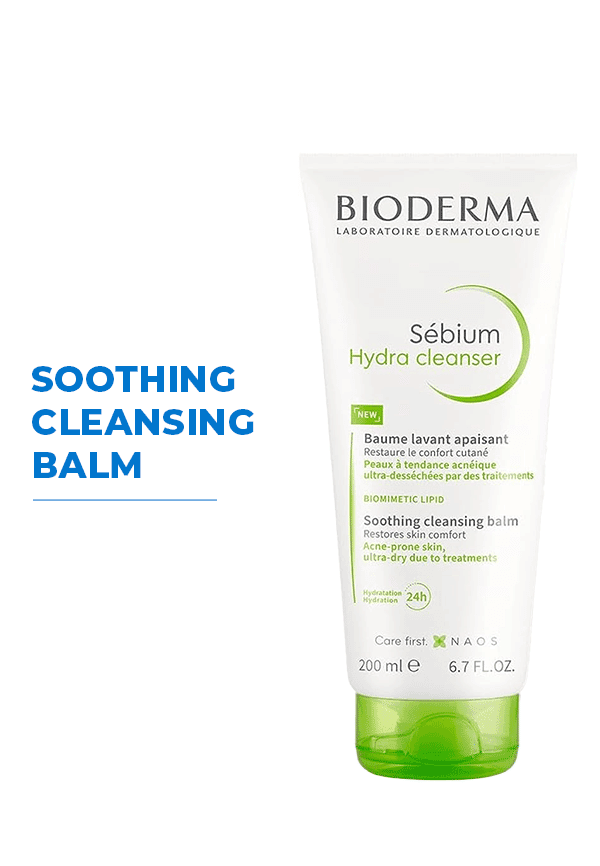
Sebium Hydra Cleanser
Texture matters when you're dealing with dry skin. The right formulation can make the difference between skin that feels comfortable all day and skin that's crying for moisture by lunchtime.
A creamy face wash is typically your best bet for dry skin. These formulations contain more emollients and fewer harsh detergents. They cleanse gently while leaving a thin, protective layer on your skin. Gel cleansers, while refreshing, often contain higher concentrations of surfactants that can be too stripping for dry skin types.
Foam doesn't equal clean—it's just marketing magic. Non-foaming cleansers are usually gentler and more hydrating. If you can't give up that satisfying lather, look for low-foam options that create minimal bubbles while still providing effective cleansing.
Oil cleansers work on the principle that like dissolves like. They remove makeup, sunscreen, and daily grime while nourishing your skin. Cleansing balms offer similar benefits in a more solid form that melts upon contact with skin. Both are excellent options for a hydrating face wash routine.
Micellar water contains tiny oil molecules suspended in water that attract dirt and makeup like magnets. It's incredibly gentle, making it perfect for face wash for sensitive dry skin. No rinsing required, which means less water contact and potential irritation.
Not all dry skin is the same. Your specific concerns and skin type will determine which category of cleanser works best for your unique needs.
If your skin reacts to everything, look for cleansers with minimal ingredients lists. Fragrance-free, hypoallergenic formulas are your friends. The best cleanser for dry skin that's also sensitive often contains soothing ingredients like colloidal oatmeal or thermal spring water.
As we age, our skin produces less oil naturally. Mature dry skin benefits from cleansers with anti-ageing ingredients like peptides, antioxidants, and gentle AHAs. These moisturising face wash options clean while addressing signs of ageing.
Some people have dry skin with occasional breakouts or sensitivity. Look for cleansers that balance gentle cleansing with mild clarifying ingredients like salicylic acid in low concentrations.
Your everyday non-drying face wash should be gentle enough for twice-daily use without causing irritation or tightness. These formulas focus on maintaining your skin's natural balance rather than deep cleansing.
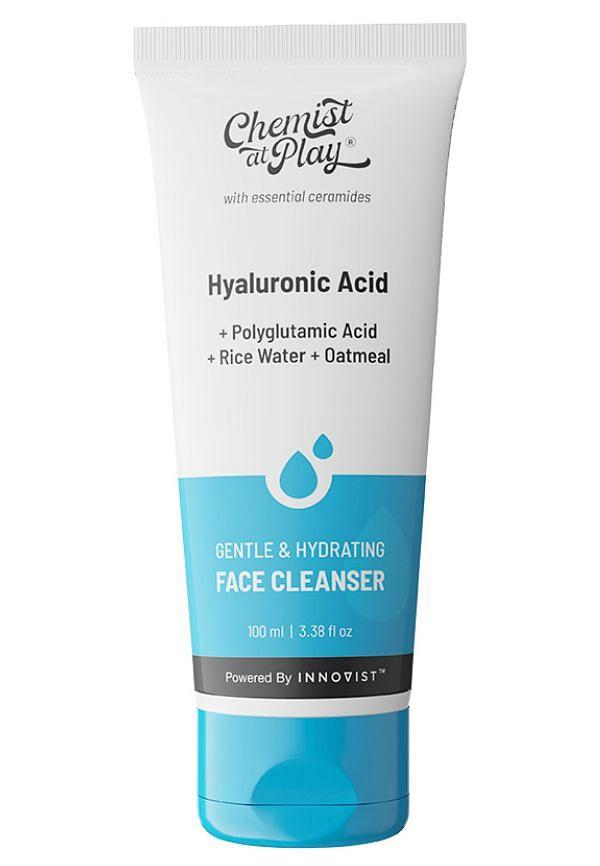
Gentle & Hydrating Face Cleanser | Hydrates Dull & Dry Skin
Best Gentle Cleanser for Dry Skin
5“best for dry skin , best gentle cleanser I had ever”
Loved the product, highly recommended
5“I love this product highly recommended buy this product”
Excellent Hydration
5“very nice to use and hydrates very well”
Great skincare doesn't have to break the bank. There are effective options across all price ranges—you just need to know what to look for.
Some of the most effective dry skin cleansers come with surprisingly affordable price tags. Look for simple formulations with proven ingredients like glycerin and ceramides. Drugstore brands often offer excellent value without compromising on quality.
This price range often offers the sweet spot of quality and affordability. You'll find cleansers with more sophisticated ingredient combinations and better textures. Many dermatologist-recommended brands fall into this category.
High-end cleansers often feature cutting-edge ingredients, luxurious textures, and extensive research backing. While not necessary for everyone, they can be worth the investment if you have specific concerns or prefer premium formulations.
Calculate cost per use rather than just looking at the upfront price. A slightly more expensive cleanser that lasts longer or works better might actually be more economical. Consider the long-term benefits to your skin health as well.
Even the best product won't work if you're using it incorrectly. Proper technique can maximise your cleanser's benefits and prevent unnecessary irritation.
Start with lukewarm water—hot water strips natural oils. Apply your cleanser to damp skin using gentle, circular motions. Spend about 30-60 seconds massaging, then rinse thoroughly with cool water. Pat dry with a clean towel—never rub.
Most people with dry skin do well with cleansing twice daily—morning and evening. However, if your skin is extremely dry or sensitive, you might benefit from water-only cleansing in the morning and using your best face wash for dry skin only at night.
The three-minute rule is crucial—apply your moisturiser within three minutes of cleansing while your skin is still slightly damp. This helps lock in hydration and prevents that tight feeling.
Over-cleansing is the biggest mistake people make. More isn't better when it comes to dry skin. Also, avoid using makeup wipes as your primary cleanser—they're too harsh for daily use.
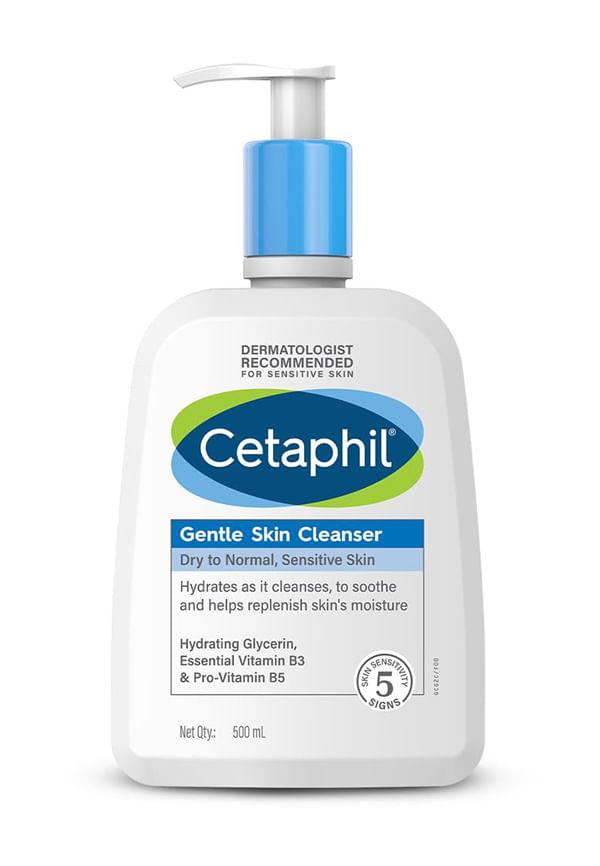
Gentle Skin Cleanser
Nice Original Product
5“nice product also a original Love it”
Best Cleanser
4“Best cleanser❤️👏🏼………………………………….❤️”
Nice Product, Worth It
4“nice product I like it and it's worth it”
Skincare isn't one-size-fits-all, and your routine might need tweaking based on various factors. Here's how to get the most from your chosen cleanser.
Your skin's needs change with the weather. Winter might require a richer, more nourishing cleanser, while summer could allow for slightly lighter formulations. Pay attention to how your skin responds to environmental changes.
If you're using active ingredients like retinoids or AHAs, your cleanser should be extra gentle to avoid over-irritation. Consider using a more basic, soothing formula on nights when you apply treatments.
If your skin doesn't improve after 4-6 weeks of consistent use, it might be time to try something different. Persistent dryness, irritation, or worsening condition warrants a dermatologist consultation.
Consistency is key. Stick with products that work rather than constantly switching. Your skin needs time to adapt and show improvement. Document your skin's response to help identify patterns and preferences. When exploring different options, platforms like Smytten make it easier to discover what works for your skin without the commitment of full-size purchases. With curated trial packs from trusted skincare brands, you can test various formulations to find your perfect match. This approach helps you make smarter, more confident choices about your skincare routine.
Most people with dry skin benefit from cleansing twice daily—morning and evening. However, if your skin is extremely dry, you might do better with water-only cleansing in the morning and using a gentle cleanser only at night.
While consistency is important, your skin's needs can change with seasons. You might need a richer, more nourishing cleanser in winter and a lighter formula in summer. Pay attention to how your skin responds to environmental changes.
Dry skin lacks oil and needs gentle, nourishing cleansers with emollients. Dehydrated skin lacks water and benefits from humectant-rich formulas that attract and retain moisture. Some people have both conditions simultaneously.
Not necessarily. While many foaming cleansers are too harsh, some gentle, low-foam options work well for dry skin. Look for sulfate-free formulas with mild surfactants and hydrating ingredients.
Signs include tightness immediately after cleansing, increased flaking, redness, stinging, or your skin feeling "squeaky clean." Your skin should feel comfortable and soft after cleansing, not stripped or irritated.
Choosing the right face wash for dry skin isn't about finding the most expensive or trending product—it's about understanding your skin's unique needs and finding formulations that support rather than strip your natural barrier. Focus on gentle, pH-balanced cleansers with hydrating ingredients like glycerin, hyaluronic acid, and ceramides. Remember that proper technique matters just as much as product choice. Gentle application, lukewarm water, and immediate moisturising can transform even a basic cleanser into an effective part of your routine. Don't be afraid to adjust your approach seasonally or as your skin's needs change. The journey to finding your perfect cleanser might involve some trial and error, but that's completely normal. Your skin is unique, and what works for others might not work for you. With platforms offering trial-sized products, you can explore different options without committing to full sizes, making the discovery process both affordable and exciting. After all, why settle for 'maybe' when you can find what truly works for your skin?
