Evidence-Based Skincare Ingredients for Indian Women: FAQ


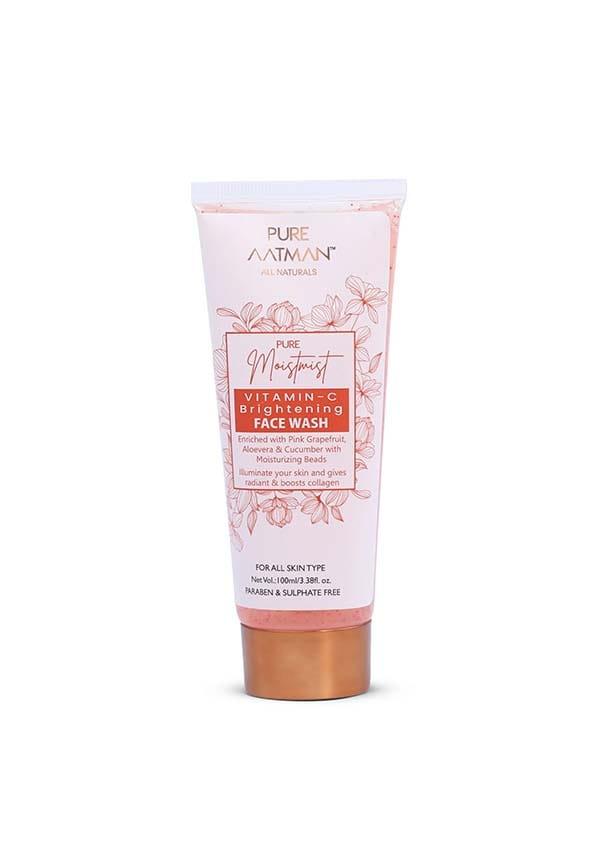
vitamin -C for women girls men bright glowing skin with Natural Vitamin- C
Ever wondered why your friend's skincare routine works wonders for her but leaves your skin feeling irritated or unchanged? The answer often lies in choosing ingredients backed by solid science rather than following trends. For Indian women navigating everything from monsoon humidity to urban pollution, understanding which skincare ingredients actually work—and have the research to prove it—can transform your skin journey from guesswork to genuine results.
Indian skin comes with its own set of beautiful characteristics and specific needs that deserve targeted care. Higher melanin content provides natural UV protection but also means different responses to skincare ingredients compared to lighter skin tones.
The higher melanin content in Indian skin offers built-in sun protection—roughly equivalent to SPF 13. However, this same melanin can lead to post-inflammatory hyperpigmentation (PIH) when skin experiences trauma from acne, scratches, or harsh treatments. The good news? Indian skin typically shows fewer signs of premature ageing like fine lines and wrinkles, though hyperpigmentation and uneven tone become primary concerns instead.
Research shows that Indian women most frequently deal with hyperpigmentation, uneven skin tone, acne scarring, and melasma. Urban environments add another layer of complexity with pollution-induced dullness and premature ageing. These concerns require specific ingredients that work gently yet effectively on melanin-rich skin without causing irritation or worsening pigmentation.
India's diverse climate zones—from humid coastal areas to dry northern plains—mean your skincare needs shift dramatically based on location and season. Monsoon humidity can trigger fungal acne, whilst winter dryness calls for barrier repair ingredients. Urban pollution creates free radical damage that requires robust antioxidant protection.
These ingredients have extensive clinical research proving their effectiveness, particularly for concerns common in Indian skin types. Each has been studied in diverse populations and shown consistent results.
Over 100 clinical studies support vitamin C as a powerhouse for brightening and protection. For Indian skin, it's particularly effective at reducing hyperpigmentation and providing antioxidant defence against pollution. L-ascorbic acid offers the most potent results, but derivatives like magnesium ascorbyl phosphate and sodium ascorbyl phosphate work better for sensitive skin. Start with 10-15% concentration in the morning, always followed by SPF.
With 96+ clinical studies backing its efficacy, niacinamide is ideal for combination and oily Indian skin types. It reduces oil production by up to 35%, minimises pore appearance, and strengthens the skin barrier. The 5% concentration works well for most skin types, though sensitive skin can start with 2%. Real talk: this ingredient plays well with almost everything else in your routine.
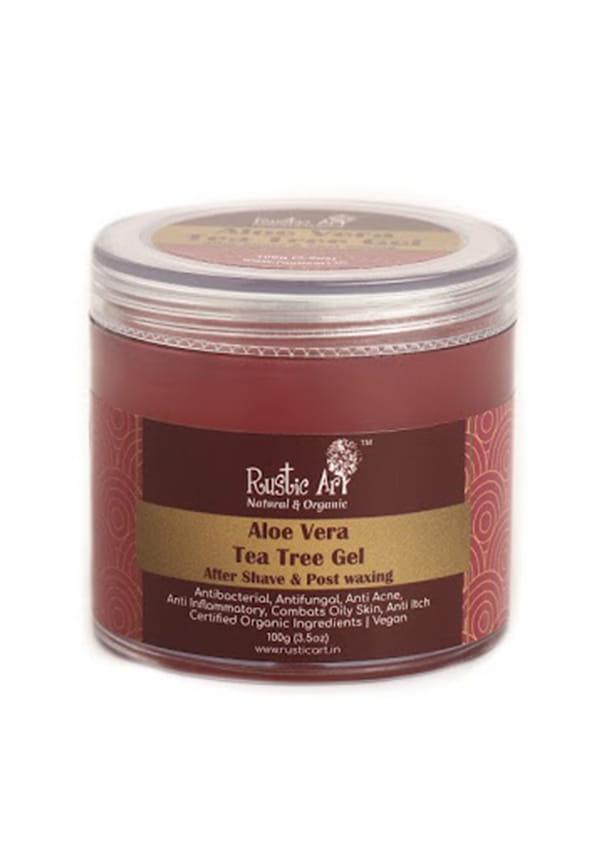
Aloe Vera Tea Tree Gel
Retinoids remain the gold standard for anti-ageing and acne treatment, backed by over 50 years of research. For Indian skin, start slowly—twice weekly for the first month—to avoid irritation that could trigger PIH. Adapalene (available over-the-counter) is gentler than tretinoin but equally effective for acne. Always use at night and never skip SPF the next morning.
Glycolic acid penetrates deepest but can be harsh on sensitive Indian skin. Lactic acid offers gentler exfoliation whilst mandelic acid is specifically recommended for darker skin tones due to its larger molecular size and reduced irritation risk. Clinical studies show significant improvement in hyperpigmentation within 8-12 weeks of consistent use.
Peptides are having a moment in 2026, and for good reason. Clinical research shows palmitoyl pentapeptide stimulates collagen production without the irritation potential of retinoids. Copper peptides additionally help with wound healing—particularly beneficial for acne-prone Indian skin. They work beautifully for those who find retinoids too harsh.
This emerging ingredient shows remarkable results for stubborn melasma and hyperpigmentation in clinical trials. Tranexamic acid works by inhibiting melanin production and is particularly effective for Indian skin concerns. Studies show 2-3% concentration can significantly reduce pigmentation when used consistently for 12 weeks.
Essential for maintaining skin barrier health in India's varying climate conditions. Hyaluronic acid can hold 1000 times its weight in water, whilst ceramides repair and strengthen the skin barrier. Different molecular weights of hyaluronic acid provide hydration at various skin levels—low molecular weight penetrates deeper, whilst high molecular weight provides surface hydration.
Building an effective routine means layering these proven ingredients strategically. The key is consistency and patience—most clinical studies show results after 8-12 weeks of regular use.
Start with a gentle cleanser that doesn't strip your skin barrier. Apply vitamin C serum on clean skin, followed by niacinamide if your skin tolerates both. Always finish with broad-spectrum SPF 30 or higher—this step is non-negotiable for preventing further pigmentation. Your morning routine should focus on protection and antioxidant defence.
Double cleansing removes pollution and sunscreen effectively. This is when you introduce your active ingredients—retinoids three times weekly, AHAs twice weekly, alternating nights. Follow with hydrating serums containing hyaluronic acid and a moisturiser with ceramides. Never layer multiple actives on the same night initially.
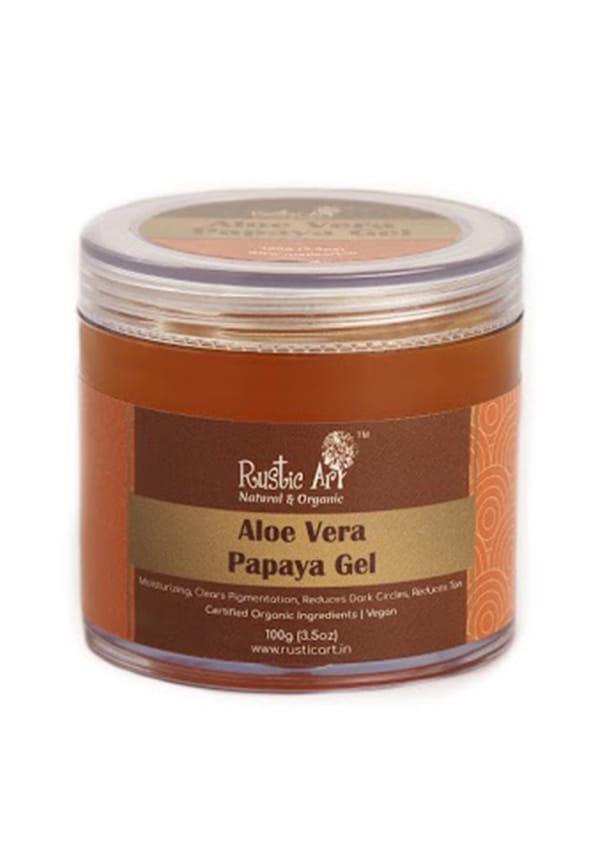
Aloe Vera Papaya Gel
Monday and Thursday: Retinoid, Tuesday and Saturday: AHA, Wednesday and Friday: Hydrating treatments with peptides, Sunday: Gentle recovery with niacinamide and ceramides. This schedule prevents over-exfoliation whilst ensuring consistent active ingredient exposure.
Different concerns require targeted approaches using these proven ingredients. Understanding which combinations work best can accelerate your results safely.
The most effective approach combines vitamin C (morning), tranexamic acid (can be used twice daily), and retinoids (evening). Clinical studies show this combination can reduce pigmentation by 40-60% over 16 weeks. Mandelic acid works particularly well for Indian skin as it's less likely to cause irritation that worsens pigmentation. Patience is crucial—visible results typically appear after 6-8 weeks.
Retinoids remain the gold standard, but peptides offer a gentler alternative for sensitive skin. Vitamin C provides antioxidant protection against environmental ageing, whilst niacinamide improves skin texture and barrier function. In your 20s, focus on prevention with vitamin C and SPF. Your 30s call for introducing retinoids, whilst 40s and beyond benefit from peptide-rich formulations alongside established actives.
Niacinamide reduces oil production without irritation, making it perfect for sensitive, acne-prone skin. Salicylic acid (a BHA) penetrates pores effectively but use it sparingly—2-3 times weekly maximum. For hormonal acne common in Indian women, consistent use of gentle actives works better than aggressive treatments that can trigger more breakouts.
The natural versus synthetic debate often misses the point—what matters is clinical efficacy and safety, regardless of origin. Both categories offer valuable options for Indian skin.
Turmeric (curcumin) has clinical research supporting its anti-inflammatory properties, though it can temporarily stain skin. Bakuchiol shows promise as a retinol alternative in recent studies, offering similar benefits without photosensitivity. Green tea extracts provide proven antioxidant protection, whilst traditional Ayurvedic ingredients like neem and tulsi are gaining scientific validation.
Laboratory-created ingredients often offer superior stability, concentration control, and bioavailability. Retinoids, niacinamide, and hyaluronic acid are synthesised for consistency and purity. Clinical testing on synthetic ingredients is typically more extensive, providing clearer efficacy data and safety profiles.
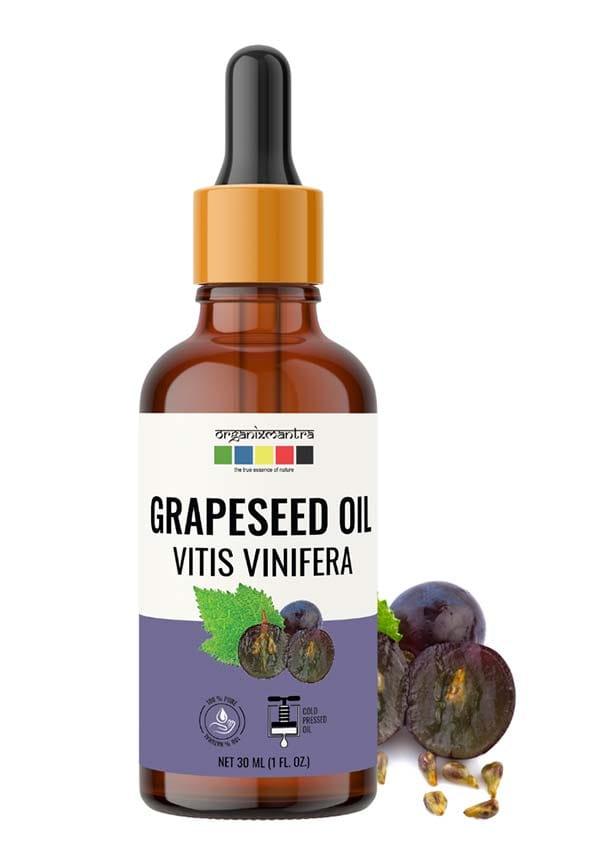
Grapeseed Oil, 100% Pure, Natural & Cold Pressed Organic Oil, 30ML
The most effective routines often blend natural and synthetic ingredients based on individual skin response and scientific evidence. Choose ingredients based on research, not origin—your skin doesn't distinguish between natural and synthetic molecules if they're equally effective and safe.
The top evidence-based ingredients include vitamin C for hyperpigmentation, niacinamide for oil control and barrier repair, retinoids for anti-ageing and acne, tranexamic acid for stubborn pigmentation, and peptides for gentle anti-ageing. These have extensive clinical research supporting their efficacy specifically for melanin-rich skin concerns.
Results vary by ingredient and concern. Niacinamide can reduce oiliness within 2-4 weeks, vitamin C shows brightening effects in 4-6 weeks, whilst retinoids require 12-16 weeks for significant anti-ageing benefits. Hyperpigmentation treatments typically need 3-6 months for noticeable improvement, depending on severity and consistency of use.
Yes, but proper layering and timing are crucial. Start with one active ingredient and introduce others gradually. Vitamin C works best in the morning, retinoids at night, and niacinamide can be used twice daily. Avoid combining vitamin C with retinoids initially, and never use multiple exfoliating acids simultaneously.
Not necessarily. Ingredient concentration, formulation quality, and clinical testing matter more than price. Many affordable products contain effective concentrations of proven ingredients like niacinamide and hyaluronic acid. Focus on ingredient lists and clinical evidence rather than brand prestige or price point.
Avoid high concentrations of glycolic acid (start with lactic or mandelic acid instead), fragrances, essential oils, and alcohol-based toners. Introduce retinoids very slowly—start with twice weekly applications. Always patch test new ingredients, especially if you have a history of post-inflammatory hyperpigmentation.
Look for peer-reviewed clinical studies published in dermatology journals, ingredients recommended by dermatologists, and products with transparent ingredient concentrations. Avoid products making unrealistic claims like "overnight transformation" or "miracle cures." Established ingredients like retinoids, vitamin C, and niacinamide have decades of research supporting their efficacy.
Evidence-based skincare isn't about following every trend—it's about choosing ingredients with solid scientific backing that address your specific concerns. For Indian women, this means prioritising ingredients that work effectively on melanin-rich skin whilst considering our unique climate and environmental challenges.
The beauty of science-backed skincare lies in its predictability. When you understand which ingredients have proven track records for concerns like hyperpigmentation, acne, and premature ageing, you can build a routine with confidence rather than hope.
Remember, consistency trumps complexity every time. A simple routine with three proven ingredients used regularly will outperform an elaborate regimen used sporadically. Start with one or two ingredients, observe how your skin responds, then gradually build your routine based on your individual needs and tolerance.
Your skin journey is unique, and what works for your friend might not work for you—even with the same ingredients. That's where platforms like Smytten become invaluable, offering access to curated products from trusted brands with proven ingredients. With over 28 million users discovering what works for their skin, you're not alone in this journey of finding your perfect routine.
