Essential Uses of Hyaluronic Acid for Radiant Skin: A Checklist

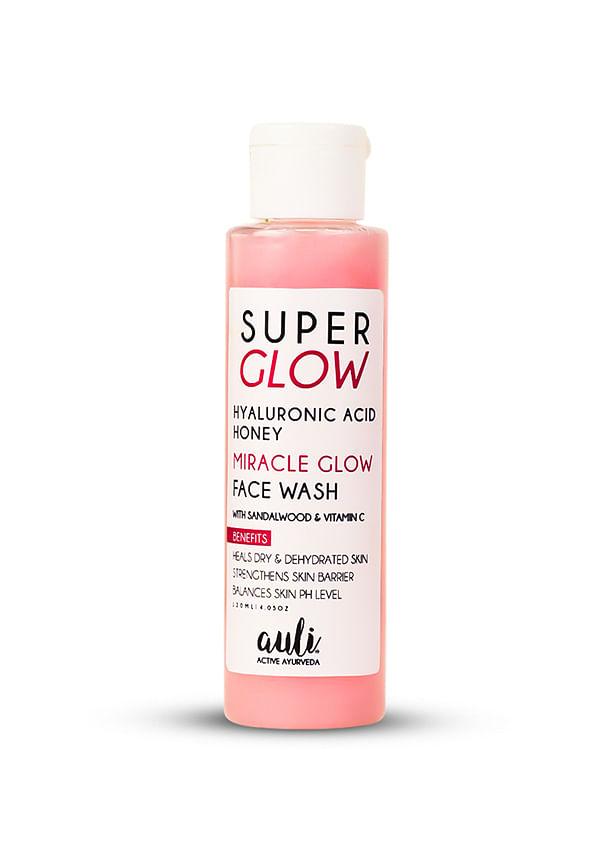
Hyaluronic Acid Nourishing Facewash - SUPER GLOW
One molecule can hold 1,000 times its weight in water—sounds like magic, right? That's hyaluronic acid for you, the skincare ingredient that's basically a moisture magnet for your skin. Whether you're dealing with dry patches, fine lines, or just want that bouncy, plump skin everyone's obsessing over, understanding the uses of hyaluronic acid can be your ticket to radiant skin. Let's dive into this complete checklist that'll help you make the most of this incredible ingredient.
Before we jump into all the amazing hyaluronic acid benefits, let's get the basics sorted. Hyaluronic acid (HA) is a naturally occurring substance in your body, found in your skin, joints, and eyes. Think of it as your skin's built-in hydration system that keeps everything plump and smooth.
The magic lies in its molecular structure. HA can bind up to 1,000 times its weight in water, making it incredibly effective at keeping your skin hydrated. Unlike other moisturising ingredients that sit on top of your skin, hyaluronic acid actually draws moisture from the environment and deeper layers of your skin to the surface.
Not all hyaluronic acid is created equal. You'll find high molecular weight HA that works on the surface for instant hydration, and low molecular weight versions that penetrate deeper into your skin. Sodium hyaluronate, a salt form of HA, is often used in skincare because it's more stable and penetrates better than regular hyaluronic acid.
Now for the good stuff—here's your complete checklist of how hyaluronic acid for skin can transform your skincare routine. These are the key ways this ingredient works its magic.
This is HA's superpower. Whether you have dry, oily, or combination skin, hyaluronic acid provides hydration without feeling heavy or greasy. It works by creating a moisture reservoir in your skin that lasts throughout the day. Your skin gets that instant plump feeling, and over time, you'll notice improved texture and fewer dry patches.
Fine lines often appear more pronounced when your skin is dehydrated. Hyaluronic acid plumps up these areas by filling them with moisture, making wrinkles less visible. It also supports your skin's natural collagen production, which helps maintain firmness and elasticity as you age.
Regular use of hyaluronic acid smooths out rough patches and gives your skin that bouncy, healthy feel. It helps restore your skin's natural barrier function, which means better protection against environmental damage and improved overall skin health.
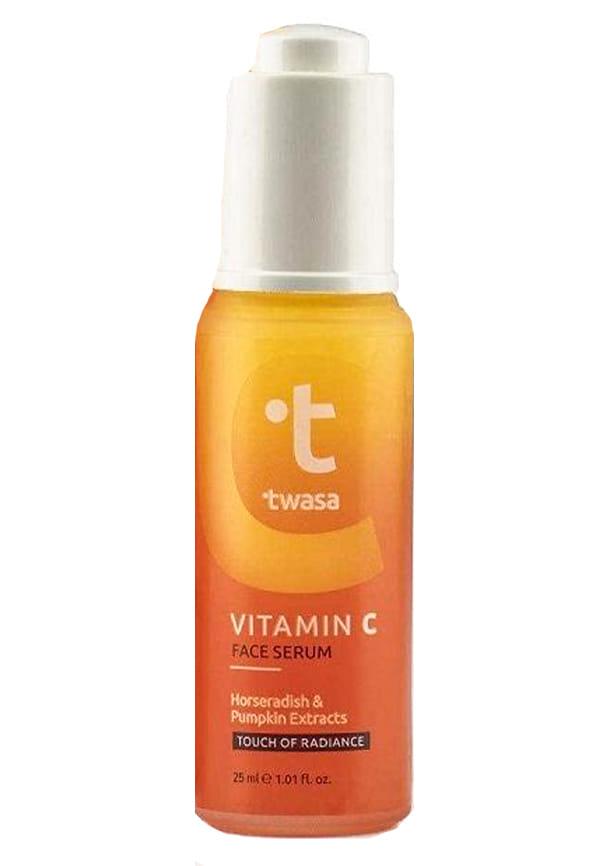
Vitamin C Face Serum For Glowing Skin With Hyaluronic Acid
HA supports cellular regeneration, making it brilliant for healing minor skin damage. If you're dealing with acne scars or post-procedure recovery, hyaluronic acid can help speed up the healing process and reduce the appearance of marks over time.
With so many options available, picking the right hyaluronic acid serum or cream can feel overwhelming. Here's how to navigate the different formulations and find your perfect match.
Serums typically contain higher concentrations of HA (usually 0.5% to 2%) and have a lightweight texture that absorbs quickly. They're perfect for layering under moisturiser and work best when applied to slightly damp skin. Look for serums that combine different molecular weights for both immediate and long-term benefits.
A hyaluronic acid moisturiser or hyaluronic acid cream is ideal if you prefer an all-in-one approach. These formulations often combine HA with other nourishing ingredients like ceramides or peptides. They're particularly good for dry skin types or if you're looking to simplify your routine.
Injectable hyaluronic acid fillers and professional treatments like microneedling with HA offer more dramatic results. These are worth considering if you're looking for significant anti-aging benefits, but always consult with a qualified professional first.
Getting the most out of your hyaluronic acid skincare routine is all about proper application. Here's your step-by-step guide to using it effectively.
You can use hyaluronic acid both morning and evening—it plays well with other ingredients and won't interfere with your routine. In the morning, apply it before your moisturiser and SPF. At night, use it after cleansing but before heavier treatments like retinol.
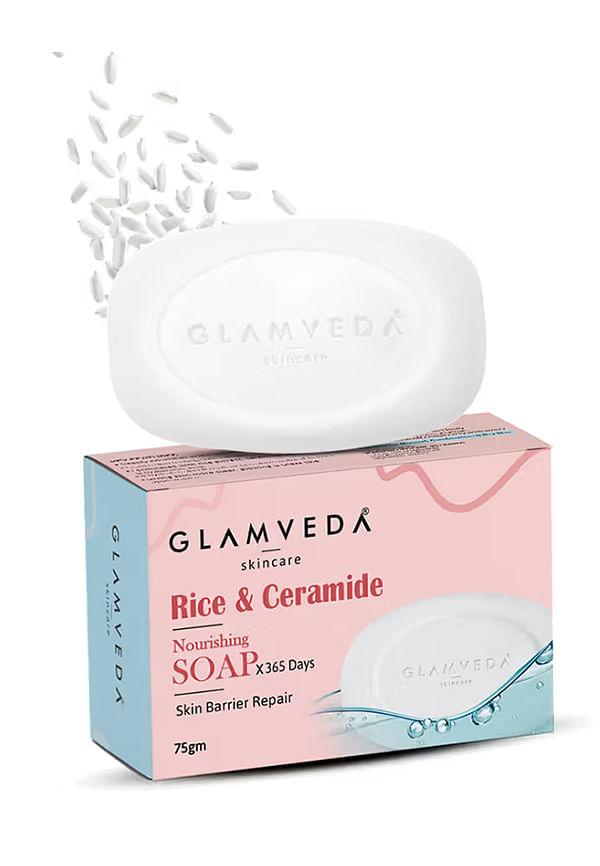
Rice & Ceramide Skin Brightening Soap with Hyaluronic acid
Start with clean, slightly damp skin—this gives the HA something to bind to. Apply 2-3 drops of serum or a pea-sized amount of cream, gently patting it into your skin. Wait a minute for absorption, then follow with your regular moisturiser to lock everything in.
HA is one of the most compatible skincare ingredients out there. It works beautifully with vitamin C, niacinamide, and even retinol. The key is to apply hyaluronic acid first (after cleansing) to create a hydrating base for other actives.
Understanding the timeline of benefits of hyaluronic acid helps set realistic expectations. Here's what you can look forward to at different stages of use.
Within hours of application, you'll notice your skin feels more hydrated and looks plumper. Fine lines appear softer, and your makeup goes on more smoothly. This instant gratification is one reason why HA has become such a skincare favourite.
After 1-4 weeks of consistent use, your skin's barrier function improves, leading to better moisture retention overall. You'll notice reduced sensitivity, smoother texture, and a more even skin tone. This is when the real transformation begins.
With 1-3 months of regular use, the anti-aging effects become more pronounced. Your skin maintains its hydration better throughout the day, fine lines are visibly reduced, and overall skin health improves significantly.
While hyaluronic acid is generally safe for most people, it's worth knowing about potential hyaluronic acid side effects and how to avoid them.
Allergic reactions to HA are rare, but they can happen. Start with a patch test if you have sensitive skin. Over-application can sometimes lead to a sticky feeling or pilling under makeup, so less is often more with this ingredient.
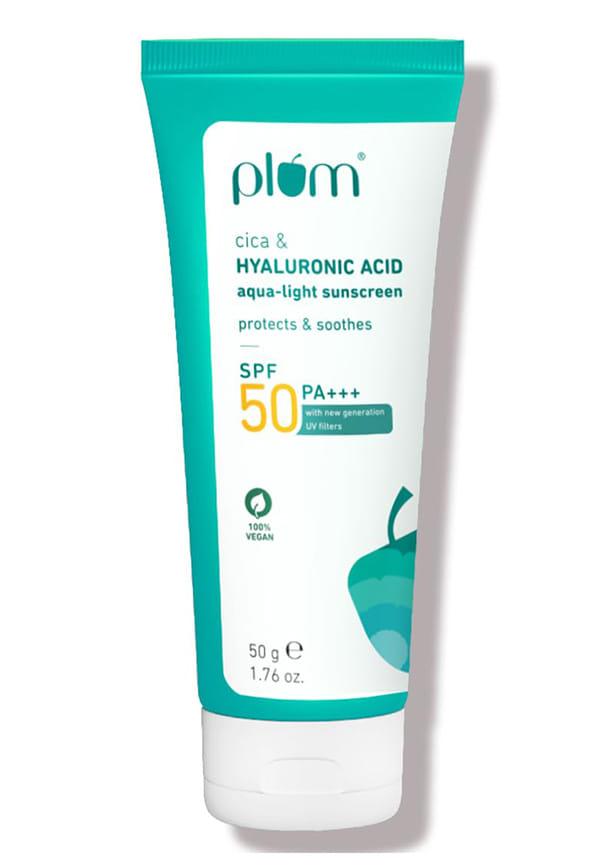
Cica & Hyaluronic Acid Aqua-Light Sunscreen SPF 50 PA+++
Pregnant and breastfeeding women can safely use topical hyaluronic acid. However, if you have very sensitive skin or are using prescription treatments, consult with a dermatologist before adding new products to your routine.
Absolutely! Hyaluronic acid is gentle enough for daily use, both morning and evening. In fact, consistent use gives you the best results.
You can use it both times. Morning application provides all-day hydration, while evening use helps with overnight skin repair and regeneration.
Yes, they work brilliantly together. Apply hyaluronic acid first to create a hydrating base, then follow with vitamin C serum.
You'll notice immediate hydration, but significant improvements in skin texture and fine lines typically appear after 4-6 weeks of consistent use.
It's unlikely, as HA is non-comedogenic. However, if you're using a product with other ingredients that don't suit your skin, you might experience breakouts.
The uses of hyaluronic acid extend far beyond basic hydration—it's truly a multitasking ingredient that can transform your skin's health and appearance. From instant plumping to long-term anti-aging benefits, HA deserves a spot in everyone's skincare routine. The key is finding the right formulation for your skin type and using it consistently.
If you're curious about trying different hyaluronic acid products without committing to full sizes, platforms like Smytten make it easy to explore various formulations. With curated trial packs from trusted brands, you can discover which hyaluronic acid serum or cream works best for your skin before making a larger investment. After all, why settle for 'maybe' when you can try it all and find your perfect match?
