Essential Hyaluronic Acid Skin Checklist: Benefits & Uses


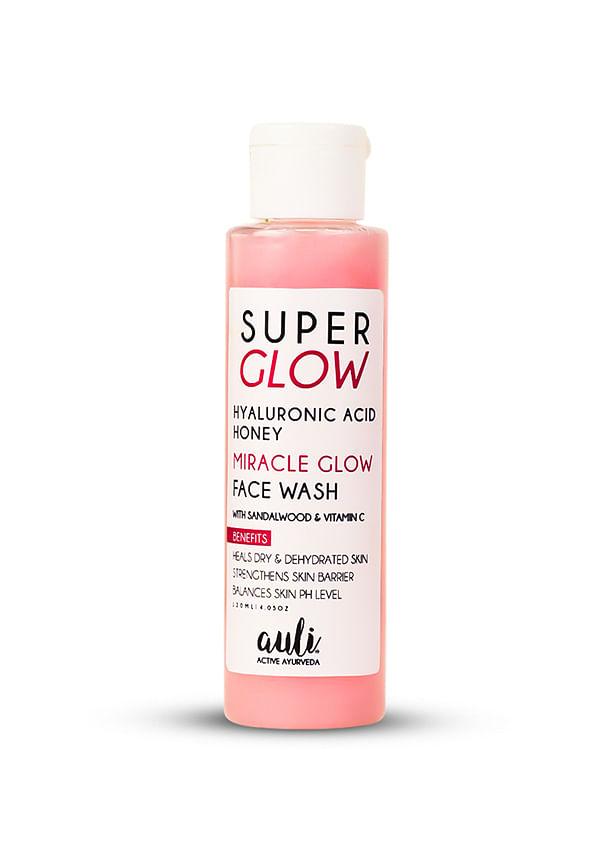
Hyaluronic Acid Nourishing Facewash - SUPER GLOW
Ever wondered why skincare enthusiasts can't stop raving about hyaluronic acid? Here's the thing—one molecule of this powerhouse ingredient can hold up to 1,000 times its weight in water. That's like having a tiny moisture magnet working round the clock for your skin. Whether you're dealing with dryness, fine lines, or just want that plump, dewy glow everyone's after, hyaluronic acid and its incredible hydrating properties might just be your skin's new best friend. Let's dive into everything you need to know about this skincare superstar, from the science behind it to how you can make it work for your routine.
Real talk—despite its intimidating name, hyaluronic acid isn't actually an exfoliating acid like the ones you might be thinking of. It's a naturally occurring substance that your body produces, found in your skin, joints, and eyes. Think of it as your skin's built-in hydration system, designed to keep everything plump and bouncy.
Your skin naturally contains hyaluronic acid, but here's the catch—as you age, your body produces less of it. By the time you hit your 40s, you've lost about half of what you had in your 20s. This decline is partly why skin starts feeling drier and fine lines become more noticeable. The good news? Topical hyaluronic acid can help bridge that gap, acting as a humectant that draws moisture from the environment and deeper layers of your skin to the surface.
Not all hyaluronic acid is created equal. High molecular weight versions sit on your skin's surface, providing immediate hydration and that instant plumping effect you feel right after application. Low molecular weight forms can penetrate deeper into your skin layers, offering longer-lasting hydration benefits. The best hyaluronic acid serums often combine both for maximum impact.
Let's get into why this ingredient has earned its spot in virtually every skincare routine worth talking about. The hyaluronic acid benefits go way beyond just basic hydration—though that alone is pretty impressive.
The most obvious benefit is the instant moisture boost. Within minutes of applying a quality hyaluronic acid serum, you'll notice your skin feels softer and looks more plump. Fine lines appear less pronounced, and that tight, uncomfortable feeling from dry skin simply melts away. Plus, it's suitable for all skin types—even oily skin can benefit from its lightweight, non-comedogenic properties.
Beyond the immediate effects, consistent use of hyaluronic acid supports your skin's natural repair processes. It helps maintain your skin barrier, which is crucial for protecting against environmental damage. Some studies suggest it may even support collagen production, though more research is needed to fully understand this connection.
Walking down the skincare aisle can feel overwhelming with all the hyaluronic acid options available. From serums to creams to moisturisers, each product type serves a slightly different purpose in your routine.
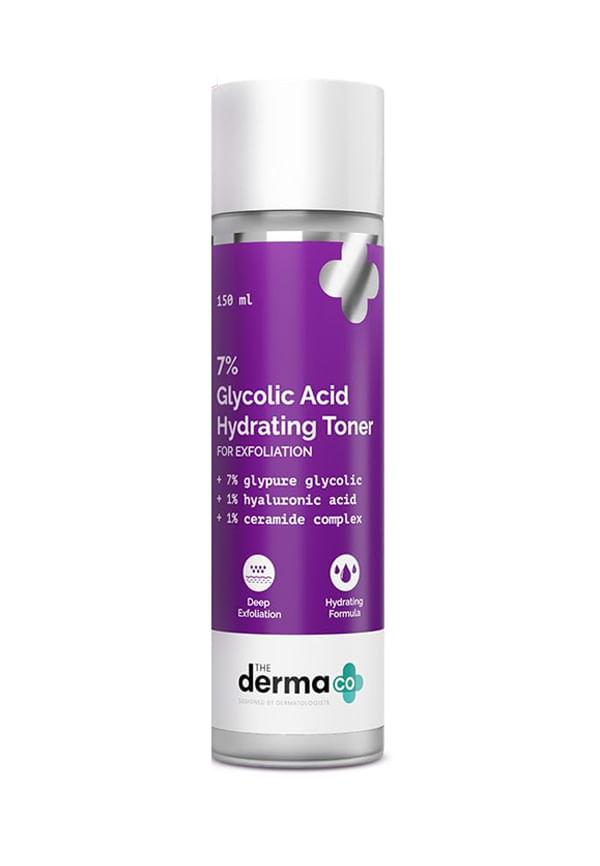
7% Glycolic Acid Hydrating Toner with Glycolic Acid & Hyaluronic Acid
A hyaluronic acid serum typically contains the highest concentration of the ingredient and has a lightweight, fast-absorbing texture. It's your go-to for targeted hydration that layers well under other products. Hyaluronic acid creams and moisturisers usually contain lower concentrations but include additional nourishing ingredients like ceramides or peptides. These work brilliantly as your final hydration step, sealing in all the goodness from your serum.
When shopping for products, you might see both 'hyaluronic acid' and 'sodium hyaluronate' on ingredient lists. Sodium hyaluronate is actually the salt form of hyaluronic acid—it's smaller in molecular size and can penetrate skin more easily. Look for products that combine multiple molecular weights for the best of both worlds.
Here's where things get exciting—hyaluronic acid plays well with almost every other skincare ingredient. It's like the friend who gets along with everyone at the party and makes everything better.
Vitamin C: This combination is pure magic for brightening and hydration. Use vitamin C in the morning followed by hyaluronic acid for antioxidant protection plus moisture.
Niacinamide: Perfect for those dealing with enlarged pores or uneven texture. Niacinamide helps regulate oil production while hyaluronic acid provides the hydration your skin craves.
Retinoids: If you're using retinol or tretinoin, hyaluronic acid is your skin's best friend. It helps counteract the drying effects of these powerful anti-aging ingredients.
Ceramides and Peptides: These work together to strengthen your skin barrier whilst providing deep hydration and supporting elasticity.
The beauty of hyaluronic acid is that it rarely conflicts with other ingredients. However, be mindful of using too many active ingredients at once, as this can overwhelm your skin. If you're new to skincare, introduce one new product at a time to see how your skin responds.
Getting the most out of your hyaluronic acid products isn't just about what you use—it's about how you use them. Follow this checklist to ensure you're maximising every drop.
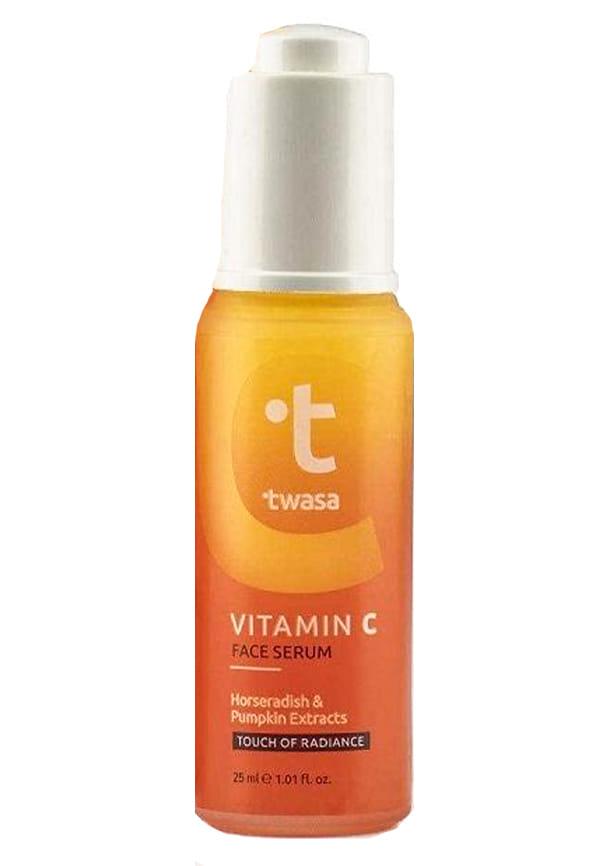
Vitamin C Face Serum For Glowing Skin With Hyaluronic Acid
Start with freshly cleansed skin that's still slightly damp. This is crucial—hyaluronic acid works best when there's moisture in the environment for it to grab onto. Apply your hyaluronic acid serum using gentle patting motions, then follow with a moisturiser to lock everything in. In the morning, don't forget your SPF as the final step.
The biggest mistake? Applying hyaluronic acid to completely dry skin in a low-humidity environment. Without moisture to draw from, it can actually pull water from deeper skin layers, leaving you feeling drier than before. Always apply to damp skin or in a humid bathroom after your shower.
While topical application is the most direct way to benefit your skin, hyaluronic acid supplements have gained popularity for their potential internal benefits. Let's explore what the research says about these alternatives.
Hyaluronic acid supplements are marketed for both skin hydration and joint health. Some studies suggest that oral supplementation may improve skin moisture and reduce fine lines, though the evidence is still emerging. The typical dosage ranges from 120-240mg daily, but it's worth consulting with a healthcare provider before starting any supplement regimen.
In medical settings, hyaluronic acid is used in dermal fillers and joint injections. These professional treatments offer more dramatic results but require expertise and come with higher costs and potential risks compared to topical skincare products.
One of the reasons hyaluronic acid has become so popular is its excellent safety profile. However, like any skincare ingredient, it's worth understanding potential side effects and how to use it safely.
Hyaluronic acid side effects are rare and typically mild. Some people may experience slight irritation, especially when first introducing the ingredient or if they're using a product with additional actives. Allergic reactions are uncommon but can occur. The ingredient is generally considered safe during pregnancy and breastfeeding, though it's always wise to consult your healthcare provider.
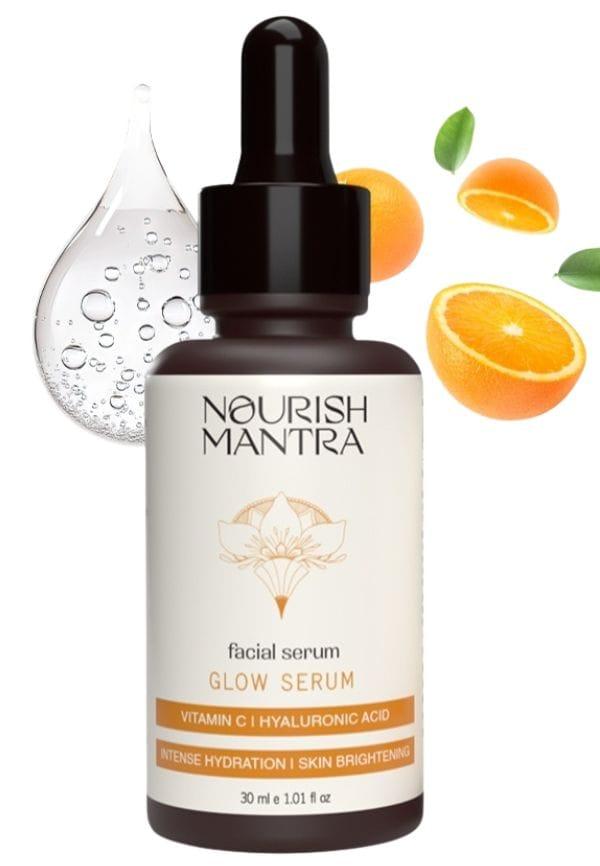
Glow Serum for Radiant and Glowing Skin - 30 ml
If you experience any irritation, try using the product less frequently or switching to a gentler formulation. Sometimes what feels like a reaction to hyaluronic acid is actually sensitivity to other ingredients in the product, like fragrances or preservatives.
Absolutely! Hyaluronic acid is gentle enough for daily use, both morning and evening. Start with once daily if you have sensitive skin, then gradually increase frequency as your skin adjusts.
Always apply hyaluronic acid serum before your moisturiser. The general rule is to apply products from thinnest to thickest consistency, so serum first, then moisturiser to seal everything in.
Yes! This is actually a fantastic combination. Apply vitamin C first, wait a few minutes, then follow with hyaluronic acid. Both ingredients complement each other beautifully.
You'll notice immediate hydration benefits within minutes of application. For longer-term improvements in skin texture and fine lines, give it 4-6 weeks of consistent use.
Definitely! Even oily skin can be dehydrated. Hyaluronic acid provides lightweight hydration without clogging pores or adding excess oil to your skin.
Hyaluronic acid truly deserves its reputation as a skincare superstar. Whether you're just starting your skincare journey or looking to upgrade your routine, this ingredient offers benefits for virtually every skin type and concern. The key is finding the right formulation for your needs and using it consistently.
If you're curious about trying different hyaluronic acid products without committing to full sizes, platforms like Smytten make it easy to discover what works for your skin. With curated trial packs from trusted brands, you can explore various formulations and find your perfect match before investing in full-size products. After all, why settle for maybe when you can try it all and find exactly what your skin loves?
