Essential Breakout Control Tips for Teens: Your Complete Skincare Guide


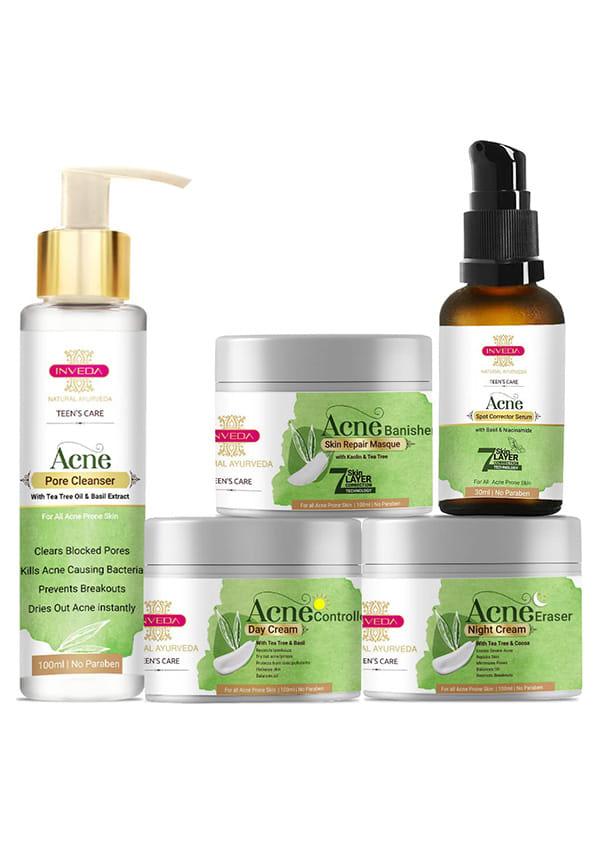
Advance Acne Treatment Kit For Teenagers | 5 Steps For Clear Skin
Picture this: you wake up on the morning of a big school presentation, and there it is—a fresh breakout right on your chin. If you're a teenager dealing with acne, you're definitely not alone. Nearly 85% of people between 12 and 24 experience some form of acne, making it one of the most common skin concerns during adolescence. The good news? With the right breakout control tips for teens, you can manage acne effectively and build confidence in your skin. Understanding why breakouts happen and having a solid plan makes all the difference in your journey to clearer skin.
Teen acne isn't just bad luck—it's actually a perfect storm of biological changes happening in your body. During puberty, your hormones go into overdrive, particularly androgens like testosterone. These hormones signal your sebaceous glands to produce more oil (sebum), which can clog pores when mixed with dead skin cells. Add bacteria called Propionibacterium acnes to the mix, and you've got the recipe for those frustrating breakouts.
Your skin produces oil naturally to keep it moisturised and protected. However, during adolescence, hormonal fluctuations cause your oil glands to work overtime. When excess oil combines with dead skin cells, it creates a plug in your hair follicles. This environment becomes a breeding ground for acne-causing bacteria, leading to inflammation and those red, sometimes painful spots we call pimples.
Not all breakouts are created equal. Blackheads and whiteheads are non-inflammatory types of acne that occur when pores become clogged but don't get infected. Papules and pustules are the red, inflamed bumps that can be tender to touch. In more severe cases, teens might develop cystic acne—deep, painful lumps under the skin that can lead to scarring if not treated properly.
Several lifestyle factors can make teen acne worse. Stress from school, relationships, or family pressures can trigger hormonal responses that increase oil production. Poor sleep habits disrupt your skin's natural repair process. Even seemingly innocent habits like touching your face throughout the day can transfer bacteria and oils from your hands to your skin, potentially causing more breakouts.
Creating an effective teen skincare routine doesn't have to be complicated or expensive. The key is consistency and using products that work well for your skin type. A good routine should cleanse away excess oil and bacteria, treat existing breakouts, and prevent new ones from forming—all while keeping your skin barrier healthy and balanced.
Start your day with a gentle cleanser that removes overnight oil buildup without stripping your skin. Look for cleansers containing salicylic acid or benzoyl peroxide if you have active breakouts. Follow with a lightweight, non-comedogenic moisturiser to keep your skin hydrated. Never skip SPF—sun protection is crucial for preventing post-inflammatory hyperpigmentation from acne marks.
Your evening routine is when you can focus on treatment and repair. If you wear makeup or sunscreen, start with a gentle makeup remover or cleansing oil, followed by your regular cleanser. Apply any acne treatments on clean, dry skin, then follow with a moisturiser. This is also when you might incorporate treatments like niacinamide serums, which help control oil production and reduce inflammation.
Twice daily cleansing is the sweet spot for most teens with acne-prone skin. Over-washing can actually make acne worse by stripping your skin's natural oils, causing it to produce even more oil to compensate. If you're active in sports, a gentle rinse with water after sweating is fine, but save the cleanser for morning and evening.
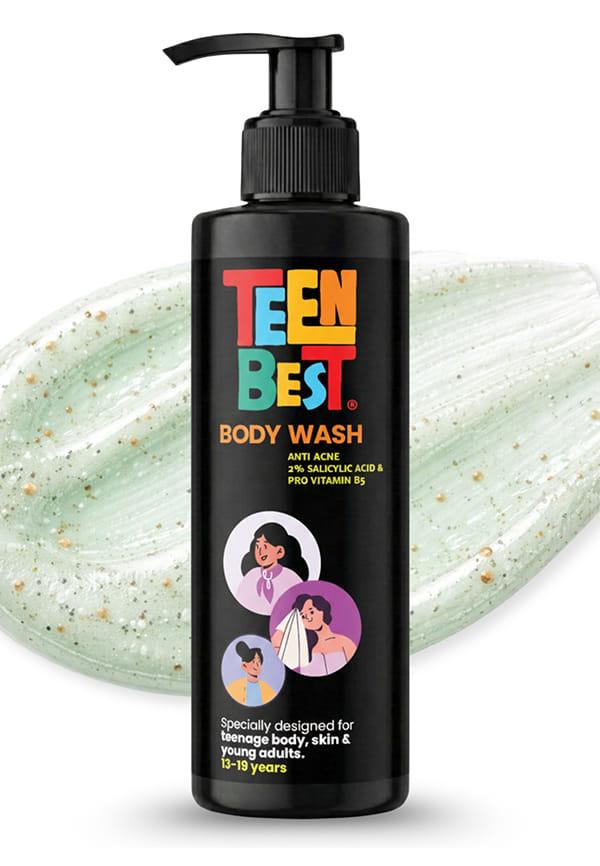
Teens Anti Acne Body Wash for Back Acne & Body Pimples
When it comes to teen acne treatment, certain ingredients have proven track records for managing breakouts safely and effectively. Understanding what these ingredients do and how to use them properly can make the difference between clear skin and continued frustration. The key is starting slowly and building tolerance gradually.
Benzoyl peroxide is one of the most effective over-the-counter treatments for killing acne-causing bacteria. Start with a 2.5% concentration to minimise irritation, and always use SPF during the day as it can make your skin more sensitive to sun. Salicylic acid works differently—it's a beta-hydroxy acid that penetrates into pores to dissolve the oil and dead skin cells that cause clogs. Niacinamide is gentler and helps regulate oil production while reducing inflammation, making it perfect for sensitive teen skin.
Your cleanser sets the foundation for your entire routine. Look for gentle, pH-balanced formulas that won't disrupt your skin barrier. Avoid harsh scrubs or cleansers with sulfates, which can irritate already inflamed skin. Gel cleansers work well for oily skin, while cream cleansers might be better if you're using drying acne treatments.
Many teens skip moisturiser thinking it will make their skin more oily, but this is a mistake. When your skin is dehydrated, it actually produces more oil to compensate. Look for lightweight, non-comedogenic formulas with ingredients like hyaluronic acid or ceramides that hydrate without clogging pores.
While over-the-counter treatments are often most effective, some natural ingredients can complement your teenage acne solutions routine. These remedies can be particularly helpful for teens who prefer gentler approaches or want to supplement their existing routine. However, natural doesn't always mean safe, so it's important to use these treatments properly.
Tea tree oil has natural antibacterial properties, but it must be diluted to 5-10% to avoid irritation. Honey, particularly Manuka honey, has antimicrobial properties and can be used as a gentle face mask. Green tea contains antioxidants and anti-inflammatory compounds that can help soothe irritated skin when used as a toner or in DIY masks.
Simple clay masks made with bentonite or kaolin clay can help absorb excess oil and unclog pores. Mix the clay with water or green tea for added benefits. A gentle oatmeal scrub made with finely ground oats and honey can provide mild exfoliation without irritation. For spot treatments, a small amount of diluted tea tree oil applied with a cotton swab can help target individual blemishes.
Always patch test natural ingredients before applying them to your face. Some people are allergic to common natural ingredients like tea tree oil or honey. Never use lemon juice, baking soda, or other harsh DIY ingredients that can disrupt your skin's pH balance and cause more harm than good.
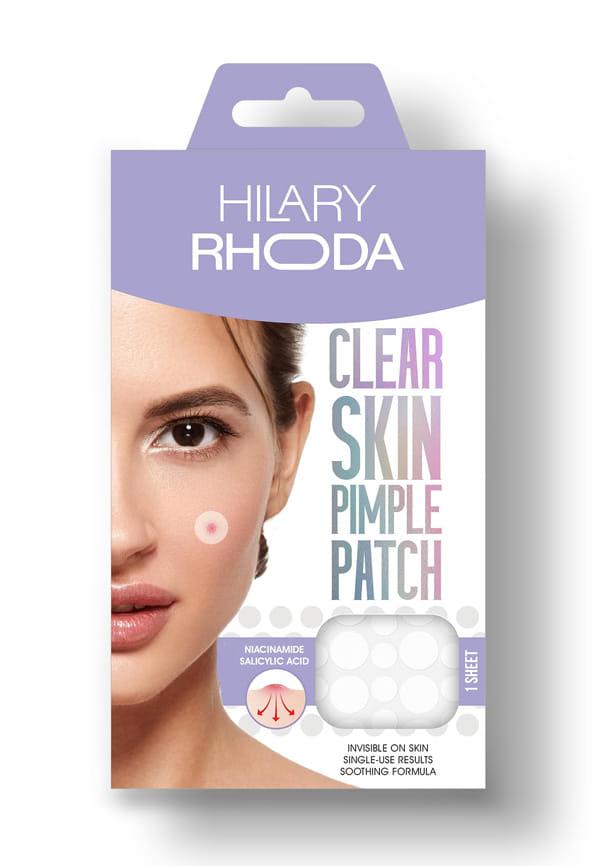
Clear Skin Pimple Patch
Expensive, Low Quantity
 5
5“so expensive price k according quantity km h.”
Effective acne control for teens goes beyond just skincare products. Your daily habits, diet, and stress levels all play a role in your skin's health. Making small adjustments to your lifestyle can significantly improve your skin's appearance and help prevent future breakouts.
While diet doesn't cause acne directly, certain foods may trigger breakouts in some people. High-glycemic foods like white bread, sugary snacks, and processed foods can cause blood sugar spikes that may worsen acne. Dairy products might also be problematic for some teens due to hormones naturally present in milk. Focus on eating plenty of fruits, vegetables, and omega-3 rich foods like fish and nuts.
School pressure, social situations, and family expectations can all contribute to stress, which can worsen acne through hormonal pathways. Practice stress-reduction techniques like deep breathing, meditation, or regular exercise. Getting adequate sleep (8-9 hours for teens) is crucial for skin repair and hormone regulation.
Regular exercise is great for overall health and can help reduce stress, but sweaty workout gear and equipment can contribute to breakouts. Always shower or at least rinse your face after exercising. Wear moisture-wicking fabrics and wash your sports gear regularly. If you can't shower immediately after working out, use gentle cleansing wipes to remove sweat and bacteria.
Sometimes, despite your best efforts with over-the-counter products and lifestyle changes, acne persists or worsens. Knowing when to seek professional help can prevent scarring and emotional distress. A dermatologist can provide stronger treatments and personalised advice for stubborn teenage acne solutions.
If you've been consistent with a good skincare routine for 6-8 weeks without improvement, it's time to consider professional help. Cystic acne, deep painful bumps, or any acne that's leaving scars requires professional treatment. Also consider seeing a dermatologist if acne is significantly affecting your self-esteem or daily activities.
Dermatologists have access to stronger treatments like prescription retinoids, topical antibiotics, and oral medications. For severe cases, they might recommend procedures like professional extractions or light therapy. These treatments are more potent than over-the-counter options and require medical supervision.
Acne treatment takes time—usually 12-16 weeks to see significant improvement. It's important to have realistic expectations and be patient with the process. Keep track of what works and what doesn't, and don't be afraid to communicate with your dermatologist about concerns or side effects.
Many well-meaning teens actually make their acne worse through common mistakes. Understanding what not to do is just as important as knowing the right skincare tips for teenage acne. Avoiding these pitfalls can help your skin heal faster and prevent additional irritation.
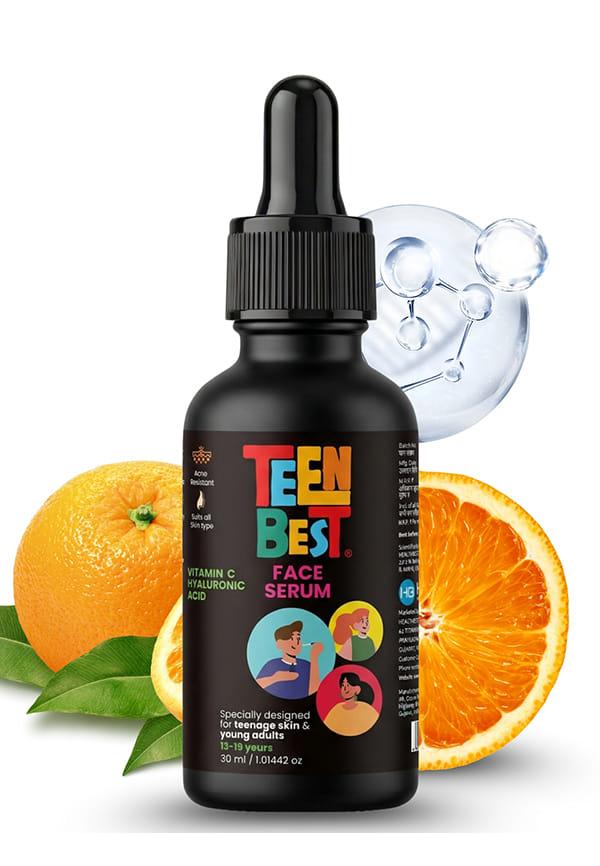
Teens Vitamin C Serum for Glowing Skin, Acne & Dull Skin for Boys & Girls
Over-washing your face or using harsh scrubs can irritate your skin and trigger more oil production. Picking at pimples introduces bacteria and can lead to scarring or post-inflammatory hyperpigmentation. Using too many acne products at once can overwhelm your skin and cause irritation rather than improvement.
Don't choose products based solely on marketing claims or what works for your friends. Everyone's skin is different, and what clears one person's acne might irritate yours. Always patch test new products and introduce them one at a time so you can identify what works and what doesn't.
Your phone screen, pillowcases, and hair products can all contribute to breakouts if not managed properly. Clean your phone screen daily, wash pillowcases weekly, and keep hair products away from your face. These small changes can make a big difference in preventing new breakouts.
Most teens start seeing improvement after 4-6 weeks of consistent treatment, but significant results typically take 12-16 weeks. Your skin needs time to adjust to new products and for the skin cell turnover cycle to complete. Patience and consistency are key to successful acne treatment.
Makeup doesn't necessarily cause acne, but certain products can clog pores if they're not non-comedogenic. Look for makeup labelled as non-comedogenic and oil-free. Always remove makeup thoroughly before bed, and consider giving your skin makeup-free days when possible to let it breathe.
Yes, this is called "purging" and can happen when you start using active ingredients like retinoids or AHAs. These ingredients accelerate skin cell turnover, bringing existing clogs to the surface faster. Purging typically lasts 4-6 weeks and then improves significantly.
Your skin's needs may change with seasons, stress levels, and hormonal fluctuations. You might need lighter products in summer and more moisturising ones in winter. Pay attention to how your skin responds and adjust your routine accordingly, but maintain consistency with core acne-fighting ingredients.
Managing teen acne successfully requires patience, consistency, and the right approach for your individual skin. Remember that clear skin is a journey, not a destination, and what works for your friends might not work for you. Start with gentle, proven ingredients like salicylic acid and niacinamide, build a consistent routine, and don't be afraid to seek professional help when needed.
The most important thing to remember is that acne is incredibly common during adolescence—you're not alone in this experience. With the right breakout control tips for teens and a bit of patience, you can achieve healthier, clearer skin. Focus on treating your skin gently, maintaining good lifestyle habits, and celebrating small improvements along the way.
If you're curious about trying different acne-fighting products but hesitant to commit to full sizes, platforms like Smytten offer a smart way to explore various brands and formulations through trial sizes. With access to trusted skincare brands and the ability to test products before investing in full sizes, you can discover what works best for your unique skin needs. After all, finding the right products for your skin shouldn't be a guessing game—it should be an informed choice based on what actually works for you.
