Essential Best Sun Protection Tips: Your Ultimate Sun Safety Checklist

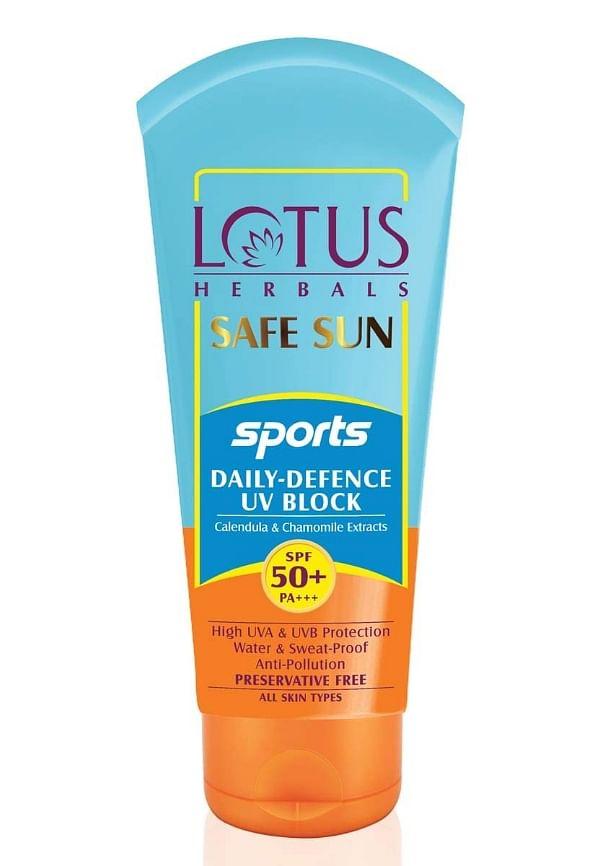
Safe Sun Sports Daily-Defence UV Block Sunscreen SPF 50+
Picture this: you're rushing out for lunch with friends, and you catch a glimpse of yourself in the mirror. Your skin looks healthy, protected, and glowing—not because you've spent hours perfecting a routine, but because you've mastered the art of proper sun protection. Whether you're dealing with stubborn hyperpigmentation that darkens with every UV ray or simply want to prevent premature ageing, understanding how to shield your skin from the sun isn't just about avoiding sunburn. It's about preserving your skin's health for years to come.
Real talk: the sun doesn't discriminate. Whether you're stepping out for a quick grocery run or planning a beach holiday, UV radiation is working against your skin every single day. Understanding what you're up against makes all the difference in choosing the right protection.
UVA rays penetrate deep into your skin, causing long-term damage like premature ageing, wrinkles, and hyperpigmentation. They're present year-round and can even pass through glass windows—which explains why your skin might feel dull after long days in air-conditioned offices near windows. UVB rays are the culprits behind sunburn and play a major role in developing skin cancer. They're strongest between 10am and 4pm, but don't assume you're safe outside these hours.
Here's what many people don't realise: up to 80% of UV rays can penetrate clouds. That overcast day when you skipped sunscreen? Your skin was still absorbing harmful radiation. Even reflected UV rays from surfaces like water, sand, and concrete can increase your exposure by up to 15%. This cumulative damage adds up over time, leading to age spots, uneven skin tone, and that leathery texture nobody wants.
If you've ever stood in the sunscreen aisle feeling overwhelmed by endless options, you're not alone. The key is understanding what actually works for your skin and lifestyle. SPF 30 is your minimum—it blocks about 97% of UVB rays. SPF 50 blocks 98%, and while that 1% might seem minimal, it matters for extended outdoor exposure or if you have fair skin that burns easily.
Broad-spectrum protection is non-negotiable. This means your sunscreen shields against both UVA and UVB rays. Look for ingredients like zinc oxide or titanium dioxide for physical protection, or avobenzone and octinoxate for chemical protection. Physical sunscreens sit on top of your skin and reflect rays, making them ideal for sensitive skin. Chemical sunscreens absorb into your skin and convert UV rays into heat.
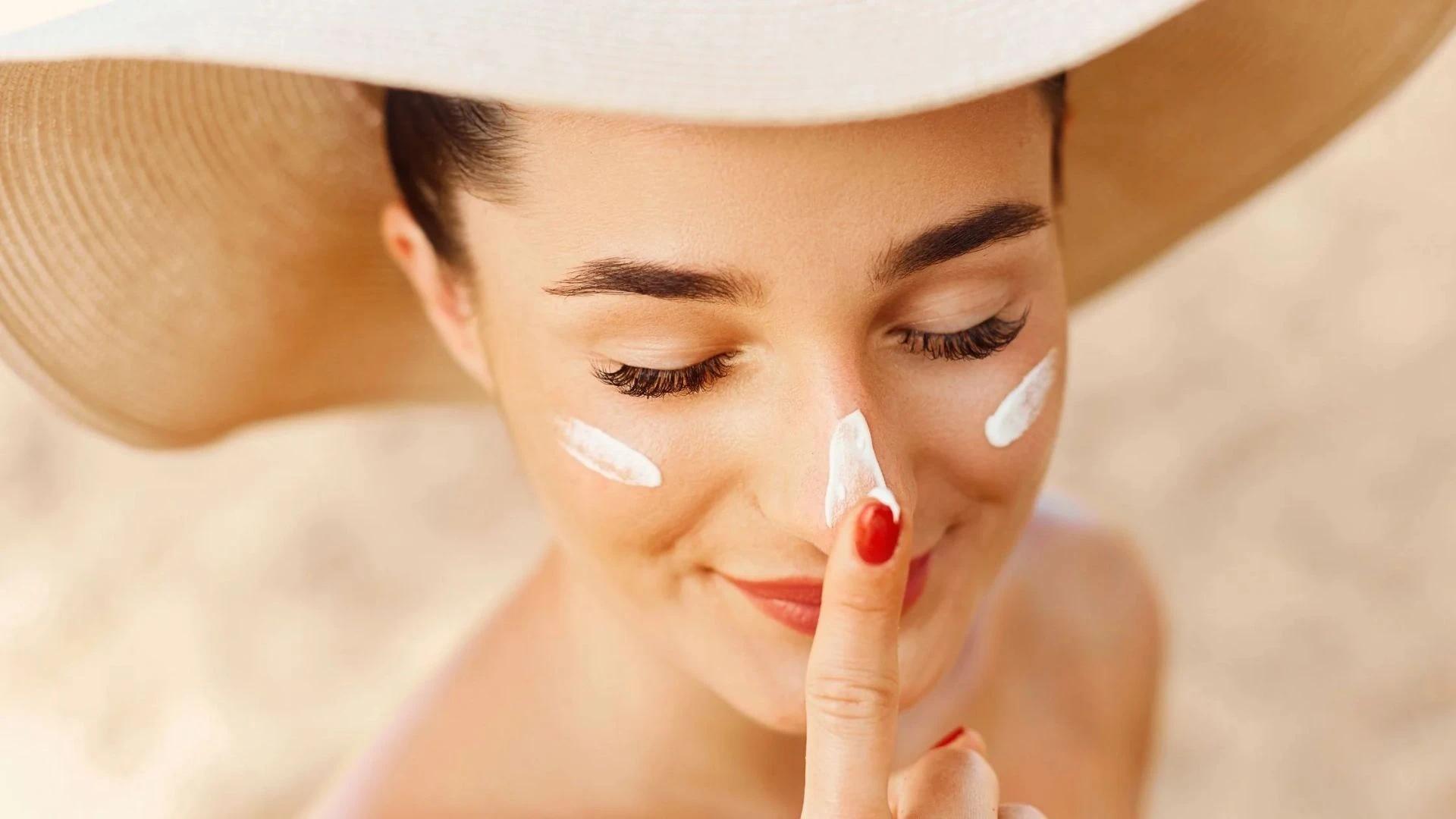
Here's where most people go wrong: they don't use enough sunscreen. You need about 1/4 teaspoon for your face and neck alone. That's roughly the size of a 10-paise coin. For your entire body, you'll need about 30ml—enough to fill a shot glass. Apply sunscreen 15-30 minutes before sun exposure to allow it to bind to your skin properly.
Even the best sunscreen loses effectiveness over time. Reapply every two hours, or immediately after swimming, sweating, or towelling off. If you're wearing makeup, consider a setting spray with SPF or a powder sunscreen for touch-ups throughout the day.
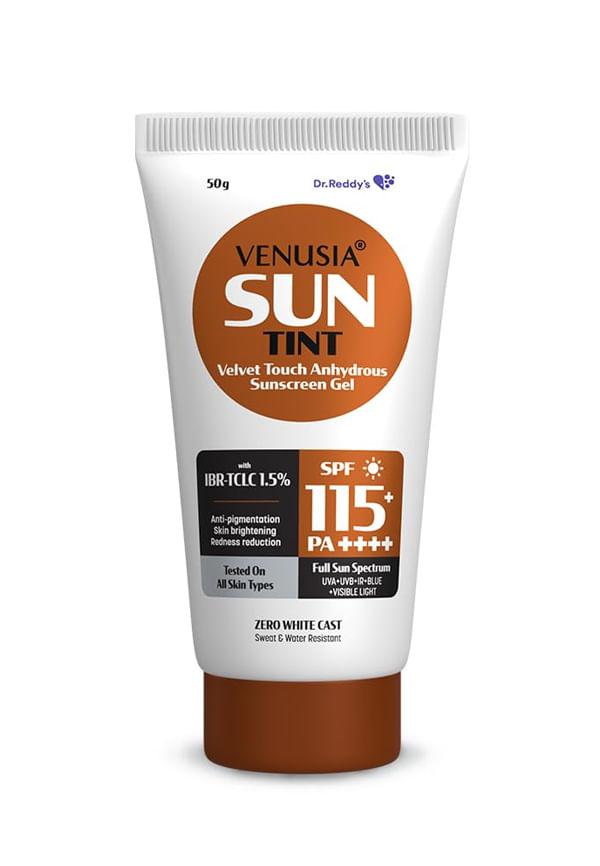
Tinted sunscreen SPF115I Full spectrum protection I UVA UVB Blue light protect
Sunscreen is your first line of defence, but it shouldn't be your only strategy. Think of sun protection as a layered approach—the more barriers you create, the better your skin stays protected.
Seeking shade during peak UV hours (10am to 4pm) can reduce your exposure by up to 75%. If you're planning outdoor activities, try to schedule them for early morning or late afternoon. When shade isn't available, create your own with umbrellas, canopies, or even strategically positioned outdoor furniture.
Not all fabrics are created equal when it comes to UV protection. Tightly woven, dark-coloured fabrics offer better protection than light, loosely woven materials. Look for clothing with a UPF (Ultraviolet Protection Factor) rating of 30 or higher. A white cotton t-shirt only provides about UPF 5-7, which means harmful rays are still reaching your skin.
A wide-brimmed hat (at least 10cm brim) protects your face, ears, and neck—areas often missed by sunscreen application. UV-blocking sunglasses aren't just a fashion statement; they protect the delicate skin around your eyes and reduce your risk of cataracts. Look for sunglasses that block 99-100% of both UVA and UVB rays.
Your face deserves special attention when it comes to sun protection. The skin here is thinner and more prone to showing signs of damage like fine lines, dark spots, and uneven texture. If you're dealing with hormonal acne or post-inflammatory hyperpigmentation, UV exposure can make these concerns significantly worse.
Choose a facial sunscreen that works with your skin type. If you have oily or acne-prone skin, look for non-comedogenic, gel-based formulas with ingredients like niacinamide, which can help control oil while providing additional skin benefits. For dry skin, cream-based sunscreens with hydrating ingredients like hyaluronic acid or ceramides work beautifully.
The area around your eyes is particularly vulnerable to sun damage. Use a dedicated eye cream with SPF or gently pat your facial sunscreen around the orbital bone. Your lips also need protection—choose a lip balm with at least SPF 15 and reapply frequently, especially after eating or drinking.
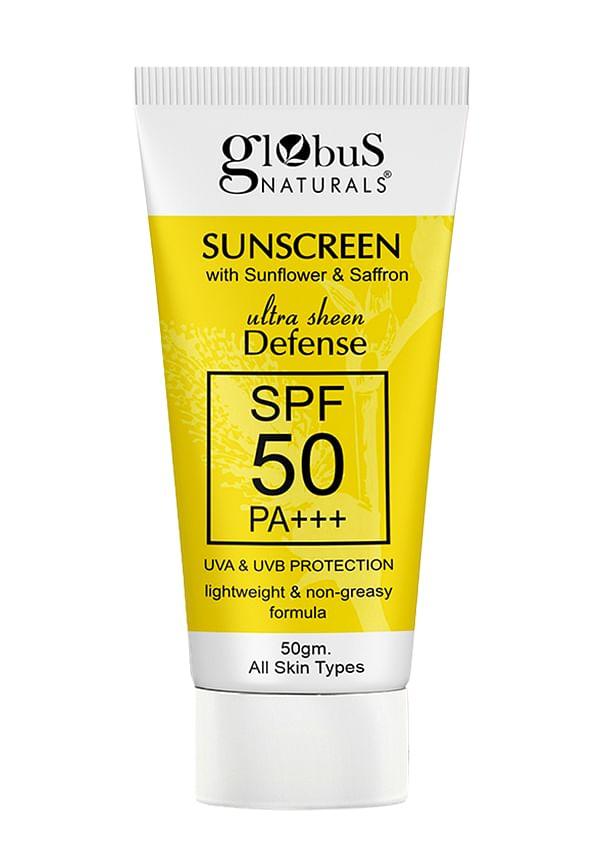
Sunscreen with Ultra Sheen Defense, SPF 50 PA+++, UVA & UVB Protection
Your scalp and hairline are surprisingly common spots for sun damage, particularly if you have thinning hair or prefer centre parts. Consider a scalp-specific SPF spray or wear a hat when spending extended time outdoors.
While sunscreen and protective clothing are essential, you can support your skin's natural defences from the inside out. Antioxidant-rich foods like berries, leafy greens, and tomatoes contain compounds that may help protect against UV damage. Lycopene in tomatoes, for example, has been shown to provide some natural SPF benefits when consumed regularly.
Staying properly hydrated helps maintain your skin's barrier function, making it more resilient against environmental stressors including UV radiation. Dehydrated skin is more prone to irritation and slower to heal from sun damage.
Check the UV Index before heading out—it's usually included in weather forecasts. When the index is 6 or higher, take extra precautions. Plan indoor activities during peak hours, and if you must be outside, stick to shaded areas as much as possible.
Sometimes you find yourself caught without proper protection. Maybe you forgot to reapply sunscreen during that afternoon walk, or you're at an outdoor event that's running longer than expected. Here's how to minimise damage when you're unprepared.
Seek immediate shade and cover exposed skin with whatever's available—a scarf, jacket, or even a large magazine can provide temporary relief. If you're near a shop, grab any sunscreen available rather than going without. Even a lower SPF is better than no protection at all.
Pay attention to your skin's signals. Mild redness, warmth, or tingling are early signs that you've had too much sun exposure. At this point, get out of the sun immediately and begin cooling your skin with cool (not cold) water or aloe vera gel.
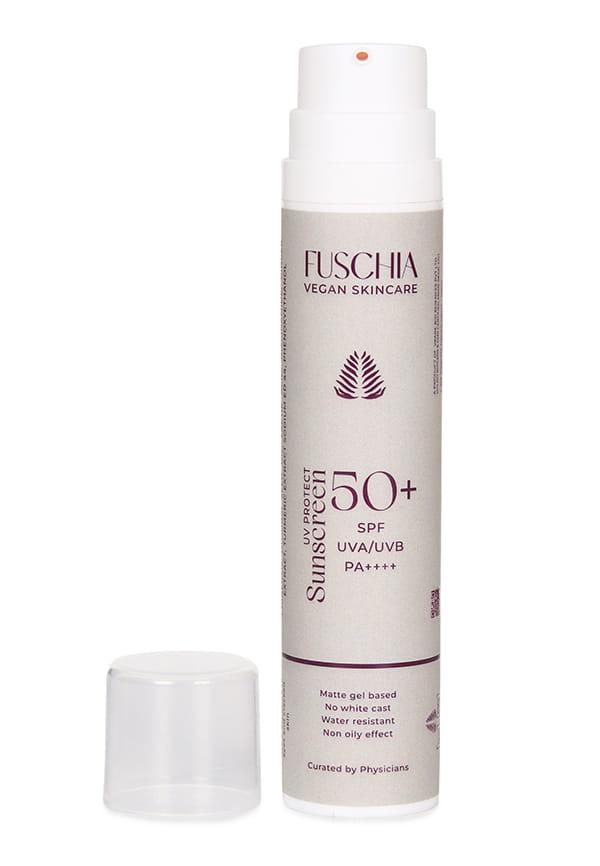
UV Protect Sunscreen with SPF 50+ , UVA/UVB and PA++++ Protection
The five most important sun safety tips are: apply broad-spectrum SPF 30+ sunscreen 30 minutes before sun exposure, reapply every two hours, seek shade during peak UV hours (10am-4pm), wear protective clothing and wide-brimmed hats, and don't forget often-missed areas like your lips, ears, and the tops of your feet.
Maximum protection comes from layering multiple strategies: use broad-spectrum SPF 50+ sunscreen, wear UPF-rated clothing, seek shade whenever possible, wear UV-blocking sunglasses and wide-brimmed hats, and avoid peak UV hours. Remember, no single method provides 100% protection, so combining approaches is key.
Use about 1/4 teaspoon (roughly 1.25ml) for your face and neck, and approximately 30ml for your entire body. Most people apply far less than needed, which significantly reduces protection. When in doubt, use more rather than less.
For daily use, choose a broad-spectrum sunscreen with at least SPF 30 that suits your skin type. Chemical sunscreens tend to be lighter and work well under makeup, while physical sunscreens with zinc oxide or titanium dioxide are ideal for sensitive skin. The best sunscreen is one you'll actually use consistently.
Natural protection includes seeking shade, wearing protective clothing, eating antioxidant-rich foods, staying hydrated, and timing outdoor activities to avoid peak UV hours. However, these methods should complement, not replace, proper sunscreen use for effective protection.
Protecting your skin from the sun isn't about avoiding the outdoors—it's about enjoying them safely while preserving your skin's health for the long term. Whether you're dealing with existing sun damage or working to prevent future concerns, consistent protection makes all the difference.
The beauty of proper sun protection lies in its simplicity. Once you establish good habits—applying sunscreen as part of your morning routine, keeping a hat handy, and being mindful of UV exposure—it becomes second nature. Your skin will thank you not just today, but years down the line when you're still enjoying that healthy, protected glow.
If you're exploring new sunscreen options or looking to upgrade your current protection routine, Smytten's curated selection includes trusted brands that make sun protection effortless and effective. With over 28 million users discovering their perfect products through trial sizes, you can find the right sunscreen for your skin type and lifestyle without the guesswork.
