Elevate Your Skincare Game: A Step-by-Step Tutorial


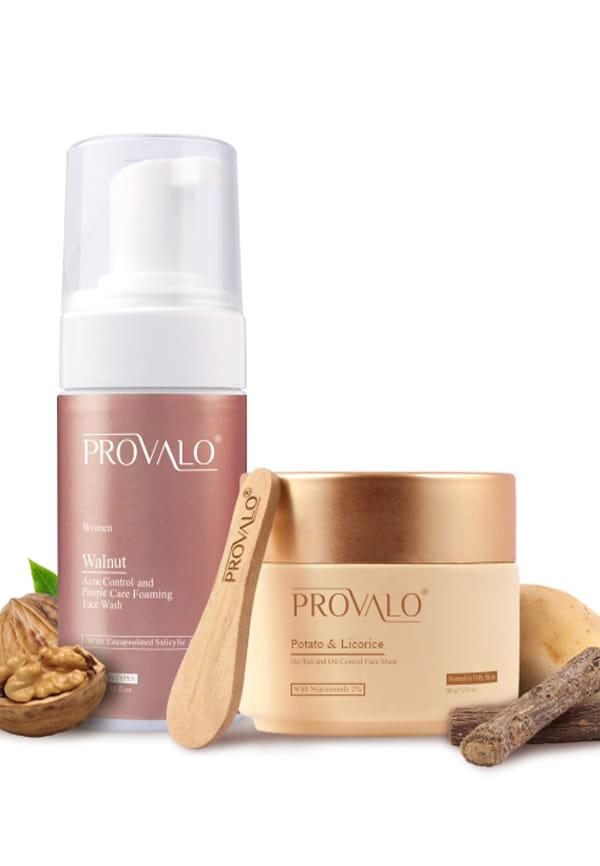
Cleanse and Glow Essentials Combo For Normal to Oily Skin (Women)
Real talk—your skincare game doesn't need a complete overhaul to level up. Sometimes it's the small tweaks that make the biggest difference to your skin health. Whether you're dealing with breakouts, dryness, or just want that glow everyone's talking about, a solid beauty routine can be your best mate. Think of this as your step-by-step guide to understanding what your skin actually needs and giving it exactly that. No complicated jargon, no overwhelming 12-step routines—just practical tips that fit into your real life. Let's discover your kind of skincare approach that's worth a try!
Before you start throwing products at your face, let's get one thing straight—knowing your skin type is everything. It's like trying to pick an outfit without knowing the weather forecast. You might get lucky, but you'll probably end up uncomfortable. Your skin type is the key to unlocking a skincare routine that actually works for you. Let's break it down in a way that's easy to understand and apply.
Here's a simple test that actually works. Wash your face with a gentle cleanser. Then don't apply anything for an hour. After that: - If your skin feels tight and looks a bit dull, you're likely dealing with dry skin. - Oily skin will start looking shiny, especially around the T-zone. - Combination skin shows oil in some areas but feels normal or dry in others. - Normal skin feels comfortable and balanced. - Sensitive skin might feel irritated or look red after cleansing.
Spot the signs early and you'll save yourself loads of hassle later. Here's what to look out for: - Acne: Shows up as blackheads, whiteheads, or inflamed bumps. - Hyperpigmentation: Appears as dark spots or patches. - Fine lines: Usually start around the eyes and mouth. - Dehydration: Makes skin look dull and feel tight, even if it's oily. Knowing what you're dealing with helps you pick the right products for facial care. It's all about curating a routine that's your kind of perfect.
Every solid skincare game needs these four non-negotiables. These aren't fancy extras—they're the basics that actually work. Master these and you're already ahead of most people.
Cleansing removes the day's buildup—makeup, pollution, excess oils. Use a gentle cleanser twice daily. Oil cleansers work brilliantly for removing makeup and sunscreen. Foam or gel cleansers suit oily skin better. The key is being gentle—your skin isn't a dirty pan that needs scrubbing.
Toners prep your skin to absorb the next products better. Look for hydrating toners with ingredients like hyaluronic acid for dry skin, or gentle exfoliating toners with salicylic acid for oily, acne-prone skin. Skip anything with alcohol—it's just going to irritate and dry out your skin unnecessarily.
Yes, even oily skin needs moisture. When your skin is dehydrated, it produces more oil to compensate. Lightweight gel moisturisers work for oily skin, whilst cream formulas suit dry skin better. Moisturising techniques matter too—apply whilst your skin is still slightly damp to lock in hydration.
SPF isn't optional if you want healthy skin long-term. UV damage causes premature ageing, dark spots, and increases skin cancer risk. Use broad-spectrum SPF 30 or higher daily, even when it's cloudy. Reapply every two hours if you're outdoors.
Once you've nailed the basics, these next-level techniques can really transform your complexion improvement journey. Think of these as the bonus points that take your routine from good to absolutely glowing.

Provalo Radiance Skincare Routine Gift Set- (Normal to Oily Skin) for Women
Exfoliation removes dead skin cells that make your complexion look dull. Chemical exfoliants like AHA (alpha hydroxy acids) and BHA (beta hydroxy acids) are gentler than physical scrubs. AHAs (like glycolic and lactic acid) brighten and smooth. BHAs (like salicylic acid) penetrate pores and work brilliantly for acne prevention. Start with once or twice weekly to avoid irritation.
Serums pack concentrated active ingredients into lightweight formulas. Vitamin C serums brighten and protect against environmental damage—use them in the morning. Niacinamide reduces oil production and minimises pores. Hyaluronic acid provides an instant hydration boost. Layer from thinnest to thickest consistency.
Masks give your skin an intensive treatment. Clay masks absorb excess oil and unclog pores—perfect for acne-prone skin. Hydrating masks with ingredients like ceramides and hyaluronic acid plump dehydrated skin. Sheet masks are convenient for a quick moisture hit. Use masks 1-2 times weekly based on your skin's needs.
Starting anti-aging strategies early is like investing in your skin's future—the sooner you begin, the better your returns. You don't need to wait for wrinkles to appear before taking action.
Retinoids are basically the holy grail of anti-ageing ingredients. They speed up cell turnover, reduce fine lines, and improve skin texture. Start with a low concentration retinol 2-3 times weekly. Always use SPF during the day as retinoids increase sun sensitivity. Expect some initial irritation—it's normal and usually settles within a few weeks.
Antioxidants fight free radicals that cause premature ageing. Vitamin C is the superstar—it brightens, protects, and stimulates collagen production. Vitamin E and green tea extract also offer excellent protection. Use antioxidant serums in the morning under your sunscreen for maximum protection.
Your daily habits affect how your skin ages. Getting enough sleep helps skin repair itself overnight. Staying hydrated keeps skin plump and healthy. A diet rich in antioxidants supports skin from within. Regular exercise boosts circulation, giving you that natural glow. Managing stress prevents cortisol from wreaking havoc on your complexion.
Dealing with breakouts can be frustrating, but the right approach makes all the difference. Acne prevention is often more effective than trying to treat active breakouts after they appear.
Consistency beats intensity when it comes to acne-prone skin. Cleanse twice daily with a gentle, non-comedogenic cleanser. Change pillowcases regularly—they harbour bacteria and oils. Avoid touching your face throughout the day. Choose oil-free, non-comedogenic products to prevent pore blockages.
Spot treatments target individual blemishes without drying out surrounding skin. Salicylic acid penetrates pores and reduces inflammation. Benzoyl peroxide kills acne-causing bacteria but can be drying. Apply a thin layer only to affected areas after cleansing but before moisturising.
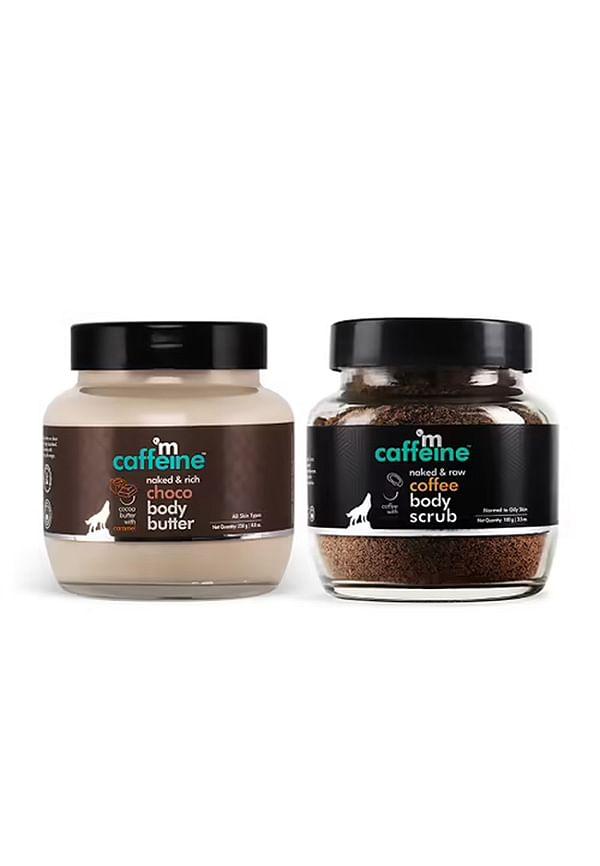
Body Polishing Kit for Exfoliation, Tan Removal & Intense Moisturization
Loved the product
 5
5“I loved this product so so much”
Affordable with Good Quality & Quantity
5“affordable price and good quality and quantity”
Very Good Product
5“goooooooooooood h bhut mst h please”
Some situations need professional dermatology tips and treatment. If over-the-counter products aren't working after 12 weeks, it's time to see a dermatologist. Cystic acne, severe scarring, or acne affecting your mental health all warrant professional care. Don't suffer in silence—effective treatments are available.
True skin hydration comes from multiple sources, not just your water bottle. Think of it as creating the perfect environment for your skin to hold onto moisture naturally.
Hyaluronic acid can hold many times its weight in water, making it brilliant for dehydrated skin. It works by drawing moisture from the environment and deeper skin layers to the surface. Apply hyaluronic acid serum to damp skin, then seal with moisturiser to prevent water loss.
Layering products correctly maximises hydration. Start with the thinnest consistency and work up to thickest. Apply each layer to slightly damp skin—this helps products absorb better. Wait 30 seconds between layers to allow proper absorption. This technique creates multiple moisture barriers.
What you eat affects your skin's ability to retain moisture. Omega-3 fatty acids from fish and nuts strengthen the skin barrier. Vitamin C supports collagen production. Zinc helps with skin repair and oil regulation. Stay hydrated, but remember that topical hydration is just as important as drinking water.
Your skincare game needs to evolve with your skin's changing needs. What works in summer might not cut it in winter, and your twenties routine definitely won't be the same in your thirties.
Winter calls for richer moisturisers and gentler cleansers as heating systems dry out your skin. Summer means lightweight, oil-free products and extra SPF attention. Monsoon humidity might require more frequent cleansing and lightweight hydration. Listen to your skin and adjust accordingly.
Target specific issues with focused treatments. Dark spots respond well to vitamin C and niacinamide. Rosacea needs gentle, fragrance-free products and mineral sunscreen. Enlarged pores benefit from BHA exfoliation and niacinamide. Match your products to your primary concerns for better results.
Introduce one new product at a time to identify what works and what doesn't. Start with a lower concentration of active ingredients. Do a patch test on your inner arm before applying to your face. Give products several weeks to show results before deciding they're not working.
Technology is changing how we approach skincare, from at-home devices that rival professional treatments to apps that track our skin's progress. It's worth understanding what's actually helpful and what's just hype.
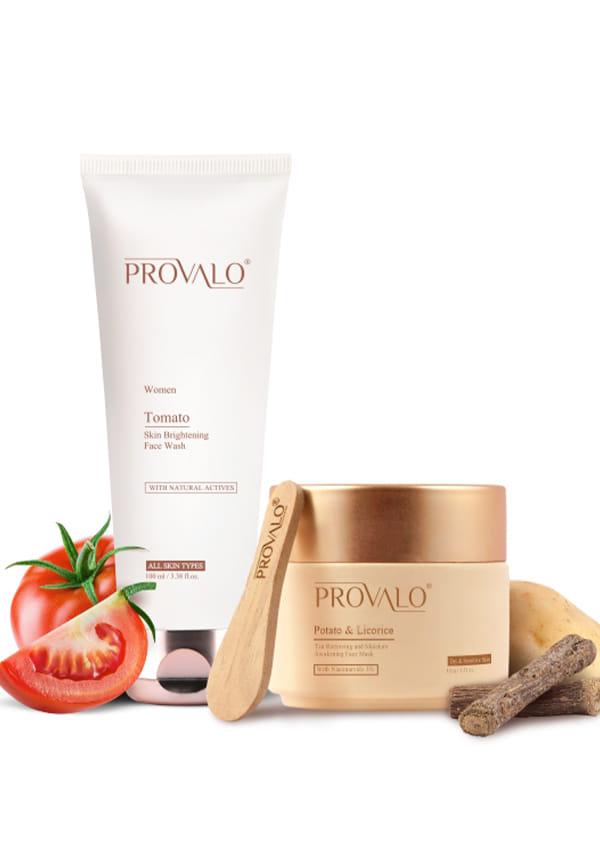
Gentle Cleansing and Skin Illumination Kit Combo For Normal to Oily Skin (Women)
LED light therapy devices can help with acne and anti-ageing when used consistently. Facial cleansing brushes provide deeper cleansing but can irritate sensitive skin. Microcurrent devices claim to tone facial muscles—results vary. Pros: convenience and long-term cost savings. Cons: initial investment and learning curve required.
Skincare apps help track product usage and skin changes over time. Some use AI to analyse your skin condition from photos. Others help you build routines and remind you to apply products. Whilst helpful for tracking progress, don't rely solely on apps for serious skin concerns—professional advice is still invaluable.
Your core routine should remain consistent, but you might need seasonal adjustments or tweaks based on skin changes. Major overhauls aren't necessary—small modifications work better. If your skin is happy and healthy, don't fix what isn't broken.
Most products work fine for both, but some are better suited to specific times. Use antioxidant serums and SPF during the day. Reserve retinoids and heavy moisturisers for nighttime. Your skin repairs itself whilst you sleep, so night is perfect for active ingredients.
Most products typically need several weeks to show noticeable results as your skin completes its renewal cycle. Some ingredients like hyaluronic acid provide immediate hydration, whilst retinoids might take longer for significant anti-ageing effects. Patience is key—consistency matters more than quick fixes.
Price doesn't always equal quality. Many affordable products contain the same active ingredients as expensive ones. Focus on ingredient lists rather than price tags. Sometimes you're paying for packaging, marketing, or brand prestige rather than superior formulations.
Generally, apply products from thinnest to thickest consistency. A typical order would be: cleanser, toner, serum, moisturiser, and then sunscreen (during the day). Night routines might include treatments like retinoids before moisturiser.
Less is often more with skincare. For most products, a pea-sized amount is sufficient for your entire face. Serums typically need just a few drops. Sunscreen is the exception—use about a 1/4 teaspoon for your face to ensure adequate protection.
Absolutely! There's no need to stick to one brand for all your products. What matters is that the ingredients work well together and suit your skin type. Just introduce new products one at a time to see how your skin reacts.
Building a solid skincare game isn't about having the most products or following the latest trends—it's about understanding your skin and giving it what it needs consistently. Start with the basics: gentle cleansing, proper hydration, and daily sun protection. Once these become second nature, you can explore targeted treatments for specific concerns. Remember, your skin is unique, so what works for others might not work for you. Be patient with the process, listen to your skin, and don't be afraid to adjust your routine as your needs change. The best skincare routine is the one you'll actually stick to, so keep it simple, effective, and enjoyable. Before committing to full-size products, try samples to see what works for your skin. This trial-first approach can help you discover your perfect routine without wasting money on products that don't suit you. After all, skincare should be a fun daily ritual, not a chore. So go ahead, play around with different products, and find what makes your skin happy. Your perfect skincare game is out there, and it's definitely worth discovering!
