Does Sunscreen Expire? Your FAQ on Shelf Life & Safety

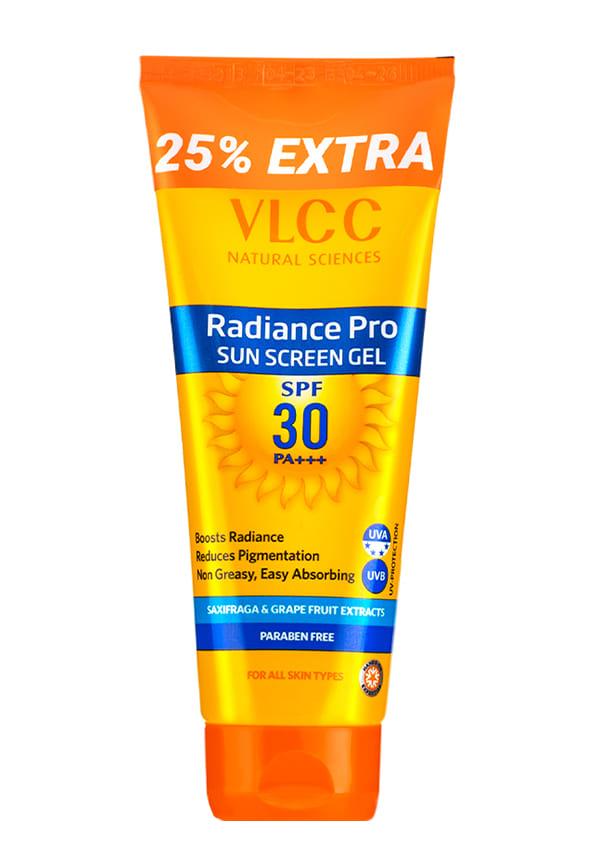
Radiance Pro SPF 30 PA+++ Sunscreen Gel with 25 g Extra
Strong Smell, Heavy but Useful
 4
4“strong smell, texture is a bit heavy but usefull product”
Strong Smell, Heavy but Useful
4“strong smell, texture is a bit heavy but usefull product”
Strong Smell, Heavy but Useful
4“strong smell, texture is a bit heavy but usefull product”
Sunscreen typically lasts 3 years unopened, but only 12-18 months once opened
Expired sunscreen loses SPF potency and may cause skin irritation
Look for texture changes, colour shifts, and unusual smells to identify bad sunscreen
Proper storage away from heat and light extends sunscreen lifespan
Replace sunscreen annually for optimal protection, especially after holidays
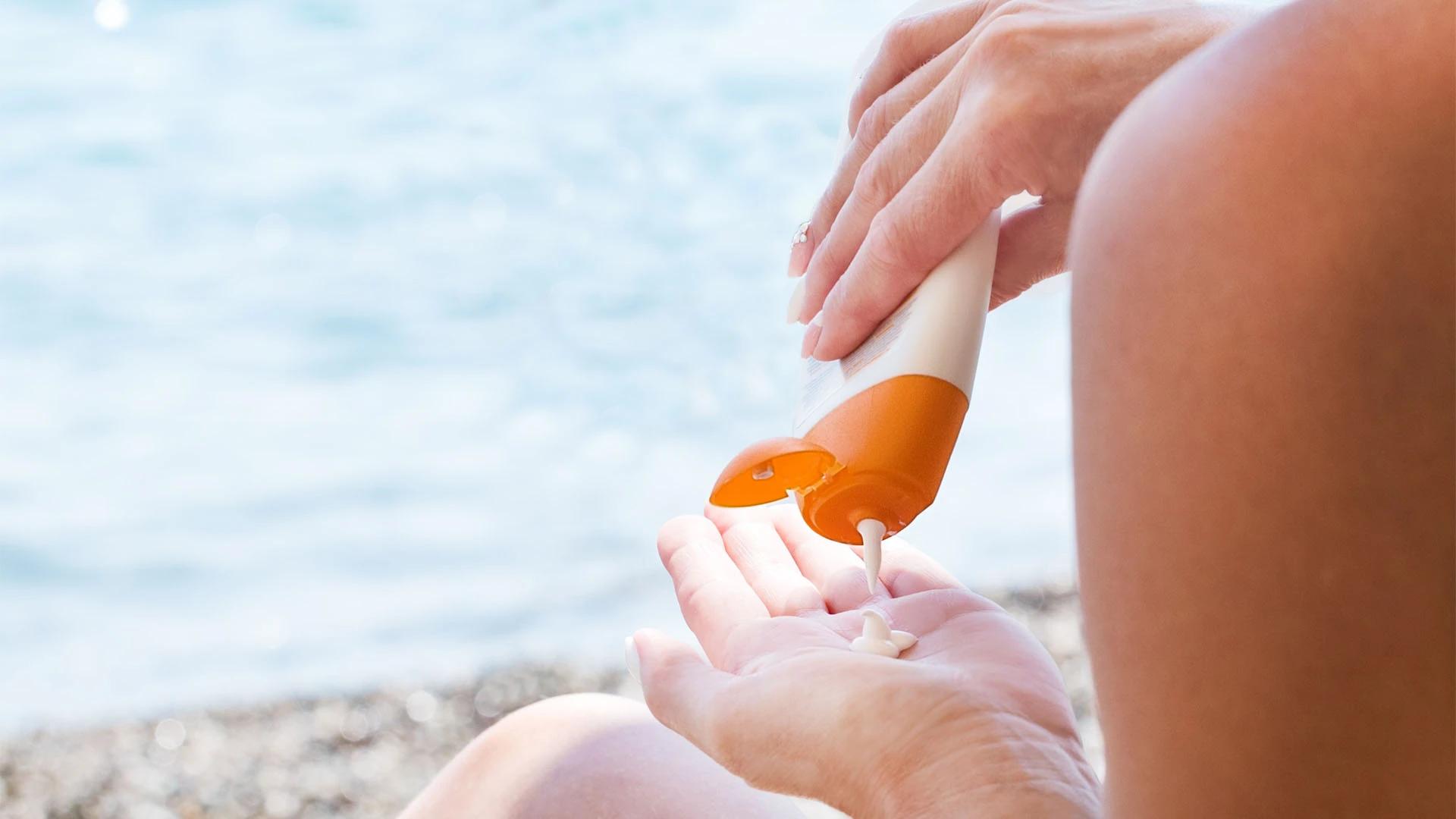
That tube of sunscreen sitting in your beach bag from last summer—is it still doing its job? If you've ever wondered whether sunscreen expires and how long it actually lasts, you're asking the right questions. Sunscreen isn't just another beauty product you can use indefinitely; it's your skin's primary defence against UV damage, premature ageing, and skin cancer. Understanding sunscreen shelf life isn't just about getting your money's worth—it's about ensuring your skin stays properly protected. From chemical breakdowns to storage mishaps, several factors affect how long your SPF remains effective. Whether you're dealing with that forgotten bottle in your car or trying to work out if your daily facial sunscreen is still up to the task, knowing the signs of expired sunscreen can save your skin from unnecessary damage. With platforms like Smytten offering trial-sized sunscreens from trusted brands, you can test different formulations without committing to full-size products that might expire before you finish them.
The FDA requires all sunscreens to maintain their stated SPF for at least three years from the manufacturing date. This regulation ensures that when you pick up a bottle from the shelf, it's guaranteed to work as advertised for a reasonable period. However, this three-year minimum is just the starting point—not the full story of your sunscreen's lifespan.
Sunscreen degrades over time due to chemical breakdown of its active ingredients. UV filters, whether chemical (like avobenzone and octinoxate) or physical (zinc oxide and titanium dioxide), gradually lose their potency when exposed to air, light, and temperature fluctuations. Think of it like how vitamin C serums oxidise—the protective compounds simply become less effective as they interact with environmental factors.
The expiration date on your sunscreen bottle represents the manufacturer's guarantee that the product will maintain its labelled SPF until that point, assuming proper storage conditions. After this date, the sunscreen may still provide some protection, but you can't rely on it to deliver the SPF level printed on the packaging.
The lifespan of your sunscreen depends on several factors, from whether you've opened it to how you've stored it. Understanding these variables helps you make informed decisions about when to replace your sun protection.
Unopened sunscreen maintains its potency for three years or more when stored properly. The sealed environment prevents contamination and limits exposure to air, which can accelerate ingredient breakdown. Once opened, however, the clock starts ticking faster—most sunscreens remain effective for 12 to 18 months maximum.
Physical sunscreens containing zinc oxide and titanium dioxide tend to be more stable over time than their chemical counterparts. These mineral ingredients don't break down as readily, making them potentially longer-lasting. Chemical sunscreens, whilst often more cosmetically elegant, may degrade faster, especially when exposed to heat and light.
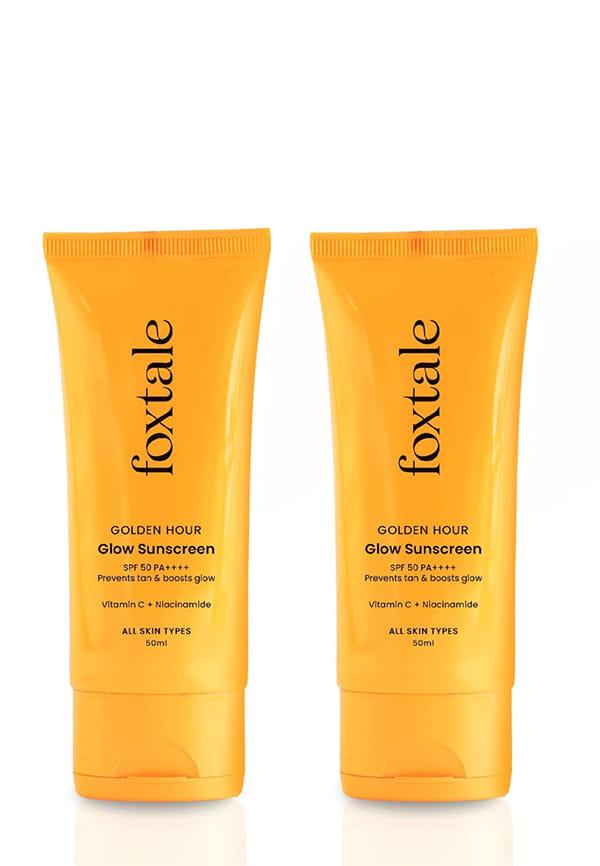
Glow Sunscreen SPF 50 PA++++ Lightweight with Vitamin C and Niacinamide- Pack of 2
Good for Oily Skin
5“nice product and gel type so such for oily skin”
Loved Foxtale, amazing results!
5“Really loved using Foxtale! The product feels amazing on my skin and has given me great results. ✨ Definitely worth trying—highly recommend it! 💗”
Effective UV Filters
5“new age uv filters very good in use”
Where and how you store sunscreen dramatically affects its lifespan. That bottle left in your car during summer can reach temperatures exceeding 60°C, accelerating ingredient breakdown. Similarly, bathroom storage near hot showers or direct sunlight through windows can reduce effectiveness. Humidity also plays a role, potentially encouraging bacterial growth in opened products.
Using expired sunscreen isn't just about reduced effectiveness—it can actively harm your skin. When UV filters break down, they may form new compounds that can irritate sensitive skin or cause allergic reactions. You might experience redness, stinging, or even contact dermatitis from ingredients that have chemically changed over time.
The most significant risk, however, is inadequate sun protection. Expired sunscreen may provide only a fraction of its original SPF, leaving you vulnerable to sunburn, premature ageing, and increased skin cancer risk. This false sense of security can be particularly dangerous during extended outdoor activities or holidays when proper protection is crucial.
Some people report that old sunscreen feels different on application—grittier, harder to spread, or leaving an unusual residue. These texture changes often indicate that the formulation has separated or degraded, compromising both comfort and protection.
Recognising expired or degraded sunscreen doesn't require laboratory testing—your senses can detect most warning signs. Here are the key indicators that your sunscreen needs replacing:
Texture Changes: Fresh sunscreen should feel smooth and blend easily. If you notice grittiness, clumping, or difficulty spreading, the formulation has likely broken down.
Colour Shifts: Most sunscreens are white or clear when fresh. Yellowing, darkening, or any unusual colour changes suggest ingredient degradation or contamination.
Smell Changes: Sunscreen should smell neutral or like its intended fragrance. Rancid, chemical, or sour odours indicate the product has gone off.
Consistency Issues: If your previously thick sunscreen has become watery, or your fluid sunscreen has thickened significantly, the formulation has destabilised.
Visible Separation: Oil and water layers that won't mix even after shaking suggest the emulsion has broken down permanently.
Packaging Damage: Cracked tubes, broken pumps, or damaged containers can introduce contaminants and accelerate degradation.
Past Expiration Date: When in doubt, check the date. If it's expired, it's time for a replacement regardless of how it looks or smells.
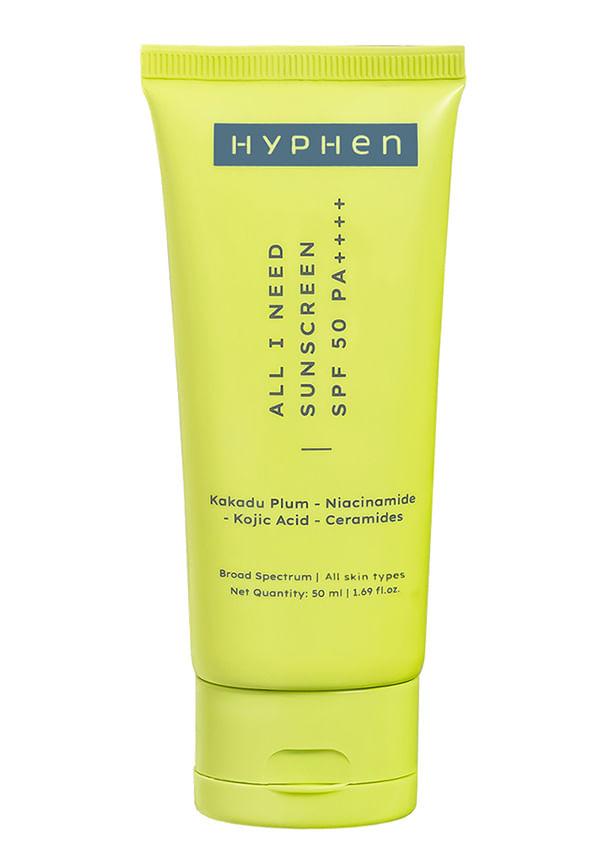
All I Need Sunscreen SPF 50 PA++++
Loved the everyday sunscreen
5“My everyday sunscreen😍 soo good, loved it!”
Loved the everyday sunscreen
5“My everyday sunscreen😍 soo good, loved it!”
Good for dry skin
5“Good product for dry skin.Nice”
Proper storage can significantly extend your sunscreen's effective life and ensure it performs as intended. Small changes in how you handle and store your sun protection can make a meaningful difference in its longevity.
Store sunscreen in a cool, dry place away from direct sunlight—ideally below 25°C. Your bedroom drawer or a bathroom cabinet away from the shower works well. Avoid leaving sunscreen in cars, beach bags in direct sun, or near heating sources. For travel, pack sunscreen in your luggage rather than carry-on if possible, as cargo holds maintain more stable temperatures than cabin storage.
Always use clean hands when applying sunscreen to prevent introducing bacteria. Replace caps immediately after use to minimise air exposure. For pump bottles, avoid touching the dispenser tip to your skin. When sharing sunscreen, dispense it onto clean hands rather than applying directly from the container.
Consider replacing sunscreen annually, regardless of expiration dates, especially if you use it daily. After beach holidays or extended outdoor activities, assess whether your sunscreen has been exposed to extreme conditions. If you notice any of the warning signs mentioned earlier, replace it immediately rather than risking inadequate protection.
Brand | Product | Best For | Key Ingredients | Price Range | Skin Type |
|---|---|---|---|---|---|
The Derma Co. | 1% Hyaluronic Sunscreen Aqua Gel SPF 50 | Daily hydrating protection | Hyaluronic Acid, Vitamin E | Mid-range | All skin types, dehydrated |
Dot & Key | Watermelon Cooling Sunscreen SPF 50+ | Hot, humid weather | Watermelon Extract, Hyaluronic Acid | Mid-range | Oily, combination |
Minimalist | Light Fluid SPF 50 Face Sunscreen | Under makeup, invisible finish | Multi-UV Filters | Premium | Oily, combination |
Foxtale | SPF 70 Matte Finish Sunscreen | Long outdoor exposure | UV Filters, Niacinamide | Mid-range | Oily, combination |
Aqualogica | Glow+ Dewy Sunscreen SPF 50 | Brightening daily wear | Vitamin C, Papaya Extract | Mid-range | Dull, normal, dry |
It's not recommended to use sunscreen that's 2 years expired. The SPF protection will be significantly reduced, and you risk skin irritation from degraded ingredients. The safety margin built into expiration dates doesn't extend that far beyond the printed date.
Sunscreen that's 5 years old is almost certainly ineffective and potentially harmful. The active ingredients will have broken down substantially, offering minimal UV protection. It's best to dispose of such old sunscreen and purchase a fresh bottle.
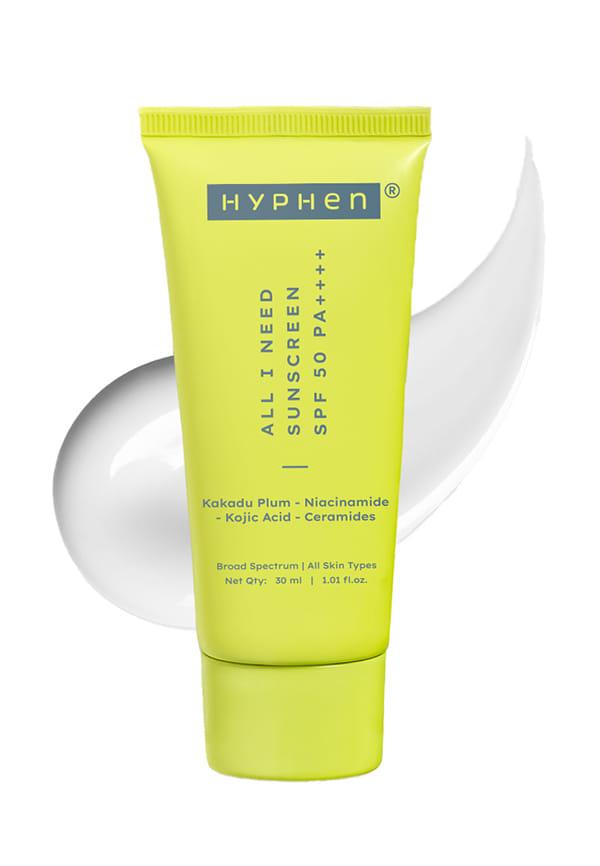
All I Need Sunscreen SPF 50 PA++++
Makes face bright
5“product really make my face very bright”
Good Product, High Price
4“Sunscreen acha hai but price bahut jyada h”
Good Product, High Price
4“Sunscreen acha hai but price bahut jyada h”
Using sunscreen that's 1 year past expiration may provide some protection, but likely much less than the stated SPF. You're at higher risk of sunburn and may experience skin irritation. For reliable protection, it's worth investing in a new bottle.
Look for changes in texture, colour, or smell. Fresh sunscreen should spread smoothly, maintain its original colour, and smell neutral. Any grittiness, separation, discolouration, or unusual odours indicate the product has degraded.
Refrigeration can help slow ingredient breakdown, but it's not necessary for most sunscreens. Cool, dry storage at room temperature is sufficient. However, if you live in a very hot climate, refrigeration might help preserve your sunscreen's effectiveness.
In a true emergency where no other sun protection is available, expired sunscreen may offer some protection—but don't rely on it. Seek shade, cover up with clothing, and replace the sunscreen as soon as possible. Platforms like Smytten offer convenient access to trial-sized sunscreens for such situations.
Sunscreen expiration isn't just a suggestion—it's crucial for maintaining effective UV protection. Remember that unopened sunscreen lasts about 3 years, but once opened, you should replace it within 12-18 months. Physical sunscreens with zinc oxide tend to be more stable than chemical formulations, but both require proper storage to maintain their effectiveness.
Trust your senses when evaluating sunscreen condition. Changes in texture, colour, or smell are clear indicators that your sun protection has degraded. Don't risk inadequate protection by using questionable sunscreen—the potential consequences of UV damage far outweigh the cost of replacement.
Consider adopting an annual replacement routine, especially if you use sunscreen daily. This ensures you're always protected with fresh, effective products. For those who use sunscreen occasionally, smaller sizes or trial versions can help prevent waste whilst ensuring you always have effective protection when needed.
Understanding sunscreen expiration empowers you to make informed decisions about your sun protection routine. Whether you're a daily SPF user or someone who reaches for sunscreen seasonally, knowing when to replace your products ensures your skin stays properly protected. Smytten is India's largest product discovery and trial platform, connecting consumers with top lifestyle, beauty, wellness, and grooming brands including trusted sunscreen manufacturers like The Derma Co., Dot & Key, and Minimalist. With curated trial packs from over 2,400 brands, you can explore different sunscreen formulations before committing to full-size purchases. Each mini is linked with Trial Points, and users can get up to 10 Trial Points for just ₹279, with 100% cashback on trial purchases redeemable for future orders. This try before you buy approach is particularly valuable for sunscreen, where finding the right texture and protection level for your skin type is essential. With over 28 million users and 100% authentic, directly sourced products delivered across 90% pincode coverage, Smytten helps you discover your perfect sun protection without the commitment of full-size products that might expire before you finish them.
