Do I Need Moisturizer If I Have Oily Skin? FAQ


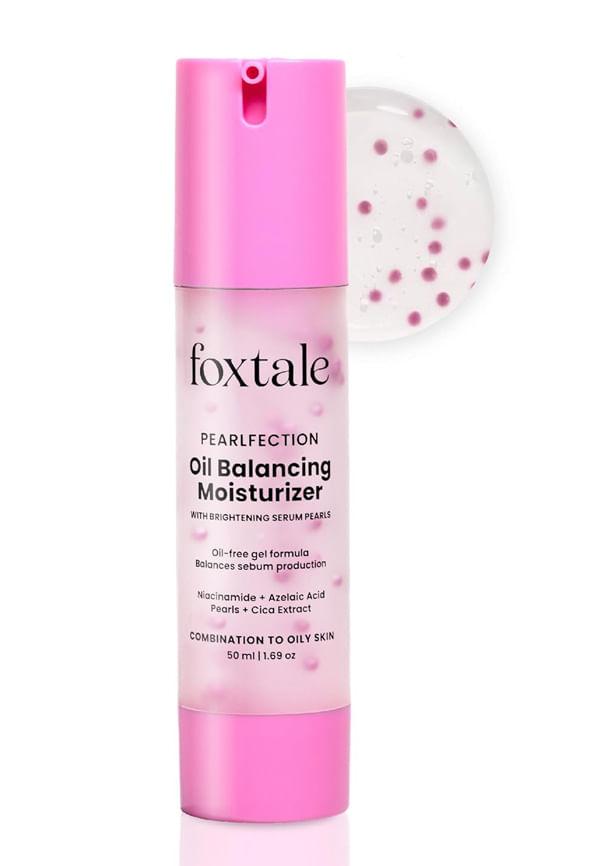
Oil Balancing Moisturizer
Good for Face
 5
5“nice for face smoothening and non sticky”
Cooling and Lightweight
4“cooling and light weight on skin ”
Lightweight, Controls Oil
4“light weighted on my skin ...it maintains the oil secretion too”
Picture this: you've just finished your evening skincare routine, and you're staring at that moisturiser sitting on your bathroom shelf. Your T-zone is already looking a bit shiny, and the last thing you want is to add more moisture to skin that feels like it's producing enough oil to fuel a small car. Sound familiar? If you've got oily skin, you've probably wondered whether moisturiser is actually necessary or just another step that'll leave you looking like you've been dipped in coconut oil. The short answer? Yes, you absolutely need moisturiser—even if your skin feels like it's doing just fine without it. Let's dive into why this seemingly counterintuitive step is actually your oily skin's best friend.
Here's the thing about oily skin: it's not actually well-hydrated skin. Your skin produces sebum (natural oil) through sebaceous glands, but that doesn't mean it's getting the water-based hydration it needs to function properly. Think of it like this—oil and water serve completely different purposes for your skin, just like how olive oil and water serve different purposes in cooking. When your skin lacks proper hydration, it goes into panic mode. Your sebaceous glands start working overtime, pumping out even more oil to compensate for what they perceive as a moisture deficit. It's like your skin is saying, "We're dry! Quick, make more oil!" This creates a frustrating cycle where skipping moisturiser actually makes your skin oilier, not less oily. The science behind this is fascinating. Your skin barrier—the outermost layer that protects you from environmental damage—needs both water and lipids to function properly. When you strip away moisture or fail to replenish it, this barrier becomes compromised. A damaged skin barrier can't regulate oil production effectively, leading to increased shine, congestion, and even sensitivity. Real talk: many people with oily skin have actually been dealing with dehydrated oily skin for years without realising it. Dehydration shows up as tightness, flakiness in some areas while others remain oily, and that uncomfortable feeling where your skin simultaneously feels greasy and parched.
Skipping moisturiser might feel like the logical choice when your skin already feels slick by lunchtime, but it actually sets off a chain reaction that makes oily skin worse. Within hours of cleansing without following up with hydration, your skin begins producing excess sebum to compensate for the moisture loss. Your skin barrier becomes compromised when it lacks proper hydration, making it more vulnerable to environmental stressors like pollution, air conditioning, and UV damage. This leads to inflammation, which can trigger even more oil production and create the perfect environment for breakouts. Without adequate moisture, your skin texture becomes uneven. You might notice your pores looking larger (they're actually just more visible when the surrounding skin is dehydrated), and your complexion may appear dull despite the excess oil. The irony is that while your skin feels oily, it's actually crying out for hydration. Over time, consistently skipping moisturiser can lead to premature signs of ageing. Dehydrated skin develops fine lines more easily, particularly around the eyes and mouth. These aren't the same as wrinkles caused by sun damage—they're dehydration lines that can appear even on young skin. The timeline for these effects varies, but many people notice increased oiliness within 24-48 hours of skipping moisturiser, while barrier damage and sensitivity can develop over weeks of inconsistent hydration.
Proper moisturising sends a signal to your sebaceous glands that your skin has adequate hydration, which helps regulate oil production over time. It's not an overnight fix, but with consistent use, many people notice their skin becomes less oily throughout the day. Hydration vs. moisture is key to understanding this process. Hydration refers to water content in your skin cells, while moisture refers to the oil content. Your skin needs both, and a good moisturiser provides hydration while helping to lock it in without adding excess oil. A well-formulated moisturiser also strengthens your skin barrier, making it more resilient against environmental stressors that can trigger inflammation and excess oil production. When your barrier is healthy, your skin can better regulate itself naturally. Moisturiser also creates a smooth base for other skincare products and makeup. When your skin is properly hydrated, serums absorb better, SPF applies more evenly, and makeup looks smoother and lasts longer. The Foxtale Oil Balancing Moisturiser is particularly effective for this, as it's specifically formulated to provide lightweight hydration while helping to control excess oil production throughout the day. Its gel-based formula absorbs quickly without leaving a greasy residue, making it perfect for those who want hydration without the heavy feel.
Not all moisturisers are created equal, especially when it comes to oily skin. The key is finding formulations that provide hydration without adding excess oil or clogging pores.
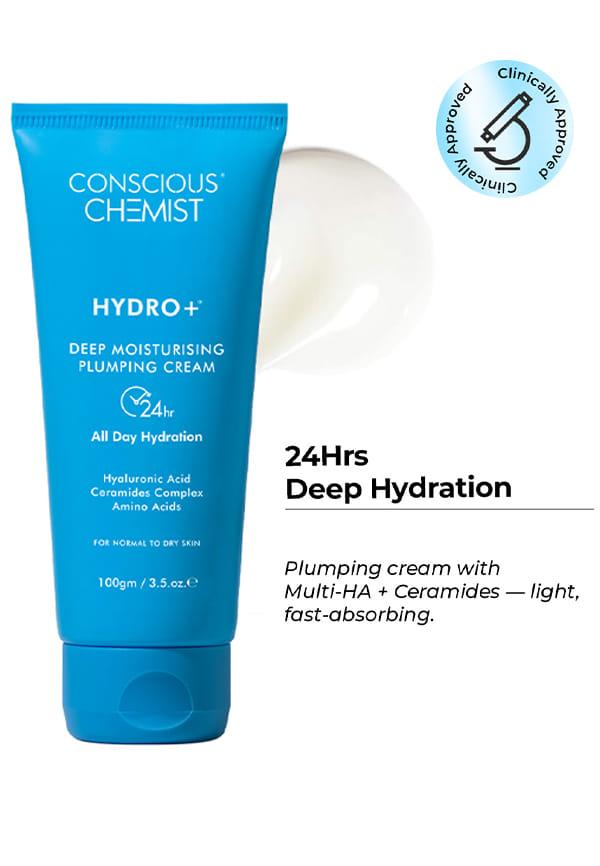
Hyaluronic Acid Lightweight Gel Cream with Ceramides
Deeply Hydrated Dry Skin
5“deeply hydrated my dry skin , just go for it”
Deeply Hydrated Dry Skin
5“deeply hydrated my dry skin , just go for it”
Good Product, Good Hydration
5“Such a good product Good Hydration”
Gel moisturisers are often the gold standard for oily skin. They're typically water-based, absorb quickly, and provide hydration without leaving a greasy residue. Look for clear or translucent gels that feel cooling on the skin. Lightweight lotions can also work well, particularly those labelled as "oil-free" or "for oily skin." These usually have a thinner consistency than traditional creams and absorb more readily. Serum-moisturiser hybrids are becoming increasingly popular. These products combine the lightweight feel of a serum with the hydrating properties of a moisturiser, making them perfect for those who want minimal layers.
Hyaluronic acid is a powerhouse ingredient that can hold up to 1,000 times its weight in water. It provides intense hydration without any oily feel and works well under makeup. Niacinamide is particularly beneficial for oily skin as it helps regulate sebum production while providing anti-inflammatory benefits. It can also help minimise the appearance of pores over time. Glycerin is a humectant that draws moisture from the environment into your skin. It's lightweight and suitable for all skin types, including sensitive oily skin. Ceramides help restore and maintain your skin barrier, which is crucial for regulating oil production and preventing moisture loss.
Steer clear of heavy creams, anything with a high concentration of oils (particularly comedogenic ones like coconut oil), and products with alcohol high on the ingredient list, as these can be overly drying and trigger more oil production.
Your moisturising needs can vary throughout the day, and understanding when to use different formulations can help optimise your routine.
Mornings call for lightweight, fast-absorbing formulations that won't interfere with SPF or makeup application. Apply moisturiser to slightly damp skin for better absorption, then wait a few minutes before applying sunscreen. If you're using a moisturiser with SPF, make sure it provides at least SPF 30 and broad-spectrum protection. However, many dermatologists recommend using separate moisturiser and sunscreen products for better coverage and protection.
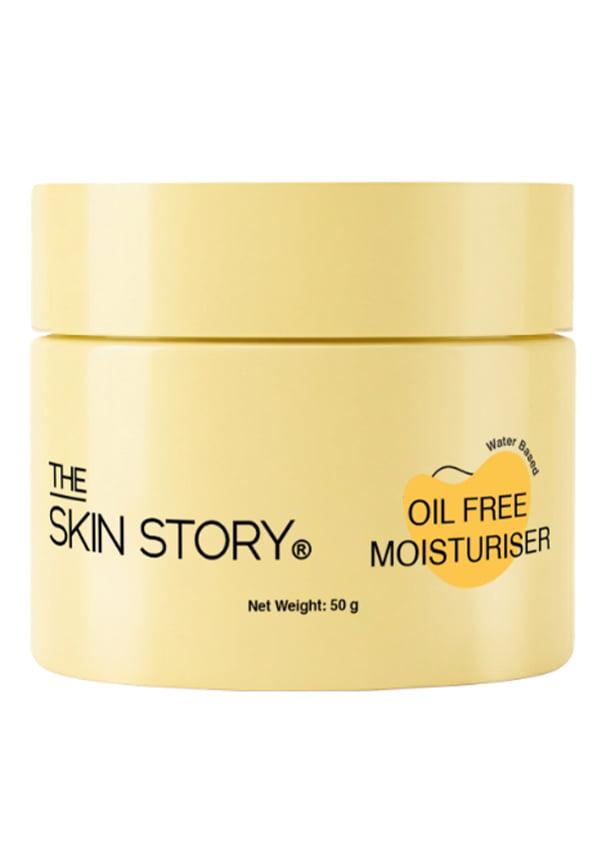
Oil Free Moisturiser For Acne Prone Oily Skin With 2% Niacinamide
Evenings offer more flexibility for slightly richer formulations, as you don't need to worry about makeup application or sun protection. This is also when you can incorporate treatment ingredients like retinol or AHAs, though these should be introduced gradually. If you're using active ingredients, apply them first (after cleansing and toning), then follow with moisturiser to help buffer any potential irritation.
Apply moisturiser to slightly damp skin for enhanced absorption. Use gentle upward strokes, and don't forget often-missed areas like your neck and around your eyes (though you may want a separate eye cream for this delicate area). The amount matters too—you need enough to cover your entire face and neck, but not so much that it sits on top of your skin. Start with a small amount and build up if needed.
One of the biggest mistakes is choosing products that are too heavy or rich. Just because a moisturiser works for dry skin doesn't mean it's suitable for oily skin. Heavy creams can clog pores and exacerbate oiliness. Over-cleansing is another common issue. Using harsh cleansers or cleansing too frequently strips your skin's natural oils, triggering increased sebum production. This makes moisturising even more crucial, but many people skip it thinking their skin is "too clean" to need hydration. Inconsistent application is also problematic. Your skin needs regular hydration to maintain balance. Skipping moisturiser some days and using it others confuses your skin's natural regulatory processes. Seasonal adjustments are often overlooked. Your skin's needs change with the weather—you might need a slightly richer formula in winter when indoor heating is drying, or a more lightweight option during humid summer months. Layering products incorrectly can also cause issues. Always apply thinnest to thickest consistency, and allow each layer to absorb before applying the next.
Absolutely. Nighttime is when your skin does most of its repair work, and it needs adequate hydration to function optimally. You can often use a slightly richer formula at night since you don't need to worry about makeup application or sun protection.
Yes, morning moisturising is essential for protecting your skin throughout the day and creating a good base for SPF and makeup. Choose lightweight, fast-absorbing formulations that won't interfere with your other morning products.
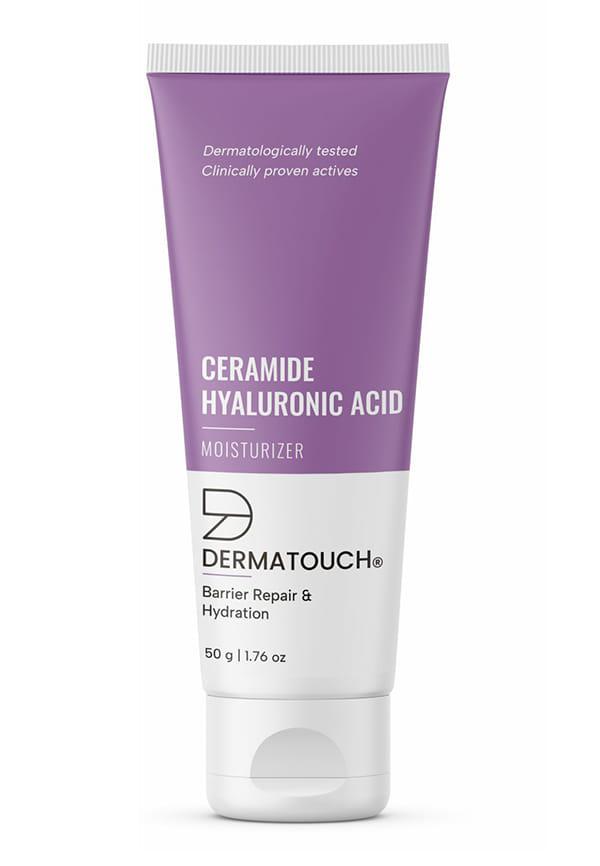
Ceramide Hyaluronic Acid Moisturizer for intense moisturization and barrier repair
Look for non-comedogenic formulas with ingredients like niacinamide, hyaluronic acid, or salicylic acid. Avoid heavy creams and products with high concentrations of oils. Gel-based moisturisers are often the best choice for acne-prone skin.
Yes, hormonal fluctuations can significantly impact oil production. Many people notice increased oiliness during certain times of their menstrual cycle, during pregnancy, or due to hormonal conditions like PCOS. Consistent moisturising becomes even more important during these times.
There are very few situations where skipping moisturiser is advisable. Even if you're using strong active ingredients that initially make your skin feel tight or dry, you should still moisturise—just choose a gentle, fragrance-free formula and apply it after your treatment products.
While you can use the same basic formula, you might need to make seasonal adjustments. Winter often requires slightly richer formulations due to indoor heating and cold weather, while summer might call for even lighter, more mattifying options.
The myth that oily skin doesn't need moisturiser has probably caused more skincare problems than almost any other misconception. Your skin produces oil and needs water-based hydration—these are two completely different things that serve different purposes. Skipping moisturiser doesn't control oil; it actually makes your skin produce more of it. The key is finding the right formulation for your specific needs. Whether that's a lightweight gel, a serum-moisturiser hybrid, or a traditional lotion designed for oily skin, consistency is what matters most. Your skin needs time to adjust and find its balance, so give any new routine at least 4-6 weeks before deciding if it's working. Remember that skincare is highly individual. What works for your friend's oily skin might not work for yours, and that's completely normal. Pay attention to how your skin responds and adjust accordingly. If you're curious about trying different moisturisers but hesitant to commit to full-size products, platforms like Smytten offer a smart way to test formulations before investing. With over 28 million users discovering products through trial sizes, you can explore options from trusted brands and find what works best for your skin without the guesswork. After all, the best moisturiser for oily skin is the one you'll actually use consistently.
