Do I Need Body Lotion in Humid Weather? FAQ

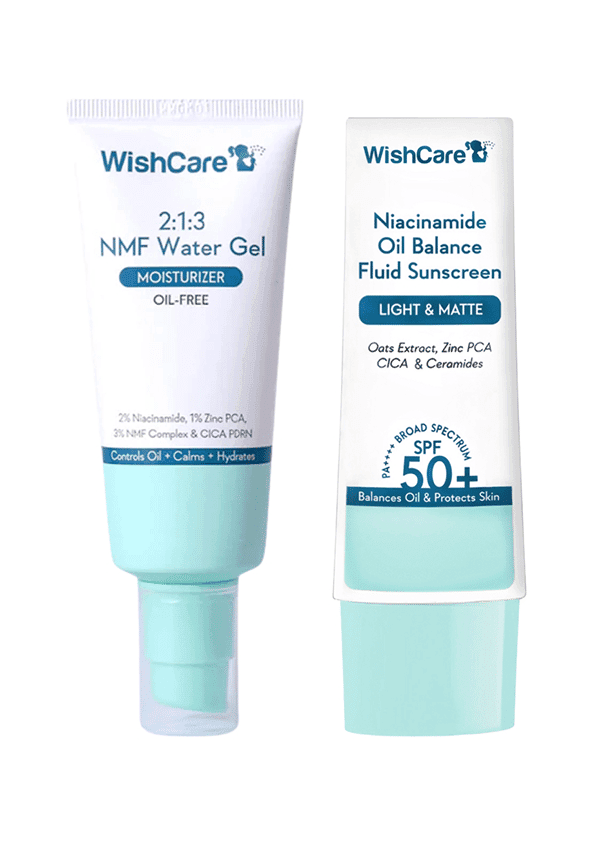
WishCare Oil Control Skincare Combo | Niacinamide Oil Balance Fluid Sunscreen SPF 50 & NMF Water Gel Moisturizer
Good product, highly recommended
 5
5“Good product🤌🏻 highly recommended”
Good product, highly recommended
5“Good product🤌🏻 highly recommended”
Good product, highly recommended
5“Good product🤌🏻 highly recommended”
Picture this: you step out of your air-conditioned office into Mumbai's high humidity, and within minutes, your skin feels sticky and uncomfortable. You might think, "Surely my skin doesn't need more moisture when the air is practically dripping?" It's one of the most common skincare misconceptions we hear. The truth is, humid weather creates a complex relationship with your skin's moisture levels that goes far beyond what you feel on the surface. Whether you're dealing with that post-monsoon stickiness or the year-round tropical climate, understanding when and how to moisturise in humid conditions can make the difference between comfortable, healthy skin and that dreaded sticky, congested feeling. At Smytten, we've seen countless users discover the perfect lightweight formulas that work beautifully even in India's most humid cities.
TL;DR
Yes, you absolutely need body lotion in humid weather - humidity doesn't equal skin hydration
Choose lightweight, gel-based, or water-based moisturisers that absorb quickly without leaving residue
Air conditioning, UV exposure, and frequent washing strip moisture even in humid conditions
Different skin types require tailored approaches - oily skin still needs hydration, just in lighter formulas
Proper application timing and techniques prevent that sticky, uncomfortable feeling
Here's the thing about humid weather - it's playing tricks on your skin. When the air around you is thick with moisture, it feels logical that your skin would be perfectly hydrated. But humidity and skin hydration work on completely different principles. Your skin loses water through a process called transepidermal water loss (TEWL) - the natural process where water evaporates from your skin - which happens regardless of how much moisture is floating around you.
Think of it like this: even if you're standing in a steamy bathroom after a hot shower, your skin can still feel tight and dry once you step out. The moisture in the air doesn't automatically transfer into your skin cells. Your skin barrier - that protective outer layer - needs specific ingredients to maintain its hydration levels and prevent water from escaping.
Common misconceptions about humid weather skincare include thinking that sweating equals moisturising (it doesn't - sweat actually contains salt that can dehydrate your skin), believing that sticky air means your skin doesn't need products (environmental moisture and skin moisture are entirely different), and assuming that humid weather prevents dryness (UV damage, air conditioning, and frequent cleansing still strip your skin's natural oils).
Even when you're living in high humidity, your skin faces multiple moisture-depleting factors daily. Air conditioning is probably the biggest culprit - those cool, dry indoor environments can be more dehydrating than winter weather. If you're spending hours in AC offices, malls, or your car, you're essentially moving between desert-dry and tropical conditions multiple times a day.
UV exposure in tropical climates is particularly intense, and heat damage affects your skin's ability to retain moisture. The sun doesn't just cause visible damage like tanning - it breaks down the proteins that keep your skin barrier functioning properly. Plus, in humid weather, you're likely showering more frequently to feel fresh, which strips away natural oils faster than your skin can replace them.
Your skin barrier function actually works harder in tropical climates. It's constantly trying to regulate temperature and moisture levels while protecting against environmental aggressors. Without proper support from moisturising ingredients, this barrier can become compromised, leading to sensitivity, breakouts, and that uncomfortable tight feeling even in humid conditions.
The key to comfortable moisturising in humid weather lies in choosing the right formulation. Lightweight doesn't mean less effective - it means smarter ingredient selection and better absorption.
Gel moisturisers are your best friend in humid conditions. They contain high water content and absorb quickly without leaving any residue. Look for formulas with hyaluronic acid, which can hold up to 1000 times its weight in water, providing deep hydration without heaviness.
In humid weather, your pores are already working overtime. Choose moisturisers with niacinamide, which helps regulate oil production while maintaining hydration. Ceramides are excellent for barrier repair without clogging pores, and glycerin draws moisture from the environment into your skin.
Heavy oils like coconut oil or thick butters can feel suffocating in humidity. Avoid petroleum-based ingredients that create an occlusive barrier - while these work well in dry climates, they can trap heat and sweat in humid conditions.
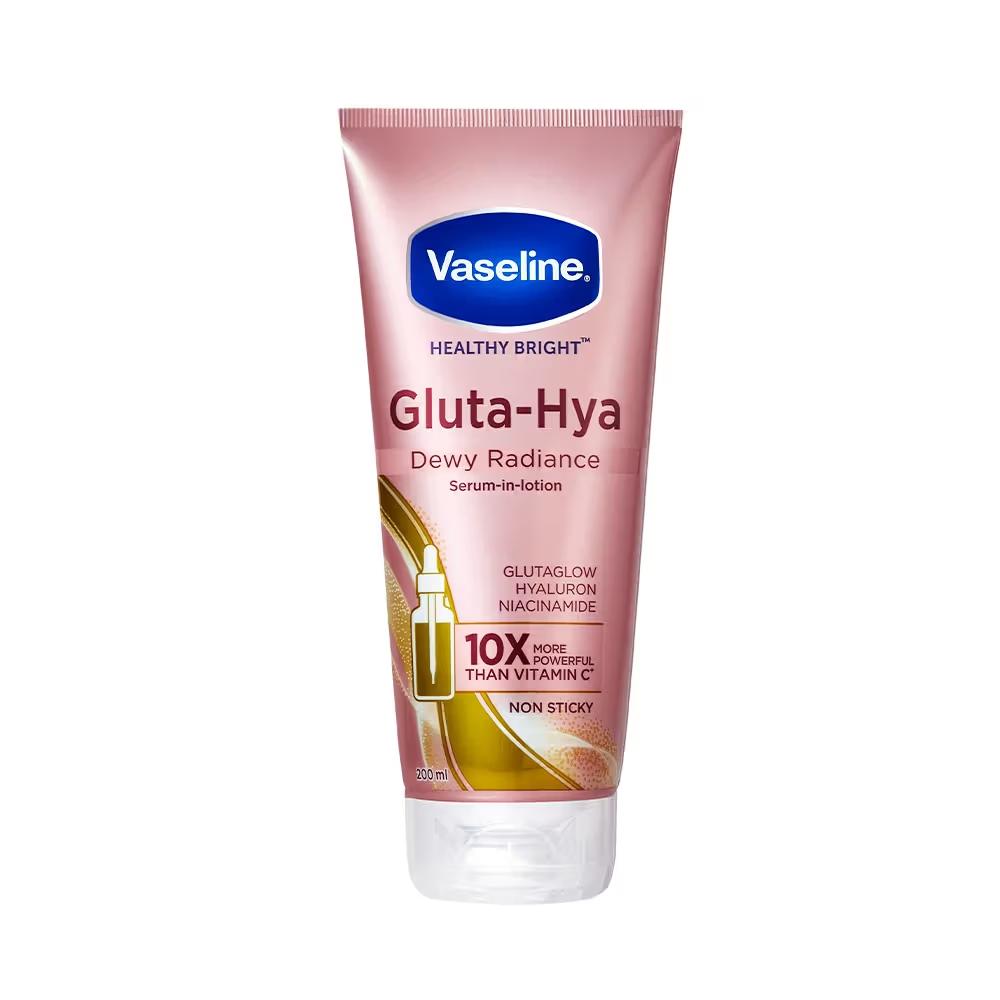
The Vaseline Gluta-Hya Dewy Radiance Non-Sticky Body Lotion 330ml offers an excellent example of humidity-friendly formulation, combining the trusted hydration of Vaseline with a lightweight, non-sticky texture that works beautifully even in India's most humid cities. Its blend of glutathione and hyaluronic acid provides both brightening and deep hydration without that heavy, uncomfortable feeling that traditional body lotions can leave in tropical weather.
Timing and technique make all the difference when moisturising in humid weather. The goal is to lock in hydration while allowing your skin to breathe and regulate temperature naturally.
Start with a gentle, non-stripping cleanser that removes overnight buildup without over-drying. Apply your lightweight moisturiser to slightly damp skin - this helps with absorption and prevents that sticky feeling. Always finish with SPF, even if you're spending most of your day indoors.
This is when you can use slightly richer formulations if needed. Apply moisturiser within three minutes of showering while your skin is still damp. This technique, called "wet skin moisturising," helps lock in the water from your shower along with the moisturiser's active ingredients.
Not all skin reacts the same way to humid conditions, and your moisturising approach should reflect your skin's specific needs.
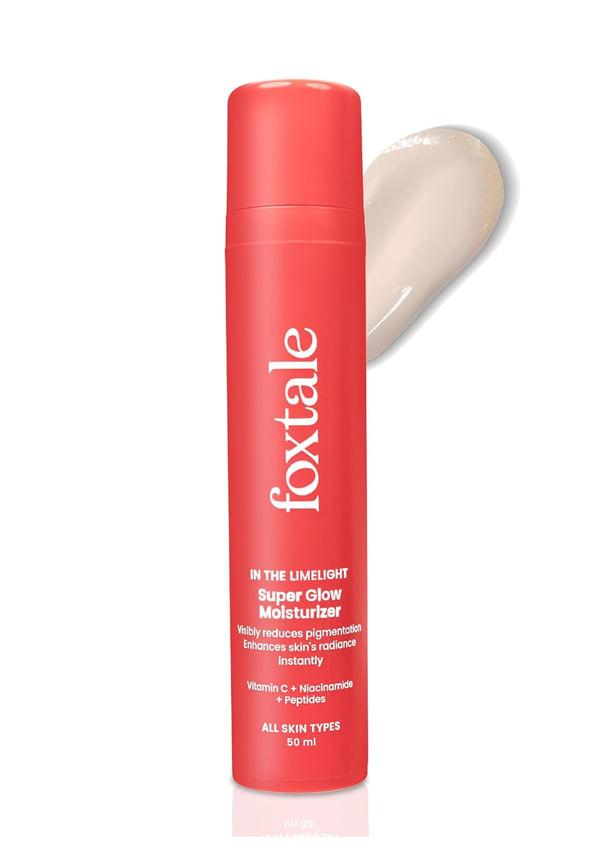
Vitamin C Super Glow Moisturizer with Niacinamide
Product is super fast
5“i love the product. it is super fast”
Awesome Super Glow with Smooth Texture
5“Awesome and super glow with smooth texture”
Awesome Super Glow with Smooth Texture
5“Awesome and super glow with smooth texture”
Here's a crucial point: oily skin still needs moisture. When you skip moisturiser thinking your skin is "oily enough," you're actually triggering more oil production. Your skin interprets the lack of surface moisture as dehydration and compensates by producing more sebum. Choose oil-free, gel-based formulas with ingredients like niacinamide that help regulate oil production while providing essential hydration.
Dry skin in humid weather presents a unique challenge. You need intensive hydration without the heaviness that makes you uncomfortable. Layer lightweight products - start with a hydrating serum or essence, then follow with a gel moisturiser. This gives you the moisture levels you need without the sticky residue.
Use different products for different areas. A lightweight gel for your T-zone and chest, and a slightly richer formula for areas that tend to be drier like your arms and legs. This targeted approach ensures every part of your body gets what it needs.
The sticky skin struggle is real, but it's entirely avoidable with the right techniques. The key is working with your skin's natural processes rather than against them.
Application technique matters enormously. Use upward, circular motions and allow each layer to absorb completely before adding the next. Don't overload your skin - a little goes a long way with quality formulations. If you're still feeling sticky after application, you're either using too much product or the formula is too heavy for the conditions.
Timing is everything. Apply moisturiser at least 10-15 minutes before getting dressed or going outside. This gives the product time to absorb properly. For morning routines, consider applying your moisturiser while your coffee brews - by the time you're ready to leave, your skin will feel comfortable and protected.
Quick-dry formulations with ingredients like dimethicone can help create a smooth, non-sticky finish. Some people find that lightly dusting with translucent powder over completely absorbed moisturiser helps with any residual tackiness, especially in areas prone to friction like under arms or between thighs.
Absolutely yes. High humidity doesn't prevent your skin from losing moisture through normal cellular processes, UV exposure, air conditioning, and frequent cleansing. Your skin needs moisturiser regardless of environmental humidity levels - you just need to choose the right formulation for the conditions.
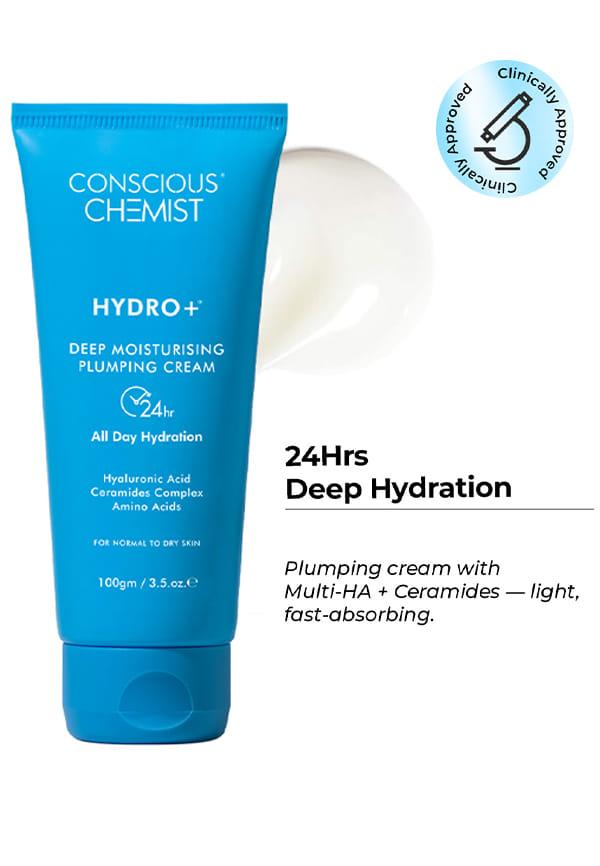
Hyaluronic Acid Lightweight Gel Cream with Ceramides
Deeply Hydrated Dry Skin
5“deeply hydrated my dry skin , just go for it”
Deeply Hydrated Dry Skin
5“deeply hydrated my dry skin , just go for it”
Good Product, Good Hydration
5“Such a good product Good Hydration”
Lightweight, gel-based, or water-based moisturisers work best in humid conditions. Look for formulas with hyaluronic acid, niacinamide, or ceramides that absorb quickly without leaving residue. Avoid heavy creams, thick butters, or oil-based formulations that can feel suffocating in humidity.
Yes, summer actually increases your need for moisturiser. Heat, UV exposure, increased showering frequency, air conditioning, and chlorine from swimming pools all strip moisture from your skin. Summer requires consistent moisturising with appropriate formulations.
While high humidity can help maintain some surface moisture and may benefit certain skin conditions, it doesn't replace the need for proper skincare. High humidity can also contribute to clogged pores, bacterial growth, and heat rash if you're not using appropriate products. The key is adapting your routine to work with the humidity, not relying on it for skin health.
Yes, even humid winters require moisturising. Indoor heating systems create dry environments, and the combination of outdoor humidity with indoor dryness can be particularly challenging for your skin barrier. You might need slightly different formulations than summer, but consistent moisturising remains essential.
Smytten's trial packs are perfect for testing different formulations in humid weather conditions. You can try multiple lightweight moisturisers to find what works best for your skin type and local climate before committing to full-size purchases.
Humid weather doesn't eliminate your skin's need for moisturiser - it simply changes the type of formulation you should choose. The key is understanding that environmental moisture and skin hydration are completely different things. Your skin loses water through natural processes regardless of how humid the air around you feels.
Choose lightweight, fast-absorbing formulas with ingredients like hyaluronic acid, niacinamide, and ceramides. Avoid heavy creams and oils that can feel suffocating in tropical conditions. Pay attention to application timing and technique - proper absorption prevents that sticky, uncomfortable feeling that puts many people off moisturising in humid weather.
Remember that different skin types have different needs, even in the same climate. Oily skin still requires hydration, just in lighter formulations. Dry skin needs intensive moisture without heaviness. The goal is finding products that support your skin barrier while allowing it to function comfortably in your environment.
Finding the perfect body moisturiser for humid weather often requires some experimentation, and that's where Smytten truly shines. As India's largest product discovery and trial platform, Smytten connects you with numerous trusted brands through curated trial packs. Instead of investing in full-size products that might not work for your specific climate and skin type, you can explore mini-sized versions to find your perfect match. With trial packs available and cashback offers, you can confidently experiment with different lightweight formulations until you discover what works best for your skin in humid conditions. Smytten ensures you never have to settle for products that don't suit your needs. After all, why settle for 'maybe' when you can #TryItAll!
