Do Doctors Recommend Niacinamide for Acne Scars? FAQ



5% Niacinamide & VIT C water-light Sunscreen gel SPF 50 Pa++++For Oily Skin,2X Glow
Loved the Product
 4
4“loved the product , it's amazing”
Loved the Product
4“loved the product , it's amazing”
Loved the Product
4“loved the product , it's amazing”
If you've been battling acne scars and researching treatment options, you've likely come across niacinamide as a potential solution. This vitamin B3 derivative has gained significant attention in the skincare community, but what do medical professionals actually think about its effectiveness for acne scars? The answer isn't as straightforward as you might expect. While dermatologists frequently recommend niacinamide for various skin concerns, their enthusiasm varies depending on whether you're dealing with true acne scars or post-inflammatory marks. Understanding this distinction is crucial for setting realistic expectations and choosing the right treatment approach. Many people confuse acne marks with actual scars, leading to disappointment when treatments don't deliver expected results. Smytten's extensive collection of niacinamide products from trusted brands allows you to explore different formulations and find what works best for your specific skin concerns before committing to full-size purchases.
TL;DR
Dermatologists recommend niacinamide primarily for post-inflammatory hyperpigmentation (acne marks) rather than true acne scars
Clinical evidence supports niacinamide's effectiveness for reducing redness, controlling oil, and fading dark spots left by acne
True acne scars (pitted or raised) require different treatments like chemical peels, microneedling, or laser therapy
Niacinamide works best as part of a comprehensive skincare routine, not as a standalone scar treatment
Most dermatologists recommend 5-10% niacinamide concentrations for optimal results without irritation
The medical consensus on niacinamide is overwhelmingly positive, but with important caveats. Dermatologists consistently recommend niacinamide for post-inflammatory hyperpigmentation—the dark marks left behind after acne heals. However, they're more cautious about promising results for true acne scars, which involve actual tissue damage and textural changes to the skin.
Dr. Patricia Wexler, a renowned dermatologist, explains that niacinamide excels at addressing the inflammatory component of acne and its aftermath. The ingredient's anti-inflammatory properties help calm existing breakouts while simultaneously working to fade the hyperpigmentation that often follows. This dual action makes it a favourite amongst dermatologists for patients dealing with active acne and its lingering effects.
Clinical evidence supporting dermatologist recommendations is robust. Multiple peer-reviewed studies demonstrate niacinamide's effectiveness in reducing sebum production by up to 30%, minimising pore appearance, and significantly improving skin texture over 8-12 weeks of consistent use. These findings align with what dermatologists observe in their practices daily.
Professional treatment protocols often incorporate vitamin B3 for skin as a foundational ingredient rather than a miracle cure. Dermatologists typically recommend niacinamide as part of a comprehensive approach that may include other actives like retinoids, vitamin C, or chemical exfoliants, depending on individual skin needs and tolerance levels.
Understanding how niacinamide works at the cellular level helps explain why dermatologists trust this ingredient. Niacinamide functions as a precursor to NAD+ and NADP+, essential coenzymes involved in cellular energy production and repair processes. This biochemical activity translates into tangible skin benefits that address multiple aspects of acne-prone skin.
The anti-inflammatory properties of niacinamide stem from its ability to inhibit the transfer of melanosomes to keratinocytes, effectively reducing the formation of dark spots. Simultaneously, it strengthens the skin barrier by increasing ceramide production, which is crucial for maintaining healthy skin function and preventing future breakouts.
Niacinamide's oil control for acne prevention works by regulating sebaceous gland activity. Clinical studies show that 2-5% niacinamide can reduce sebum production significantly, creating an environment less conducive to acne-causing bacteria. This preventative approach is why dermatologists often recommend it for long-term acne management.
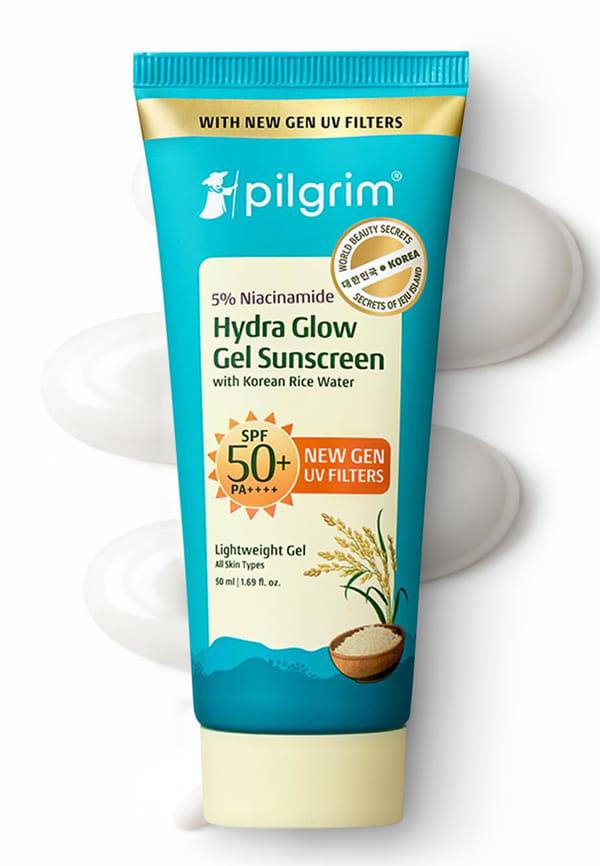
5% Niacinamide Oil-Free Super Light Gel Sunscreen SPF 50+ PA++++
Good for Oily Skin
5“it's product is so good . oily skin suitable product.”
Good Use and Smell
5“good for use and a good smell.”
Good Use and Smell
5“good for use and a good smell.”
The skin barrier repair benefits of niacinamide are particularly relevant for acne-prone skin, which often suffers from compromised barrier function. By boosting ceramide synthesis and improving the skin's natural moisture retention, niacinamide helps create a healthier skin environment that's more resistant to irritation and breakouts.
For hyperpigmentation treatment, niacinamide works by inhibiting melanosome transfer from melanocytes to keratinocytes. This process effectively reduces the appearance of dark spots and prevents new hyperpigmentation from forming, making it an excellent choice for post-acne mark management.
Setting realistic expectations is crucial when considering niacinamide for acne-related concerns. The ingredient excels at treating post-inflammatory hyperpigmentation—those flat, dark marks that remain after acne heals. These aren't technically scars but rather temporary discolouration that can take months to fade naturally.
For true acne scars characterised by textural changes like pitted or raised areas, niacinamide has significant limitations. While it can improve overall skin health and potentially make scars less noticeable by improving surrounding skin quality, it cannot fill in depressed scars or flatten raised ones. These require more intensive treatments like chemical peels, microneedling, or laser therapy.
The timeline for visible results with niacinamide typically spans 6-12 weeks for hyperpigmentation improvement. Users often notice reduced redness and oil control within 2-4 weeks, while dark spot fading becomes apparent around the 8-week mark with consistent use. Patience is essential, as skin cell turnover cycles determine how quickly improvements become visible.
Before and after considerations include understanding your skin type and existing routine. Niacinamide works well with most ingredients, making it an excellent addition to existing skincare regimens. However, those with very sensitive skin should start with lower concentrations to assess tolerance.
Product | Skin Type | Key Concern | Price Range | Key Ingredients |
|---|---|---|---|---|
WishCare Oil Control Skincare Combo | Oily, Acne-prone | Oil control, Acne marks | ₹400-600 | 2% Niacinamide, Zinc PCA |
Minimalist 5% Niacinamide Serum | All types | Hyperpigmentation, Pores | ₹300-500 | 5% Niacinamide, Zinc |
Dot & Key Barrier Repair Moisturiser | Sensitive, Dry | Barrier repair, Redness | ₹500-700 | Niacinamide, Ceramides |
TNW Vitamin C Water Cream | Dull, All types | Brightening, Hydration | ₹250-400 | Vitamin C, Niacinamide |
Neutrogena Oil-Free Moisturiser | Oily, Combination | Oil control, Hydration | ₹400-600 | Niacinamide, Hyaluronic Acid |
Dermatologists typically recommend starting with 5% niacinamide concentrations for most skin types. This percentage provides effective results while minimising the risk of irritation. Those with particularly sensitive skin may benefit from starting with 2-3% formulations and gradually increasing concentration as tolerance builds.
Daily application protocols suggest using niacinamide twice daily—morning and evening—for optimal results. The ingredient is photostable, meaning it won't break down in sunlight, making it safe for daytime use. However, always pair it with broad-spectrum SPF during the day, especially when treating hyperpigmentation.
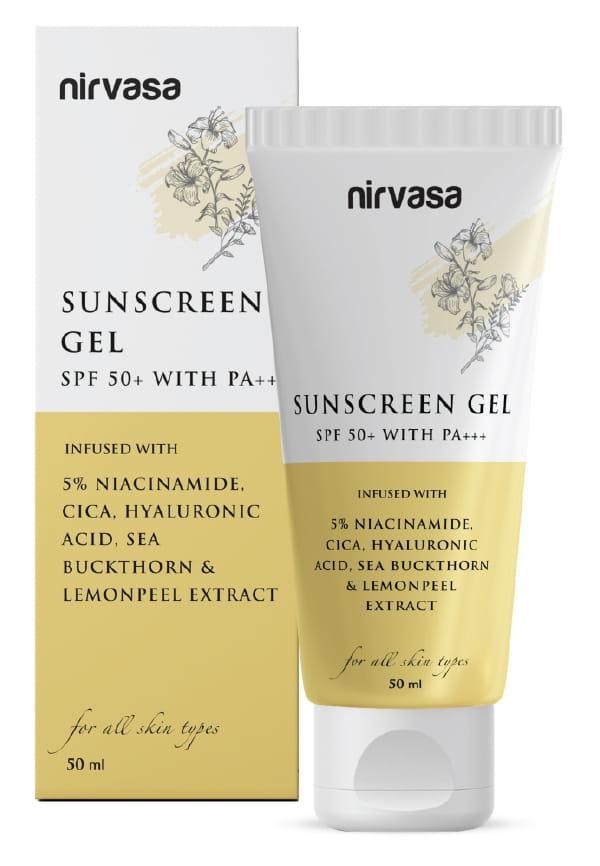
SPF50+ Sunscreen Gel with 5% Niacinamide for 98% UVA/UVB Protection
Gel Moisturizer for Oily Skin
5“gel moisturizer good for oily skin”
Niacinamide plays well with most skincare ingredients, making it an excellent team player in multi-step routines. It can be safely combined with vitamin C, retinoids, AHAs, and BHAs, though some people prefer to alternate application times to minimise potential irritation.
For sensitive skin types, introducing niacinamide gradually is key. Start with every other day application for the first week, then increase to daily use as tolerance develops. Choose formulations with minimal additional ingredients to reduce the risk of reactions.
While niacinamide is generally well-tolerated, some individuals may experience mild side effects, particularly when starting treatment or using high concentrations. Common reactions include temporary redness, mild stinging, or skin flushing, especially in those with sensitive skin or rosacea.
People with certain medical conditions should exercise caution. Those taking blood pressure medications or with liver conditions should consult their healthcare provider before using high-concentration niacinamide products, as topical absorption could potentially interact with existing treatments.
Managing initial skin adjustment involves starting slowly and monitoring your skin's response. If irritation occurs, reduce frequency of use or switch to a lower concentration. Most side effects resolve within 1-2 weeks as the skin adapts to the ingredient.
Niacinamide cannot completely remove true acne scars, which involve permanent tissue damage. However, it's highly effective at fading post-inflammatory hyperpigmentation (dark marks) and improving overall skin texture, making existing scars less noticeable over time.
The main disadvantages include potential irritation in sensitive individuals, possible flushing in those with rosacea, and the need for consistent long-term use to maintain results. Some people may also experience initial skin purging when starting treatment.
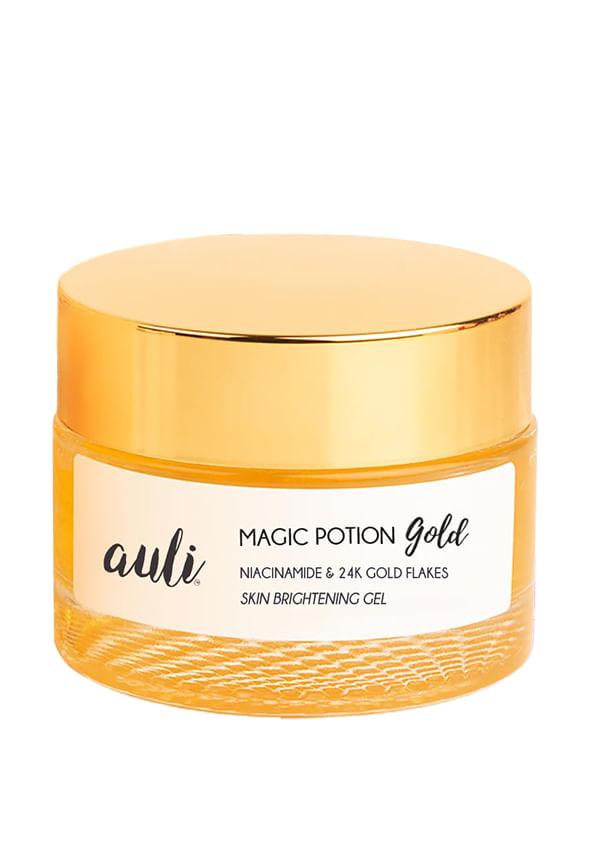
Auli 24K Gold Niacinamide Hydrating Gel with Saffron- Brightens, Fades Spots - 60gm
For true acne scars, salicylic acid may be more effective due to its exfoliating properties that can improve skin texture. However, niacinamide is superior for post-inflammatory hyperpigmentation and overall skin barrier health. Many dermatologists recommend using both ingredients in combination for comprehensive acne scar treatment.
Yes, niacinamide is safe for daily use and is actually most effective when used consistently. Start with once daily application and gradually increase to twice daily as your skin adapts. Consistency is key for seeing optimal results in acne management and hyperpigmentation fading.
Niacinamide is significantly more effective for acne marks (post-inflammatory hyperpigmentation) than true acne scars. Marks are flat discolourations that fade over time, whilst scars involve textural changes that require more intensive treatments like chemical peels or laser therapy.
For post-inflammatory hyperpigmentation, most people notice improvements within 6-8 weeks of consistent use. Oil control and redness reduction may be visible within 2-4 weeks. True acne scar improvement requires longer treatment periods and often combination therapies. Smytten's trial packs allow you to test different niacinamide formulations to find the most effective option for your skin before committing to full-size products.
Dermatologists do recommend niacinamide for acne-related concerns, but with important distinctions between what it can and cannot achieve. The ingredient excels at treating post-inflammatory hyperpigmentation, controlling oil production, and improving overall skin barrier function. However, it's not a miracle cure for true acne scars that involve permanent tissue damage.
The most successful approach involves understanding your specific skin concerns and setting realistic expectations. Niacinamide works best as part of a comprehensive skincare routine that may include other active ingredients like retinoids, vitamin C, or chemical exfoliants. Consistency is crucial—results typically become visible after 6-12 weeks of regular use.
For those dealing with true acne scars, niacinamide can be a valuable supporting ingredient that improves overall skin health and makes scars less noticeable. However, more intensive treatments like professional chemical peels, microneedling, or laser therapy may be necessary for significant textural improvements.
Finding the right niacinamide product for your specific skin concerns doesn't have to involve expensive trial and error. Smytten is India's largest product discovery and trial platform, connecting consumers with top lifestyle, beauty, wellness, and grooming brands. At its core, Smytten offers curated trial packs - mini-sized products from over 2,400 trusted brands such as Cetaphil, Dot & Key, WishCare, and Minimalist. This lets users explore and experience different niacinamide formulations before committing to full-size purchases. Each mini is linked with Trial Points, and users can get up to 10 Trial Points for just ₹279. Plus, Smytten offers 100% cashback on the purchase of these minis, redeemable in the shop section for future orders, making product discovery both affordable and rewarding. With over 28 million users and 100 million trial minis delivered across 90% pin code coverage, Smytten helps consumers make smarter, more confident choices when building their skincare routine. After all, why settle for 'maybe' when you can #TryItAll!
