Do Anti-Aging Creams Actually Work? Your FAQ Answered

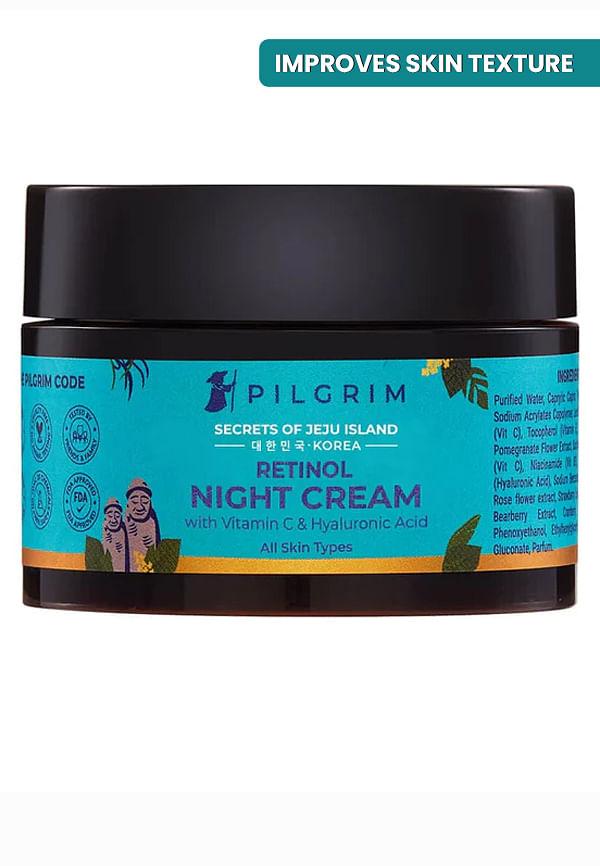
Retinol Anti-Ageing Night Repair Cream With Vitamin C & Hyaluronic Acid
Amazing Product, Worth It
 5
5“Amazing product worth it hai le sakte h ”
Nice Cream, Will Suggest
5“thank uou nice cream .i will suggest to my friends”
Nice Cream, Will Suggest
5“thank uou nice cream .i will suggest to my friends”
Let's be honest—we've all stood in the skincare aisle wondering if that ₹2,000 anti-aging cream will actually turn back time or just drain our bank account. With Instagram feeds full of before-and-after photos and influencers promising fountain-of-youth results, it's hard to separate fact from fiction. The truth about anti-aging cream effectiveness isn't as straightforward as brands would have you believe, but it's not all marketing fluff either. Real talk: these products can make a genuine difference to your skin, but only if you understand what they can and cannot do. Whether you're dealing with your first fine lines in your late twenties or looking to address deeper concerns in your fifties, the science behind anti-aging is fascinating—and more accessible than ever. Platforms like Smytten have made it easier to trial different formulations before committing to full-size products, which is brilliant when you're trying to find what actually works for your skin. So, do anti-aging creams actually work? The answer might surprise you.
Anti-aging creams do work, but they're skin enhancers rather than age erasers—think improved texture and fine lines, not surgical-level results
Proven ingredients like retinol, hyaluronic acid, vitamin C, and peptides have solid science backing their anti-aging benefits
Results take 8-12 weeks of consistent use, and realistic expectations are crucial for satisfaction
Prevention through sunscreen and good skincare habits is more effective than trying to reverse damage later
Price doesn't always equal performance—effective anti-aging ingredients are available at various price points
Here's what you need to know upfront: anti-aging creams absolutely work, but they function more like skilled makeup artists than plastic surgeons. They enhance what you've got rather than completely restructuring your face. The key to understanding anti-aging cream effectiveness lies in setting realistic expectations from the start.
Think of these products as daily investments in your skin's health and appearance. They can significantly improve hydration, boost that coveted glow, and smooth out fine lines with consistent use. However, they cannot reverse structural collagen loss that happens naturally with age, nor can they replicate the dramatic results you'd see from professional treatments like laser therapy or injectables.
Let's get specific about realistic outcomes. On the 'can do' side, quality formulations excel at improving skin texture, reducing the appearance of fine lines, boosting hydration levels, and evening out skin tone. Many users notice their skin looks plumper and more radiant within weeks of starting a good routine.
On the 'cannot do' side, no cream will eliminate deep wrinkles, lift sagging skin, or completely stop the aging process. If a product promises to take ten years off your face overnight, run the other way. The best anti-aging skincare works gradually and sustainably.
The science behind anti-aging has come a long way, and certain ingredients have earned their reputation through rigorous research. Let's break down the heavy hitters that actually deliver on their promises.
Retinol is the skincare equivalent of a reliable best friend—it might take time to show its true colours, but once it does, you'll wonder how you lived without it. These vitamin A derivatives work by increasing cell turnover and boosting collagen production at a cellular level.
The beauty of retinoids lies in their versatility. They tackle multiple concerns simultaneously: fine lines, uneven texture, dark spots, and even mild acne. You can start with over-the-counter retinol products and work your way up to prescription-strength tretinoin if needed.
If retinol is your reliable friend, hyaluronic acid is the one who always knows how to make you look refreshed after a long night. This powerful humectant can hold up to 1,000 times its weight in water, drawing moisture into your skin like a magnet.
The immediate plumping effect of hyaluronic acid temporarily smooths fine lines and gives your skin that coveted dewy finish. It's particularly brilliant for how to reduce signs of aging through proper hydration—something many of us overlook in favour of more 'active' ingredients.
Vitamin C is your skin's bodyguard against environmental damage. It brightens your complexion, evens out skin tone, and provides crucial protection against free radicals that accelerate aging. Morning application is ideal, as it works synergistically with your sunscreen.
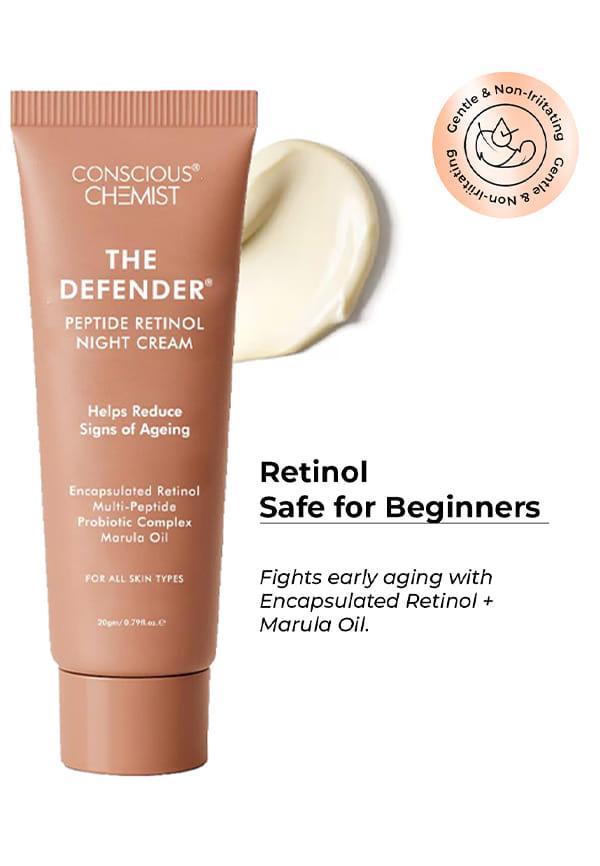
Multi Peptide Retinol Anti Aging Night Cream For Fine Lines & Sagging Skin
Good, Reliable, Causes Redness
4“good and reliabile a lil bit redness appears”
Good, Reliable, Causes Redness
4“good and reliabile a lil bit redness appears”
Good Products & Packaging
4“Smytten products are all good to use and are easy to carry due to good packaging...”
Look for stable forms like magnesium ascorbyl phosphate or sodium ascorbyl phosphate if you have sensitive skin. These are gentler than pure L-ascorbic acid but still deliver the brightening and protective benefits that make vitamin C essential for skincare for mature skin.
Peptides are like tiny messengers that tell your skin to produce more collagen. While they work more subtly than retinol, they're excellent for sensitive skin types who can't tolerate stronger actives. The benefits of anti-aging serums with peptides include improved skin elasticity and a firmer appearance over time.
Niacinamide, meanwhile, is the multitasker of the skincare world. It minimises pores, regulates oil production, and strengthens your skin barrier—all while being gentle enough for daily use.
Your anti-aging approach should evolve with your skin's changing needs. What works brilliantly in your thirties might need adjusting in your fifties, and that's perfectly normal.
This is often when people start asking, 'do wrinkle creams work for prevention?' The answer is a resounding yes. Your forties are the perfect time to introduce retinol if you haven't already, as your skin is still producing decent amounts of collagen but beginning to slow down.
Focus on building a solid foundation routine with consistent sunscreen use, gentle exfoliation, and hydrating ingredients. Prevention is still your best strategy at this stage, and the habits you build now will pay dividends later.
Hormonal changes during perimenopause and menopause significantly impact your skin, often leading to increased dryness and sensitivity. This is when combining multiple active ingredients becomes crucial, but it needs to be done thoughtfully.
The top anti-aging products for this age group often include richer textures and higher concentrations of hydrating ingredients alongside proven actives. Consider adding a facial oil to your routine and perhaps upgrading to a stronger retinoid if your skin can handle it.
At this stage, your skin may be thinner and more sensitive, requiring a gentler approach. However, this doesn't mean giving up on active ingredients entirely. Many people in their sixties and beyond see excellent results from carefully chosen formulations.
Focus on nourishing ingredients that support your skin barrier, and consider when professional treatments might complement your at-home routine for optimal results.
One of the biggest mistakes people make with anti-aging skincare is giving up too early. Unlike a good concealer that works instantly, these products require patience and consistency to show their true potential.
Most dermatologists agree that you need at least 8-12 weeks of consistent use to see meaningful improvements from anti-aging products. This timeline aligns with your skin's natural renewal cycle, which slows down as we age.
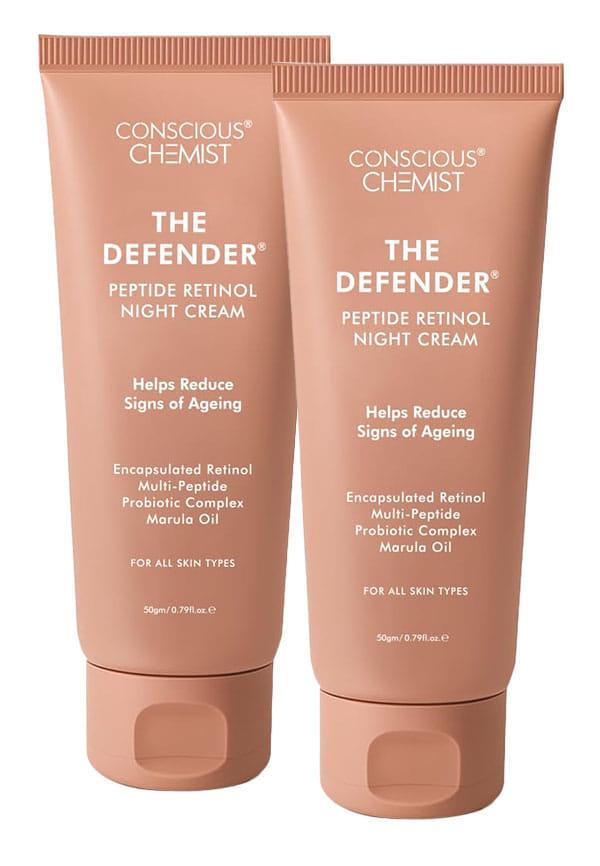
Multi Peptide Retinol Anti Aging Night Cream For Fine Lines & Sagging Skin
Good, Smooth, Light, Works Nice
4“good, smooth light on face.. works nice”
Effective Retinol Cream
4“bhut acchi retinol cream h y fine line pr WRK krti h”
Nice and Good Product
4“it's a very nice product and good”
In the first month, you might notice improved hydration and a subtle glow. By month three, fine lines may appear softer, and your overall skin texture should feel smoother. Taking progress photos in consistent lighting can help you track these gradual changes.
Here's a question that comes up frequently: can skincare reverse aging, or does it just slow it down? The honest answer is that it's primarily about maintenance and gradual improvement rather than dramatic reversal.
Think of anti-aging skincare like going to the gym—stopping your routine means losing the benefits you've built up. Consistency is key, and the earlier you start, the better your long-term results will be.
The anti-aging industry is rife with misconceptions that can lead to disappointment and wasted money. Let's clear up some of the most persistent myths that might be influencing your skincare decisions.
One of the most liberating truths about skincare is that higher price doesn't automatically mean better results. Research from respected institutions has consistently shown that effective anti-aging ingredients are available across various price points.
What matters more than the price tag is the concentration and formulation of active ingredients. A well-formulated drugstore retinol can outperform a luxury cream that's heavy on marketing but light on proven actives.
Be wary of products that promise revolutionary results from newly discovered 'miracle' ingredients. While skincare science does advance, the most effective anti-aging ingredients have decades of research behind them.
Look for products that focus on proven ingredients rather than exotic-sounding compounds with little scientific backing. Evidence-based skincare is always your safest bet for real results.
While we've focused on what anti-aging creams can do, the most effective anti-aging strategy is actually prevention. This approach is both more cost-effective and more successful than trying to reverse damage after it's occurred.
If you take only one piece of advice from this entire article, let it be this: wear sunscreen daily. UV exposure is responsible for up to 80% of visible aging signs, breaking down collagen and elastin faster than any natural aging process.
Broad-spectrum protection with at least SPF 30 should be non-negotiable, regardless of the weather or your plans for the day. This single habit will do more for preventing premature aging than any cream ever could.
Your skincare routine is just one piece of the anti-aging puzzle. Quality sleep, stress management, proper nutrition, and regular exercise all play crucial roles in how your skin ages.
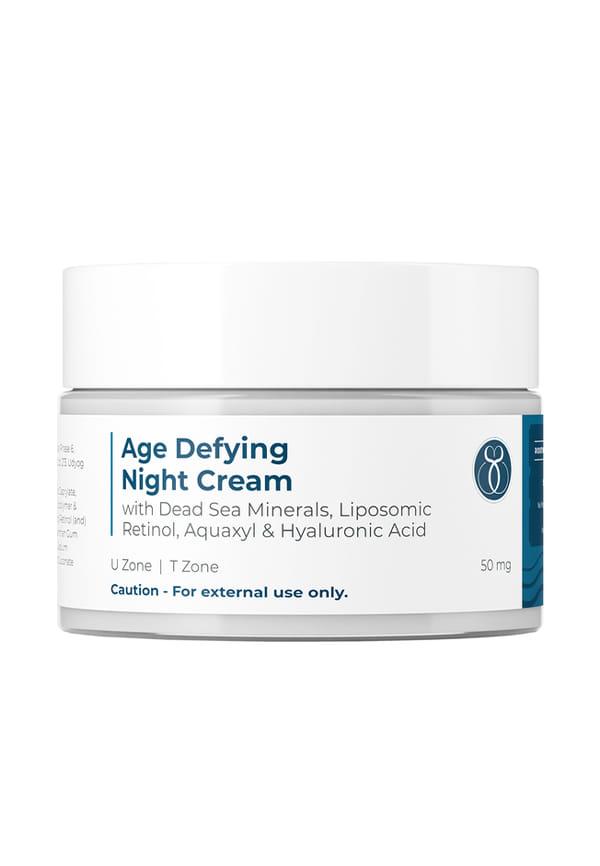
Anti-Ageing Night Cream with Dead Sea Minerals, Liposomal Retinol, Aquaxyl & Hyaluronic Acid
Staying hydrated, eating antioxidant-rich foods, and managing stress levels create the optimal environment for your skincare products to work effectively. Think of it as creating a holistic anti-aging approach that supports your skin from the inside out.
Absolutely not! It's never too late to start incorporating retinol into your routine. While starting earlier provides more preventive benefits, people in their forties, fifties, and beyond still see significant improvements in skin texture, fine lines, and overall radiance. Start with a low concentration and gradually increase as your skin builds tolerance.
Korean skincare emphasises prevention and hydration through multi-step routines. Popular anti-aging ingredients in K-beauty include snail mucin, ginseng, fermented ingredients, and various peptides. The philosophy focuses on maintaining skin health rather than aggressive treatment, often incorporating gentle acids and extensive moisturising steps.
While no product can literally reverse a decade of aging, consistent use of proven ingredients like retinol, vitamin C, and hyaluronic acid can significantly improve your skin's appearance over 6-12 months. Combine this with daily sunscreen, proper hydration, and a healthy lifestyle for the most dramatic natural improvements. Platforms like Smytten make it easier to trial different anti-aging formulations to find what works best for your skin before investing in full-size products.
Japanese skincare traditions emphasise gentle, consistent care with ingredients like rice bran, green tea, and various fermented extracts. The approach focuses on maintaining skin barrier health, using lightweight layers of hydrating products, and prioritising sun protection. Many Japanese brands also incorporate advanced technology like encapsulated ingredients for better penetration.
Not necessarily. The effectiveness depends on the active ingredients and their concentrations rather than the price point. Many affordable brands offer excellent formulations with proven anti-aging ingredients. What you're often paying for in luxury products is packaging, marketing, and brand prestige rather than superior efficacy.
Yes, but introduce them gradually and pay attention to how your skin responds. A typical routine might include vitamin C in the morning and retinol at night, with hyaluronic acid and peptides fitting in comfortably with both. Always patch test new combinations and consider consulting with a dermatologist if you're using multiple strong actives.
Anti-aging creams do work when you approach them with realistic expectations and choose products with proven ingredients. The most effective formulations contain retinoids, vitamin C, hyaluronic acid, or peptides—ingredients backed by decades of research rather than marketing hype.
Success with anti-aging skincare requires patience, consistency, and understanding that these products enhance rather than completely transform your skin. Prevention through daily sunscreen use remains your most powerful anti-aging tool, while a well-chosen routine can significantly improve skin texture, hydration, and the appearance of fine lines over time.
Remember that effective anti-aging doesn't require breaking the bank. Focus on proven ingredients, give products adequate time to work, and build sustainable habits that support your skin's long-term health and appearance.
Finding the right anti-aging routine is a journey of discovery, and what works for your friend might not work for you. This is where Smytten's approach to skincare discovery becomes invaluable. As India's largest product discovery and trial platform, Smytten connects you with over 2,400 trusted brands including Cetaphil, Dot & Key, WishCare, and Swiss Beauty through curated trial packs. You can explore up to 10 trial points for just ₹279, with 100% cashback redeemable for future purchases. This try-before-you-buy approach means you can test different anti-aging formulations without the commitment of full-size products, making it easier to find what actually works for your skin. With over 28 million users and 90% pin code coverage across India, Smytten helps you make smarter, more confident skincare choices. After all, why settle for 'maybe' when you can #TryItAll and discover your perfect anti-aging routine?
