Dermatologist Recommended Watery Sunscreen for Oily Skin: FAQ

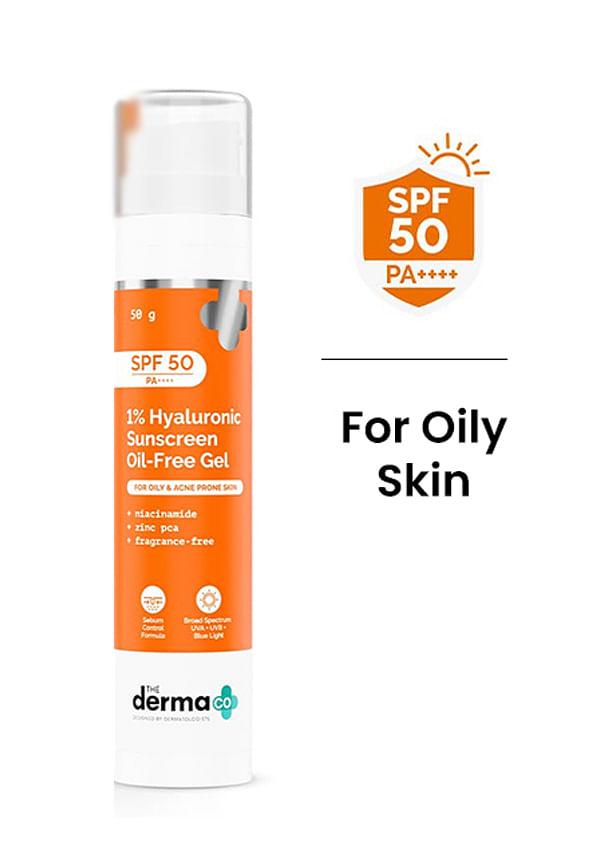
1% Hyaluronic Sunscreen Oil-Free Gel
Very Good Product
 5
5“very good product you can buy this product”
Very Good Product
5“very good product you can buy this product”
Good Sunscreen, Slow Absorption for Oily Skin
5“I like this sunscreen but it takes time to absorb in oily skin type”
If you've ever stood in the sunscreen aisle feeling overwhelmed by thick, greasy formulas that promise to turn your oily skin into an oil slick, you're not alone. The struggle is real—finding a dermatologist recommended watery sunscreen for oily skin that actually works without clogging pores or leaving you looking like you've been dunked in coconut oil. Here's the thing: traditional sunscreens often fail oily skin types because they're formulated with heavy oils and emollients that sit on top of already sebum-rich skin. But watery, gel-based formulations? They're game-changers. These lightweight sunscreen oily skin solutions absorb quickly, provide broad spectrum protection, and actually work with your skin's natural oil production rather than against it. Whether you're dealing with hormonal breakouts, enlarged pores, or just want something that won't pill under your makeup, the right water-based sunscreen can transform your daily routine. Through Smytten's trial platform, you can test these dermatologist-approved formulations before committing to full sizes—because your skin deserves better than guesswork.
TL;DR
Watery sunscreens use water-based formulations that absorb quickly into oily skin without leaving residue or clogging pores
Dermatologists recommend gel and aqua-based textures over cream formulations for oily, acne-prone skin types
Key ingredients to look for include zinc oxide, niacinamide, and hyaluronic acid in non-comedogenic formulations
Proper application involves using 1/4 teaspoon for face and neck, reapplying every 2 hours for optimal protection
Top dermatologist picks include UV Doux, IPCA Acne-UV, and lightweight gel formulations from trusted brands
The science behind why watery sunscreens work so brilliantly for oily skin lies in their formulation structure. Unlike traditional cream sunscreens that rely on heavy emollients and oils, water-based formulations use lightweight polymers and silicones that create a protective film without adding excess oil to your skin's surface.
Water-based sunscreens contain a higher percentage of water and use oil-free UV filters that dissolve into the skin rather than sitting on top. This lightweight sunscreen oily skin approach means faster absorption, no greasy residue, and crucially—no pore-clogging ingredients that can trigger breakouts.
Clinical studies show that non-comedogenic sunscreen oily skin formulations significantly reduce the risk of acne flare-ups compared to traditional cream sunscreens. The water-based structure allows your skin to breathe whilst maintaining optimal UV protection, making them ideal for daily wear under makeup or during humid weather.
When dermatologists recommend sunscreens for oily skin, they focus on formulations that provide broad spectrum protection without compromising skin comfort. Here are the standout products that consistently earn professional approval.
**UV Doux Silicone Sunscreen Gel** tops many dermatologist approved sunscreen lists for its unique silicone-gel base that creates an invisible, breathable barrier. The formula contains zinc oxide and titanium dioxide in a weightless gel that absorbs instantly—perfect for oily skin that needs reliable protection without the heaviness.
**IPCA Acne-UV SPF 50** is specifically formulated for acne-prone oily skin, combining broad spectrum protection with oil-absorbing microspheres. This dermatologist recommended watery sunscreen for oily skin includes niacinamide to help regulate sebum production whilst protecting against UV damage.
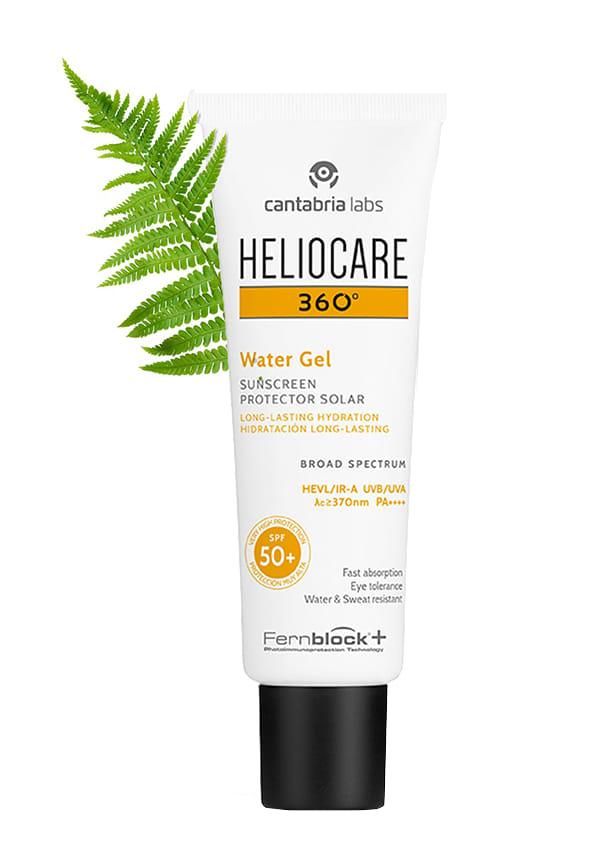
360º Water Gel SPF 50+ PA++++ Sunscreen with Hyaluronic Acid
**The Derma Co. Ultra Matte Sunscreen Gel SPF 60** offers excellent value without compromising on efficacy. This gel sunscreen for oily skin provides superior oil control with its matte-finish formula, making it ideal for those who struggle with shine throughout the day.
**Dot & Key Watermelon Cooling Sunscreen SPF 50+ PA++++** combines hydration with oil control, featuring watermelon extract and hyaluronic acid in a cooling gel base. It's particularly effective for dehydrated oily skin that needs moisture without greasiness.
When selecting a broad spectrum sunscreen oily skin formula, prioritise products with SPF 30-50 and PA+++ or PA++++ ratings. Look for sunscreen for oily skin no white cast formulations that use micronised zinc oxide or chemical filters like avobenzone and octinoxate for invisible protection.
Both water-based and gel formulations offer excellent benefits for oily skin, but understanding their differences helps you choose the right texture for your specific needs and lifestyle.
Gel textures typically provide superior oil control and longer-lasting matte finish. They're ideal for extremely oily skin or humid climates where traditional formulations might break down. The gel structure also allows for better layering under makeup without pilling.
Water-based formulations excel at providing hydration without heaviness, making them perfect for dehydrated oily skin. They often contain humectants like hyaluronic acid that draw moisture to the skin whilst maintaining a lightweight feel—essential for those whose skin produces oil but lacks water content.
Acne-prone oily skin requires special consideration when choosing sunscreen, as the wrong formula can trigger breakouts or worsen existing blemishes. Understanding which ingredients to seek and avoid makes all the difference.
Look for formulations containing zinc oxide, which provides gentle, non-irritating protection whilst offering mild anti-inflammatory benefits. Avoid sunscreens with coconut oil, isopropyl myristate, or other comedogenic ingredients that can clog pores. The comedogenic rating system (0-5 scale) helps identify safer options—stick to products rated 0-2.
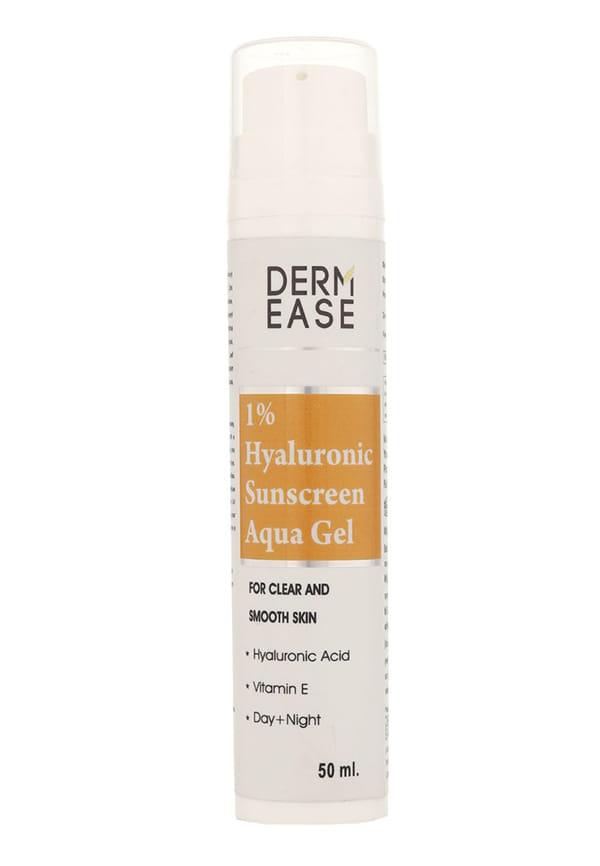
1% Hyaluronic Sunscreen Aqua Gel
Apply water-based formulations to completely clean, dry skin for optimal absorption. If using acne treatments like retinoids or benzoyl peroxide, wait 10-15 minutes before applying sunscreen to prevent interactions. During reapplication, gently blot excess oil with blotting papers before adding fresh sunscreen rather than layering over existing oils.
Proper application technique can make the difference between a sunscreen that works beautifully and one that feels heavy or causes breakouts, regardless of how well-formulated the product is.
Use approximately 1/4 teaspoon of product for your face and neck—this ensures you're getting the stated SPF protection. Apply in upward strokes, allowing each layer to absorb before adding more. For oily skin, consider applying in thin layers rather than one thick application to prevent overwhelming your skin's absorption capacity.
Never mix sunscreen with moisturiser or foundation, as this dilutes the protection factor. Avoid over-application, which can lead to pilling and a heavy feel that defeats the purpose of choosing a lightweight formula. During monsoon season, switch to more water-resistant formulations to maintain protection despite humidity and perspiration.
Product | Skin Type | Key Concern | Price Range | Key Ingredients |
|---|---|---|---|---|
The Derma Co. Ultra Matte SPF 60 | Oily, Combination | Oil Control | ₹300-400 | UV Filters, Oil-absorbing microspheres |
Dot & Key Watermelon Cooling SPF 50+ | Oily, Dehydrated | Hydration + Protection | ₹400-500 | Watermelon Extract, Hyaluronic Acid |
Minimalist Light Fluid SPF 50 | All Types | Invisible Finish | ₹500-600 | Multi-UV Filters |
Foxtale SPF 70 Matte Finish | Very Oily | Long-lasting Oil Control | ₹400-500 | Niacinamide, UV Filters |
Deconstruct Gel Sunscreen SPF 55+ | Oily, Humid Climate | Sweat Resistance | ₹350-450 | Gel-based UV Filters |
Dermatologists consistently recommend gel or water-based formulations with zinc oxide or titanium dioxide for oily skin. Top picks include UV Doux Silicone Sunscreen Gel, IPCA Acne-UV SPF 50, and The Derma Co. Ultra Matte Sunscreen Gel. These products provide broad spectrum protection without clogging pores or adding excess oil to the skin's surface.
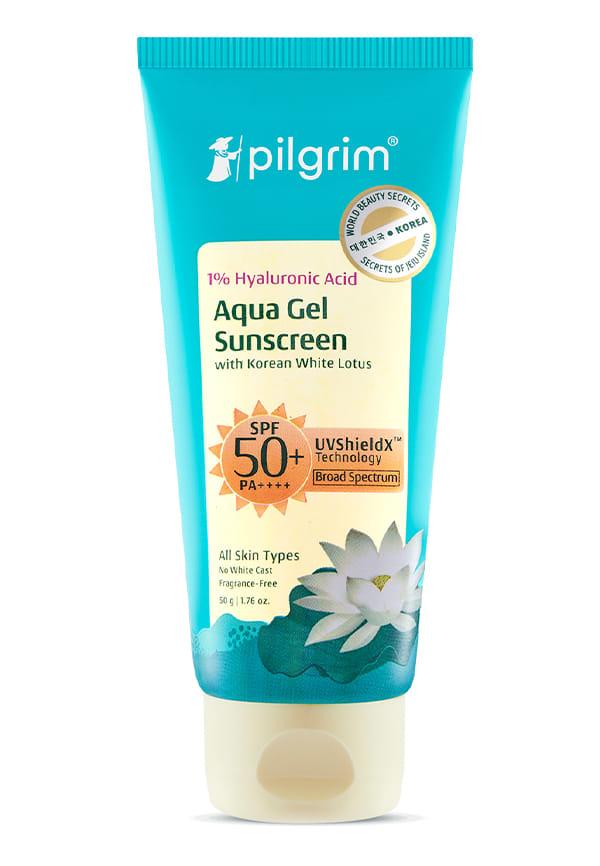
1% Hyaluronic Acid Aqua Sunscreen Gel SPF 50 PA++++
Good, Non-Sticky Sun Cream
4“good sun cream product... non sticky”
Good, Non-Sticky Sun Cream
4“good sun cream product... non sticky”
Good, Non-Sticky Sun Cream
4“good sun cream product... non sticky”
Yes, water-based sunscreens are generally superior for oily skin because they absorb quickly without leaving greasy residue. The water-based structure allows your skin to breathe whilst providing UV protection, and they're less likely to clog pores compared to oil-based formulations. They also layer better under makeup and don't contribute to excess shine throughout the day.
Liquid sunscreens can be excellent for oily skin, provided they're formulated as lightweight, water-based solutions rather than heavy lotions. Look for fluid formulations that absorb quickly and don't leave a sticky or greasy finish. Brands like Minimalist and Deconstruct offer excellent liquid options that work well for oily complexions.
Most dermatologists recommend broad spectrum sunscreens with SPF 30-50 that contain zinc oxide or titanium dioxide as primary UV filters. For oily skin specifically, they favour gel or water-based formulations from brands like UV Doux, IPCA, and clinical brands available through Smytten's trial platform, which allows you to test professional-grade formulations before purchasing full sizes.
For daily use, SPF 30 provides adequate protection (97% of UV rays blocked), whilst SPF 50 offers slightly higher protection (98% blocked). Choose SPF 50 if you spend extended time outdoors, have fair skin, or live in high-altitude areas. For oily skin, the texture and formulation matter more than the exact SPF number—a well-formulated SPF 30 gel often performs better than a heavy SPF 50 cream.
Yes, but choose water-resistant formulations rated for 40-80 minutes of water/sweat exposure. Reapply every 2 hours or immediately after swimming or excessive sweating. Look for products specifically labelled as 'sport' or 'active' formulations, which maintain their protective properties better during physical activity whilst still offering the lightweight feel oily skin needs.
Dermatologist recommended watery sunscreen for oily skin represents a significant advancement in sun protection technology, offering effective UV defence without the drawbacks of traditional heavy formulations. The key lies in choosing water-based or gel formulations that absorb quickly, don't clog pores, and provide broad spectrum protection without contributing to excess oil production.
When selecting your ideal sunscreen, prioritise non-comedogenic formulations with proven UV filters like zinc oxide or titanium dioxide. Consider your specific skin concerns—whether you need extra oil control, hydration, or anti-inflammatory benefits—and choose accordingly. Remember that proper application technique is crucial: use adequate amounts, apply to clean skin, and reapply regularly for optimal protection.
The best sunscreen is one you'll use consistently, so finding a formula that feels comfortable on your skin is essential. Don't be afraid to experiment with different textures and brands until you find your perfect match—your skin's health depends on daily sun protection, not just occasional use.
Finding the right dermatologist recommended watery sunscreen for oily skin doesn't have to be a guessing game. Smytten is India's largest product discovery and trial platform, connecting consumers with top lifestyle, beauty, wellness, and grooming brands through curated trial packs from over 2,400 trusted brands including Cetaphil, Dot & Key, and many dermatologist-approved sunscreen manufacturers. Each mini is linked with Trial Points, and users can get up to 10 Trial Points for just ₹279, with 100% cashback on trial purchases redeemable for future orders. This try before you buy approach means you can test multiple watery sunscreen formulations to find your perfect match without committing to full-size products. With over 28 million users and 100% authentic, brand-verified minis delivered across 90% pincode coverage, Smytten helps you make smarter, more confident skincare choices. After all, why settle for 'maybe' when you can #TryItAll and discover the ideal sunscreen that works specifically for your oily skin needs?
