Dermatologist Recommended Anti-Aging Serum for Women in Their 30s: FAQ

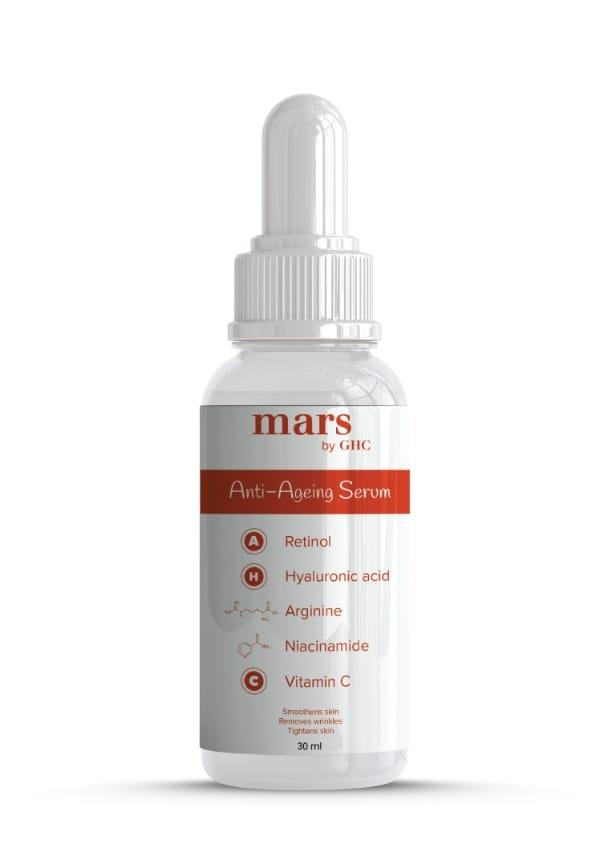
Anti Ageing Face Serum with 5% Niacinamide, 0.2% Retinol, Hyaluronic Acid, Arginine, Vit C - For Spotless Glow, Anti Wrinkle, Dullness & Fine Lines
Your thirties mark a pivotal moment in skincare—it's when prevention meets early intervention, and the choices you make now will shape how your skin ages. Unlike your twenties when a basic routine might have sufficed, your thirties demand more strategic thinking. Collagen production begins its gradual decline around age 25, and by your thirties, you might notice the first whispers of fine lines, subtle changes in skin texture, or that post-breakout marks linger longer than they used to. This is precisely why dermatologists emphasise starting anti-ageing skincare in your thirties, not as a reaction to visible damage, but as a proactive investment in your skin's future. The good news? With the right dermatologist-recommended anti-ageing serum, you can address these early concerns whilst building a foundation for healthy ageing. Whether you're dealing with the first signs of photoaging, noticing your skin doesn't bounce back quite like it used to, or simply want to future-proof your complexion, understanding which serums dermatologists actually recommend—and why—can transform your skincare routine from guesswork into a science-backed strategy. Platforms like Smytten make it easier than ever to trial these professional-grade formulations before committing to full sizes, ensuring you find the perfect match for your skin's unique needs.
TL;DR
Your thirties are the ideal time to start anti-ageing skincare as collagen production naturally decreases and early signs of ageing become visible
Dermatologists recommend serums with proven ingredients like retinoids, vitamin C, niacinamide, and peptides for women in their thirties
The best anti-ageing approach combines prevention with early intervention, focusing on hydration, protection, and gentle cell renewal
Budget-friendly options can be just as effective as premium serums when they contain the right active ingredients at proper concentrations
Consistency and proper application matter more than expensive formulations—start slowly and build tolerance gradually
The science behind skin ageing reveals why your thirties represent a crucial window for intervention. Around age 30, your skin's natural collagen production decreases by approximately 1% per year, whilst elastin fibres begin to lose their spring-back quality. This isn't cause for panic—it's simply your cue to become more intentional about skincare.
During your thirties, several biological processes shift. Your skin's natural exfoliation rate slows down, meaning dead skin cells linger longer on the surface, potentially leading to a duller complexion. The skin barrier may become less efficient at retaining moisture, and you might notice that summer breakouts take longer to heal or leave marks that weren't there in your twenties. These changes aren't dramatic overnight transformations—they're gradual shifts that respond beautifully to the right skincare approach.
Dermatologists consistently emphasise that prevention is far more effective than correction. Starting anti-ageing skincare in your thirties means you're working with skin that's still resilient and responsive. The goal isn't to reverse decades of damage—it's to slow the ageing process and maintain your skin's health and vitality for years to come.
The most frequent concerns dermatologists hear from women in their thirties include fine lines around the eyes, uneven skin tone from past breakouts, dehydration that wasn't an issue before, and a general loss of that effortless glow. These concerns are entirely normal and highly treatable with the right serum formulations.
Not all anti-ageing serums are created equal, and dermatologists have specific criteria for what makes a formula truly effective. Understanding these standards helps you navigate the overwhelming world of skincare with confidence.
Retinoids and Retinol remain the gold standard for anti-ageing. For beginners in their thirties, dermatologists often recommend starting with retinol concentrations between 0.25% and 0.5%. Products like the Minimalist Retinal 0.1% Face Serum offer a gentler alternative that converts to retinoic acid more efficiently than traditional retinol.
Vitamin C provides essential antioxidant protection whilst supporting collagen synthesis. Dermatologists typically recommend concentrations between 10-20% for optimal efficacy. The Minimalist 16% Vitamin C Face Serum represents the higher end of this range, whilst The Derma Co. 10% Vitamin C Face Serum offers a more moderate approach for sensitive skin.
Niacinamide has gained dermatologist approval for its versatility in addressing multiple concerns simultaneously. At concentrations of 5-10%, it helps regulate oil production, reduces inflammation, and supports the skin barrier. The Pilgrim 10% Niacinamide Face Serum exemplifies this approach.
Peptides signal your skin to produce more collagen and can help maintain firmness. Look for serums that combine peptides with hydrating ingredients for optimal results.
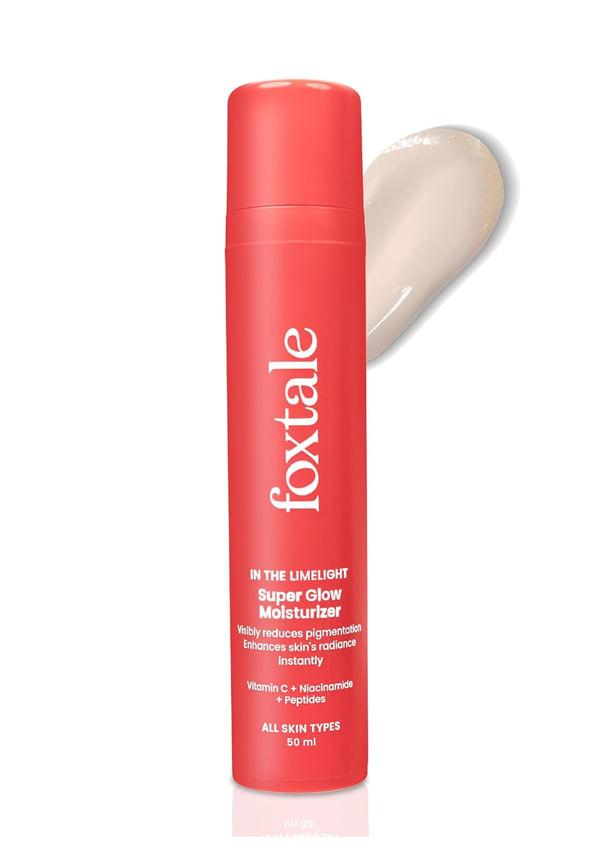
Vitamin C Super Glow Moisturizer with Niacinamide
Product is super fast
 5
5“i love the product. it is super fast”
Awesome Super Glow with Smooth Texture
5“Awesome and super glow with smooth texture”
Awesome Super Glow with Smooth Texture
5“Awesome and super glow with smooth texture”
For oily or combination skin, dermatologists recommend starting with niacinamide-based serums that can address both ageing concerns and excess oil production. For dry or sensitive skin, peptide-rich formulations with hyaluronic acid provide anti-ageing benefits without irritation. Those with normal skin can typically tolerate vitamin C or low-concentration retinol as their first anti-ageing serum.
Dermatologists emphasise the importance of timing. Vitamin C and niacinamide work beautifully in morning routines, providing antioxidant protection throughout the day. Retinoids should always be reserved for evening use, as they can increase photosensitivity. Some ingredients, like hyaluronic acid and peptides, work well both morning and night.
Based on ingredient efficacy, clinical backing, and dermatologist recommendations, here are the standout serums for women beginning their anti-ageing journey in their thirties.
The Derma Co. 10% Vitamin C Face Serum with 5% Niacinamide & Hyaluronic Acid offers exceptional value, combining three dermatologist-favourite ingredients in one formula. Users report fresher skin and reduced dullness within two weeks, making it an excellent entry point for anti-ageing skincare.
Plum's 2% Alpha Arbutin & Hyaluronic Acid Face Serum addresses hyperpigmentation concerns whilst providing hydration—two key issues for women in their thirties dealing with post-acne marks and dehydration.
The Minimalist 2% Alpha Arbutin Face Serum stands out for its ingredient transparency and clinically effective concentration. For those ready to introduce retinoids, the Dot & Key Pomegranate Youth 0.2% Retinol Complex Face Serum combines retinol benefits with antioxidant-rich botanical support.
Pilgrim's 15% Vitamin C Face Serum offers high-strength vitamin C with Kakadu Plum for enhanced antioxidant protection, whilst their Red Vine Face Serum with Peptides targets firmness and hydration simultaneously.
The Minimalist 16% Vitamin C Face Serum represents one of the highest disclosed vitamin C concentrations available, stabilised with vitamin E and ferulic acid for maximum efficacy. The Face Shop's Alltimate Pdrn Hyalu 7 Serum combines advanced hydration technology with skin-repair focused ingredients for comprehensive anti-ageing support.
For those seeking cutting-edge formulations, Foxtale's Collagen-PDRN Cell Renewal Serum focuses on both skin regeneration and collagen support, though its premium pricing reflects its advanced technology.
Product | Skin Type | Key Concern | Affordability | Key Ingredients |
|---|---|---|---|---|
The Derma Co. 10% Vitamin C Serum | All skin types | Dullness, early ageing | Budget-friendly | Vitamin C 10%, Niacinamide 5%, Hyaluronic Acid |
Minimalist 2% Alpha Arbutin Serum | All skin types | Hyperpigmentation | Mid-range | Alpha Arbutin 2%, Hyaluronic Acid |
Pilgrim Red Vine Peptide Serum | Mature, dry skin | Firmness, hydration | Premium | Red Vine Extract, Peptides, Hyaluronic Acid |
Dot & Key Retinol Complex Serum | Normal to dry | Fine lines, texture | Mid-range | Retinol Complex, Pomegranate Extract |
Foxtale 0.3% Retinol Serum | Mature skin | Multiple ageing signs | Premium | Retinol 0.3%, Peptides |
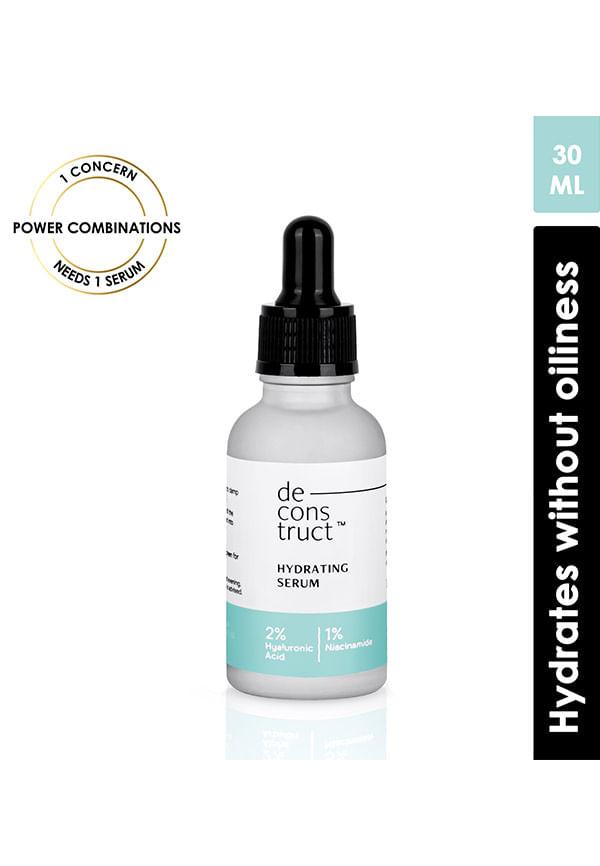
Hydrating Serum Hyaluronic Acid + 1% Niacinamide
Lightweight, Hydrating & Non-Sticky Serum
4“Deconstruct Hyaluronic Acid Serum gives lightweight, deep hydration and leaves skin plump and smooth without feeling sticky.”
High-Quality Serum
5“very good quality hyaluronic acid serum in market”
Very good, loved it
5“Very good on skin. Moving to my second bottle of this. Loved it”
A dermatologist-recommended anti-ageing serum is most effective when part of a well-structured routine. The key is introducing active ingredients gradually and ensuring each product complements rather than competes with others.
Start with a gentle cleanser, follow with your vitamin C or niacinamide serum, add a hydrating moisturiser, and finish with broad-spectrum SPF 30 or higher. This combination provides antioxidant protection, hydration, and crucial sun protection—the foundation of any anti-ageing routine.
Evening routines can accommodate more active ingredients. After cleansing, apply your retinol or peptide serum, follow with a nourishing moisturiser, and consider adding a facial oil if your skin tends toward dryness. The key is consistency rather than complexity.
When using multiple serums, apply them from thinnest to thickest consistency. Avoid combining retinoids with vitamin C in the same routine, as this can increase irritation. Instead, use vitamin C in the morning and retinoids at night. Niacinamide plays well with most ingredients and can be used alongside both vitamin C and retinoids.
The biggest mistake women in their thirties make is introducing too many active ingredients too quickly. Start with one new serum at a time, use it consistently for 4-6 weeks, then gradually introduce additional products. Also, never skip sunscreen when using active ingredients—it's non-negotiable for preventing further damage.
Proper application technique can significantly impact your serum's effectiveness. Dermatologists emphasise that how you use your products matters as much as which products you choose.
Always apply serums to clean, slightly damp skin for better absorption. Use 2-3 drops for your entire face—more isn't better and can lead to irritation. Gently pat the serum into your skin rather than rubbing vigorously, and wait 60 seconds before applying your next product to allow proper absorption.
For retinoids, start with once or twice weekly application and gradually increase as your skin builds tolerance. Vitamin C and niacinamide can typically be used daily from the start, though sensitive skin may benefit from every-other-day application initially. Always listen to your skin—irritation is a sign to slow down, not push through.
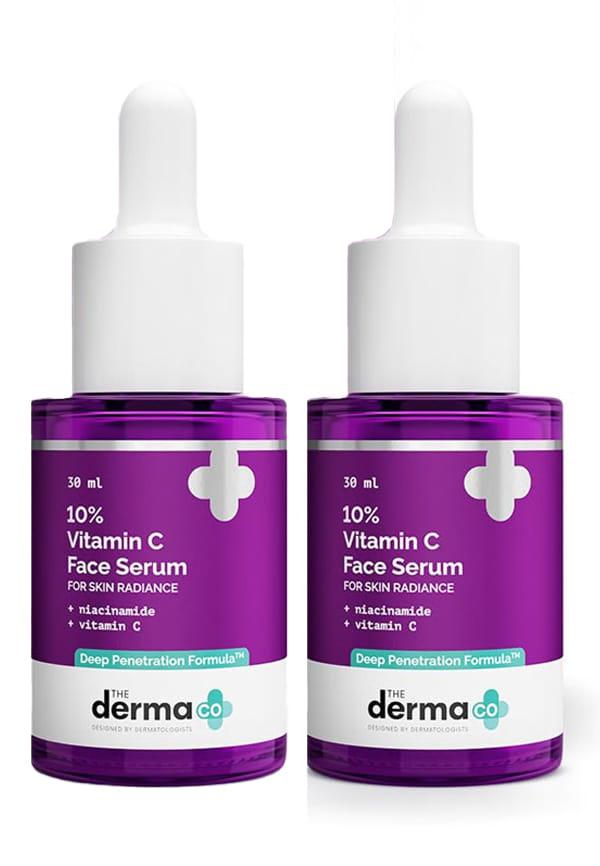
10% Vitamin C Face Serum With 5% Niacinamide & Hyaluronic Acid (Pack of 2)
Good New Serum for Marks & Brightening
5“Good as a new serun which will help in reducing marks. And britening the skin”
Fantastic Product, Want More
5“Fantastic 😊 Love it i want more these type of product”
Glowing and Acne-Free Face
5“Face is glowing and acne free.”
Serums work best when followed by a moisturiser that seals in the active ingredients. If you're using multiple serums, space them throughout your routine or alternate days. For example, use vitamin C in the morning and retinol at night, or alternate niacinamide and retinol on different evenings.
Positive changes typically appear gradually. With vitamin C serums, expect brighter, more even-toned skin within 2-4 weeks. Retinoids may initially cause mild flaking as your skin adjusts, followed by smoother texture and reduced fine lines after 6-8 weeks. Niacinamide often shows results quickly, with reduced oiliness and smaller-looking pores within 2-3 weeks.
Dermatologists consistently recommend serums containing retinoids, vitamin C, or niacinamide as the most effective anti-ageing ingredients for women in their thirties. The "best" serum depends on your specific concerns: vitamin C for brightness and protection, retinoids for fine lines and texture, and niacinamide for oil control and barrier support. Many dermatologists suggest starting with a vitamin C serum like The Derma Co. 10% Vitamin C Face Serum, as it's gentler than retinoids whilst providing excellent antioxidant benefits. The key is choosing a serum with clinically proven ingredients at effective concentrations rather than focusing solely on brand prestige.
Results vary depending on the active ingredient and your skin's condition. Vitamin C serums typically show brightening effects within 2-4 weeks, whilst niacinamide can reduce oiliness and improve skin texture within 2-3 weeks. Retinoids require more patience—initial improvements in skin texture may appear after 6-8 weeks, with more significant anti-ageing benefits becoming visible after 3-6 months of consistent use. Remember that anti-ageing is a gradual process, and consistency matters more than quick fixes. Platforms like Smytten allow you to trial different formulations to find what works best for your skin before committing to full sizes.
Yes, but strategic layering is essential. You can safely combine certain ingredients—for example, vitamin C in the morning and retinol at night, or niacinamide with either vitamin C or retinoids. However, avoid using retinoids and vitamin C in the same routine, as this can increase irritation. When using multiple serums, apply them from thinnest to thickest consistency and allow each to absorb before applying the next. Start with one serum and gradually introduce others to avoid overwhelming your skin.
Not necessarily. The effectiveness of an anti-ageing serum depends on its active ingredients and their concentrations, not its price point. Many budget-friendly serums contain the same clinically proven ingredients as premium options. For example, The Derma Co.'s vitamin C serum offers similar benefits to much more expensive alternatives. Focus on ingredient lists rather than packaging or marketing claims. However, premium serums may offer additional benefits like enhanced stability, elegant textures, or innovative delivery systems that some users prefer.
Serums have a lighter, more concentrated formula that penetrates deeper into the skin, making them ideal for delivering active ingredients like retinoids, vitamin C, and niacinamide. Creams have a heavier texture and primarily focus on moisturising and creating a protective barrier. For optimal results, dermatologists recommend using both: apply your anti-ageing serum first to deliver active ingredients, then follow with a moisturiser to seal in hydration and create a protective barrier. This combination approach maximises the benefits of both product types.
Yes, but choose formulations carefully and introduce them gradually. Start with gentler ingredients like niacinamide or low-concentration vitamin C before progressing to retinoids. Look for serums that include soothing ingredients like hyaluronic acid or ceramides. The Plum Calendula & 10% Vitamin C serum, for example, combines brightening benefits with barrier-supporting ingredients suitable for sensitive skin. Always patch test new products and start with every-other-day application to build tolerance.
Starting anti-ageing skincare in your thirties isn't about vanity—it's about taking a proactive approach to skin health that will benefit you for decades to come. The most effective dermatologist-recommended serums for women in their thirties contain proven ingredients like retinoids, vitamin C, niacinamide, and peptides at clinically effective concentrations. Remember that consistency trumps complexity; a simple routine with the right active ingredients will always outperform an elaborate regimen with ineffective products. Budget-friendly options can be just as effective as premium serums when they contain the right ingredients, so focus on formulation rather than price point. Most importantly, introduce new products gradually, always wear sunscreen when using active ingredients, and be patient—real anti-ageing results develop over months, not days. Your skin in your forties and beyond will thank you for the investment you make today.
Navigating the world of anti-ageing serums doesn't have to feel overwhelming when you understand what dermatologists actually recommend and why. The key is finding formulations that work for your unique skin type and concerns, which is where trial and discovery become invaluable. Smytten is India's largest product discovery and trial platform, connecting consumers with top lifestyle, beauty, wellness, and grooming brands. At its core, Smytten offers curated trial packs - mini-sized products from over 2,400 trusted brands such as Cetaphil, Dot & Key, The Derma Co., Minimalist, and Pilgrim. This lets users explore and experience products before committing to full-size purchases. Each mini is linked with Trial Points, and users can get up to 10 Trial Points for just ₹279. Plus, Smytten offers 100% cashback on the purchase of these minis, redeemable in the shop section for future orders, making product discovery both affordable and rewarding. The best part is that when you find a product you love, buying the full-size version is just a click away in Smytten's shop. With over 28 million users and 100 million trial minis delivered across 90% pin code coverage, Smytten helps consumers make smarter, more confident choices. After all, why settle for 'maybe' when you can try before you buy and discover your perfect anti-ageing serum with confidence?
