Dermaplaning FAQ: Is It Safe for Darker Indian Skin Tones?

Ultra Light indian Sunscreen
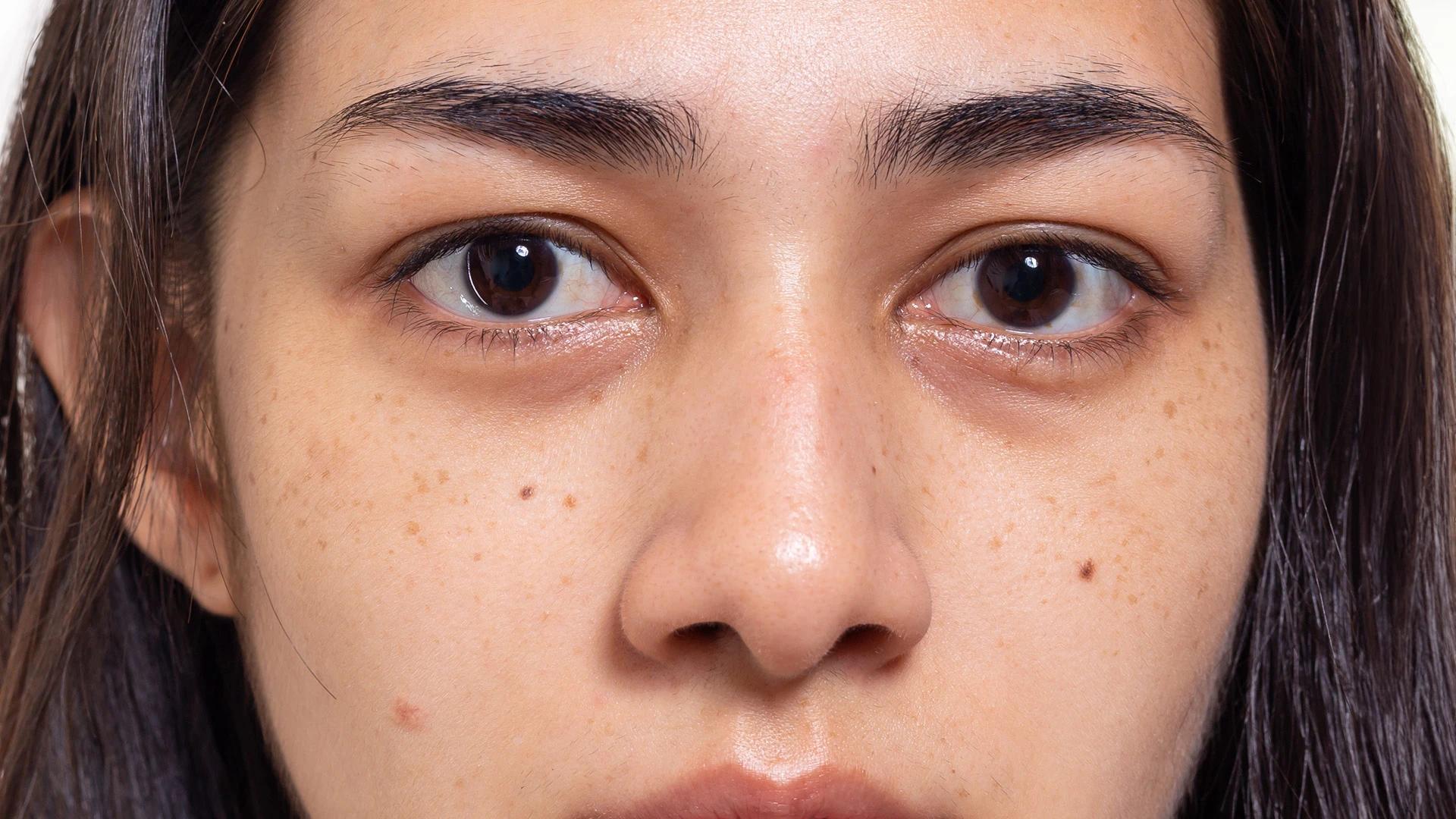
You've been scrolling through skincare reels and stumbled upon dermaplaning videos. The before-and-after shots look incredible, but there's that nagging question: is this actually safe for your Indian skin tone? You're not alone in wondering this. Many people with darker skin tones worry about post-inflammatory hyperpigmentation and whether certain treatments might do more harm than good. Let's dive into everything you need to know about dermaplaning, especially when it comes to darker Indian skin.
Dermaplaning is a physical exfoliation technique that uses a sterile surgical scalpel to gently scrape away dead skin cells and vellus hair (those fine, peach fuzz hairs) from your face. Think of it as the most precise form of exfoliation you can get. The procedure involves holding your skin taut whilst a trained professional uses light, feathering strokes at a 45-degree angle across your skin.
What makes dermaplaning different from regular shaving? The technique, tools, and intention. Whilst shaving focuses on hair removal with often dull razors and potentially harsh pressure, dermaplaning facial treatments use medical-grade scalpels designed specifically for skincare. The goal isn't just hair removal—it's comprehensive exfoliation that reveals smoother, brighter skin underneath.
The science behind this treatment is straightforward. Your skin naturally sheds dead cells, but sometimes this process slows down, leading to dull, rough texture. Dermaplaning manually removes this buildup whilst simultaneously eliminating fine facial hair that can trap dirt and makeup. Professional treatments typically take 30-45 minutes, whilst at-home versions using specialised dermaplaning tools can be done in 10-15 minutes.
Here's the reassuring news: dermaplaning is considered safe for all skin types, including darker Indian skin tones. Unlike some chemical peels or laser treatments that can trigger hyperpigmentation in melanin-rich skin, dermaplaning is a purely physical process that doesn't involve heat or chemicals that might stimulate excess melanin production.
The key concern for darker skin tones is always post-inflammatory hyperpigmentation (PIH)—those dark spots that can appear after any skin trauma. However, when performed correctly, dermaplaning actually has a lower risk of causing PIH compared to other exfoliation methods. The gentle scraping motion doesn't create the micro-tears that can sometimes occur with harsh scrubs or aggressive microdermabrasion.
Research shows that skincare for Indian skin benefits from gentle, consistent exfoliation rather than aggressive treatments. Dermaplaning fits perfectly into this approach. The treatment removes the barrier of dead skin cells, allowing your carefully chosen serums and moisturisers to penetrate more effectively. For Indian skin that often deals with concerns like uneven tone and texture, this enhanced product absorption can be particularly beneficial.
That said, proper technique is crucial. Whether you're getting it done professionally or trying it at home, the pressure should be light, and the movements should be controlled. Never attempt dermaplaning on inflamed, broken, or irritated skin, as this could indeed lead to complications.
Let's talk about what dermaplaning benefits you can realistically expect. The most immediate result is incredibly smooth skin texture. Many people describe their skin feeling like silk after treatment. Your makeup will apply more evenly, and you might notice that your skincare products seem to work better—that's because they're actually reaching your skin instead of sitting on top of dead cells and fine hair.
The temporary hair removal aspect is another bonus. Those fine facial hairs that catch light and make your skin look less smooth will be gone for about 3-4 weeks. Your skin will also appear brighter and more radiant immediately after treatment, as you've literally revealed a fresh layer of skin.
Illuminance Skin Brigthening Face Wash | Only For Sensitive Skin with Dark Skin Tone
Now for the dermaplaning side effects—and yes, there are some to consider. Immediately after treatment, your skin might be slightly red and feel more sensitive than usual. This is completely normal and typically subsides within a few hours. Some people experience minor irritation, especially if they have sensitive skin or if the treatment was performed too aggressively.
There's also the possibility of small nicks or cuts if the technique isn't proper. This is why many dermatologists recommend professional treatments, especially for your first few sessions. Your skin will be more photosensitive after dermaplaning, so SPF becomes absolutely non-negotiable for at least a week following treatment.
Whilst dermaplaning is generally safe, it's not suitable for everyone. If you have active acne, especially cystic acne, dermaplaning could spread bacteria and worsen breakouts. Similarly, if you're dealing with rosacea, eczema, or psoriasis, the physical exfoliation might trigger flare-ups.
Dermaplaning for sensitive skin requires extra caution. If your skin reacts poorly to physical exfoliation or if you have a history of keloid scarring, it's worth consulting a dermatologist before trying dermaplaning. People with PCOS who experience thicker, darker facial hair should also be cautious, as dermaplaning might not be the most suitable hair removal method.
Medication interactions are crucial to consider. If you're using tretinoin, retinoids, or strong chemical exfoliants like glycolic acid or salicylic acid, you'll need to pause these treatments for at least a week before dermaplaning. Using these products too close to your dermaplaning session can lead to over-exfoliation and irritation.
Pregnancy is generally considered safe for dermaplaning since it doesn't involve chemicals, but always check with your healthcare provider first. If you've had recent cosmetic procedures like chemical peels or laser treatments, wait until your skin has fully healed before considering dermaplaning.
Professional dermaplaning cost in India typically ranges from ₹2,000 to ₹5,000 per session, depending on your location and the clinic. Most people benefit from monthly treatments, so you're looking at ₹24,000 to ₹60,000 annually. The advantages of professional treatment include proper sterilisation, expert technique, and the ability to address any complications immediately.
Professional aestheticians can also assess your skin condition and adjust the treatment accordingly. They're trained to recognise when dermaplaning might not be suitable and can recommend alternatives. The tools used in professional settings are medical-grade and properly maintained.
Dermaplaning at home is significantly more cost-effective. Quality dermaplaning tools range from ₹500 to ₹2,000, and they can last for multiple uses. However, the safety responsibility lies entirely with you. You'll need to ensure proper sanitisation of tools, use the correct technique, and know when to stop if something doesn't feel right.
For at-home dermaplaning, especially on darker skin tones, start with clean, dry skin in good lighting. Use light pressure and short strokes, always moving in the direction of hair growth. Never go over the same area multiple times in one session, and avoid the eye area entirely. If you're new to this, consider starting with professional treatments to understand how your skin responds before attempting it yourself.
Illuminance Skin Brigthening Face Wash | Only For Normal Skin with Dark Skin Tone
The dermaplaning vs microdermabrasion debate often comes up when people are choosing exfoliation treatments. Both remove dead skin cells, but they work differently. Microdermabrasion uses tiny crystals or a diamond-tipped wand to essentially sandblast your skin, whilst dermaplaning uses a blade to scrape away the top layer.
For darker Indian skin tones, dermaplaning often has the edge. Microdermabrasion can be more aggressive and has a higher risk of causing post-inflammatory hyperpigmentation, especially if performed too intensely. The suction component of microdermabrasion can also be problematic for sensitive skin.
Dermaplaning provides more controlled exfoliation. You can adjust pressure and technique based on how your skin feels, whereas microdermabrasion machines have set intensities. Additionally, dermaplaning removes facial hair, which microdermabrasion doesn't address.
Recovery time is typically shorter with dermaplaning. Whilst microdermabrasion might leave your skin red and slightly swollen for a day or two, dermaplaning usually results in minimal downtime. Both treatments require diligent sun protection afterwards, but dermaplaning's gentler approach makes it more suitable for people with melanin-rich skin who are concerned about pigmentation issues.
Setting realistic expectations for dermaplaning before and after results is crucial. Immediately after treatment, you'll notice smoother skin texture and a brighter complexion. Your skin might look slightly pink, but this usually fades within hours. The most dramatic difference is often in how makeup applies—foundation will go on more smoothly and evenly.
Over the following days, you might notice that your skincare products absorb better and work more effectively. This is because you've removed the barrier of dead skin cells that was preventing proper penetration. For Indian skin tones dealing with dullness or uneven texture, this improved product absorption can lead to more noticeable results from your existing routine.
The hair removal effects last about 3-4 weeks. Contrary to popular myths, the hair doesn't grow back thicker or darker—it returns exactly as it was before. However, you might notice it more initially because the tips are blunt from being cut rather than naturally tapered.
Long-term benefits include improved skin texture and potentially better management of concerns like mild hyperpigmentation, as your treatment products can work more effectively. However, dermaplaning isn't a miracle cure. It won't eliminate deep acne scars, completely reverse sun damage, or stop the ageing process. Think of it as a tool that enhances your existing skincare routine rather than replacing it.
Yes, dermaplaning is considered safe for Indian and darker skin tones. Unlike some treatments that can trigger hyperpigmentation in melanin-rich skin, dermaplaning is a gentle physical exfoliation that doesn't involve heat or chemicals. When performed correctly with proper technique and aftercare, it has a low risk of causing post-inflammatory hyperpigmentation.
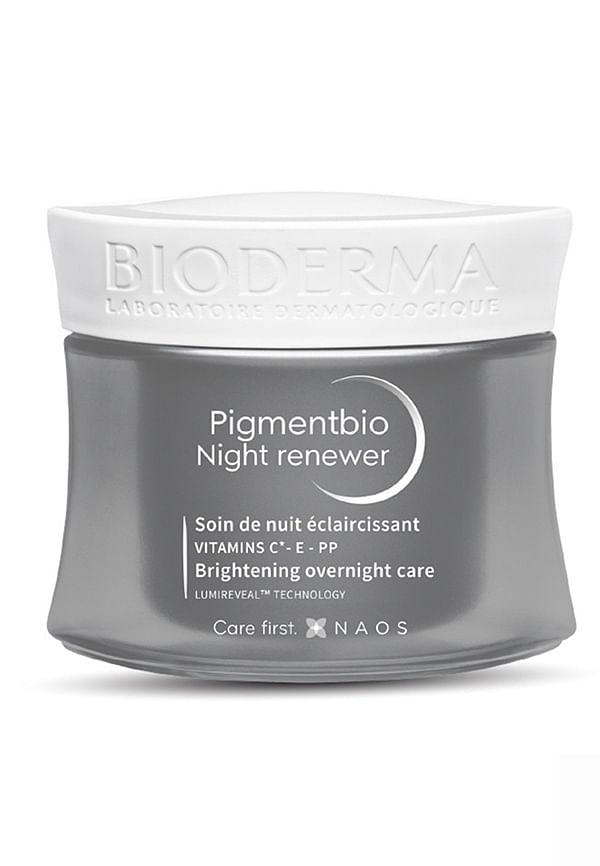
Pigmentbio Night Renewer Brightening Overnight Cream for Dark Spots, Sensitive Skin
People with active acne, rosacea, eczema, or psoriasis should avoid dermaplaning as it could worsen these conditions. Those using strong retinoids or chemical exfoliants should pause these treatments before dermaplaning. If you have a history of keloid scarring or very sensitive skin, consult a dermatologist first.
You should stop using tretinoin and other retinoids at least one week before dermaplaning. These ingredients make your skin more sensitive and prone to irritation. Resume use gradually after your skin has recovered from the dermaplaning treatment, typically 2-3 days later.
No, dermaplaning doesn't age your face. In fact, regular exfoliation can help maintain healthy skin cell turnover and improve the effectiveness of anti-ageing products. The temporary removal of fine facial hair and dead skin cells can actually make your skin appear more youthful and radiant.
This is a common myth. Dermaplaning doesn't change your hair follicles or affect hair growth patterns. The hair grows back exactly as it was before—same thickness, colour, and growth rate. You might notice it more initially because the tips are blunt from cutting rather than naturally tapered.
Most people benefit from dermaplaning every 3-4 weeks, which aligns with your skin's natural cell turnover cycle. However, if you have sensitive skin, you might need to space treatments further apart. Start with longer intervals and adjust based on how your skin responds.
Dermaplaning uses medical-grade scalpels and specific techniques designed for skincare, focusing on both hair removal and exfoliation. Regular shaving uses different tools and pressure, primarily targeting hair removal. Dermaplaning is performed at a precise angle with controlled pressure to safely remove dead skin cells along with hair.
Dermaplaning can be a valuable addition to your skincare routine, especially if you're dealing with dull skin, uneven texture, or want to enhance your product absorption. For Indian and darker skin tones, it's generally safer than many other exfoliation methods, provided it's done correctly with proper aftercare.
The key is starting slowly, whether you choose professional treatments or decide to try it at home. Pay attention to how your skin responds and adjust accordingly. Remember that consistency with gentle treatments often yields better results than aggressive, infrequent procedures.
Your skincare journey should feel empowering, not overwhelming. If you're curious about incorporating new exfoliation methods or want to explore products that work well with freshly dermaplaned skin, platforms like Smytten offer a smart way to discover what works for your unique skin needs. With access to curated products from trusted brands and the option to try before committing to full sizes, you can build a routine that truly supports your skin goals. After all, your skin deserves products that work as hard as you do.
