Dehydrated vs Dry Skin in India: Your FAQ Answered

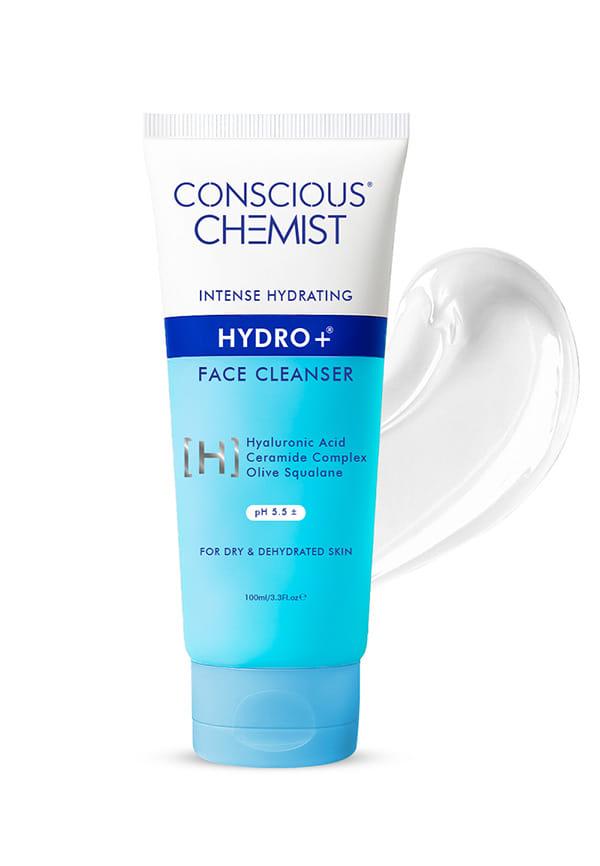
Gentle Hydrating Cleanser For Dry Skin with Hyaluronic Acid and Ceramides
Loved the Fresh, Hydrating Feel
 4
4“my skin loved it , feels fresh and hydrating”
Loved the Fresh, Hydrating Feel
4“my skin loved it , feels fresh and hydrating”
Good cleansing and hydrating
4“Good cleansing and hydrates after wash”
Ever stood in front of the mirror wondering why your skin feels tight despite using that expensive moisturiser? Or perhaps you've noticed your usually oily T-zone looking dull and lacklustre after a particularly stressful week at work. If you're nodding along, you're not alone. Many of us in India struggle to understand whether our skin is actually dry or simply dehydrated – and honestly, the confusion makes perfect sense. These two conditions look remarkably similar but require completely different approaches. Getting this wrong can leave you treating the symptoms whilst missing the root cause entirely.
The difference between dehydrated skin and dry skin isn't just skincare semantics – it's the key to finally getting your routine right. Think of it this way: dry skin is like having a car that doesn't produce enough oil, whilst dehydrated skin is like having a car with plenty of oil but not enough coolant. Both will cause problems, but you wouldn't treat them the same way.
Dry skin is fundamentally about lacking natural oils. Your sebaceous glands simply don't produce enough sebum to keep your skin barrier healthy and protected. This is largely genetic – if your parents had dry skin, there's a good chance you will too. In India's diverse climate zones, dry skin becomes particularly noticeable during winter months in northern regions or in areas with low humidity year-round.
Dehydrated skin, on the other hand, is all about water content. Your skin might be producing adequate oils, but it's struggling to retain moisture. This can happen to anyone – even those with naturally oily skin. The fascinating thing about dehydrated skin is that it can fluctuate dramatically based on your environment, lifestyle, and even what you had for dinner last night.
Understanding this difference becomes crucial when you consider India's varied climate challenges. During monsoon season, you might find your usually dry skin feeling more balanced, whilst the humidity could actually trigger dehydration in oily skin types. Similarly, the harsh transition from outdoor heat to air-conditioned offices can wreak havoc on your skin's water levels, regardless of your natural oil production.
Real talk – distinguishing between these conditions requires looking beyond surface-level observations. Your skin will notice the difference once you start paying attention to the right signs.
The most telling sign of dehydrated skin symptoms is that tight, almost shrink-wrapped feeling immediately after cleansing. Your skin might look dull and tired, even when you've had a full night's sleep. Fine lines seem to appear from nowhere, particularly around your eyes and mouth. Many people also notice increased sensitivity – products that never bothered you before suddenly sting or irritate.
Try the pinch test: gently pinch the skin on the back of your hand. If it takes a moment to bounce back to its normal position, that's a classic sign of dehydration. Healthy, well-hydrated skin snaps back immediately.
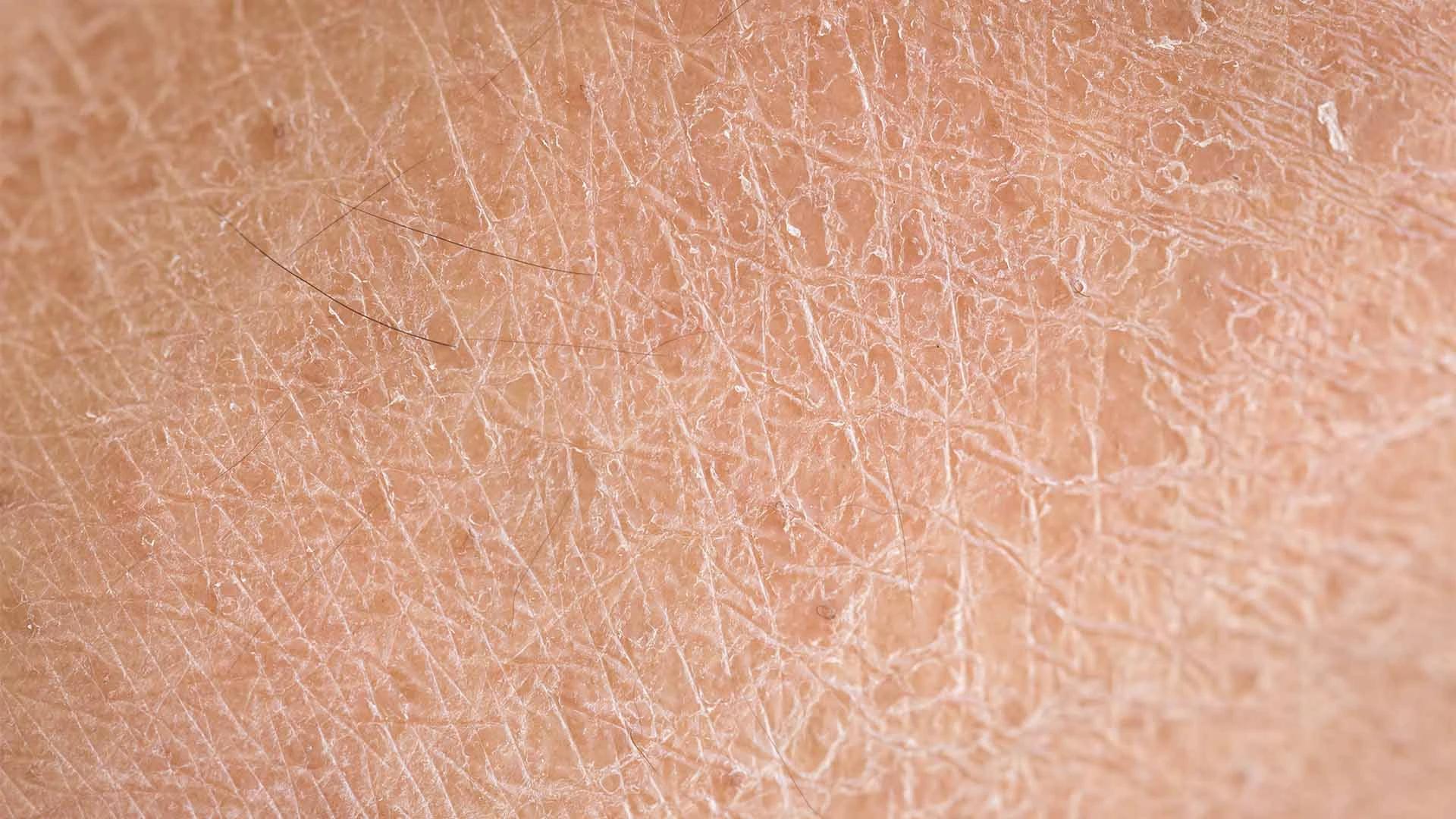
Dry skin symptoms tend to be more consistent and visible. You'll notice constant flakiness, particularly around your nose, forehead, and cheeks. The texture feels rough to the touch, and you might see actual scaling or peeling, especially during colder months. Itchiness is common, and your skin often feels uncomfortable throughout the day, not just after cleansing.
Here's a quick self-assessment: Look at your skin first thing in the morning before applying any products. Dry skin will show consistent flaking and rough patches. Dehydrated skin might look plump in some areas but feel tight overall. Pay attention to how your skin behaves throughout the day – dehydrated skin often looks worse by evening, whilst dry skin maintains its rough texture consistently.
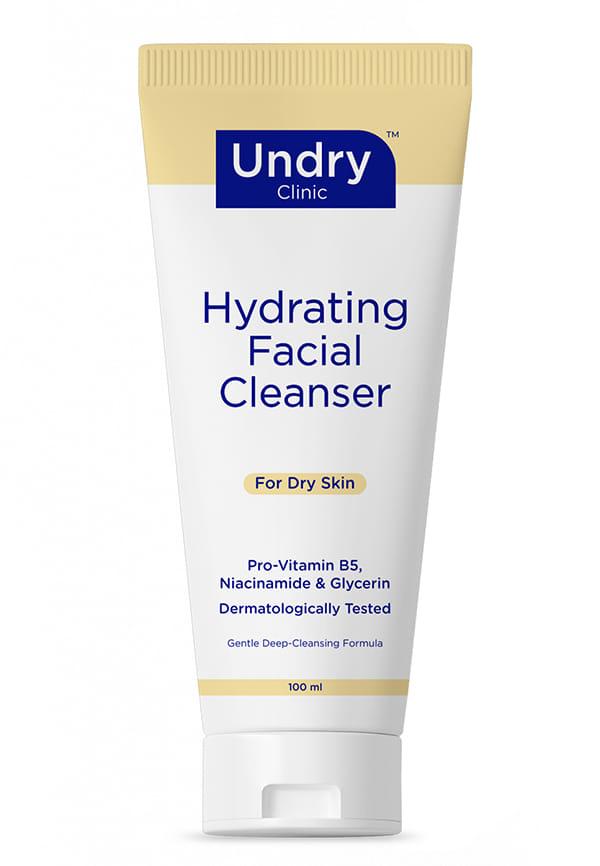
Hydrating Facial Cleanser for Dry Skin
Effective Cleanser
4“it is good cleanser cleanses effectively”
Understanding what's triggering your skin concerns helps you address them more effectively. The causes behind these conditions are quite different, which explains why the treatments need to be too.
Dehydrated skin causes in India often revolve around our modern lifestyle. Air conditioning is a major culprit – those blessed cool offices and bedrooms are constantly pulling moisture from your skin. Urban pollution creates a barrier that prevents your skin from breathing properly, whilst harsh cleansing products strip away your skin's natural protective layer.
Your morning coffee habit might also be contributing. Caffeine and alcohol are diuretics, which means they pull water from your system. If you're not compensating with adequate water intake, your skin feels it first. Even stress plays a role – elevated cortisol levels can disrupt your skin's ability to retain moisture.
Dry skin causes are typically more deep-rooted. Genetics play the biggest role – your skin type is largely determined by your family history. Hormonal changes, particularly during menopause or pregnancy, can significantly reduce sebum production. Certain medical conditions like hypothyroidism or eczema also contribute to chronic dryness.
Age is another factor. As we get older, our sebaceous glands naturally slow down oil production. This is why many people who had oily skin in their twenties find themselves dealing with dryness in their forties.
India's diverse climate zones create unique challenges. Northern regions experience harsh winters that can trigger both conditions, whilst coastal areas deal with humidity fluctuations. The transition between seasons often catches our skin off guard – your summer routine might leave you feeling tight and uncomfortable come October.
Now for the good bit – actually fixing these concerns. The approach for each condition is quite different, which is why getting the diagnosis right matters so much.
For dehydrated skin, think water, water, water. Hyaluronic acid becomes your best friend – this ingredient can hold up to 1000 times its weight in water. Look for lightweight serums that you can layer under your regular moisturiser. The key is building up hydration in thin layers rather than slapping on one heavy cream.
Switch to a gentle, non-stripping cleanser. Those foaming cleansers that leave your skin feeling 'squeaky clean' are actually removing essential moisture. Consider adding a humidifier to your bedroom, especially if you sleep with air conditioning on.
Skincare for dry skin requires a different strategy. You need to replace the oils your skin isn't producing naturally. Look for moisturisers containing ceramides, which help rebuild your skin barrier. Ingredients like shea butter, squalane, and natural oils provide the lipids your skin is missing.
The best moisturiser for dry skin will feel rich and nourishing. Don't be afraid of slightly heavier textures – your skin needs that extra protection. Night treatments become particularly important, as this is when your skin does most of its repair work.

Pore Cleansing Hydration Regime For Dry & Sensitive Skin (Women)
Niacinamide works beautifully for both conditions as it helps strengthen your skin barrier. For dehydrated skin, pair it with hyaluronic acid. For dry skin, combine it with heavier emollients. Natural ingredients like aloe vera and rose water can provide gentle hydration without overwhelming sensitive skin.
Choosing the right products makes all the difference. Your skin will notice when you start using formulations designed for your specific concern.
For skincare for dehydrated skin, lightweight gel moisturisers work wonderfully during the day. Water-based serums can be layered morning and evening. Hydrating mists become handy for midday touch-ups, especially if you work in air-conditioned environments.
Look for products containing glycerin, sodium hyaluronate, and beta-glucan. These ingredients draw moisture to your skin and help it stay there. Avoid anything with high alcohol content, as this will worsen dehydration.
Dry skin requires richer formulations. Cream-based moisturisers work better than gels or lotions. Overnight masks can provide intensive treatment once or twice a week. Don't forget about body care – dry skin often affects your entire body, not just your face.
Ingredients to seek out include petrolatum, dimethicone, and natural oils like jojoba or argan oil. These create a protective barrier that prevents moisture loss whilst delivering essential fatty acids.
Some products work well for both conditions, particularly those focusing on barrier repair. Skin hydration benefits everyone, regardless of skin type. Products containing both humectants (for water) and emollients (for oils) can address combination concerns effectively.
This is where things get really interesting. Many people assume oily skin can't be dehydrated, but that's simply not true.
Absolutely. Your skin might be producing plenty of oil but still struggling to retain water. In fact, dehydrated oily skin often produces even more oil as it tries to compensate for the lack of moisture. This creates a frustrating cycle where you feel both greasy and tight at the same time.
If you have oily skin that feels dehydrated, focus on lightweight hydration. Gel-based serums and water-based moisturisers work well. Avoid over-cleansing, which can worsen both oil production and dehydration. The goal is balance, not stripping your skin bare.
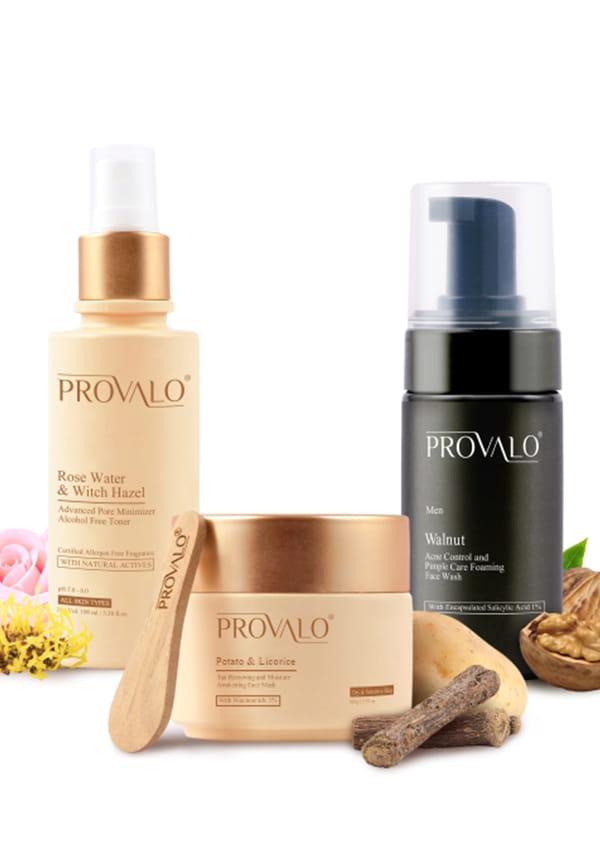
Pore Cleansing Hydration Regime For Dry & Sensitive Skin (Men)
The pinch test is your best starting point. Gently pinch the skin on the back of your hand – if it takes time to bounce back, you're likely dehydrated. Also, pay attention to oil production: dry skin consistently lacks oils, whilst dehydrated skin might still produce sebum but feel tight and uncomfortable. Dehydrated skin often looks dull and shows fine lines that seem to appear suddenly, whilst dry skin displays consistent flaking and rough texture.
Yes, hyaluronic acid is excellent for dehydrated skin. This powerful humectant can hold up to 1000 times its weight in water, making it perfect for boosting your skin's moisture levels. Apply it to slightly damp skin and follow with a moisturiser to lock in the hydration. It works well for all skin types, including oily skin that's experiencing dehydration.
Indian humidity can be tricky – whilst the air contains moisture, pollution and air conditioning can still leave your skin dehydrated. Use lightweight, water-based products that won't feel heavy in humid conditions. A hydrating serum followed by a gel moisturiser works well. Don't skip moisturiser just because it's humid outside – your skin still needs protection from environmental stressors.
Yes, dry skin can absolutely become dehydrated as well. This creates a double challenge where your skin lacks both oils and water. In this case, you'll need to layer your products: start with a hydrating serum for water content, then follow with a richer moisturiser to replace missing oils. This combination approach addresses both concerns effectively.
Layer your products from thinnest to thickest consistency. Start with a hydrating serum containing hyaluronic acid, then apply a moisturiser with both humectant and emollient properties. You might need different products for different areas of your face – lighter formulations for any oily zones, richer creams for persistently dry areas. Consistency is key, so stick with your routine for at least 4-6 weeks to see results.
Whilst staying hydrated is important for overall health, simply drinking more water won't directly fix dehydrated skin. Your skin needs topical hydration through proper skincare products. However, severe dehydration from inadequate water intake can affect your skin, so maintaining good hydration habits supports your skincare efforts.
Absolutely. Seasonal transitions, air conditioning, heating, and even flying can temporarily dehydrate your skin. This is why your skin might feel different during monsoon season compared to winter months. Adjusting your routine seasonally and using a humidifier during dry periods can help maintain consistent skin hydration.
Understanding the difference between dehydrated and dry skin isn't just about getting your skincare terminology right – it's about finally giving your skin what it actually needs. Your skin will notice when you start treating the root cause rather than just the symptoms. Whether you're dealing with oil deficiency, water loss, or both, the right approach can transform how your skin looks and feels.
Remember that skin concerns can change over time. What worked in your twenties might not suit your skin in your thirties. Seasonal changes, stress, hormonal fluctuations, and even moving to a different city can shift your skin's needs. Stay curious about your skin and don't be afraid to adjust your routine accordingly.
The beauty of understanding these differences lies in making informed choices. When you know whether your skin needs water, oils, or both, shopping for products becomes much simpler. You'll stop wasting money on treatments that don't address your actual concerns and start building a routine that truly works for your unique skin.
If you're curious about trying new products but hesitant to commit to full sizes, Smytten's curated selection lets you explore different formulations through minis from trusted brands. It's a smart way to test whether that hydrating serum or rich moisturiser actually suits your skin before investing in the full-size version. With over 28 million users discovering their perfect products this way, you're in good company on your skincare journey.
