Dark Spots on Face Indian Skin Treatment FAQ: Your Questions Answered


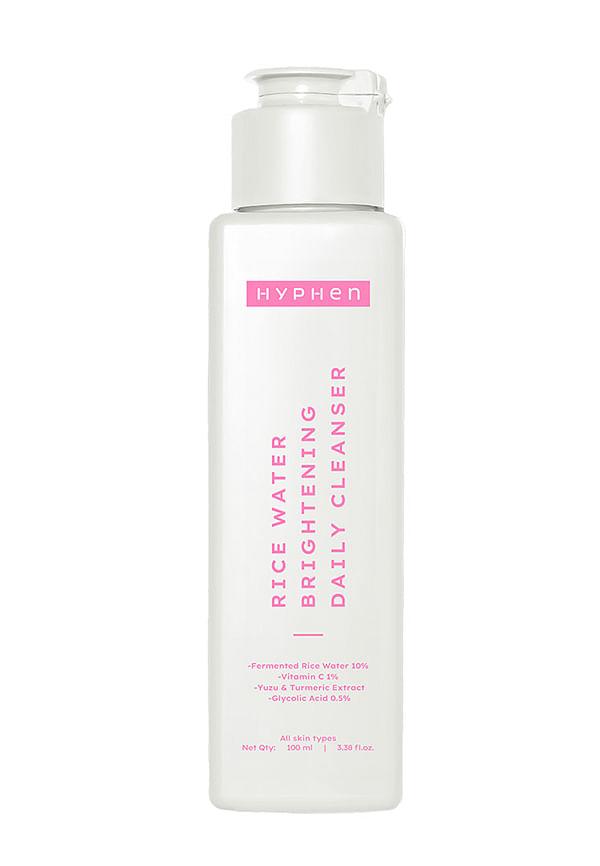
Rice Water Brightening Daily Cleanser | Brightens Skin, Reduces Dark Spots
You've noticed those stubborn dark spots staring back at you in the mirror, and you're wondering if they'll ever fade. If you have Indian skin, you're not alone in this struggle. Our melanin-rich complexions are beautiful but can be more prone to hyperpigmentation from everything from that post-monsoon breakout to years of sun exposure. The good news? With the right approach, dark spots on face indian skin treatment can be incredibly effective when you understand what works for our unique skin needs.
Indian skin has its own set of rules when it comes to pigmentation, and understanding these differences is crucial for effective treatment. Our higher melanin content, while protective against UV damage, also means we're more likely to develop dark spots when our skin gets irritated or inflamed.
The science behind this is fascinating. Indian skin produces melanin more readily as a protective response, which means even minor inflammation from a pimple or a small scratch can trigger post-inflammatory hyperpigmentation. This is why that tiny spot from last month's breakout is still visible, whilst your friend with lighter skin might not have any marks at all.
Common triggers include sun exposure without proper SPF protection, hormonal fluctuations during pregnancy or menstrual cycles, acne scarring, and even aggressive scrubbing or picking at the skin. The key is recognising these triggers early and addressing them with targeted skin brightening approaches.
Melasma appears as symmetrical brown patches, usually on the cheeks, forehead, or upper lip, and is often triggered by hormonal changes or sun exposure. Post-inflammatory hyperpigmentation shows up as dark marks where acne or other skin injuries have healed. Sun spots tend to be smaller and more scattered, particularly on areas that get the most UV exposure like the cheeks and forehead.
Understanding which type you're dealing with helps determine the most effective dark spot corrector approach for your specific needs.
Real talk: there's no magic overnight solution for dark spots on face indian skin treatment, but there are proven methods that work consistently when used properly. The most effective treatments combine prevention with active ingredients that target melanin production and skin cell turnover.
Before diving into active treatments, let's address the elephant in the room: sun protection. No amount of expensive serums or treatments will work if you're not using broad-spectrum SPF 30 or higher daily. Indian skin needs this protection year-round, not just during summer holidays.
This isn't just about preventing new spots; UV exposure can actually darken existing hyperpigmentation, making your current treatment efforts less effective. Think of sunscreen as your daily insurance policy against uneven skin tone.
For stubborn melasma treatment or severe hyperpigmentation, professional interventions often provide the fastest results. Chemical peels using glycolic acid or salicylic acid can accelerate pigmentation removal by encouraging faster skin cell turnover. Laser treatments like Q-switched lasers specifically target melanin deposits for more dramatic blemish removal.
Most dermatologists recommend starting with gentler treatments and building up intensity based on how your skin responds. The timeline for professional treatments typically shows initial improvement around 4-6 weeks, with significant results visible after 8-12 weeks of consistent treatment.
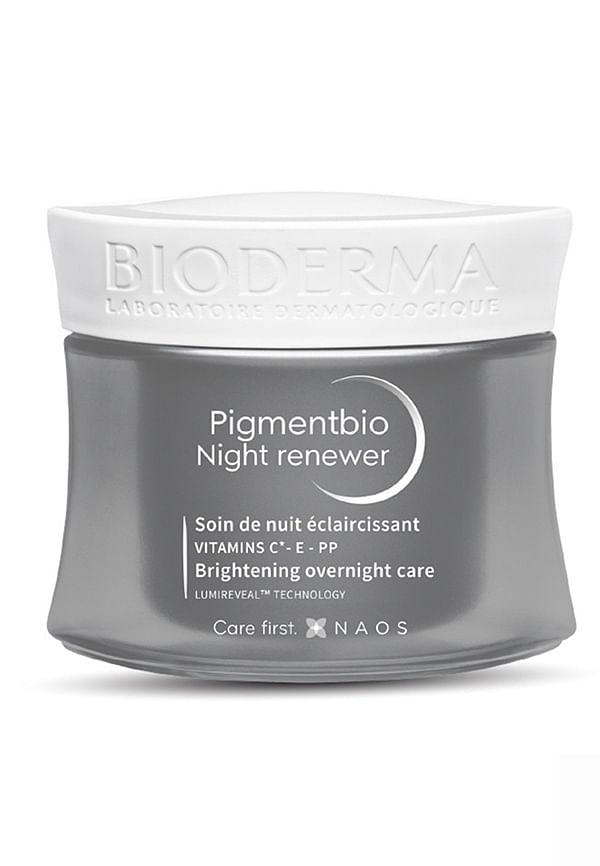
Pigmentbio Night Renewer Brightening Overnight Cream for Dark Spots, Sensitive Skin
When it comes to skin discoloration treatment, certain ingredients have proven track records for working well with Indian skin tones. The key is choosing ingredients that brighten without causing irritation that could lead to more pigmentation.
Niacinamide is often called the gentle giant of skincare ingredients. At concentrations of 2-5%, it helps reduce melanin transfer to skin cells whilst also controlling oil production. This makes it particularly valuable for Indian skin, which often deals with both pigmentation and oiliness.
Vitamin C in stable forms like magnesium ascorbyl phosphate provides antioxidant protection whilst supporting natural skin brightening. The key is starting with lower concentrations (10-15%) and building tolerance gradually.
Arbutin and kojic acid work by inhibiting tyrosinase, the enzyme responsible for melanin production. These ingredients are particularly effective for melasma treatment when used consistently over several months.
The most effective routines layer compatible ingredients strategically. Morning routines work best with vitamin C followed by sunscreen, whilst evening routines can incorporate niacinamide with gentle exfoliating acids like lactic acid for enhanced pigmentation removal.
Avoid mixing vitamin C with retinoids or strong acids in the same routine, as this can cause irritation that triggers more pigmentation in Indian skin.
Whilst professional treatments and proven actives typically show faster results, some natural remedies for dark spots can support your overall treatment plan when used correctly.
Aloe vera contains compounds that can help soothe inflammation and support skin healing, making it useful for preventing post-inflammatory hyperpigmentation from new breakouts. Licorice root extract contains glabridin, which has been shown to inhibit tyrosinase activity naturally.
Turmeric has anti-inflammatory properties that can help calm irritated skin, though it should be used sparingly to avoid temporary yellow staining. When using lemon juice, always dilute it and never use it before sun exposure, as it can increase photosensitivity.
Natural remedies work more slowly than clinical treatments and are best used as supportive measures rather than primary treatments for significant hyperpigmentation. They're particularly useful for maintaining results once you've achieved improvement with more active treatments.
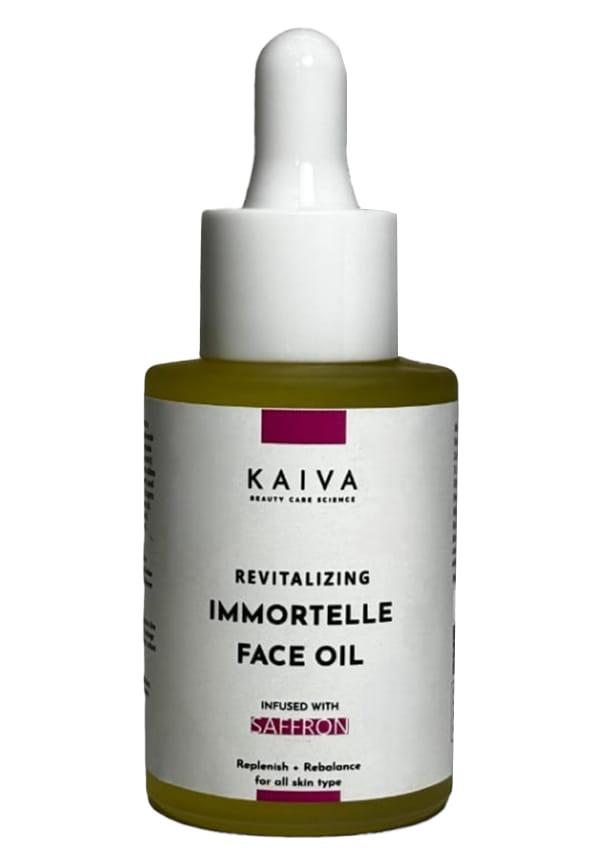
Immortelle Face Oil | Helps Reduce Dark Spots & Pigmentation
Deciding between professional and at-home dark spot corrector treatments depends on the severity of your pigmentation, your budget, and your timeline for results.
If you're dealing with widespread melasma, deep acne scarring, or pigmentation that hasn't responded to consistent at-home treatment after 3-4 months, a dermatologist can provide stronger treatments and combination therapies that aren't available over-the-counter.
Professional treatments also make sense if you have sensitive skin that reacts poorly to active ingredients, as dermatologists can customise treatments to minimise irritation whilst maximising results.
At-home treatments can be highly effective for mild to moderate hyperpigmentation when used consistently and correctly. The key is patience and proper layering of ingredients. Start with one active ingredient and introduce others gradually to avoid overwhelming your skin.
Track your progress with photos taken in consistent lighting, as improvements in uneven skin tone can be gradual and easy to miss day-to-day.
Even with the best intentions, certain mistakes can actually worsen dark spots on face indian skin treatment or slow down your progress significantly.
Over-exfoliation is one of the biggest culprits. Using multiple acids, scrubs, and active ingredients simultaneously can irritate Indian skin and trigger more pigmentation. Similarly, picking at spots or aggressive scrubbing can create new areas of post-inflammatory hyperpigmentation.
Using products formulated for lighter skin tones can also be problematic, as they may contain higher concentrations of actives that can cause irritation in melanin-rich skin.
Expecting overnight results is perhaps the most common mistake. Skin discoloration treatment requires patience, with most people seeing initial improvements around 6-8 weeks and significant results after 3-6 months of consistent treatment.
Stopping treatment too early because you don't see immediate results often means starting over from square one when you eventually restart your routine.
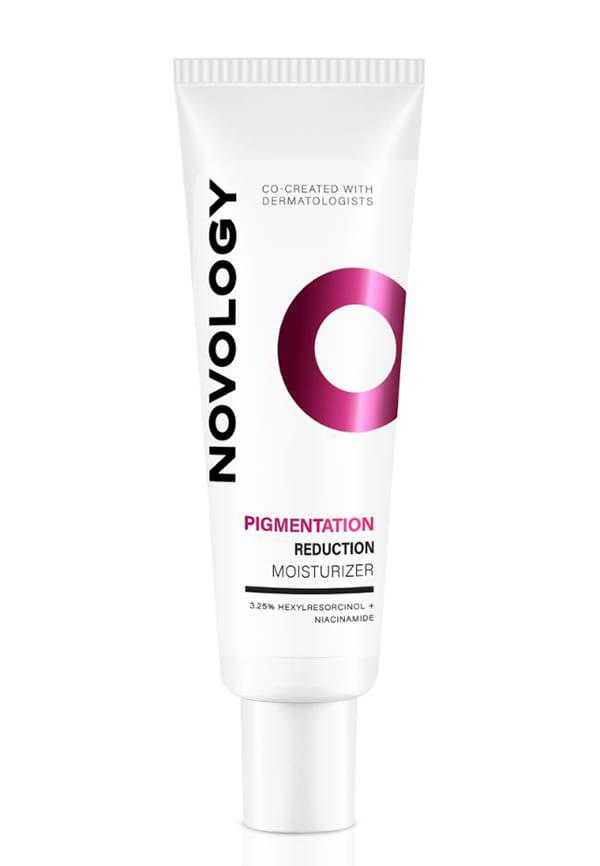
Pigmentation Moisturiser, Face Cream for Hyperpigmentation & Dark Spots
Most people notice initial improvements in skin brightening after 4-6 weeks of consistent treatment, with significant reduction in dark spots visible after 8-12 weeks. However, deeper pigmentation from melasma or old acne scars may take 3-6 months to show substantial improvement. The key is maintaining your routine even when progress feels slow.
Products containing niacinamide (2-5%) combined with vitamin C and broad-spectrum sunscreen show excellent results for Indian skin. These ingredients are gentle enough for daily use whilst effectively targeting hyperpigmentation. Look for formulations specifically tested on darker skin tones to ensure safety and efficacy.
Whilst natural remedies for dark spots like aloe vera and licorice extract can support skin healing and provide mild brightening effects, they typically work much slower than proven actives like niacinamide or vitamin C. Natural remedies are best used as complementary treatments rather than primary solutions for significant pigmentation removal.
Mild melasma may respond to consistent at-home treatment with niacinamide, vitamin C, and religious sunscreen use. However, moderate to severe melasma typically requires dermatologist-supervised treatment with prescription ingredients like hydroquinone or tretinoin for effective melasma treatment.
Yes, but introduce them gradually and pay attention to how your skin responds. Start with one active ingredient for 2-3 weeks before adding another. Niacinamide pairs well with most ingredients, whilst vitamin C is best used in the morning and acids in the evening to prevent irritation that could worsen uneven skin tone.
This can happen when starting active treatments, as increased cell turnover brings deeper pigmentation to the surface. It's also common if you're not using adequate sun protection, as UV exposure can darken existing spots. Stick with your routine and ensure you're using SPF 30+ daily for the best skin discoloration treatment results.
Absolutely. Hormonal fluctuations during menstruation, pregnancy, or menopause can trigger new melasma or darken existing spots, making treatment progress appear slower. This is why consistency in your routine and sun protection becomes even more crucial during hormonal changes.
Treating dark spots on face indian skin treatment successfully requires understanding that our melanin-rich skin has unique needs and responses. The most effective approach combines prevention through daily sun protection with targeted active ingredients that work gently but consistently over time.
Remember that hyperpigmentation treatment is a marathon, not a sprint. The spots that took months or years to develop won't disappear overnight, but with the right combination of ingredients and patience, significant improvement is absolutely achievable. Focus on building a sustainable routine rather than seeking quick fixes that might irritate your skin and create more pigmentation.
Your skin will notice when you give it consistent, gentle care with proven ingredients. Whether you choose professional treatments or stick to at-home options, the key is starting with one or two targeted products and building your routine gradually. Smytten's curated selection includes many effective dark spot corrector options from trusted brands, and with over 28 million users discovering products that work for their unique skin needs, you're in good company on this journey to clearer, more even-toned skin.
