Dark Spots in India FAQ: Natural Removal & Hyperpigmentation Treatment


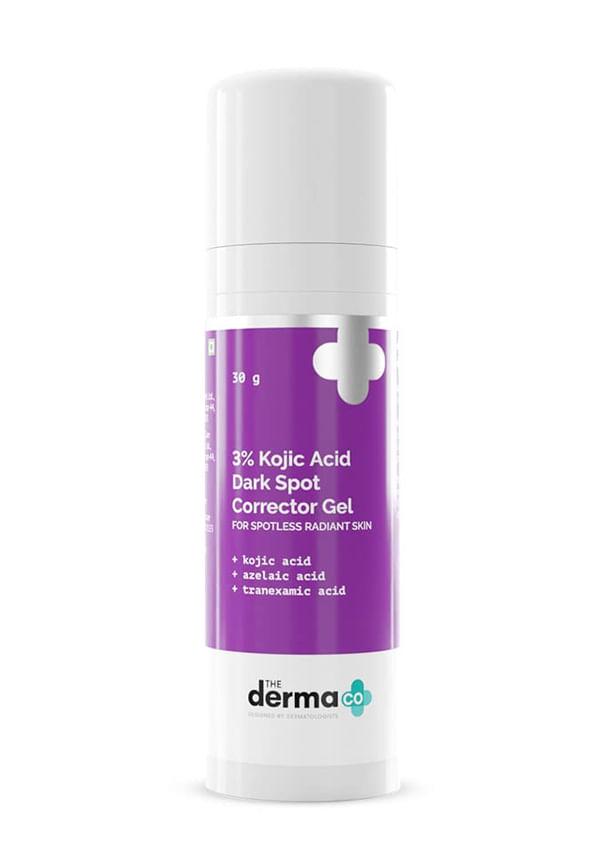
3% Kojic Acid Dark Spot Corrector Gel
Dark spots seem to appear overnight but take forever to fade, don't they? If you're dealing with stubborn hyperpigmentation and wondering how to tackle it naturally, you're not alone. Indian skin, with its beautiful melanin-rich complexion, is particularly prone to post-inflammatory hyperpigmentation and sun-induced dark spots. The good news? Nature has provided us with powerful ingredients that can help fade these marks safely and effectively. From time-tested turmeric to vitamin C-rich amla, natural remedies offer gentle yet potent solutions for achieving clearer, more even-toned skin without harsh chemicals.
Before diving into treatments, it's crucial to understand why dark spots form and why Indian skin types are particularly susceptible to hyperpigmentation. Our skin produces melanin as a protective response to various triggers, and sometimes this process goes into overdrive, creating those frustrating dark patches we're trying to fade.
Melanin production in Indian skin tends to be more active due to genetic factors, which means we're more prone to developing dark spots after inflammation or sun exposure. The tropical climate doesn't help either – intense UV radiation, high humidity, and pollution create the perfect storm for hyperpigmentation. Hormonal fluctuations during pregnancy, menstruation, or stress can trigger melasma, whilst acne breakouts often leave behind stubborn post-inflammatory marks that can take months to fade naturally.
Many people unknowingly worsen their dark spots by picking at blemishes, using harsh scrubs, or skipping sun protection. Even seemingly innocent habits like touching your face frequently can lead to irritation and subsequent pigmentation.
Sun spots and age spots typically appear on areas most exposed to UV rays – your face, hands, and shoulders. These tend to be uniform in colour and have defined edges. Post-inflammatory hyperpigmentation from acne appears as dark marks where breakouts have healed, often varying in intensity based on how deep the original blemish was.
Melasma presents as symmetrical patches, usually on the cheeks, forehead, or upper lip, and is strongly linked to hormonal changes. Understanding which type you're dealing with helps you choose the most effective natural treatment approach.
The beauty of natural remedies lies in their gentle yet effective approach to skin healing. These ingredients work by either inhibiting melanin production, promoting cell turnover, or providing antioxidant protection that prevents further damage.
Turmeric isn't just a kitchen staple – it's a powerhouse ingredient for treating hyperpigmentation. Its active compound, curcumin, has anti-inflammatory properties that help calm irritated skin and gradually lighten dark spots. Mix a pinch of turmeric with yoghurt or honey to create a gentle mask that won't stain your skin yellow.
Neem works particularly well for dark spots caused by acne, thanks to its antibacterial properties that prevent further breakouts whilst promoting healing. Sandalwood has been used for centuries in Indian skincare for its cooling and brightening effects – it's especially soothing for inflamed or irritated areas.
Multani mitti (Fuller's earth) provides gentle exfoliation that helps remove dead skin cells and allows other treatments to penetrate more effectively. It's particularly beneficial for oily skin types prone to acne-related dark spots.
Vitamin C from natural sources like lemon, amla, and oranges helps inhibit melanin production whilst providing antioxidant protection. However, citrus fruits can be photosensitising, so always use them in the evening and follow with sun protection the next day.
Alpha hydroxy acids found in yoghurt, milk, and certain fruits provide gentle chemical exfoliation that speeds up cell turnover, helping dark spots fade more quickly. Antioxidants from green tea, tomatoes, and papaya protect against free radical damage whilst supporting skin repair processes.
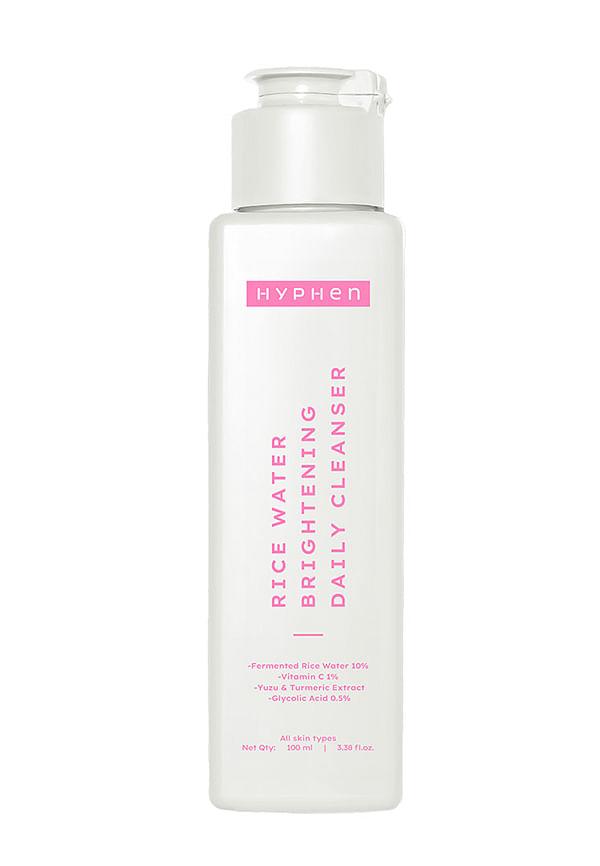
Rice Water Brightening Daily Cleanser | Brightens Skin, Reduces Dark Spots
Consistency is key when using natural remedies for dark spots. Unlike harsh chemical treatments that might show quick results, natural ingredients work gradually but safely, building up their effects over time.
Start your morning with a gentle cleanser made from chickpea flour and milk, which provides mild exfoliation without irritation. Follow with a vitamin C serum made from fresh amla juice mixed with a few drops of glycerin. Always finish with a natural SPF – zinc oxide or titanium dioxide-based sunscreens work well for sensitive skin.
Evening routines should focus on repair and renewal. After cleansing, apply treatments like turmeric masks or aloe vera gel. End with a nourishing oil like rosehip or jojoba, which won't clog pores but will support skin barrier function.
A turmeric and yoghurt mask combines anti-inflammatory turmeric with lactic acid from yoghurt for gentle brightening. Mix half a teaspoon of turmeric with two tablespoons of plain yoghurt, apply for 15 minutes, then rinse with lukewarm water.
For a lemon and honey treatment, dilute fresh lemon juice with equal parts water, then mix with raw honey. This combination provides vitamin C and gentle exfoliation whilst honey's antimicrobial properties prevent irritation. Apply only to dark spots, leave for 10 minutes, and always use in the evening.
Create an aloe vera and vitamin E serum by mixing fresh aloe gel with the contents of one vitamin E capsule. This combination soothes inflammation whilst providing antioxidant protection. Store in the refrigerator for up to a week.
Week one should focus on gentle introduction and patch testing. Start with the mildest treatments like aloe vera or green tea toner, using them every other day. By day three, if no irritation occurs, you can begin incorporating slightly stronger treatments like diluted lemon juice or turmeric masks.
Track your progress with photos taken in consistent lighting. Real improvement typically becomes noticeable after 2-3 weeks of consistent use, with significant fading occurring over 6-8 weeks for recent dark spots.
India's diverse climate zones require adapted approaches to natural skincare. What works in Mumbai's humidity might need modification for Delhi's dry winters or Bangalore's moderate climate.
During monsoon season, focus on ingredients that won't feel heavy or sticky – green tea toners, diluted aloe vera, and light oil-free treatments work best. The increased humidity can actually help natural ingredients penetrate better, but be cautious of fungal issues with DIY preparations.
Summer heat calls for cooling ingredients like cucumber, mint, and sandalwood. Store your natural treatments in the refrigerator for an extra soothing effect. Avoid citrus-based treatments during peak sun hours, and always double up on sun protection.
Winter dryness requires more nourishing approaches. Add honey or glycerin to your treatments to prevent over-drying, and follow up with heavier natural moisturisers like shea butter or coconut oil.
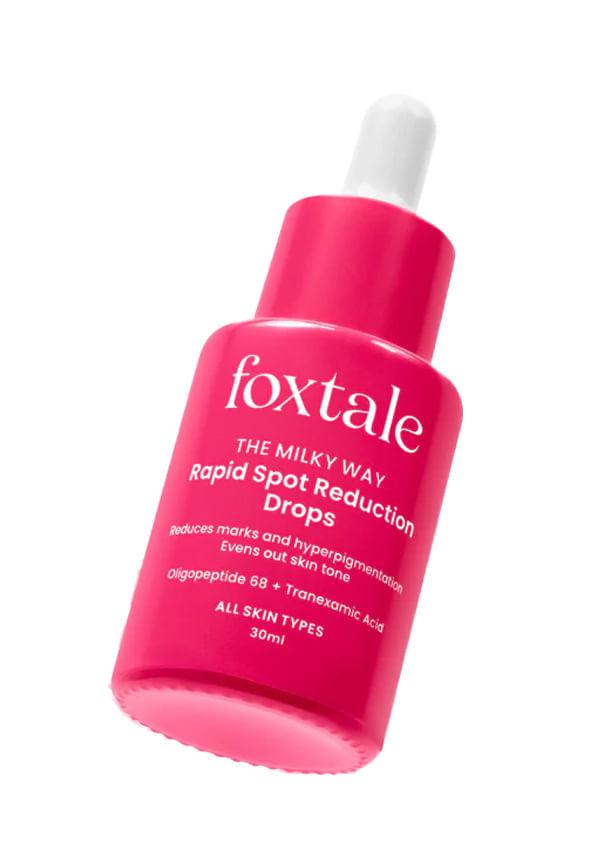
3% Tranexamic Acid & Peptide Serum for Hyperpigmentation, Reduces Marks
Ayurvedic principles emphasise treating the root cause rather than just symptoms. This means addressing internal factors like stress, diet, and hormonal balance alongside topical treatments. Consider incorporating cooling foods like cucumber and mint into your diet whilst using warming spices like turmeric externally.
You don't have to choose between natural and commercial products entirely. Many people find success using gentle natural treatments as a base routine whilst incorporating targeted commercial products for stubborn spots. The key is introducing new elements gradually and monitoring your skin's response.
Once your skin has adapted to basic natural treatments, you can explore more intensive approaches for stubborn hyperpigmentation that hasn't responded to gentler methods.
Layering treatments can increase efficacy without increasing irritation. Start with a gentle exfoliant like oatmeal scrub, follow with a brightening mask like papaya and honey, then seal with a nourishing oil. This approach allows multiple active ingredients to work synergistically.
For spot treatments, create concentrated applications using ingredients like fresh potato juice (rich in vitamin C) or tomato pulp (containing lycopene). Apply these directly to dark spots using a cotton swab, avoiding the surrounding healthy skin.
When dealing with sensitive areas around the eyes or lips, dilute treatments significantly and reduce contact time. Cucumber juice or chamomile tea work well for these delicate zones.
Diet modifications can significantly impact your skin's healing capacity. Include antioxidant-rich foods like berries, leafy greens, and nuts. Vitamin C from citrus fruits, vitamin E from almonds, and beta-carotene from carrots all support skin repair from within.
Proper hydration and sleep are non-negotiable for skin healing. Aim for 8 glasses of water daily and 7-8 hours of quality sleep. During sleep, your skin goes into repair mode, making this the optimal time for natural treatments to work.
Natural doesn't always mean safe for everyone. Understanding potential risks and contraindications helps you use these remedies effectively without causing additional skin problems.
Over-exfoliation is perhaps the biggest mistake people make when trying to speed up results. Using multiple exfoliating ingredients or applying them too frequently can damage your skin barrier and actually worsen hyperpigmentation. Limit exfoliation to 2-3 times per week maximum.
Certain ingredient combinations should be avoided. Don't mix vitamin C sources with retinol alternatives like bakuchiol, and avoid using multiple acids simultaneously. Always patch test new combinations on a small area first.
Sun exposure during treatment can not only negate your progress but actually make dark spots darker. Many natural ingredients, particularly citrus-based ones, can increase photosensitivity. Always use broad-spectrum sun protection and consider doing intensive treatments during periods when you can limit sun exposure.
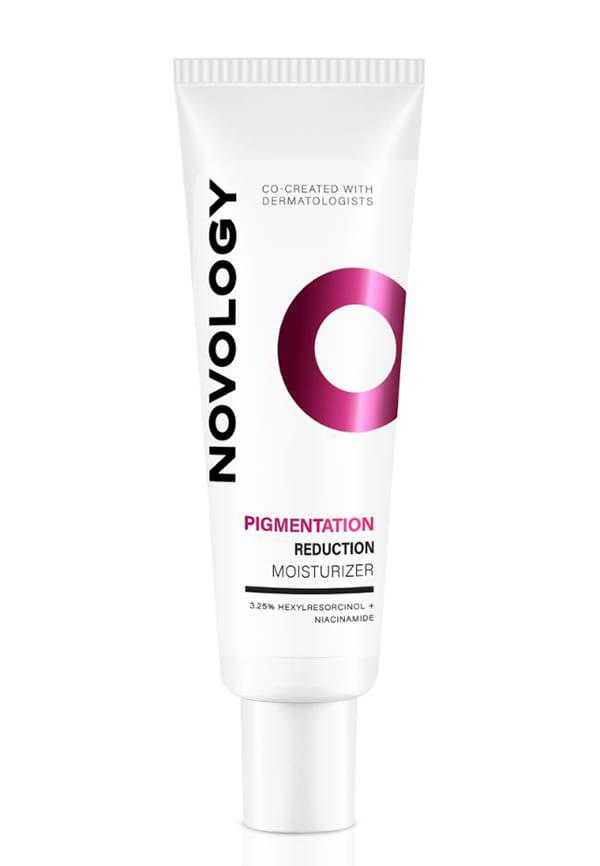
Pigmentation Moisturiser, Face Cream for Hyperpigmentation & Dark Spots
If dark spots are getting larger, changing colour, or developing irregular borders, consult a dermatologist immediately. Similarly, if you've been consistent with natural treatments for 3-4 months without any improvement, professional intervention might be necessary.
Some types of hyperpigmentation, particularly deep melasma or post-inflammatory hyperpigmentation from severe acne, may require professional treatments combined with natural approaches for optimal results.
Whilst complete removal in 2 days isn't realistic, you can reduce the appearance of fresh dark spots by applying fresh aloe vera gel every few hours, using a gentle honey mask overnight, and ensuring proper hydration. Ice cubes wrapped in cloth can also help reduce inflammation that makes spots appear darker. Remember, genuine fading takes weeks, not days.
A week-long intensive protocol involves gentle daily exfoliation with oatmeal, followed by vitamin C treatments from fresh amla or diluted lemon juice (evening only), and nourishing with aloe vera or honey. Apply treatments twice daily, always follow with sun protection, and take progress photos in consistent lighting to track subtle improvements.
Permanent removal requires consistent treatment over 2-3 months, followed by maintenance and prevention. Use a combination of gentle exfoliation, vitamin C sources, and anti-inflammatory ingredients like turmeric. Most importantly, establish a daily sun protection routine to prevent new spots from forming. Natural treatments work gradually but can provide lasting results with patience.
Vitamin C from fresh sources like amla or properly diluted lemon juice tends to show results most quickly, often within 2-3 weeks. Combining this with gentle exfoliation from yoghurt or oatmeal can accelerate the process. However, the fastest natural approach is prevention through consistent sun protection and immediate treatment of any skin inflammation.
Indian skin responds particularly well to traditional ingredients like turmeric, neem, and sandalwood, combined with modern understanding of vitamin C and gentle acids. Focus on anti-inflammatory treatments since Indian skin is prone to post-inflammatory hyperpigmentation. Always adapt treatments to your local climate and be extra diligent about sun protection.
Black marks from acne respond well to antibacterial ingredients like neem combined with healing agents like honey and aloe vera. Apply fresh aloe gel twice daily, use a turmeric and yoghurt mask 2-3 times weekly, and spot-treat with diluted tea tree oil. Consistency over 4-6 weeks typically shows significant improvement.
Natural remedies for dark spots offer a gentle, sustainable approach to achieving clearer skin. The key lies in understanding your skin type, choosing appropriate ingredients, and maintaining consistency over time. Remember that natural doesn't mean instant – these treatments work by supporting your skin's natural healing processes rather than forcing rapid changes.
Start slowly, patch test everything, and be patient with the process. Your skin has taken time to develop these dark spots, and it will take time to heal them properly. Focus on prevention as much as treatment, and celebrate small improvements along the way.
If you're curious about trying professionally formulated products alongside your natural routine, Smytten offers curated selections from trusted skincare brands that specialise in hyperpigmentation. With over 28 million users discovering products through trial sizes, it's a smart way to explore what works for your unique skin before committing to full-size purchases.
