Compromised Skin Barrier on Indian Skin: Your FAQ

Ultra Light indian Sunscreen
You've been using the same skincare routine for months, but lately, your skin feels different. Maybe it's that tight, uncomfortable sensation after cleansing, or perhaps your trusted moisturiser just isn't cutting it anymore. If your skin feels more sensitive, looks dull, or seems to react to products that never bothered you before, you might be dealing with a compromised skin barrier. For those with Indian skin, recognising these signs early can make all the difference in getting your skin back to its healthy, glowing state.
Think of your skin barrier as your body's natural security system. This protective layer, made up of skin cells and lipids, keeps moisture in and irritants out. For Indian skin, this barrier works overtime against unique challenges like intense UV exposure, high pollution levels, and dramatic seasonal changes from monsoon humidity to winter dryness.
What makes Indian skin different is its higher melanin content, which provides some natural sun protection but also means that inflammation and damage can manifest differently. When your skin barrier becomes compromised, you might notice changes that are specific to melanin-rich skin, such as uneven texture or post-inflammatory marks that take longer to fade.
The reality is that Indian skin faces a perfect storm of barrier-damaging factors daily. From the harsh chemicals in urban air pollution to the temptation of over-exfoliating in pursuit of that coveted glow, our skin barriers are constantly under attack. Understanding these unique challenges is the first step in recognising when something's gone wrong.
Recognising the signs of damaged skin isn't always straightforward, especially when symptoms can overlap with other skin concerns. Here's what to watch for when your barrier needs attention.
This isn't your typical winter dryness that disappears with a good moisturiser. When your skin barrier is compromised, you'll notice a persistent tight feeling, especially after cleansing. Your skin might feel parched even in humid weather, and no amount of moisturising seems to provide lasting relief. On Indian skin, this often appears as a dull, ashy quality that makes your natural glow disappear.
Suddenly, products you've used for years start causing problems. You might experience stinging, burning, or tingling sensations with previously tolerated ingredients. This sensitive skin signs indicate that your barrier can no longer effectively filter out potential irritants. The skin irritation causes aren't necessarily the products themselves, but rather your compromised barrier's inability to handle normal skincare ingredients.
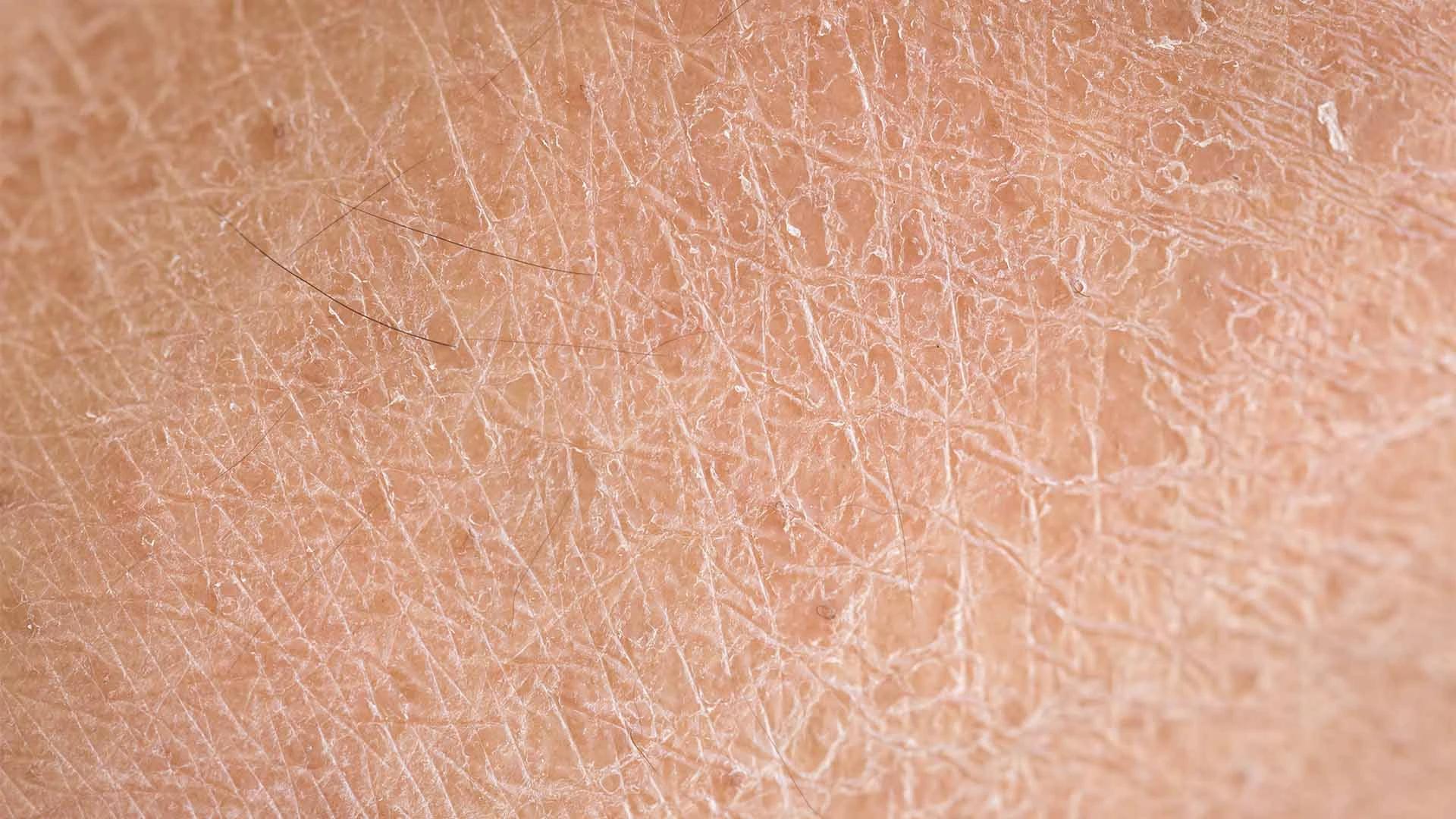
Your skin might develop a rough, uneven texture with visible flaking or scaling. These dry skin symptoms go beyond surface dryness and indicate deeper barrier dysfunction. On Indian skin, this often manifests as patches that look darker or lighter than your natural skin tone, creating an uneven appearance that makeup can't quite cover.

Barrier Repair Sunscreen, In-Vivo Tested SPF 50+ PA++++
Redness on skin can be tricky to spot on deeper skin tones, but inflammation often appears as darker patches, warmth, or a general irritated appearance. You might notice areas that look inflamed without any obvious cause, or existing blemishes that seem angrier and take longer to calm down. This chronic inflammation can lead to post-inflammatory hyperpigmentation, a particular concern for Indian skin.
A compromised barrier often leads to more frequent breakouts because bacteria and irritants can penetrate more easily. You might notice that cuts, scratches, or blemishes take much longer to heal than usual. Your skin's natural repair process slows down significantly when the barrier isn't functioning properly.
That healthy glow that Indian skin is known for simply disappears. Your complexion might look tired, dull, or lacklustre even when you're well-rested and hydrated. This happens because a damaged barrier can't maintain proper moisture levels or reflect light effectively.
Chronic itching without any visible rash or irritation is a classic sign of barrier damage. You might find yourself unconsciously scratching or touching your face throughout the day. These itchy skin remedies often require more than just topical treatments—they need barrier repair to address the root cause.
Understanding the causes of skin barrier damage helps prevent future issues. For those living in India, environmental factors play a huge role. High pollution levels in cities like Delhi and Mumbai constantly expose skin to free radicals and irritants that break down the barrier over time.
Over-exfoliation is another common culprit. In the pursuit of smooth, glowing skin, many people use harsh scrubs, strong acids, or multiple exfoliating products simultaneously. Indian skin can be particularly susceptible to this because the desire to address concerns like pigmentation or texture can lead to aggressive treatment approaches.
Climate changes also play a significant role. The dramatic shift from monsoon humidity to winter dryness, or the constant transition between air-conditioned environments and outdoor heat, puts stress on the skin barrier. Genetic factors specific to Indian skin types can also influence how resilient your barrier is to these environmental challenges.
The healing timeline for skin barrier repair varies, but most people start seeing improvement within 2-4 weeks of consistent, gentle care. However, complete restoration can take 6-8 weeks or longer, depending on the severity of damage and your skin's natural healing capacity.
Several factors affect recovery speed, including age, overall health, continued environmental exposure, and how consistently you follow a barrier-repair routine. Indian skin may take slightly longer to show visible improvement due to the tendency for inflammation to cause pigmentation changes, but the barrier function itself typically improves at a similar rate to other skin types.
Barrier Repair Sunscreen, In-Vivo Tested SPF 50+ PA++++
Signs that your barrier is healing include reduced sensitivity, improved moisture retention, fewer random breakouts, and the gradual return of your skin's natural radiance. If you don't see any improvement after 6-8 weeks of consistent care, it might be time to consult a dermatologist.
Repairing a compromised barrier requires patience and the right approach. The key is to simplify your routine and focus on gentle, nourishing ingredients that support your skin's natural healing process.
Switch to a mild, pH-balanced cleanser that won't strip your skin further. Avoid anything with sulfates, strong fragrances, or exfoliating particles. Cleanse only once daily if possible, and always use lukewarm water. Pat your skin dry rather than rubbing with a towel.
Focus on skin barrier repair ingredients like ceramides, hyaluronic acid, and niacinamide. These ingredients help restore the barrier's structure while providing essential moisture. Apply moisturiser to slightly damp skin to lock in hydration, and don't be afraid to layer a facial oil on top for extra protection.
Compromised skin is more vulnerable to UV damage, making SPF absolutely crucial. Choose a gentle, mineral-based sunscreen with zinc oxide or titanium dioxide if your skin is very sensitive. Reapply every two hours, especially if you're spending time outdoors.
Look for products containing peptides, which help rebuild the skin's structure, and gentle humectants like glycerin that draw moisture into the skin. Avoid all active ingredients like AHAs, retinoids, or vitamin C until your barrier is fully healed.
The most reliable indicators include persistent dryness that doesn't improve with moisturising, increased sensitivity to products you normally tolerate, frequent irritation without obvious cause, and a general loss of your skin's natural glow. If you're experiencing several of these symptoms simultaneously, your barrier likely needs attention.

Pigmentation Correction & Barrier Protection Kit
With proper care, you should start seeing improvement within 2-4 weeks, but complete healing typically takes 6-8 weeks. The timeline depends on the severity of damage, your age, overall health, and how consistently you follow a gentle skincare routine. Severe damage or continued exposure to irritants can extend this timeline.
The repair process involves simplifying your routine, using gentle cleansers, applying barrier-repair moisturisers with ceramides and hyaluronic acid, protecting with SPF daily, and avoiding all active ingredients until healing is complete. Consistency is key—stick to the same gentle routine for at least 6-8 weeks.
On Indian skin, barrier damage often appears as dullness, uneven texture, patches of dryness or flaking, and areas of inflammation that may look darker than your natural skin tone. You might also notice that your skin looks tired or lacklustre even when you're well-rested.
It's best to pause all active ingredients including AHAs, retinoids, vitamin C, and strong exfoliants during the repair phase. The only exception might be gentle niacinamide, which can actually support barrier repair. Reintroduce actives slowly once your barrier is fully healed.
Prevention involves using gentle skincare products, avoiding over-exfoliation, protecting your skin from environmental stressors with antioxidants and SPF, maintaining a consistent routine, and listening to your skin's signals. Don't introduce multiple new products at once, and always patch test new ingredients.
While most barrier damage can be addressed with gentle home care, certain situations require professional intervention. If you're experiencing severe, persistent inflammation, signs of infection, or if your symptoms worsen despite 6-8 weeks of proper care, it's time to consult a dermatologist.
Professional treatments for severe barrier damage might include prescription barrier-repair creams, gentle chemical peels designed for sensitive skin, or LED light therapy to reduce inflammation. A dermatologist familiar with Indian skin problems can also help identify any underlying conditions that might be contributing to your barrier issues.
Recognising the signs of a compromised skin barrier is the first step towards healthier, more resilient skin. Remember that healing takes time, and the key is consistency with gentle, supportive skincare practices. Your skin barrier is remarkably good at repairing itself when given the right conditions and ingredients.
If you're looking to explore barrier-repair products without committing to full sizes, Smytten's curated selection includes gentle cleansers, nourishing moisturisers, and barrier-supporting serums from trusted brands. With over 28 million users discovering their perfect skincare matches, you can find products specifically formulated for sensitive, healing skin. The platform's trial options let you test gentle formulations before investing in full-size products, making it easier to find what works for your unique skin needs.
