Common Skincare Mistakes Indian Women Make: FAQ


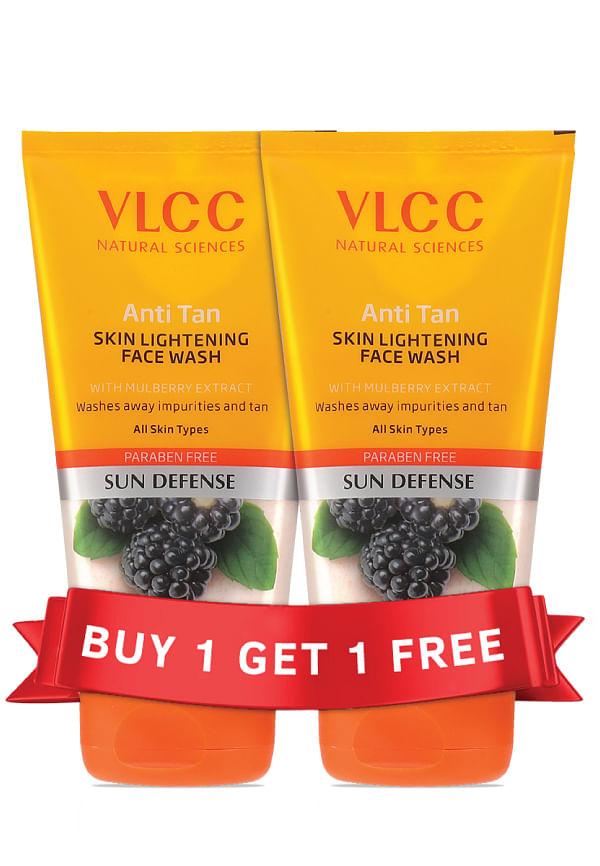
Anti Tan Skin Lightening Face Wash - Buy One Get One
You know that sinking feeling when you look in the mirror and wonder why your skincare routine isn't working? Despite following every beauty guru's advice and trying countless products, your skin still feels dull, breaks out unexpectedly, or shows signs of premature ageing. If this sounds familiar, you're not alone. Many Indian women unknowingly make skincare mistakes that sabotage their skin goals. The good news? Most of these mistakes are easily fixable once you know what to look for. Let's dive into the most common skincare pitfalls and how to avoid them for healthier, happier skin.
Navigating skincare in India comes with unique challenges. Our diverse climate, pollution levels, and cultural beauty practices create a complex environment for our skin. Understanding these specific mistakes can transform your skincare journey from frustrating to rewarding.
Real talk: if you're only applying SPF when you're heading to the beach, you're missing the biggest opportunity to protect your skin. Indian skin faces intense UV exposure year-round, even during monsoons and winter months. Many women skip sunscreen on cloudy days or when working from home, not realising that UV rays penetrate through windows and clouds. The result? Hyperpigmentation, dark spots, and premature ageing that could have been prevented. Your skin will notice the difference when you make broad-spectrum SPF 30+ a non-negotiable part of your morning routine, regardless of your plans for the day.
There's a common belief that scrubbing harder equals cleaner skin. Many women combine daily besan scrubs with AHA or BHA products, thinking more exfoliation means faster results. This approach actually damages your skin barrier, leading to increased sensitivity, redness, and ironically, more breakouts. Gentle exfoliation 2-3 times weekly is plenty for most skin types. If you're using chemical exfoliants like salicylic acid or glycolic acid, skip the physical scrubs on those days. Your skin needs time to regenerate between exfoliation sessions.
The squeaky-clean feeling after using a foaming cleanser might feel satisfying, but it's often a sign that your skin's natural oils have been stripped away. This is particularly problematic for Indian women dealing with pollution and humidity, as over-cleansing can trigger increased oil production and sensitivity. Opt for gentle, pH-balanced cleansers that clean effectively without disrupting your skin's natural barrier. If you wear makeup or sunscreen daily, consider double cleansing with an oil-based cleanser followed by a gentle water-based one.
This myth persists across generations: "oily skin doesn't need moisturiser." When you skip moisturising, your skin actually produces more oil to compensate for the lack of hydration. This creates a cycle of increased oiliness and potential breakouts. Lightweight, non-comedogenic moisturisers with ingredients like hyaluronic acid and niacinamide can help balance oil production while keeping your skin properly hydrated. Even the oiliest skin types benefit from appropriate moisturisation.
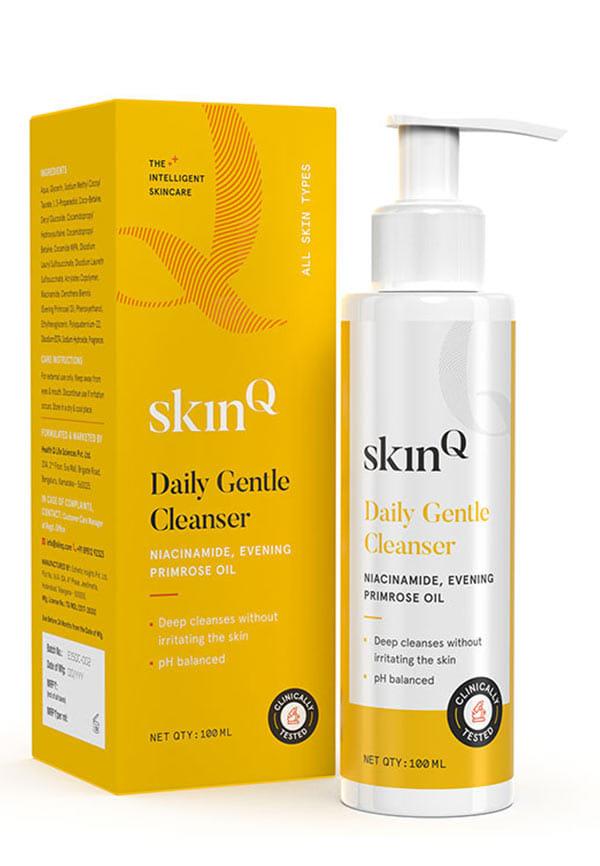
Daily Gentle Cleanser
While some traditional remedies have merit, many popular DIY treatments can cause more harm than good. Applying lemon juice directly to skin, using baking soda as an exfoliant, or creating turmeric masks without proper preparation can lead to irritation, chemical burns, or increased photosensitivity. Combine the wisdom of traditional ingredients with modern skincare science. If you enjoy DIY treatments, stick to proven gentle options like oatmeal masks or aloe vera gel, and always patch test first.
Skincare requires patience and consistency to show results. Switching products every few weeks or skipping routines due to busy schedules prevents your skin from adapting and improving. Most active ingredients need 6-12 weeks of consistent use to show visible results. Start with a simple three-step routine: cleanse, moisturise, and protect with SPF. Once this becomes habit, you can gradually introduce treatment products like retinoids or vitamin C serums.
Creating an effective routine doesn't require dozens of products or complicated steps. Focus on addressing your specific concerns while working with India's climate and environmental factors.
Start your day with a gentle cleanser to remove overnight buildup without stripping your skin. Follow with a vitamin C serum for antioxidant protection against pollution and free radicals. Apply a lightweight moisturiser, then finish with broad-spectrum sunscreen. Don't forget your neck and the area around your eyes. These spots often show the first signs of ageing and hyperpigmentation but are frequently overlooked in daily routines.
Evening routines focus on repair and treatment. Start with thorough cleansing to remove sunscreen, makeup, and daily pollution. This is when you can introduce active ingredients like retinoids for anti-ageing or niacinamide for oil control and pore refinement. Always follow active ingredients with a nourishing moisturiser to support your skin barrier overnight. Your skin does most of its repair work while you sleep, so this is the perfect time for treatment products.
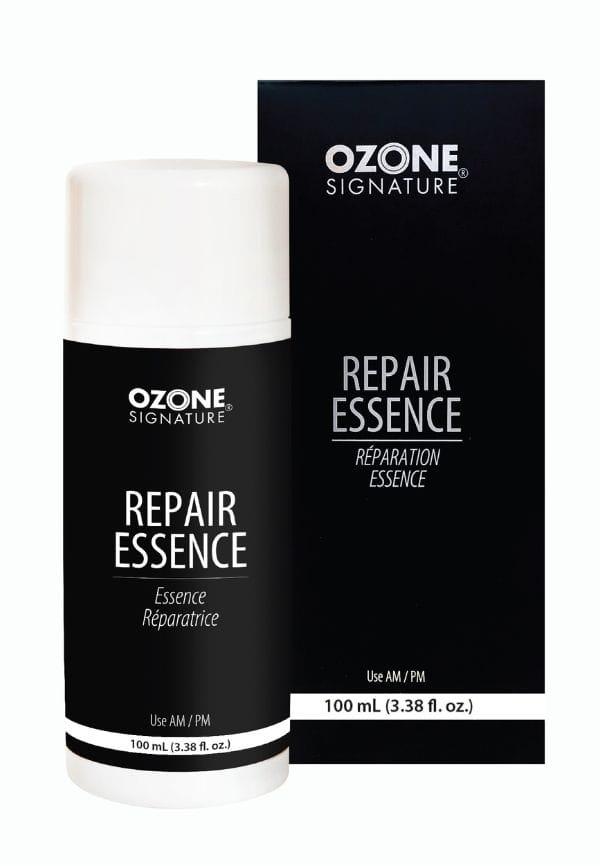
Repair Essence Face Wash
Indian women often deal with specific skin challenges that require targeted approaches. Understanding these concerns helps you choose the right products and treatments.
Hyperpigmentation is one of the most common concerns for Indian skin, often triggered by acne, sun exposure, or hormonal changes. Effective ingredients include kojic acid, arbutin, vitamin C, and alpha arbutin. Consistency is key with pigmentation treatments. Results typically become visible after 8-12 weeks of regular use, and prevention through daily SPF is just as important as treatment.
Indian humidity and pollution can trigger breakouts even in adults who never had teenage acne. Salicylic acid helps unclog pores, while niacinamide reduces inflammation and controls oil production. Avoid the temptation to over-treat acne with multiple harsh products. This often leads to irritation and can make breakouts worse. Gentle, consistent treatment works better than aggressive approaches.
The biggest mistakes include skipping daily sunscreen, over-exfoliating, using harsh foaming cleansers, avoiding moisturiser on oily skin, relying only on home remedies, maintaining inconsistent routines, sleeping with makeup on, and neglecting neck and body care. These mistakes are often rooted in cultural beliefs or misunderstanding about how skincare works in Indian climates.
Most skincare changes become noticeable after 4-6 weeks of consistent use, with significant improvements visible after 8-12 weeks. Active ingredients like retinoids and vitamin C need time to work at the cellular level. Hydration improvements from moisturisers and hyaluronic acid can be seen within days, while pigmentation treatments require months of patience.
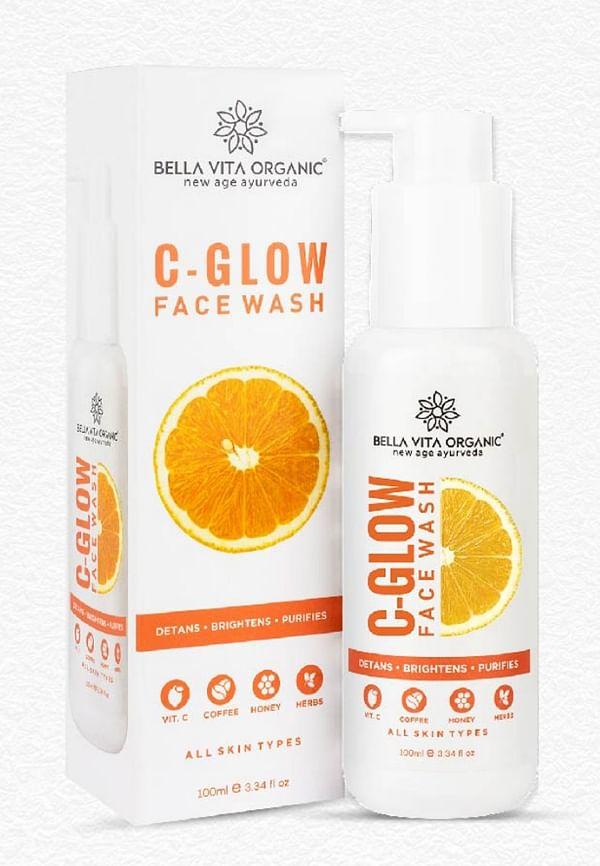
Vitamin C Glow Face Wash
Indian seasons require slight adjustments to your routine. During monsoons, focus on lightweight, quick-absorbing products and antifungal ingredients. Summer calls for higher SPF and oil-controlling products, while winter might need richer moisturisers. The core steps remain the same, but product textures and concentrations can be adjusted.
Price doesn't always indicate effectiveness. Many affordable brands offer excellent formulations with proven ingredients like niacinamide, salicylic acid, and hyaluronic acid. Focus on ingredient lists and formulation quality rather than brand prestige. Sometimes, simpler formulations work better for sensitive or reactive skin.
While K-beauty and Western skincare offer valuable insights, Indian skin has unique needs due to our climate, pollution levels, and genetic factors. Adapt international trends to suit local conditions. For example, the Korean emphasis on hydration works well in air-conditioned environments, but might need adjustment during humid months.
Introduce new products one at a time, waiting 2-3 weeks between additions. This helps identify potential irritants. Comedogenic ingredients like certain oils or heavy moisturisers might cause breakouts in acne-prone skin. Keep a skincare diary noting any changes in your skin's condition.
Physical sunscreens with zinc oxide or titanium dioxide sit on top of skin and reflect UV rays. They're gentler for sensitive skin but can leave a white cast on darker skin tones. Chemical sunscreens absorb UV rays and tend to blend better with Indian skin tones, but some people find them irritating.
Absolutely. Indian cities have high pollution levels that can clog pores, increase free radical damage, and worsen existing skin conditions. This makes thorough cleansing and antioxidant protection even more important. Vitamin C serums and proper cleansing help combat pollution-related skin damage.
Skincare mistakes are learning opportunities, not failures. The most common errors Indian women make stem from cultural beliefs, climate misunderstanding, or simply not knowing better. By avoiding harsh over-treatment, maintaining consistency, and choosing products suited to Indian conditions, you can achieve healthier, more resilient skin. Remember that skincare is personal. What works for your friend might not work for you, and that's perfectly normal. Start with the basics—gentle cleansing, appropriate moisturising, and daily sun protection—then build from there based on your specific concerns. If you're curious about trying new products but hesitant to commit to full sizes, platforms like Smytten let you explore minis from trusted brands before making larger investments. With over 28 million users discovering products through trial sizes, it's become a smart way to test what works for your unique skin without the guesswork. Your skin deserves products that truly work for you, not just products that work for everyone else.
