Comedonal vs Inflammatory Acne FAQ: Your Questions Answered

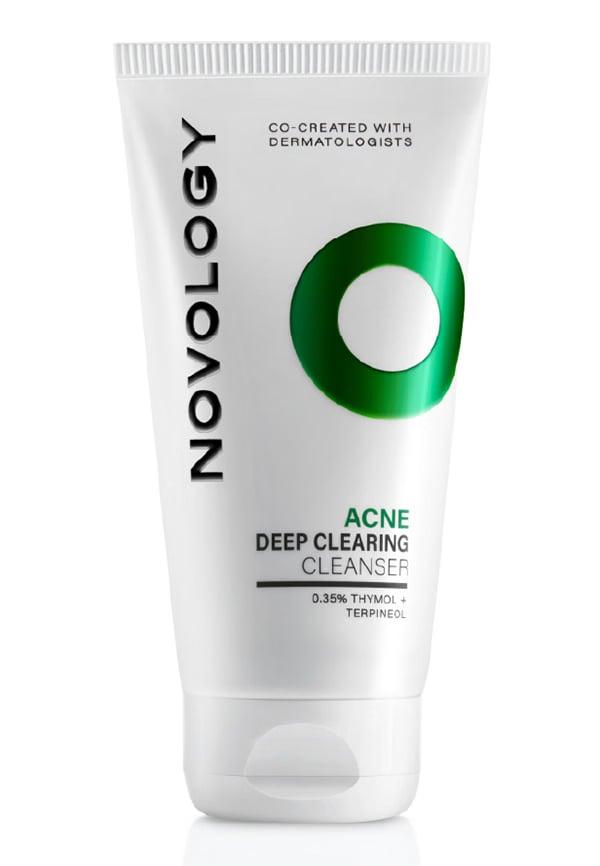
Acne Clearing Face Wash, Face Wash for Acne, Whiteheads, Blackheads
Effective for Acne
 5
5“best for acne prone skin and results shows after one wash”
Best Face Wash for Acne
5“best face wash for acne prone skin”
Effective for Acne
5“best for acne prone skin and results shows after one wash”
You know that moment when you're staring at your reflection, trying to figure out why some spots are angry and red whilst others just sit there like tiny bumps? You're not imagining things – there really are different types of breakouts happening on your face. Understanding whether you're dealing with comedonal acne or inflammatory acne isn't just skincare trivia; it's the key to choosing the right products and seeing real results. Let's break down what's actually happening beneath your skin and how to tackle each type effectively.
When dermatologists talk about acne vulgaris (the medical term for common acne), they're essentially describing two distinct processes happening in your pores. Think of it like this: one type is a traffic jam, the other is a full-blown riot.
Comedonal acne is what happens when your pores get clogged but stay relatively calm about it. These are your blackheads and whiteheads – technically called open and closed comedones. The key thing to remember is that comedonal acne doesn't involve inflammation, which is why these bumps typically match your skin tone or appear slightly darker (in the case of blackheads) rather than showing up as angry red spots. Blackheads get their colour not from dirt, but from oxidation when the clogged material meets air. Whiteheads, on the other hand, are sealed under a thin layer of skin, keeping that oxidation from happening. Both types feel relatively smooth and aren't painful to touch.
Inflammatory acne is where things get more complicated. This happens when bacteria (specifically Propionibacterium acnes) move into those clogged pores and your immune system decides to fight back. The result? Red, tender bumps that can range from small papules to large, painful cysts filled with pus. The inflammatory response is your body's way of trying to clear out the infection, but it often makes things look and feel worse before they get better. This is why inflammatory acne tends to be more noticeable and takes longer to heal than comedonal acne.
Skincare isn't one-size-fits-all, and neither is acne. Understanding the specific types of acne you're dealing with helps you choose the right approach.
Blackheads (Open Comedones): These appear as small, dark spots on your skin's surface. Despite what you might think, they're not caused by poor hygiene – that dark colour comes from oxidation. Whiteheads (Closed Comedones): Small, flesh-coloured or white bumps that feel slightly raised. They're essentially blackheads that haven't been exposed to air.
Papules: Small, red bumps that feel tender when you touch them. These don't have a visible white or yellow centre. Pustules: Similar to papules but with a white or yellow centre filled with pus. These are what most people think of as typical "pimples." Nodules: Large, painful lumps that develop deep under the skin. These can take weeks to heal and often leave marks. Cysts: The most severe type, these are large, pus-filled lesions that can cause permanent scarring if not treated properly. Papulopustular Acne: A combination type where you'll see both papules and pustules appearing together.

Acne Corrector Gel ,Reduces Acne & Redness
Real talk: sometimes it's tricky to tell what type of breakout you're dealing with, especially when you're stressed about it and examining your face up close in the mirror.
The easiest way to distinguish between comedonal acne and inflammatory acne is by looking at colour and feeling for tenderness. Comedonal acne typically appears as skin-coloured bumps or dark spots that don't hurt when you touch them. Inflammatory acne, however, shows up in shades of red or pink and often feels tender or painful. Size matters too. Comedonal acne tends to be smaller and more surface-level, whilst inflammatory acne can range from small red bumps to large, deep nodules that you can feel forming under your skin days before they surface.
Many people confuse small whiteheads with pustules, but the key difference is inflammation. A whitehead will be roughly the same colour as your skin with a small white centre, whilst a pustule will have redness around a more prominent white or yellow centre. Similarly, people often mistake sebaceous filaments (those greyish lines on your nose) for blackheads. Sebaceous filaments are normal and will refill even after extraction, whilst true blackheads are actual blockages that can be cleared.
Understanding the causes of comedonal acne and causes of inflammatory acne helps you prevent future breakouts and choose the right treatment approach.
Comedonal acne happens when your pores get blocked by a combination of excess sebum (oil) and dead skin cells. Your skin naturally sheds dead cells, but sometimes this process goes a bit haywire – usually due to hormonal changes, genetics, or using products that are too heavy for your skin type. Hormonal fluctuations during your cycle, stress, or even changes in weather can trigger increased oil production. Some people are simply more prone to this due to genetics – if your parents dealt with acne, you're more likely to as well.
Inflammatory acne often starts as comedonal acne but progresses when bacteria get involved. P. acnes bacteria love the oxygen-free environment inside clogged pores, where they multiply and produce waste products that irritate your skin. Your immune system responds to this bacterial party by sending white blood cells to the area, which creates the redness, swelling, and pus associated with inflammatory acne. Hormones play a role here too, as they can make your skin more reactive to bacterial presence.
This is one of the most common questions in skincare forums, and the answer is definitively no – comedonal acne is not inflammatory. The confusion often comes from the fact that comedonal acne can progress to become inflammatory acne.
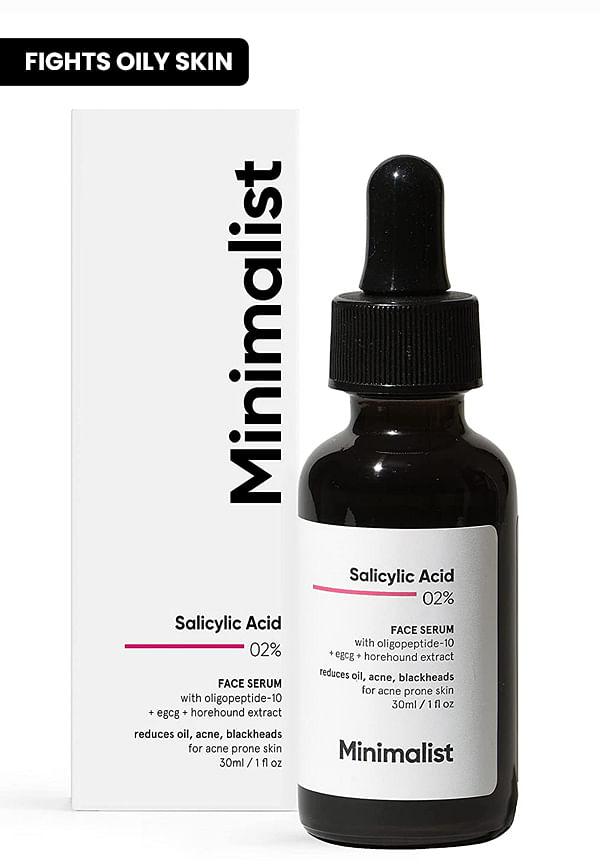
2% Salicylic Acid Serum For Acne, Blackheads & Open Pores
Pleasant Smell
5“its very nice and smells too good”
Pleasant Smell
5“its very nice and smells too good”
Good for oily skin
5“Serum is no stices and good product salicylic acid oliy skin for great ”
Comedones lack the hallmark signs of inflammation: redness, swelling, heat, and pain. They're simply mechanical blockages in your pores. Think of them as traffic jams rather than accidents – inconvenient, but not causing damage to surrounding areas.
The transition happens when bacteria breach the comedone or when the pressure inside causes the pore wall to rupture, spilling contents into surrounding tissue. This triggers your immune system's inflammatory response, transforming a simple blockage into an angry, red bump.
Different acne types need different treatment strategies. What works brilliantly for blackheads might not touch inflammatory acne, and vice versa.
Salicylic acid is your best friend for comedonal acne. This beta-hydroxy acid can penetrate oil and help dissolve the plugs blocking your pores. Look for products with 0.5-2% salicylic acid for daily use. Retinoids are also excellent for comedonal acne because they speed up cell turnover, preventing dead skin cells from accumulating in pores. Start with a gentle retinol product and gradually increase strength. Niacinamide helps regulate oil production and can prevent new comedones from forming. It's gentle enough for daily use and works well with other active ingredients.
Benzoyl peroxide is particularly effective for inflammatory acne because it kills bacteria and has anti-inflammatory properties. Start with 2.5% to minimise irritation. For persistent inflammatory acne, ingredients like azelaic acid can help reduce both bacteria and inflammation whilst being gentler than some alternatives. The key with inflammatory acne is patience – rushing the process with harsh products often makes inflammation worse.
Many people deal with both types simultaneously, which requires a balanced approach. You might use salicylic acid for comedonal areas and benzoyl peroxide for inflammatory spots, or choose products that address both concerns.
Yes, comedonal acne can progress to inflammatory acne if bacteria invade the clogged pore or if the pore wall ruptures. This is why treating comedonal acne early is important for preventing more severe breakouts.
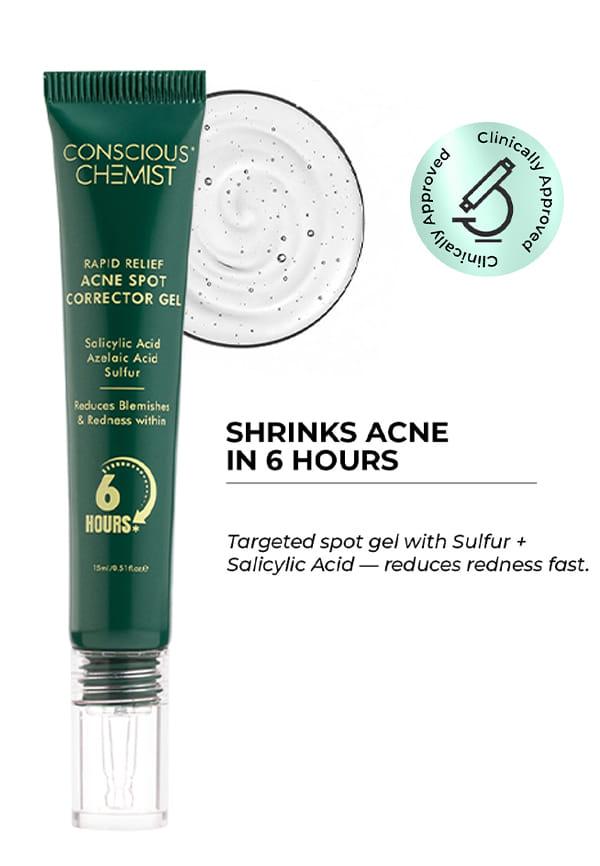
Rapid Relief Acne Spot Corrector Gel
Good Product
5“very very good product i like it.”
Nice, very good
5“nice very good I like it thank”
Nice, very good
5“nice very good I like it thank”
Comedonal acne typically clears faster – blackheads and whiteheads might resolve in 1-2 weeks with proper treatment. Inflammatory acne takes longer, with papules and pustules needing 2-4 weeks, whilst nodules and cysts can take months to fully heal.
Start with a gentle cleanser, use targeted treatments for specific areas (salicylic acid for comedones, benzoyl peroxide for inflammation), and always finish with a lightweight moisturiser and SPF during the day.
Neither should be popped at home, but blackheads are less risky than inflammatory acne. Popping inflammatory acne can spread bacteria and cause scarring. If you must extract, see a professional.
For comedonal acne: salicylic acid, retinoids, and niacinamide. For inflammatory acne: benzoyl peroxide, azelaic acid, and anti-inflammatory ingredients like zinc or green tea extract.
Some ingredients like niacinamide work well for both types. However, you'll often get better results using targeted treatments – salicylic acid for comedones and benzoyl peroxide for inflammation.
Salicylic acid is better for comedonal acne and prevention, whilst benzoyl peroxide excels at treating active inflammatory breakouts. Many people benefit from using both, but introduce them gradually.
Both can influence all types of acne, but stress and certain foods (high glycemic index foods and dairy for some people) tend to have a more pronounced effect on inflammatory acne due to their impact on hormones and inflammation.
Understanding the difference between comedonal and inflammatory acne isn't just academic – it's practical knowledge that can transform your skincare routine. When you know what you're dealing with, you can choose products that actually address your specific concerns rather than hoping for the best. Remember that most people deal with a combination of both types, and that's completely normal. Your skin will notice when you start treating each type appropriately, but give it time – real results usually take 6-8 weeks of consistent use. If you're curious about trying new products but hesitant to commit to full sizes, Smytten's curated selection includes minis from trusted brands that address both comedonal and inflammatory acne. It's a smart way to test what works for your specific skin concerns before investing in full-size products. With over 28 million users discovering their perfect skincare matches, you're in good company on this journey to clearer skin.
