Combining Ceramides with Actives Safely: Your FAQ Guide


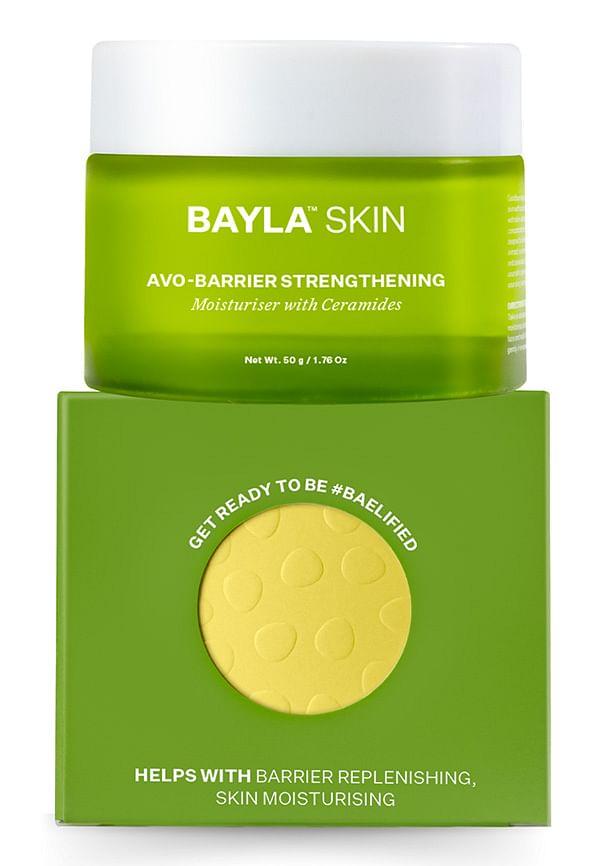
Avocado & Ceramides Barrier Strengthening Moisturiser
Excellent Moisturizer
 5
5“One of the best products by Bayla Skin. Moisturizes.”
Magic Skin Repair
5“loving it worth giving it a try repair skin like magic”
Unpleasant Scent
5“The smell is not good and I am not happy about this product”
You've finally found the perfect retinol that doesn't leave your skin feeling like sandpaper, but now you're wondering if you can layer it with that ceramide moisturiser everyone's raving about. Or maybe you're staring at your bathroom shelf, holding a niacinamide serum in one hand and a ceramide cream in the other, genuinely unsure if mixing them will give you glowing skin or a proper skincare disaster. Real talk: combining ceramides with actives safely doesn't have to feel like solving a chemistry equation. With the right knowledge about how these ingredients work together, you can build a routine that actually supports your skin barrier whilst delivering the results you're after.
Ceramides are naturally occurring lipids that make up about 50% of your skin's outer barrier. Think of them as the mortar between the bricks of your skin cells, keeping moisture in and irritants out. When you're combining skincare ingredients, ceramides act like a safety net, helping to repair and strengthen your skin barrier even when you're using potentially irritating actives.
The science behind ceramides benefits for skin is pretty straightforward. These lipids help maintain your skin's natural protective function, which becomes especially important when you're introducing actives like retinoids, acids, or vitamin C into your routine. Unlike some ingredients that can be finicky about what they're mixed with, ceramides are considered universal mixers in the skincare world.
Here's what makes ceramides so brilliant for safe skincare combinations: they don't interfere with the activity of other ingredients. Instead, they work alongside them to minimise irritation and support skin health. Whether you're dealing with post-retinol dryness or that tight feeling after using salicylic acid, ceramides help restore balance without compromising the effectiveness of your actives.
One common misconception is that ceramides are only for dry skin types. Actually, they're beneficial for everyone, especially when you're using actives that can compromise your skin barrier. Oily and acne-prone skin types often see improved tolerance to treatments when ceramides are part of their routine.
The brilliant thing about ceramides is their compatibility with virtually every active ingredient you'll encounter in skincare. They're the diplomatic ingredient that gets along with everyone whilst making sure your skin barrier stays happy.
Ceramides and hyaluronic acid create the ultimate hydration pairing. Hyaluronic acid draws moisture to your skin, whilst ceramides help lock it in. This combination works particularly well for anyone dealing with dehydration from using drying actives like benzoyl peroxide or tretinoin.
The niacinamide and ceramides combination is a barrier-strengthening powerhouse. Niacinamide helps regulate oil production and reduces inflammation, whilst ceramides support the skin's natural repair processes. This pairing is especially worth adding to your routine if you're dealing with sensitivity from other actives or have compromised skin from over-exfoliation.
When it comes to ceramides with retinol, this combination helps minimise the irritation that often comes with retinoid use. Apply your retinol first, wait about 20 minutes, then follow with a ceramide-rich moisturiser. This approach allows the retinol to work effectively whilst the ceramides help repair any barrier disruption.
Ceramides and vitamin C work beautifully together for antioxidant protection with barrier support. The vitamin C provides environmental protection and brightening benefits, whilst ceramides ensure your skin stays comfortable and hydrated throughout the day.
For those using exfoliating acids like AHAs or BHAs, ceramides help balance the exfoliation with repair. The acids remove dead skin cells and unclog pores, whilst ceramides help maintain barrier integrity and prevent over-exfoliation.
If you have oily skin, look for lightweight ceramide formulations that won't feel heavy or clog pores. Gel-based or serum formulations with ceramides work well when combined with oil-controlling actives like niacinamide or salicylic acid.
For acne-prone skin, ceramides can actually help improve tolerance to acne treatments. When your skin barrier is healthy, it's better able to handle ingredients like benzoyl peroxide or adapalene without excessive dryness or irritation.
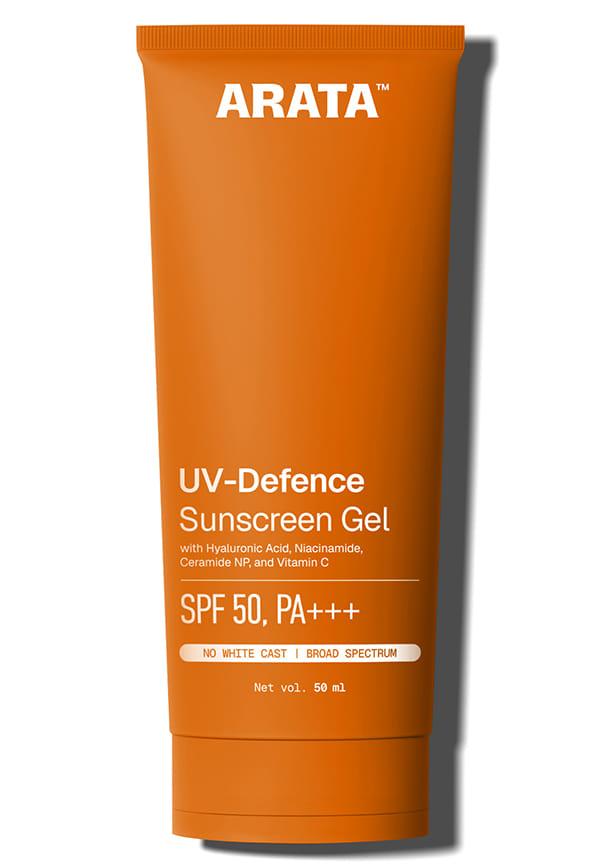
Sunscreen Gel with Niacinamide & Ceramide
Whilst ceramides play well with most ingredients, there are a few things to watch out for when building your routine. High-concentration alcohol-based products can interfere with ceramide function and actually break down your skin barrier, counteracting the benefits you're trying to achieve.
pH conflicts can also affect how well your products work together. For example, if you're using a very acidic product (like a glycolic acid toner with a pH of 3) immediately followed by a ceramide product with a higher pH, you might reduce the effectiveness of both. The solution isn't to avoid this combination entirely, but to allow proper wait times between applications.
Another consideration is product texture and formulation. Some silicone-heavy products can create a barrier that prevents ceramides from properly absorbing into your skin. If you notice your ceramide products aren't absorbing well or are pilling, check the ingredients in the products you're layering underneath.
Timing conflicts can also create issues. For instance, using a ceramide product immediately after a strong exfoliating treatment might dilute the exfoliant's effectiveness. The key is understanding when to separate certain combinations and when to layer them together.
Getting your skincare routine order right makes all the difference when you're combining multiple actives with ceramides. The general rule is to apply products from thinnest to thickest consistency, but there are some specific considerations for ceramide-containing products.
In your morning routine, start with any serums containing actives like vitamin C or niacinamide, followed by a ceramide moisturiser, and finish with SPF. This order ensures your actives can penetrate effectively whilst the ceramides provide a protective base for your sunscreen.
For your evening routine, apply any treatment products like retinoids or acids first, wait 10-20 minutes, then apply ceramide-containing products. This approach maximises the effectiveness of your actives whilst ensuring your skin barrier gets the support it needs overnight.
Wait times between applications matter more with some combinations than others. With retinoids, waiting 20-30 minutes before applying ceramides can help prevent dilution of the active ingredient. With gentler actives like niacinamide, you can typically apply ceramides immediately after.
When introducing new actives to a routine that includes ceramides, start slowly. Begin with using the new active 2-3 times per week, always followed by ceramides, then gradually increase frequency as your skin builds tolerance.
Patch testing becomes even more important when you're combining multiple ingredients. Test new combinations on a small area of skin for at least 48 hours before applying to your entire face. Even though ceramides are generally well-tolerated, individual reactions to specific formulations can vary.
Consider seasonal adjustments to your routine. In winter, you might need richer ceramide formulations to combat heating-induced dryness. In summer, lighter ceramide serums might work better under SPF and in humid conditions.
Even with the best intentions, sometimes combining ceramides with actives safely doesn't go exactly as planned. Recognising the signs of over-exfoliation early can help you adjust your routine before damage occurs. Look out for increased sensitivity, persistent redness, or that tight, uncomfortable feeling that doesn't improve with moisturising.
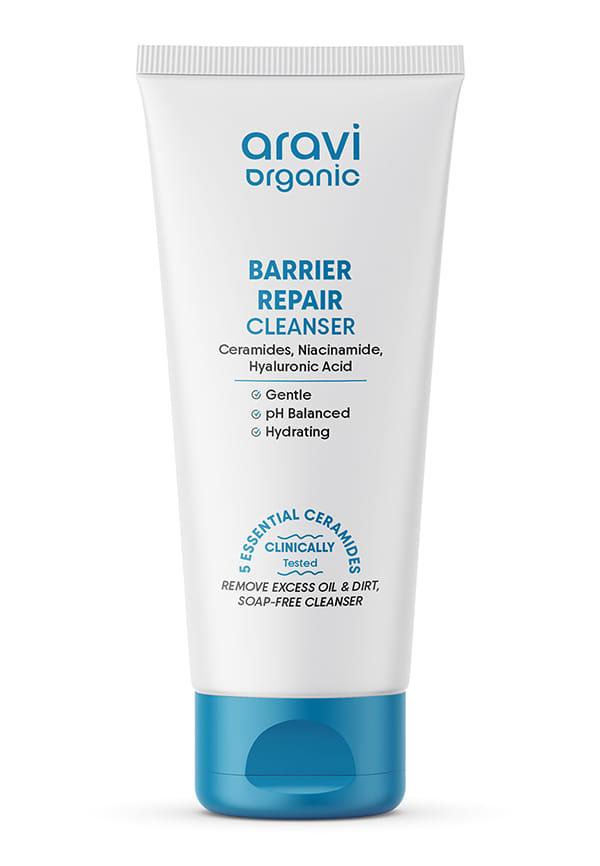
Hydrating Barrier Repair Face Wash - With Ceramide & Niacinamide
When starting new combinations, it's normal to experience some adjustment period. However, distinguishing between purging (which happens with certain actives like retinoids and acids) and genuine irritation is crucial. Purging typically occurs in areas where you normally break out and should improve within 4-6 weeks. Irritation, on the other hand, can happen anywhere and tends to worsen over time.
If you notice your products are pilling or not absorbing properly, the issue might be in your application technique or product order. Make sure each layer is fully absorbed before applying the next, and consider whether you're using too much product or incompatible formulations.
Sometimes the solution is to simplify your routine temporarily. If you're experiencing irritation, strip back to just a gentle cleanser, ceramide moisturiser, and SPF for a few days. Once your skin calms down, you can gradually reintroduce actives one at a time.
Different skin concerns benefit from specific combinations of ceramides and actives. Understanding which combinations work best for your particular goals can help you build a more targeted routine.
The combination of ceramides, retinol, and peptides creates a comprehensive anti-aging routine. Use retinol 3-4 times per week in the evening, followed by a ceramide and peptide moisturiser. On retinol-free nights, you can use a ceramide serum under your regular moisturiser for extra barrier support.
For daytime anti-aging protection, try ceramides, vitamin C, and niacinamide. Apply vitamin C serum first, followed by a niacinamide product, then a ceramide moisturiser and SPF. This combination provides antioxidant protection, barrier support, and helps with overall skin texture.
The ceramides and salicylic acid combination helps manage breakouts whilst maintaining skin barrier health. Apply salicylic acid products first, wait 10-15 minutes, then follow with a lightweight ceramide moisturiser. This approach helps prevent the over-drying that can actually worsen acne.
When using ceramides with benzoyl peroxide, timing is especially important. Benzoyl peroxide can be quite drying, so applying ceramides both before (as a buffer) and after (for repair) can help maintain skin comfort whilst treating acne effectively.
Combining ceramides with kojic acid and vitamin C creates an effective brightening routine. Use kojic acid in the evening and vitamin C in the morning, with ceramides in both routines to support skin barrier function during the brightening process.
The ceramides and arbutin combination is particularly gentle for sensitive skin dealing with dark spots. Arbutin is less irritating than some other brightening ingredients, and ceramides help maintain skin comfort during the gradual lightening process.
Yes, ceramides and salicylic acid work well together. Apply salicylic acid first, wait 10-15 minutes, then follow with ceramide-containing products to restore barrier function. This combination is particularly effective for acne-prone skin that needs both treatment and barrier support.
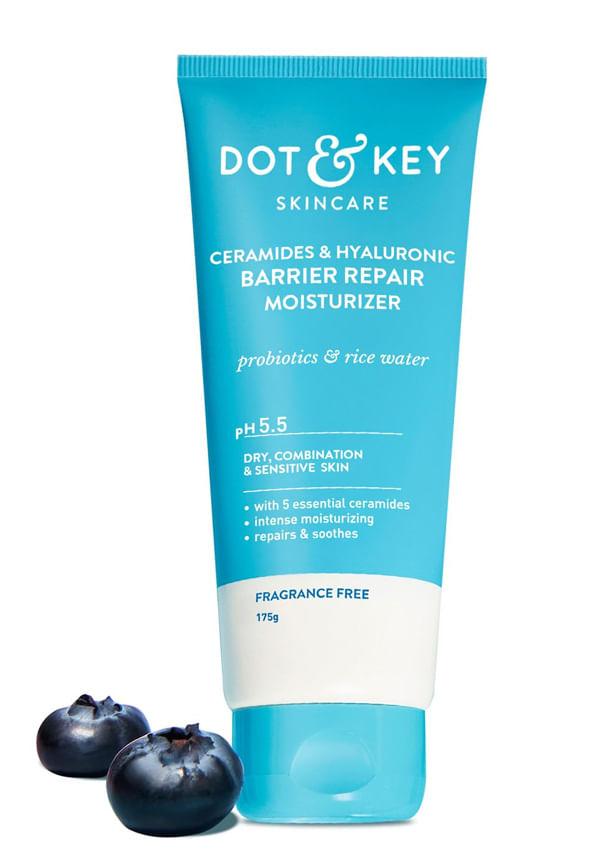
Ceramides & Hyaluronic Barrier Repair Moisturizer
Good & Similar Product
5“Good product, best product and very similar product”
Good & Similar Product
5“Good product, best product and very similar product”
Hydrating with Strange Smell
4“very good hydrating moisturizer for a dry skin. I love the texture but only problem as it claim fragrance free but I notice a strange fevicol type smell from it !! although moisturizer works great on my skin”
Apply retinol first on clean skin, wait 20-30 minutes, then apply ceramide moisturiser to minimise irritation and support skin barrier repair. This order allows the retinol to penetrate effectively whilst the ceramides help prevent dryness and irritation.
Ceramides are generally safe with all actives. The main concern is avoiding high-alcohol products that can disrupt ceramide function and barrier integrity. Also, be mindful of pH conflicts and allow proper wait times between very acidic products and ceramide applications.
Wait 10-30 minutes between active applications, with ceramide products typically applied last to seal in benefits and provide barrier protection. The exact timing depends on the specific actives you're using and your skin's sensitivity level.
Start with one active plus ceramides, gradually introducing additional actives weekly to assess tolerance and prevent overwhelming the skin barrier. This approach helps you identify which combinations work best for your skin without risking irritation.
Absolutely. Ceramides and vitamin C complement each other beautifully. The vitamin C provides antioxidant protection and brightening benefits, whilst ceramides ensure your skin stays hydrated and comfortable. Apply vitamin C first, then ceramides.
Yes, ceramides actually help balance the exfoliating effects of acids. Apply your acid product first, wait 10-15 minutes, then follow with ceramides to help maintain barrier integrity and prevent over-exfoliation.
This is one of the safest and most beneficial combinations in skincare. Both ingredients support barrier function and can be used together daily, morning and evening, without concern for irritation or reduced effectiveness.
Combining ceramides with actives safely is one of the smartest approaches to building an effective skincare routine. These barrier-supporting lipids act as a safety net, allowing you to use powerful actives whilst maintaining skin health and comfort. The key is understanding proper layering skincare products and giving your skin time to adjust to new combinations.
Remember that skincare is highly individual, and what works for others might need tweaking for your specific skin type and concerns. Start slowly, pay attention to how your skin responds, and don't be afraid to simplify if things feel overwhelming. Your skin will notice the difference when you're supporting it properly whilst pursuing your skincare goals.
If you're curious about trying new ceramide products or actives but not ready to commit to full sizes, exploring minis can be a smart way to test combinations before investing in complete routines. Smytten's curated selection includes ceramide-rich products from trusted brands, letting you discover what works for your skin without the guesswork. With over 28 million users finding their perfect products through trials, it's a practical approach to building your ideal routine safely.
