Combination Skin India FAQ: Your Skincare Routine Questions Answered


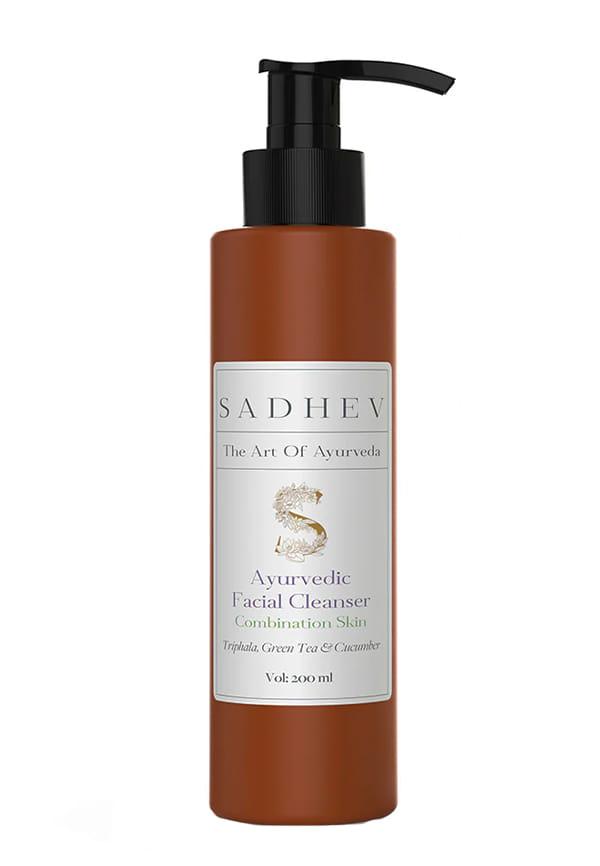
Ayurvedic Facial Cleanser Combination Skin
You know that feeling when your T-zone is practically an oil slick by noon, but your cheeks are crying out for moisture? Welcome to the combination skin club – you're definitely not alone. In India's diverse climate zones, from Mumbai's humidity to Delhi's dry winters, combination skin faces unique challenges that require a thoughtful approach. The good news? With the right skincare routine for combination skin India, you can manage both oily and dry areas without the constant guesswork.
Combination skin means your face has both oily and dry zones – typically an oily T-zone (forehead, nose, chin) paired with normal to dry cheeks. In India's climate, this becomes even trickier. The monsoon humidity can send your T-zone into overdrive, whilst air conditioning and pollution can leave your cheeks feeling parched.
Real talk: many people think they need completely different products for each area of their face. Whilst targeted treatments help, the foundation of good combination skin care is about balance, not extremes.
Your T-zone gets shiny within hours of cleansing, but your cheeks feel tight after washing. You might notice enlarged pores around your nose, whilst the skin near your ears stays relatively smooth. Breakouts tend to cluster around your forehead and chin, but your cheek area rarely sees a spot.
Starting your day right sets the tone for how your skin behaves in India's challenging climate. Your morning routine should prep your skin for pollution, humidity, and sun exposure without overwhelming either zone.
The best face wash combination skin types need is one that removes overnight buildup without stripping your skin. Look for gel-based or low-pH cleansers with ingredients like salicylic acid or niacinamide. These help control oil in your T-zone whilst being gentle enough for your drier areas.
Avoid anything that makes your cheeks feel squeaky clean – that's your skin barrier crying for help. A good cleanser should leave your entire face feeling fresh, not tight.
Here's where you can get a bit targeted. A toner for combination skin should be alcohol-free but effective. Niacinamide-based toners work brilliantly for the entire face, helping regulate oil production whilst supporting your skin barrier.
If you prefer natural options, rose water makes an excellent gentle toner for combination skin. It's hydrating enough for dry areas but won't add excess oil to your T-zone.
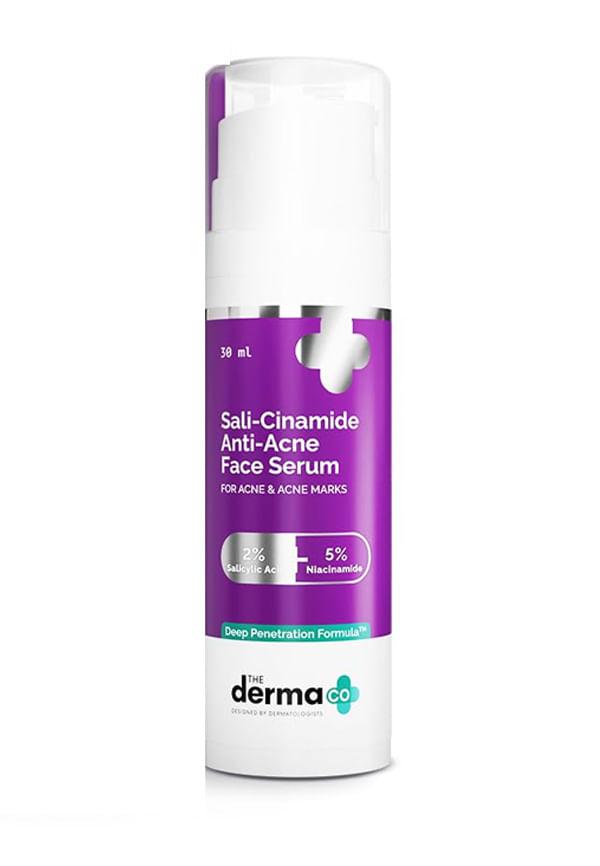
Sali-Cinamide Anti-Acne Face Serum with 2% Salicylic Acid & 5% Niacinamide
This is where you can really customise your approach. Hyaluronic acid serums work well all over – they provide hydration without heaviness. For your T-zone, consider a niacinamide serum to help with oil control and pore appearance.
During summer months, a vitamin C serum can help protect against pollution and UV damage – crucial for Indian city dwellers.
The moisturizer combination skin needs doesn't have to be complicated. A lightweight, gel-based moisturiser often works well for the entire face. Look for ingredients like ceramides and peptides that support your skin barrier without clogging pores.
If your cheeks need extra hydration, you can always add a drop of facial oil just to those areas.
SPF is non-negotiable in India's intense sun. Choose a broad-spectrum SPF 30 or higher that won't pill or feel heavy. Gel-based or fluid sunscreens often work better for combination skin than thick, creamy formulas.
Your evening skincare routine is when you can focus on repair and treatment. After a day of battling pollution and humidity, your skin needs gentle but effective care.
If you wear makeup or heavy sunscreen, start with an oil cleanser to break down products. Follow with your regular gentle cleanser. This ensures your T-zone is properly clean without over-drying your cheeks.
This is when you can introduce stronger actives. Retinoids work well for combination skin, helping with both oil control and anti-ageing. Start slowly – perhaps twice a week – and always follow with a good moisturiser.
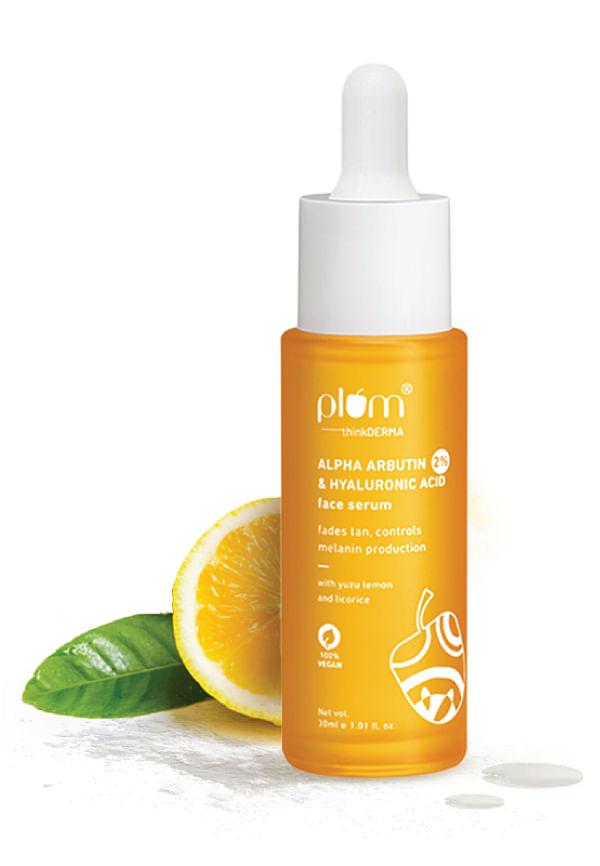
2% Alpha Arbutin & Hyaluronic Acid Face Serum
For your T-zone specifically, a BHA (salicylic acid) treatment once or twice a week can help keep pores clear.
Indian weather demands flexibility in your routine. What works during Mumbai's monsoon might not suit Delhi's winter, and your skin will tell you when it's time to switch things up.
High humidity can make your T-zone extra oily whilst the constant dampness might trigger sensitivity. Switch to lighter formulations and consider adding an antifungal ingredient like tea tree oil to prevent monsoon-related skin issues.
Heat and pollution are your skin's biggest challenges. Focus on lightweight hydration and robust sun protection. Your oily skin routine elements become more important during these months.
Even your T-zone might feel drier during winter. This is when you can introduce richer moisturisers for your cheek areas whilst keeping your T-zone routine relatively unchanged.
Indian households have used natural skincare ingredients for generations, and many work brilliantly for combination skin. Multani mitti (fuller's earth) makes an excellent weekly mask for oily areas, whilst honey and oatmeal can soothe and hydrate drier zones.
Neem has natural antibacterial properties that help with T-zone breakouts, whilst aloe vera provides gentle hydration without greasiness. These ingredients can complement your regular routine beautifully.
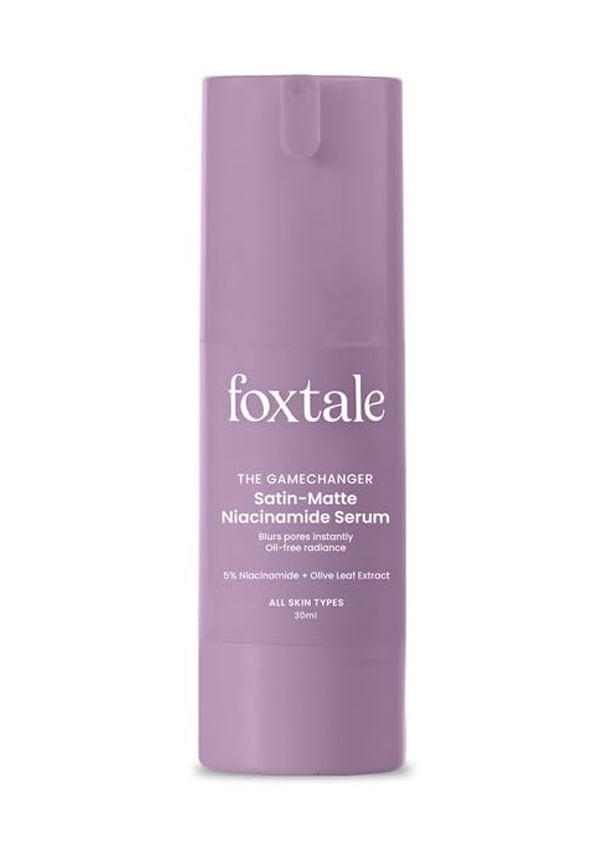
5% Niacinamide Face Serum with Olive Leaf Extract
The best routine combines gentle cleansing, balanced hydration, and targeted treatments. Start with a low-pH cleanser, use a niacinamide-based toner, apply a lightweight moisturiser, and never skip SPF. In the evening, you can add treatments like retinoids or BHA for your T-zone. The key is consistency and adjusting products based on seasonal changes in India's climate.
Not necessarily for your basic routine. A good cleanser, toner, and moisturiser can work for your entire face. However, you might want to use targeted treatments – like a clay mask for your T-zone or extra hydration for your cheeks. The goal is balance, not completely separate routines.
Your T-zone can typically handle exfoliation 2-3 times per week, whilst your cheeks might only need it once a week. Use a gentle BHA for your oily areas and a mild AHA for your drier zones. Always listen to your skin – if it feels irritated, reduce frequency.
Absolutely. Hormonal changes, age, and India's varying seasons all affect your skin. You might notice your skin becoming drier overall as you age, or more oily during monsoon months. The key is staying flexible with your routine and adjusting products as needed.
Avoid harsh alcohols, over-drying cleansers, and anything that makes your skin feel tight or irritated. Be cautious with heavy oils that might clog your T-zone, and don't use the same strong actives on your entire face without testing first.
Yes, especially in India's climate. Your T-zone might feel oily by midday whilst your cheeks remain comfortable. This is completely normal. Blotting papers can help manage T-zone oil without disturbing your makeup or skincare.
Good products should balance your skin without causing irritation. Your T-zone should feel less oily but not tight, and your cheeks should feel comfortable and hydrated. Give new products at least 4-6 weeks to show results, and introduce them one at a time.
Managing combination skin in India doesn't have to feel like a constant balancing act. The secret lies in understanding that your skin needs consistency, not complexity. A gentle, balanced approach works better than trying to treat each zone as completely separate skin types.
Remember, your skin's needs will change with seasons, stress, and life stages. What works during Delhi's dry winter might need tweaking come monsoon season. The key is building a solid foundation routine and making small adjustments as needed.
If you're curious about trying new products but hesitant to commit to full sizes, Smytten's curated selection lets you explore different brands and formulations through trial sizes. With over 2,400 trusted brands and options for every skin concern, you can discover what works for your unique combination skin without the guesswork. It's a smart way to build your perfect routine, one product at a time.
