Cleanser vs Face Wash India: Understanding the Difference


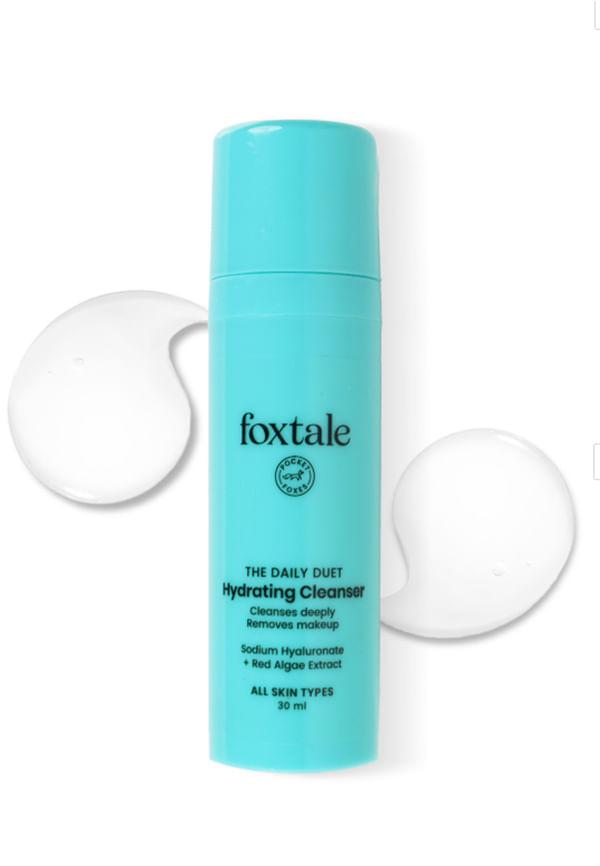
Hydrating Face Wash with Hyaluronic Acid
Let's be real—walking down the skincare aisle can feel like decoding a secret language. Cleanser, face wash, cleansing gel, cleansing milk—what's the actual difference? If you've ever stood confused between two similar-looking bottles, wondering which one your skin actually needs, you're not alone. The cleanser vs face wash debate is particularly relevant in India, where our unique climate, pollution levels, and diverse skin types demand specific care. Understanding these differences isn't just skincare geek knowledge—it's the key to building a routine that actually works for your skin.
Here's where things get interesting. While both products aim to clean your face, they go about it in completely different ways. Think of it like the difference between a gentle hug and a firm handshake—both are forms of greeting, but the intensity and approach vary significantly.
Cleansers are the gentle giants of skincare. They typically have a creamy, lotion-like texture that doesn't foam much (or at all). Most cleansers work by dissolving makeup, sunscreen, and daily grime without stripping your skin's natural oils. They usually have a pH level closer to your skin's natural pH (around 5.5), making them less likely to disrupt your skin barrier.
Face washes, on the other hand, are the workhorses. They foam up nicely, creating that satisfying lather we all secretly love. Face washes contain surfactants that create bubbles and provide deeper cleansing action. They're designed to cut through oil, sweat, and stubborn impurities, but this can sometimes mean they're a bit more aggressive on your skin's natural moisture.
Cleansers work through a process called emulsification. They break down oil-based impurities (like makeup and sebum) and mix them with water so they can be easily rinsed away. It's like having a diplomatic mediator that helps oil and water get along.
Face washes use surfactants to create foam and lift away dirt, oil, and bacteria from your pores. The foaming action helps dislodge impurities that might be sitting deeper in your skin. However, this deeper cleaning can sometimes remove beneficial oils along with the unwanted ones.
The Indian skincare market has exploded with options, and honestly, it's brilliant. From traditional neem-based formulas to cutting-edge Korean beauty imports, there's something for every skin type and budget.
Cream cleansers are your skin's best friend if you have dry or sensitive skin. They're rich, nourishing, and remove makeup without leaving your face feeling tight.
Oil cleansers might sound counterintuitive for oily skin, but they're actually amazing for dissolving stubborn makeup and sunscreen. Plus, they can help balance oil production over time.
Micellar water is the lazy girl's dream (and we mean that in the best way). These gentle cleansers use tiny oil molecules suspended in water to attract and remove impurities.
Gel cleansers offer a middle ground—they're lighter than creams but gentler than traditional face washes, making them perfect for combination skin.
Face wash for oily skin typically contains ingredients like salicylic acid, tea tree oil, or neem. These ingredients help control excess sebum and prevent breakouts.
Gentle face cleanser options focus on maintaining your skin's natural balance while still providing effective cleansing. Look for sulfate-free formulas with soothing ingredients.
Natural face wash products have gained massive popularity in India, often featuring traditional ingredients like turmeric, rose water, or multani mitti (fuller's earth).
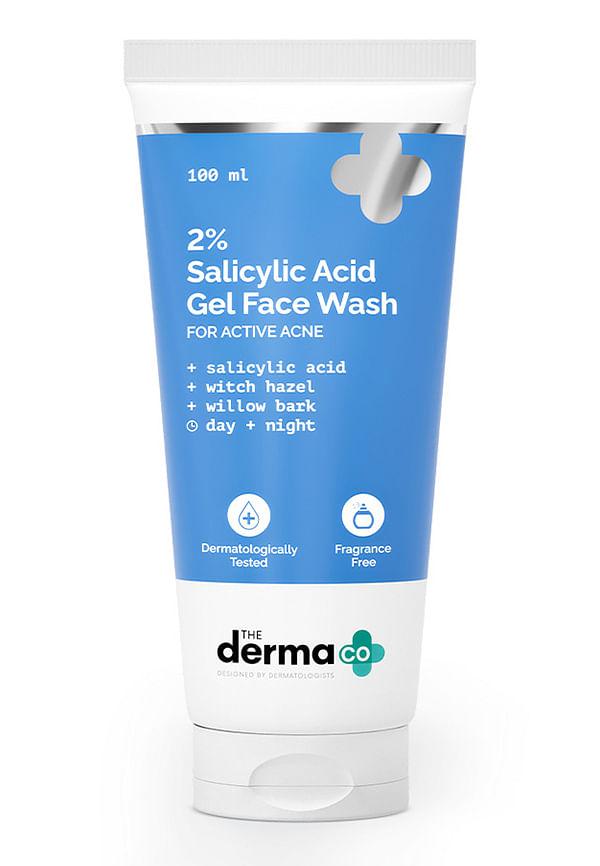
2% Salicylic Acid Gel Face Wash
Choosing between a cleanser and face wash isn't about which product is objectively better—it's about what works for your unique skin situation. Your skin type, lifestyle, and even the season can influence what your face needs.
If you have oily or acne-prone skin, face washes might be your holy grail. They excel at removing excess oil, unclogging pores, and giving you that squeaky-clean feeling. Face washes are particularly beneficial if you live in a polluted city (hello, Delhi and Mumbai), work out regularly, or tend to get quite oily throughout the day.
The deep pore cleansing capabilities of face washes make them excellent for removing stubborn impurities that can lead to blackheads and breakouts. Many face washes also contain active ingredients like salicylic acid or benzoyl peroxide that specifically target acne-causing bacteria.
Cleanser for dry skin is often the better choice because it cleanses without compromising your skin's moisture barrier. If your skin feels tight, flaky, or irritated after washing, a gentle cleanser might be exactly what you need.
Cleansers are also superior for makeup removal, especially if you wear heavy or waterproof products. They can dissolve even the most stubborn mascara without aggressive rubbing that can damage your delicate eye area.
Normal skin is the lucky winner that can usually handle both cleansers and face washes. You can choose based on preference, season, or what you're trying to achieve.
Combination skin might benefit from using different products on different areas of your face, or alternating between a gentle cleanser and a face wash depending on how your skin feels.
Mature skin often does better with cleansers that contain anti-ageing ingredients and won't exacerbate dryness or sensitivity that can come with age.
Understanding ingredients in face wash and cleanser formulations can help you make smarter choices. Not all ingredients are created equal, and some might be perfect for your friend's skin but terrible for yours.
Salicylic acid is a beta-hydroxy acid that penetrates oil and helps unclog pores. It's particularly effective for acne-prone skin but can be drying if overused.
Glycolic acid provides gentle exfoliation, helping to remove dead skin cells and brighten your complexion. However, it can increase sun sensitivity, so always pair it with sunscreen.
Tea tree oil and neem are popular in Indian formulations for their antibacterial properties. They're natural alternatives for those who prefer traditional ingredients.
Sulfate-free options are becoming increasingly popular as people realise that harsh surfactants can strip the skin and cause irritation.
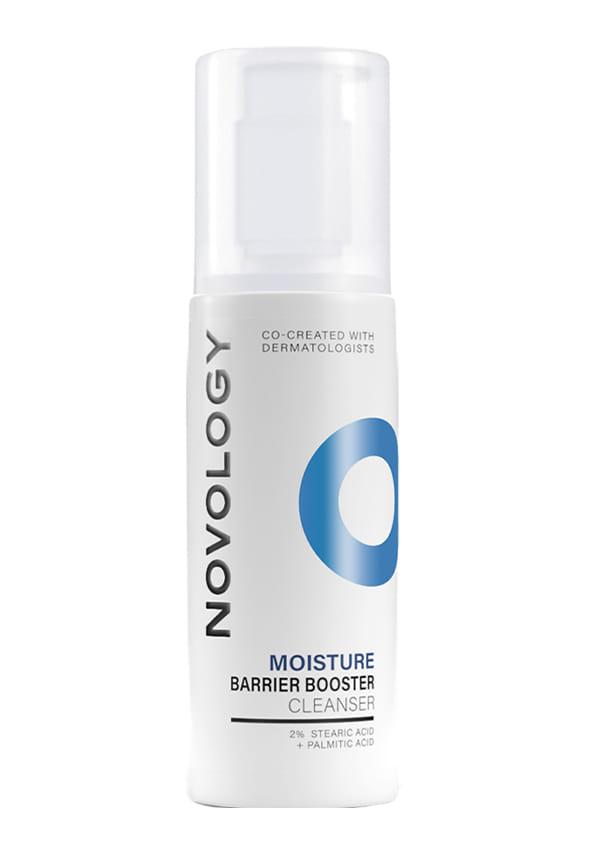
Gentle Face Cleanser, Non-Foaming Moisturising Face Wash, For Sensitive Skin
Hyaluronic acid in cleansers helps maintain hydration even during the cleansing process. It's like having a drink of water for your skin.
Ceramides help strengthen your skin barrier, making them excellent for sensitive or compromised skin.
Natural oils like jojoba or argan oil provide nourishment while cleansing, leaving your skin soft and supple.
Botanical extracts such as chamomile, green tea, or rose are common in Indian skincare and offer soothing, antioxidant benefits.
Proper technique can make the difference between a product that works brilliantly and one that seems to do nothing. It's not just about what you use, but how you use it.
Start with lukewarm water—not hot, which can strip your skin, and not cold, which won't help dissolve impurities effectively. Use about a coin-sized amount of face wash and work it into a lather in your palms before applying to your face.
Massage gently in circular motions for about 30-60 seconds, paying extra attention to your T-zone if you're oily, but don't scrub aggressively. Rinse thoroughly with lukewarm water and pat (don't rub) your face dry with a clean towel.
Most cleansers work best on dry skin, especially oil-based ones. Apply the cleanser with clean hands and massage gently to dissolve makeup and impurities. Some cleansers can be removed with water, while others work better with a damp cloth or cotton pad.
If you're doing double cleansing (which is brilliant for thorough makeup removal), start with an oil-based cleanser followed by a water-based one.
Your morning routine can be lighter—a gentle cleanser to remove overnight buildup and prepare your skin for the day. Evening routines should be more thorough, especially if you wear makeup or sunscreen.
In India's climate, you might need to adjust your routine seasonally. Monsoon humidity might call for a deeper-cleansing face wash, while winter dryness might require a more nourishing cleanser.
Indian skin and climate present unique challenges that global skincare advice doesn't always address. Our diverse climate zones, pollution levels, and genetic predispositions require tailored approaches.
Humid weather in coastal cities like Mumbai and Chennai can make your skin produce more oil, potentially requiring a more thorough cleansing routine. The high humidity can also make heavy cleansers feel uncomfortable.
Pollution levels in major Indian cities mean your skin faces daily assault from particulate matter and toxins. This might necessitate double cleansing or products specifically formulated to remove pollution-related impurities.
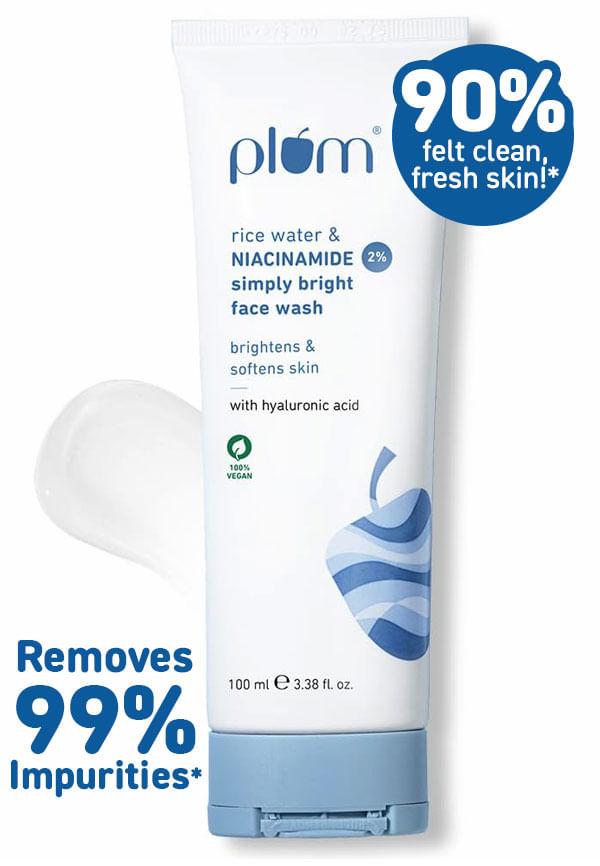
Simply Bright 2% Niacinamide Face Wash With Rice Water
Seasonal adjustments are crucial—what works during the cool Delhi winter might be too heavy for the scorching summer months.
The Indian market offers everything from affordable drugstore options to premium skincare lines. Brands like Cetaphil, Neutrogena, and La Roche-Posay offer dermatologist-recommended formulas, while local brands often incorporate traditional Ayurvedic ingredients.
Many Indians are drawn to natural formulations featuring ingredients like turmeric, neem, or sandalwood, which have been used in traditional skincare for centuries.
Look for multi-purpose products that can serve multiple functions in your routine. Trial sizes are excellent for testing products before committing to full sizes—this is where platforms like Smytten become invaluable, offering curated trial packs from over 1,500 trusted brands including Cetaphil and Dot & Key, allowing you to explore products before making full-size purchases.
The cleanser vs face wash debate doesn't have a universal winner—it has personal winners based on your skin's unique needs. Understanding the differences helps you make informed choices rather than following trends or marketing claims.
Your perfect cleansing routine might involve using both products strategically, or it might be as simple as finding one gentle cleanser that does everything you need. The key is listening to your skin and adjusting based on how it responds.
Remember, skincare is a journey, not a destination. What works for you might change with seasons, age, hormones, or lifestyle changes. With platforms like Smytten offering trial packs for just ₹249 with 100% cashback redeemable for future purchases, you can experiment with different cleansers and face washes without the commitment of full-size products. After all, why settle for 'maybe' when you can try it all and find what truly works for your skin?
The choice depends entirely on your skin type and needs. Face washes work brilliantly for oily, acne-prone skin that needs deep cleansing, while cleansers are perfect for dry, sensitive skin requiring gentle care and hydration retention.
Absolutely! Cleansers can often replace face wash, particularly for dry or sensitive skin types. However, very oily skin might still benefit from the deeper cleansing action that face washes provide, especially in India's humid climate.
Apply cleanser to dry or slightly damp skin, massage gently for 30-60 seconds, then rinse with lukewarm water or remove with a damp cloth. Use it as the first step in both your morning and evening routines.
In India's humid climate and high pollution levels, face washes help control excess oil and remove environmental impurities more effectively, while cleansers provide gentle care for skin that's often stressed by frequent washing and harsh environmental factors.
In a double cleansing routine, oil-based cleanser comes first to dissolve makeup and sunscreen, followed by a water-based cleanser or face wash for deeper pore cleansing. This method is particularly effective for thorough makeup removal.
