Chemical vs Mineral Sunscreen: Your FAQ Answered

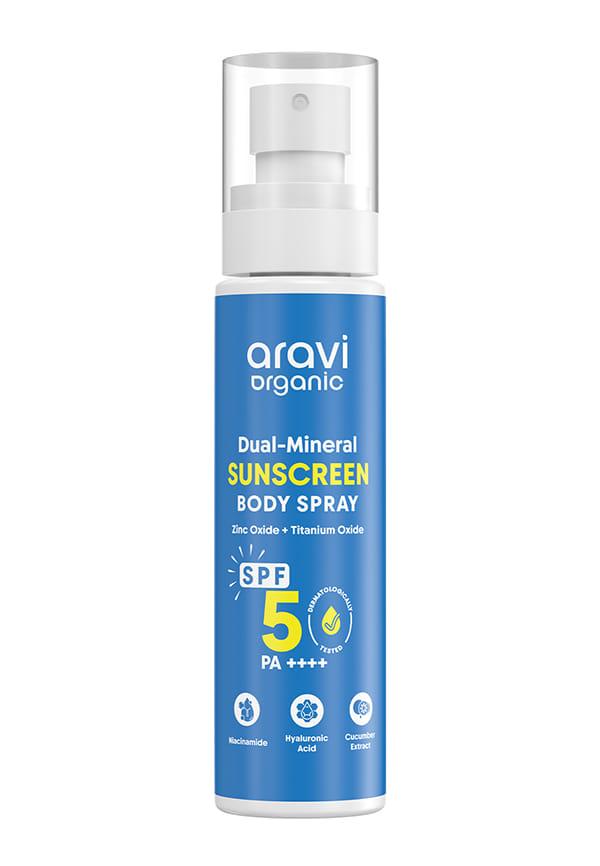
Dual Mineral Sunscreen Body Spray with SPF 50 PA++++, Zinc Oxide & Titanium Dioxide
Chemical sunscreens absorb UV rays and convert them to heat, whilst mineral sunscreens create a physical barrier that reflects UV rays away from skin
Chemical formulas offer lightweight, invisible application but may cause sensitivity in some users
Mineral options provide immediate protection and suit sensitive skin but can leave a white cast
Neither is universally better - the best choice depends on your skin type, lifestyle, and personal preferences
Both types offer excellent broad-spectrum protection when applied correctly and consistently
Choosing the right sunscreen can feel overwhelming when you're faced with shelves full of options, each promising superior protection. The fundamental question that stumps most of us? Chemical vs mineral sunscreen - what is the difference, and which one deserves a spot in your daily routine? Whether you're dealing with sensitive skin that reacts to everything, oily skin that turns sunscreen into a greasy mess, or you're simply trying to decode ingredient lists that read like chemistry textbooks, understanding these two sunscreen types is crucial for making an informed choice. The good news is that both chemical and mineral sunscreens offer excellent protection when used correctly, but they work in completely different ways and suit different skin types and lifestyles. At Smytten, we've seen countless users discover their perfect sunscreen match through trial packs, often after years of using the wrong type for their skin. This comprehensive guide will break down everything you need to know about chemical vs mineral sunscreen, from how they work to which ingredients to look for, helping you make the best choice for your unique skin needs.
Before diving into the chemical vs mineral sunscreen debate, it's essential to understand how these formulations protect your skin from harmful UV radiation. Both types aim to prevent UV damage, but they achieve this goal through completely different mechanisms that affect everything from application to skin compatibility.
The fundamental difference lies in how each type interacts with UV rays. Chemical sunscreens work by absorbing UV radiation into the skin, where active ingredients convert these rays into heat energy that's then released from the body. This sunscreen absorption process happens at a molecular level, requiring the formula to penetrate slightly into the skin's surface to be effective.
Mineral sunscreens, also called physical sunscreens, create a protective barrier on top of your skin that reflects and scatters UV rays away from your face. Think of it as holding up a tiny mirror to deflect harmful radiation. This reflection mechanism means mineral formulas sit on the skin's surface rather than being absorbed, which explains why they often feel different during application.
Both chemical and mineral formulations can provide broad spectrum protection, meaning they defend against both UVA and UVB rays. UVB rays cause immediate burning and contribute to skin cancer, whilst UVA rays penetrate deeper, causing premature ageing and long-term damage. Quality sunscreens in both categories offer comprehensive protection across the entire UV spectrum, though they achieve this through different ingredient combinations.
Chemical sunscreens have dominated the market for decades, and there's good reason for their popularity. These formulations excel in areas where many users struggle with traditional sunscreen application - namely, texture, blendability, and cosmetic elegance.
The most common chemical UV filters include avobenzone, octinoxate, octisalate, and homosalate. Avobenzone provides excellent UVA protection but can be unstable when exposed to sunlight, which is why it's often paired with stabilising ingredients. Octinoxate offers UVB protection and helps create that lightweight feel many users love. These ingredients work by absorbing specific wavelengths of UV radiation and converting them to harmless heat energy.
Newer chemical filters like octisalate and ensulizole offer improved stability and broader protection. When you see "broad spectrum" on a chemical sunscreen label, it means the formula combines multiple filters to cover both UVA and UVB ranges effectively.
The primary chemical sunscreen benefits centre around user experience and daily wearability. These formulas blend seamlessly into all skin tones without leaving any white residue, making them ideal for darker complexions that often struggle with mineral alternatives. The lightweight texture feels more like a moisturiser than traditional sunscreen, encouraging consistent daily use.
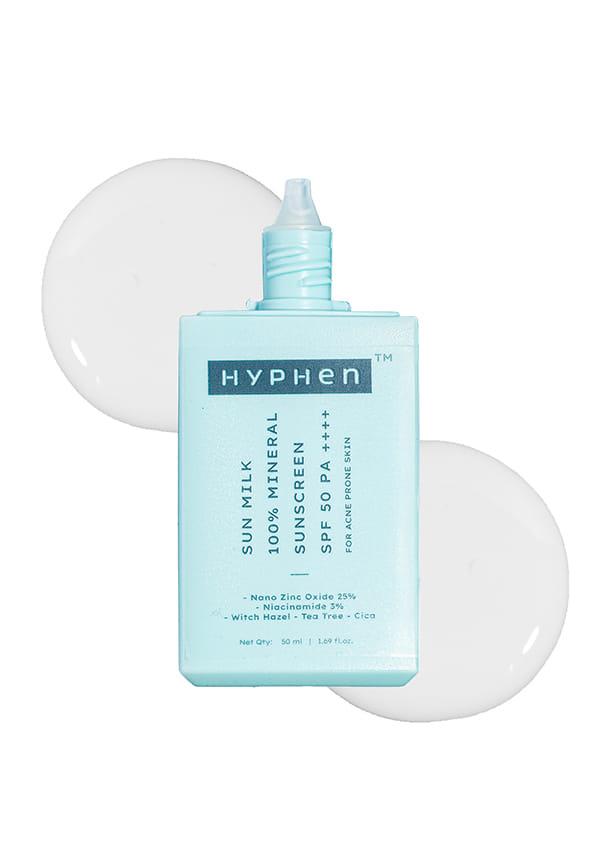
Sun Milk 100% Mineral Sunscreen SPF 50 PA++++ 25% Nano Zinc Oxide
Great for Oily Skin
 4
4“great for oily skin it makes glow”
Super and Nice Product
5“super and nice product I liked it”
Super and Nice Product
5“super and nice product I liked it”
Chemical sunscreens also layer beautifully under makeup, creating a smooth base that doesn't pill or interfere with foundation application. Many formulations offer water resistance, making them excellent choices for exercise, swimming, or humid climates where you need protection that won't easily sweat off.
Mineral sunscreens have experienced a renaissance in recent years, particularly among users with sensitive skin or those concerned about ingredient absorption. These formulations offer unique advantages that make them the preferred choice for many dermatologists and skincare enthusiasts.
Mineral sunscreens rely on just two active ingredients: zinc oxide and titanium dioxide. Zinc oxide provides broad spectrum protection against both UVA and UVB rays, making it the gold standard for comprehensive coverage. It's also naturally antimicrobial and anti-inflammatory, which explains why it's often recommended for sensitive or acne-prone skin.
Titanium dioxide primarily protects against UVB rays, though newer formulations offer some UVA coverage as well. When combined with zinc oxide, these two minerals create a powerful protective barrier that's both effective and gentle on reactive skin types.
The standout mineral sunscreen benefits include immediate protection upon application - no waiting period required - and excellent compatibility with sensitive skin conditions like rosacea or eczema. These formulations are also reef safe, containing no ingredients that harm marine ecosystems, making them the environmentally conscious choice for beach holidays.
Mineral sunscreens tend to have longer shelf lives and remain stable in heat and sunlight, unlike some chemical filters that can degrade over time. They're also non-comedogenic by nature, meaning they won't clog pores or contribute to breakouts, making them suitable for acne-prone skin types.
Understanding the practical differences between these two sunscreen types helps you make an informed decision based on your specific needs, skin type, and lifestyle preferences.
Feature | Chemical Sunscreen | Mineral Sunscreen |
|---|---|---|
Application | Invisible, lightweight finish | May leave white cast, thicker texture |
Protection Time | 15-20 minutes to activate | Immediate protection |
Skin Sensitivity | May cause reactions in sensitive skin | Generally well-tolerated |
Environmental Impact | Some ingredients harm coral reefs | Reef-safe formulation |
Price Range | ₹300-₹1500 | ₹400-₹1500 |
The most noticeable difference between chemical and mineral sunscreens lies in their application experience. Chemical formulas spread easily and disappear into skin without trace, making them virtually undetectable once applied. This invisible finish works beautifully under makeup and suits all skin tones equally.
Mineral sunscreens require more effort to blend properly and may leave a slight white cast, particularly on deeper skin tones. However, newer formulations have significantly improved in this area, with many brands offering tinted versions or micronised particles that reduce visible residue.
For sensitive skin sunscreen options, mineral formulations typically win due to their gentle, non-irritating nature. Those with rosacea, eczema, or reactive skin often find zinc oxide and titanium dioxide less likely to trigger flare-ups compared to chemical filters.
Oily and acne-prone skin types may prefer chemical sunscreens for their lightweight feel, though mineral options can work well if you choose oil-free formulations. Dry skin benefits from either type, depending on the additional moisturising ingredients included in the formula.
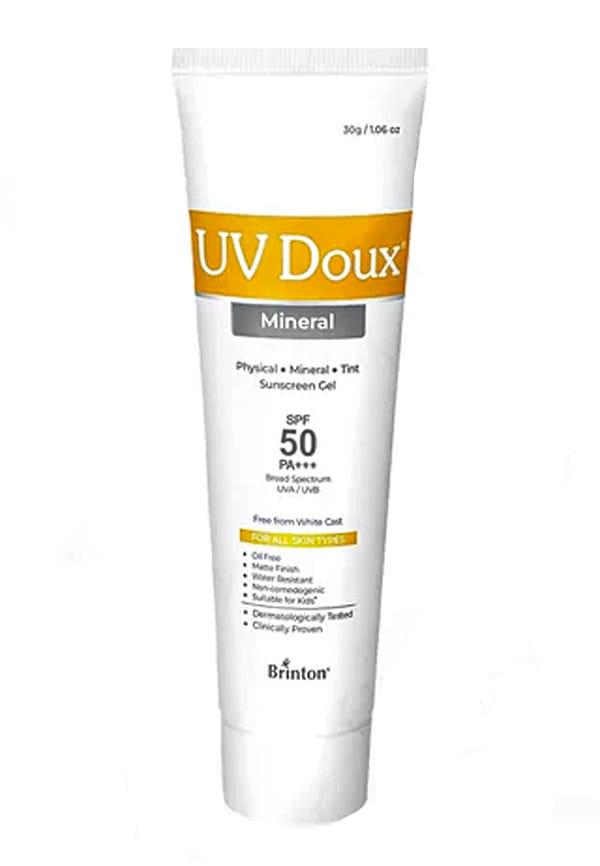
Mineral Sunscreen Gel
Tint Suncream No White Cast
5“tint suncream no white cast ...”
Good for Oily Skin, Slight White Cast
5“it leaves little white cast on your skin but overall good for oily skin”
Best Sunscreen Ever
4“One of the best sunscreen I've ever used.”
Making the right choice between chemical and mineral sunscreen ultimately depends on understanding your skin's unique needs and your lifestyle requirements. Dermatologists emphasise that the best sunscreen is simply the one you'll use consistently every day.
Most dermatologists recommend mineral sunscreens for patients with sensitive skin conditions, children under two years old, and pregnant women who prefer to minimise chemical absorption. However, they equally endorse chemical sunscreens for their superior cosmetic elegance, which encourages regular use.
Clinical studies show both types offer excellent protection when applied correctly - the key is using enough product (about ¼ teaspoon for face and neck) and reapplying every two hours or after swimming and sweating.
Reading ingredient labels makes identification straightforward. Mineral sunscreens list only zinc oxide and/or titanium dioxide as active ingredients. Chemical sunscreens contain names like avobenzone, octinoxate, octisalate, homosalate, or oxybenzone in their active ingredient list.
Some hybrid formulations combine both mineral and chemical filters, offering benefits from both categories whilst minimising individual drawbacks.
Recent discussions about sunscreen safety have raised questions about ingredient absorption and environmental effects, making it important to understand the current scientific consensus on both chemical and mineral formulations.
Recent FDA studies detected chemical sunscreen ingredients in blood samples after application, sparking concern about potential hormone disruption. However, dermatologists emphasise that detection doesn't equal harm - the benefits of sun protection far outweigh theoretical risks from ingredient absorption.
The American Academy of Dermatology continues to recommend both chemical and mineral sunscreens as safe and effective. For those preferring to minimise absorption, mineral options provide peace of mind whilst delivering excellent protection.
Reef safe sunscreen ingredients have become increasingly important as research reveals certain chemical filters' impact on marine ecosystems. Oxybenzone and octinoxate, common in chemical sunscreens, can contribute to coral bleaching and reef damage.
Mineral sunscreens containing zinc oxide and titanium dioxide are considered reef-safe, making them the preferred choice for ocean activities and environmentally conscious consumers.
Product | Type | Best For | Key Ingredients | Price Range (INR) |
|---|---|---|---|---|
The Derma Co. Ultra Matte Sunscreen Gel SPF 60 | Chemical | Oily, combination skin | UV filters, oil control | ₹400-₹600 |
Dot & Key Cica + Niacinamide Sunscreen SPF 50 | Chemical | Sensitive, acne-prone skin | Cica, niacinamide | ₹500-₹700 |
Minimalist Light Fluid SPF 50 | Chemical | All skin types, daily wear | Multi-UV filters | ₹600-₹800 |
Dr. Sheth's Ceramide & Vitamin C Sunscreen | Hybrid | Sensitive, dull skin | Ceramides, vitamin C | ₹450-₹650 |
Foxtale SPF 70 Matte Finish | Chemical | Oily skin, long outdoor exposure | UV filters, niacinamide | ₹500-₹750 |
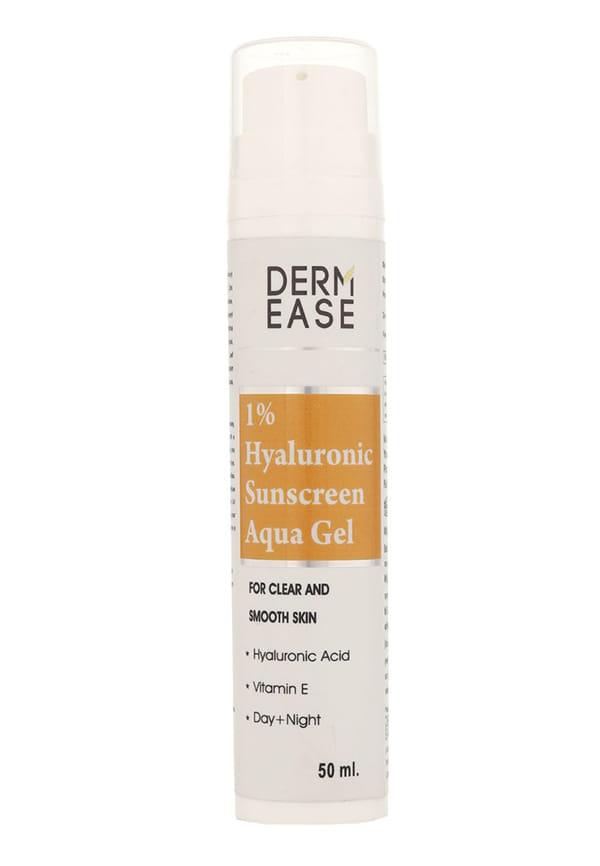
1% Hyaluronic Sunscreen Aqua Gel
Neither is universally "better" - the best choice depends on your skin type, lifestyle, and personal preferences. Mineral sunscreens are ideal for sensitive skin and immediate protection, whilst chemical sunscreens offer easier application and better cosmetic elegance. The most important factor is choosing one you'll use consistently every day.
Most dermatologists emphasise that the best sunscreen is the one you'll use consistently. However, many recommend mineral sunscreens for sensitive skin, children, and those with skin conditions like rosacea. For daily wear and cosmetic elegance, chemical sunscreens often get the nod for their superior user experience.
Common drawbacks include white cast on darker skin tones, thicker texture that can be harder to blend, and potential pilling when layered with other skincare products. Some users also find mineral formulations feel heavier or more noticeable on the skin compared to chemical alternatives.
Check the active ingredients list on the label. Mineral sunscreens contain only zinc oxide and/or titanium dioxide. Chemical sunscreens list ingredients like avobenzone, octinoxate, octisalate, homosalate, or oxybenzone. Some hybrid formulations combine both types for enhanced benefits.
Yes, you can layer different types of sunscreen, though it's generally unnecessary if you're using a broad-spectrum formula with adequate SPF. Some people prefer using a mineral sunscreen as their base layer with a chemical formula for touch-ups throughout the day. When trying new combinations, Smytten's trial packs let you test compatibility before committing to full sizes.
Both can work well for acne-prone skin, depending on the specific formulation. Mineral sunscreens are naturally non-comedogenic, whilst chemical formulas often offer oil-free options with additional acne-fighting ingredients like niacinamide. Look for non-comedogenic labels regardless of type, and avoid heavy, cream-based formulations that might clog pores.
The healthiest sunscreen is one that offers broad-spectrum protection (UVA and UVB) with an SPF of 30 or higher, and that you will use consistently. Mineral sunscreens with zinc oxide and titanium dioxide are often considered a healthier choice for sensitive skin due to their gentle nature and minimal absorption. However, modern chemical sunscreens are also considered safe and effective by dermatologists. The best approach is to choose a formula that suits your skin type and lifestyle, and that you're happy to apply daily.
The chemical vs mineral sunscreen debate ultimately comes down to personal preference and skin compatibility rather than one being definitively superior. Chemical sunscreens excel in daily wearability, offering invisible application and lightweight textures that encourage consistent use. They're particularly suitable for those who prioritise cosmetic elegance and plan to wear makeup over their sunscreen.
Mineral sunscreens shine in the sensitivity and safety department, providing immediate protection without potential irritation. They're the clear choice for reactive skin types, children, and environmentally conscious users who want reef-safe formulations. The key is understanding that both types offer excellent UV protection when applied correctly and consistently.
Rather than getting caught up in the chemical vs mineral debate, focus on finding a broad-spectrum SPF 30 or higher that you genuinely enjoy using. The sunscreen that stays in your routine is infinitely better than the "perfect" one that sits unused in your drawer. Consider your skin type, lifestyle needs, and personal preferences when making your choice, and don't be afraid to try different options until you find your perfect match. You can explore various options through Smytten's trial packs, allowing you to discover what works best for your skin before committing to full-size products.
Whether you lean towards chemical or mineral sunscreen, the most important step is making sun protection a non-negotiable part of your daily routine. Understanding how each type works empowers you to make informed choices that suit your unique skin needs and lifestyle. At Smytten, India's largest product discovery platform, we believe you shouldn't have to guess which sunscreen will work for your skin. With our curated trial packs from over 2,400 trusted brands, you can explore different formulations - from lightweight chemical options to gentle mineral alternatives - before committing to full sizes. Our platform offers authentic, brand-verified minis that let you test everything from The Derma Co.'s matte gel formulas to Dot & Key's sensitive skin-friendly options, all with 100% cashback on trials. With PAN-India delivery and trial packs available for just ₹279, discovering your perfect sunscreen match has never been more accessible. With Smytten, you can #TryItAll and find the sun protection that truly works for you.
