Chemical Sunscreen SPF 50: Expert Insights on Protection

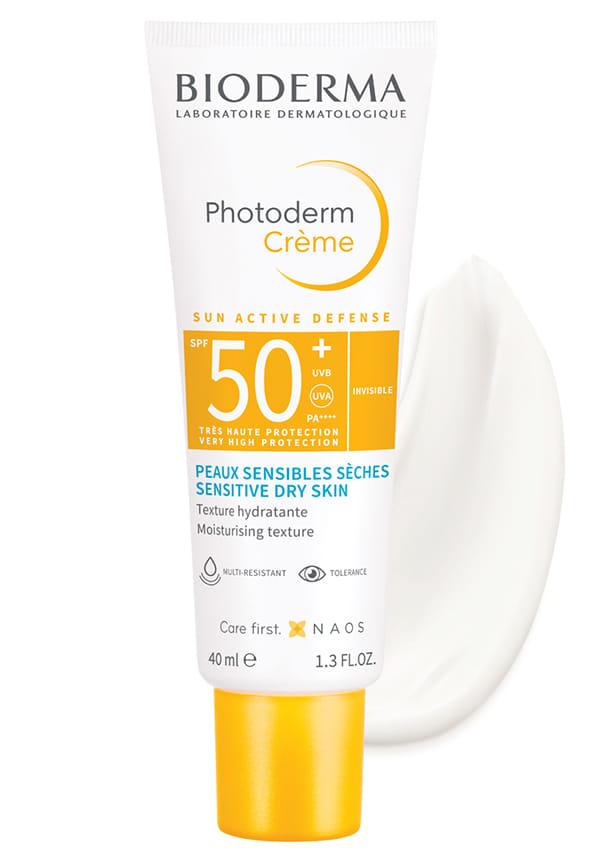
Photoderm Max Creme Spf 50+
Effective Sunscreen for Dark Marks
 5
5“my mother loved the sunscreen she saw the result with in one week of usage Black marks on face started decreasing Best product”
Really Like This Product
4“i really like this product and it's very good 😊”
Real Gem Sunscreen
5“just got hands on the real gem in sunscreen world”
Let's be real—finding the right chemical sunscreen SPF 50 can feel like navigating a maze of confusing labels and endless options. With UV damage being one of the leading causes of premature ageing and skin concerns, choosing proper sun protection isn't just about avoiding sunburn anymore. It's about making a smart, long-term investment in your skin's health. Chemical sunscreens work differently from their mineral counterparts, absorbing UV rays rather than reflecting them, which often means lighter textures and easier application. But with SPF 50 offering serious protection levels, understanding what makes these formulas tick becomes crucial for making the right choice for your skin.
Chemical sunscreen SPF 50 works like your skin's personal bodyguard, absorbing harmful UV rays before they can penetrate and cause damage. Unlike physical sunscreens that sit on top of your skin like a shield, chemical formulas sink in and neutralise UV radiation through a fascinating molecular process.
The SPF 50 rating means this level of sun protection blocks approximately 98% of UVB rays—the ones responsible for sunburn and a significant contributor to skin cancer. That's a substantial step up from SPF 30, which blocks about 97% of UVB rays. While that 1% difference might seem minimal, it actually represents a 50% increase in protection time.
Chemical UV filters contain organic compounds that absorb UV energy and convert it into heat, which then dissipates from your skin. This process happens at the molecular level, making these sunscreens feel lighter and more cosmetically elegant than mineral alternatives.
Quality broad spectrum sunscreen formulas protect against both UVA and UVB rays. UVA rays penetrate deeper into the skin and are primarily responsible for premature ageing, whilst UVB rays cause surface damage like sunburn. Modern chemical sunscreens combine multiple active ingredients to ensure comprehensive protection across the entire UV spectrum.
The magic of effective sunscreen ingredients lies in their ability to work together, creating a protective network that catches UV rays before they can harm your skin. Each ingredient has its own superpower, and understanding these can help you choose the right formula.
Modern chemical sunscreens typically combine several active ingredients to achieve broad spectrum protection and maintain stability under sun exposure.
Avobenzone serves as the primary UVA filter in many formulations, offering excellent long-wavelength UVA protection. However, it can be unstable when exposed to sunlight, which is why it's often paired with stabilising ingredients.
Octinoxate and Octisalate primarily target UVB rays and are known for their lightweight feel and easy application. These ingredients blend seamlessly into most skin tones without leaving residue.
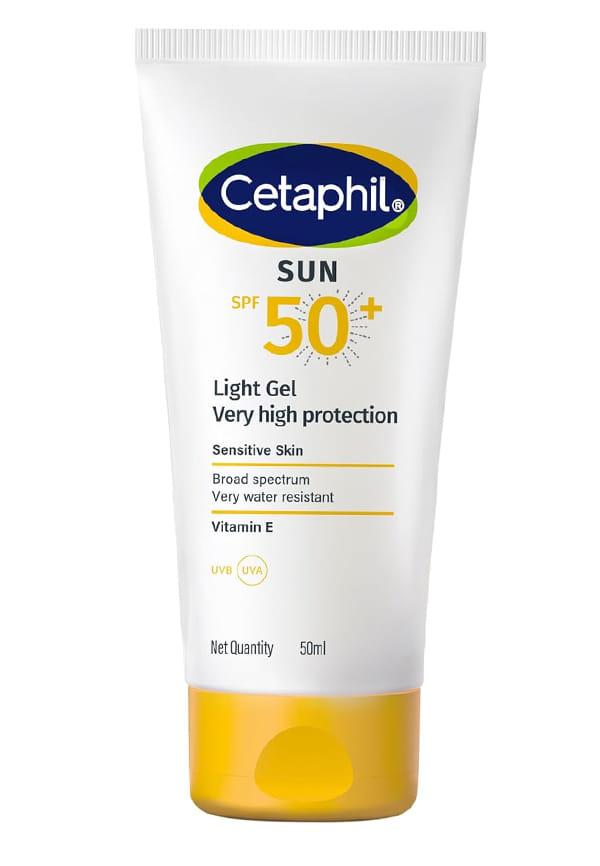
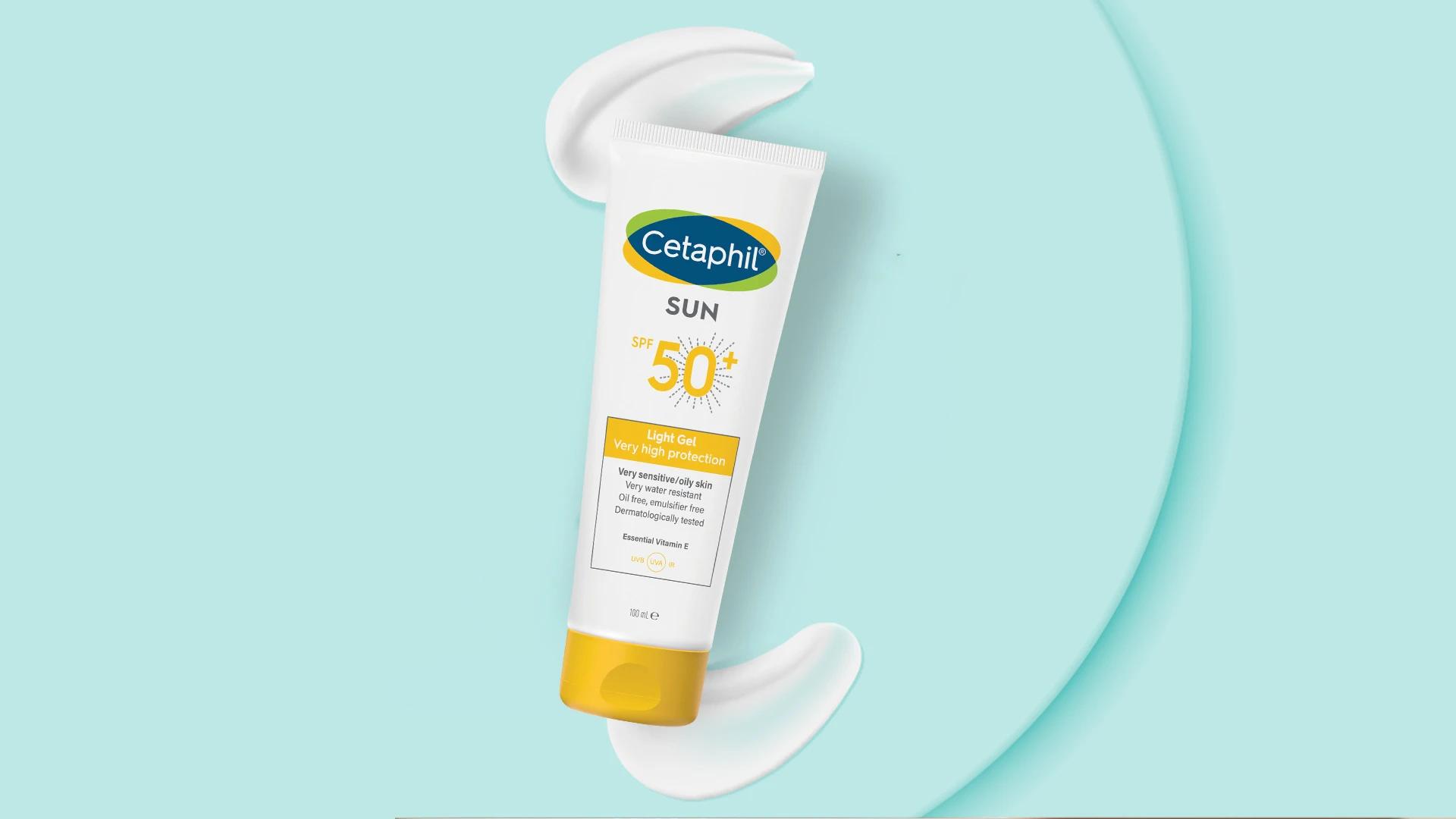
Sun Spf 50+ Light Gel
Good Product for Skin Protection
4“a very good product works on protecting your skin”
Good for Sensitive Skin
5“Good product for sensitive skin”
Good for Sensitive Skin
5“Good product for sensitive skin”
Recent research has raised questions about certain sunscreen ingredients, particularly regarding their absorption into the bloodstream. However, dermatologists continue to emphasise that the benefits of sun protection far outweigh potential risks, especially when products are used as directed.
Your skin type plays a crucial role in determining which sunscreen for face will work best for your daily routine. The beauty of modern chemical sunscreens lies in their versatility—there's truly a formula for everyone.
Different skin types have unique needs when it comes to texture, finish, and additional benefits from their daily sunscreen.
Look for oil-free, non-comedogenic formulas that won't clog pores. Many best chemical sunscreen options for oily skin include mattifying ingredients that help control shine throughout the day.
Sensitive skin types should seek fragrance-free formulas with gentle chemical filters. Some people find certain UV filters irritating, so patch testing new products becomes essential.
Chemical sunscreens for dry skin often include moisturising ingredients like hyaluronic acid or ceramides, providing hydration alongside protection. These multi-tasking formulas streamline your morning routine.
Proper application technique can make or break your sun damage prevention efforts. Even the most advanced chemical sunscreen SPF 50 won't perform optimally if applied incorrectly.
The key to maximising sunscreen benefits lies in consistent, generous application and strategic reapplication throughout the day.
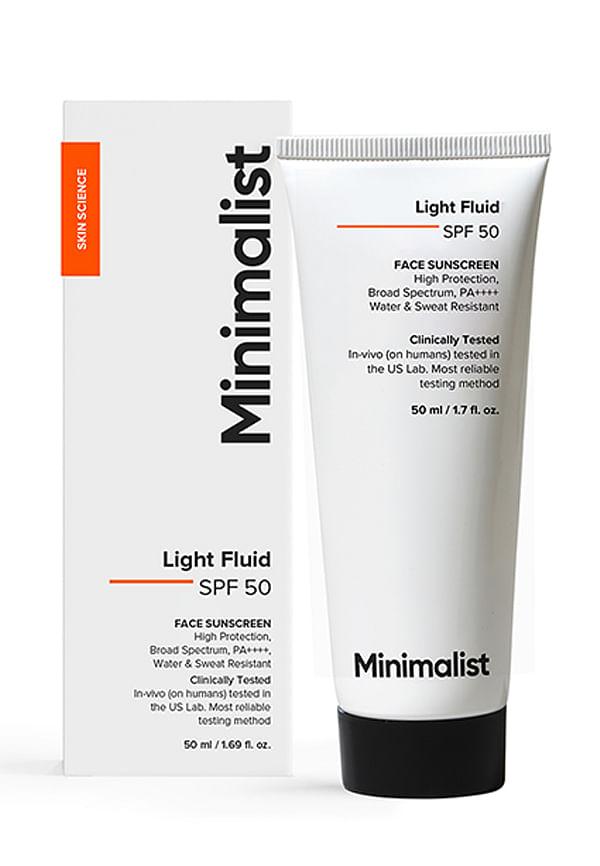
Light Fluid SPF 50 Face Sunscreen
Very Nice Product
4“very nice product... excellent”
Superb Product for Cost
5“superb product for this cost 👌”
Loved the product
5“I used this product and I just love this one”
Apply sunscreen 15-30 minutes before sun exposure to allow chemical filters time to absorb properly. Use approximately 1/4 teaspoon for your face and neck—most people apply far less than this recommended amount.
Reapply every two hours, or immediately after swimming, sweating, or towelling off. For daily sunscreen use under makeup, consider powder sunscreens or setting sprays with SPF for touch-ups.
Apply sunscreen as the final step in your morning skincare routine, after moisturiser but before makeup. Allow each layer to absorb fully before applying the next product.
Understanding the differences between SPF levels helps you make informed decisions about your sun protection needs. While sunscreen SPF 50 offers excellent protection, it's worth considering when this level is necessary versus other options.
The relationship between SPF numbers and actual protection isn't linear, making it important to understand what each level truly offers.
SPF 30 blocks about 97% of UVB rays, whilst SPF 50 blocks 98%. This seemingly small difference translates to significantly longer protection time—SPF 50 theoretically allows you to stay in the sun 50 times longer than you could without protection.
SPF 50 becomes particularly valuable for extended outdoor activities, fair skin types, or when you're at higher altitudes where UV exposure intensifies. It's also beneficial for those who tend to apply sunscreen too thinly.
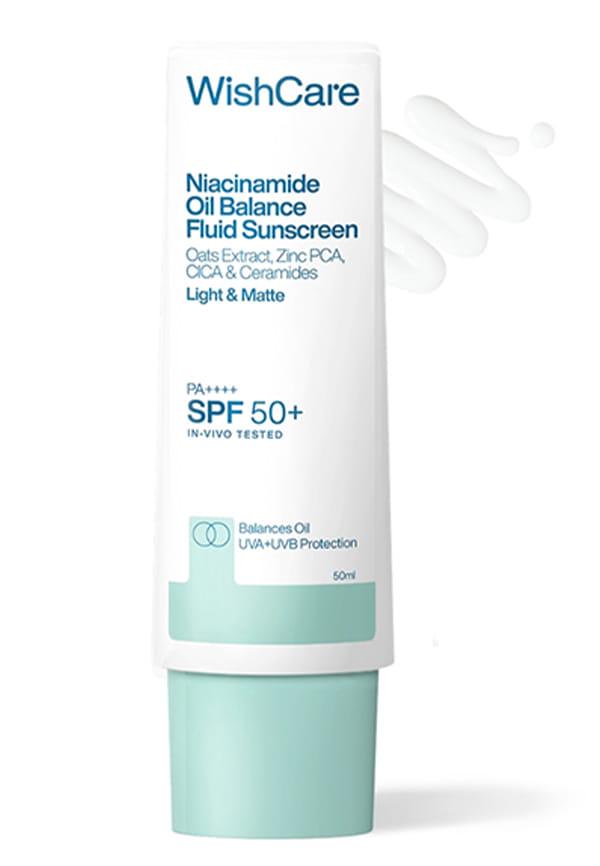
Niacinamide Oil Balance Sunscreen SPF 50 PA++++ - In-Vivo Tested
Easy Application & Smooth Texture
4“it glides easy when I apply it smooth texture”
Superb, Lightweight Sunscreen
5“superb sunscreen with light weight”
Excellent Sunscreen with Application Tip
5“Its a very good Sunscreen... will give a glow in yoir face.... but wait for a few minutes after applying the moisturizer...then you can apply the Sunscreen. Otherwise your face will get oily... Makes your skin fresh and plump.... just go for it... 🤌🏼💗”
Beach days, hiking, or outdoor sports warrant SPF 50 protection, whilst daily commuting might be adequately covered with SPF 30. Consider your lifestyle and exposure patterns when choosing your go-to formula.
Platforms like Smytten make it easier to discover your perfect sunscreen match through trial-sized products from trusted brands. With access to over 1,500 brands including skincare favourites like Cetaphil and Dot & Key, you can explore different chemical sunscreen SPF 50 options without committing to full-size purchases. This approach lets you test how different formulas work with your skin type and daily routine, ensuring you find your ideal sun protection companion.
The best chemical sunscreen depends on your skin type and preferences. Look for broad spectrum protection, water resistance if needed, and ingredients that suit your skin's sensitivity level. Popular options include formulas with avobenzone and octinoxate combinations for comprehensive UV protection.
Chemical sunscreens often feel lighter and blend more easily into skin, making them ideal for daily sunscreen use. They're particularly good for darker skin tones as they don't leave white residue. However, mineral sunscreens might be better for very sensitive skin or immediate protection needs.
Reapply every two hours for optimal sun damage prevention, or immediately after swimming, sweating heavily, or towelling off. For daily wear, reapplication becomes crucial if you're spending extended time outdoors or near windows.
Absolutely! Many chemical sunscreens are designed to work beautifully under makeup. Choose lightweight, fast-absorbing formulas and allow proper drying time between application and makeup. Some formulas even include primers to create a smooth base.
Most people tolerate chemical UV filters well, but some may experience irritation or allergic reactions. Common culprits include oxybenzone and octinoxate. If you have sensitive skin, patch test new products and consider formulas with newer, gentler chemical filters.
Choosing the right chemical sunscreen SPF 50 doesn't have to be overwhelming when you understand what to look for. Focus on broad spectrum protection, ingredients that suit your skin type, and formulas that you'll actually want to use daily. Remember, the best sunscreen is the one you'll apply consistently.
With Smytten's trial platform, you can explore various sunscreen options from over 1,500 trusted brands without the commitment of full-size purchases. Get up to 8 trial minis for just ₹249, plus enjoy 100% cashback redeemable for future orders. This makes finding your perfect sun protection match both affordable and risk-free. After all, why settle for maybe when you can try different formulas and discover what truly works for your skin? Your future self will thank you for taking sun protection seriously today.
