Ceramides vs Peptides for Skin Barrier: Your Questions Answered


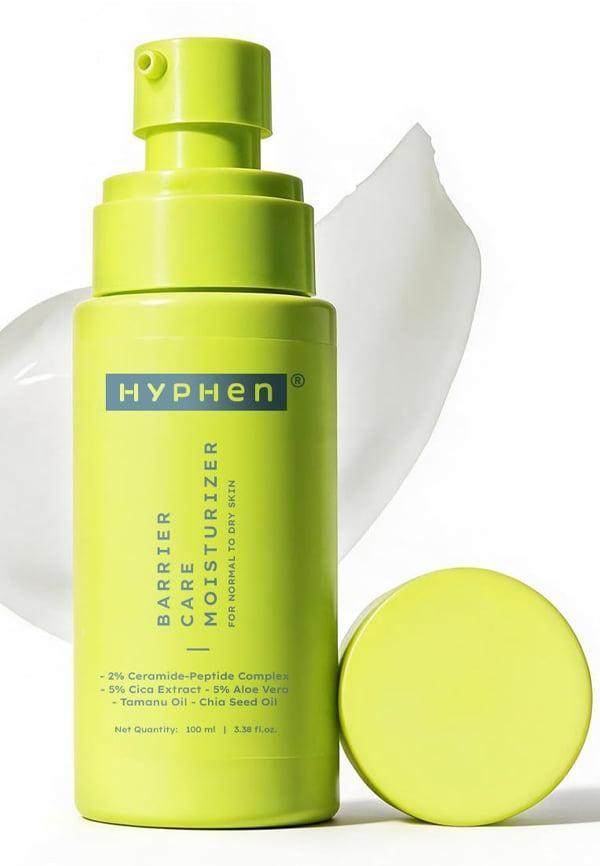
2% Ceramide-Peptide Complex Barrier Repair Moisturizer-Dry Skin
Your skin barrier is having a moment, and rightfully so. Between the endless scroll of skincare advice and the growing awareness of barrier health, two ingredients keep popping up in conversations: ceramides and peptides. Both promise to strengthen your skin's protective layer, but they work in completely different ways. If you've ever stood in the skincare aisle wondering whether to reach for that ceramide-rich moisturiser or the peptide serum, you're not alone. The truth is, understanding how these powerhouse ingredients actually function can transform your entire approach to skincare. Whether you're dealing with dehydration, sensitivity, or simply want to future-proof your skin, knowing the difference between ceramides vs peptides for skin barrier repair is essential. With platforms like Smytten making it easier to trial different formulations before committing to full sizes, there's never been a better time to experiment and find what truly works for your unique skin needs.
TL;DR
Ceramides act as immediate barrier repair agents, sealing moisture and preventing water loss
Peptides work as cellular messengers, stimulating long-term collagen production and skin renewal
Ceramides are ideal for dry, sensitive, or compromised skin needing instant relief
Peptides excel at addressing ageing concerns and improving skin texture over time
Both ingredients can be used together for comprehensive barrier support and anti-ageing benefits
Think of your skin barrier as your body's first line of defence—a sophisticated security system that keeps the good stuff in and the bad stuff out. This protective layer, scientifically known as the stratum corneum, consists of skin cells held together by lipids, creating what dermatologists often describe as a "brick and mortar" structure. When this barrier functions properly, your skin feels comfortable, looks healthy, and maintains optimal hydration levels.
However, modern life has a way of compromising this delicate system. Air conditioning, harsh weather, over-cleansing, and even stress can disrupt your barrier function, leading to telltale signs like tightness, flakiness, increased sensitivity, or that uncomfortable feeling after washing your face. You might notice your usual products suddenly stinging, or your skin feeling perpetually thirsty no matter how much moisturiser you apply.
Ceramides are naturally occurring lipids that make up about 50% of your skin's barrier composition. Think of them as the mortar between the bricks—they literally hold your skin cells together and prevent moisture from escaping. There are twelve different types of ceramides in human skin, each playing a specific role in maintaining barrier integrity and hydration.
When you apply ceramide-rich products, you're essentially replenishing what your skin naturally produces but may have lost due to age, environmental damage, or harsh skincare practices. The beauty of ceramides lies in their immediate action—they get to work straight away, filling in the gaps in your barrier and creating a protective seal that prevents trans-epidermal water loss.
Research consistently shows that ceramides work by mimicking your skin's natural lipid structure. They integrate seamlessly into the existing barrier, reinforcing weak spots and restoring the skin's ability to retain moisture. This is particularly beneficial for those with conditions like eczema or dermatitis, where ceramide levels are naturally lower.
Clinical studies demonstrate that topical ceramides can increase skin hydration by up to 40% within just a few hours of application. They're particularly effective when combined with other barrier-supporting ingredients like cholesterol and fatty acids, which naturally occur alongside ceramides in healthy skin.
Peptides are short chains of amino acids that act as messengers in your skin, telling cells what to do and when to do it. Unlike ceramides, which provide immediate structural support, peptides work on a deeper level, influencing cellular behaviour and encouraging your skin to produce more of what it needs for optimal health.
There are several types of peptides used in skincare, each with specific functions. Signal peptides communicate with cells to boost collagen and elastin production, carrier peptides deliver minerals to the skin, and neurotransmitter peptides can help relax facial muscles. This diverse functionality makes peptides incredibly versatile ingredients for addressing multiple skin concerns simultaneously.
Signal peptides, like palmitoyl pentapeptide-4, are perhaps the most well-known, as they directly stimulate collagen synthesis. Carrier peptides, such as copper peptides, help transport beneficial minerals to where they're needed most. Neurotransmitter peptides work differently, helping to reduce the appearance of expression lines by gently relaxing muscle contractions.
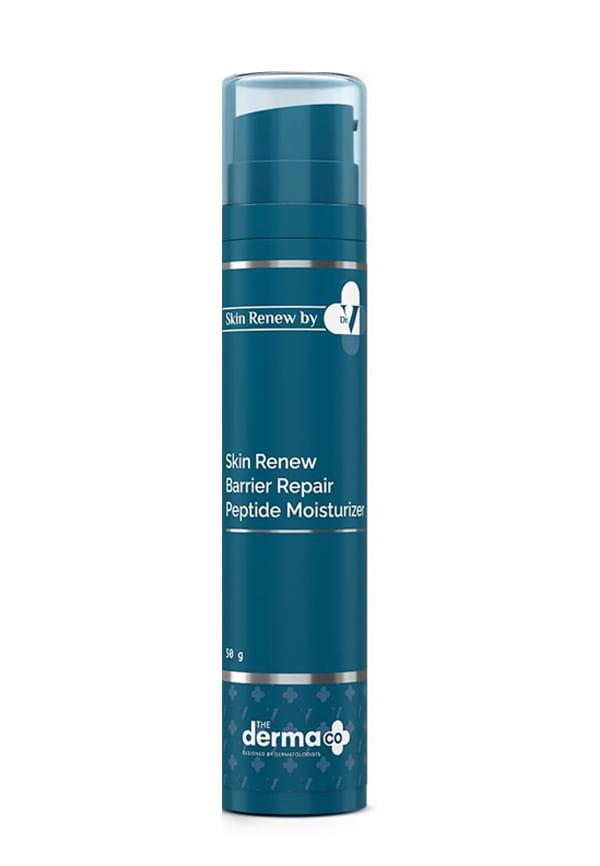
Skin Renew Barrier Repair Peptide Moisturizer with Peptide & Vitamin C
Great Packaging, Complete Order
 5
5“amazing packaging. received complete product as promised. excited to use it and see results.”
Great Packaging, Complete Order
5“amazing packaging. received complete product as promised. excited to use it and see results.”
Loved the Moisturizer
5“I love this moisturizer 🧴 very good”
Studies show that consistent peptide use can improve skin firmness by up to 20% over 12 weeks. The key word here is "consistent"—peptides require patience and regular use to deliver their full benefits, as they're working to rebuild and strengthen your skin from within.
The fundamental difference between ceramides and peptides lies in their mechanism of action and timeline for results. Ceramides provide immediate barrier repair and moisture retention, whilst peptides focus on long-term cellular communication and renewal. Understanding these distinctions helps you choose the right ingredient for your specific skin concerns and expectations.
When it comes to addressing barrier function specifically, ceramides take the lead for immediate relief. They're like a quick patch for damaged skin, providing instant comfort and protection. Peptides, on the other hand, are more like personal trainers for your skin cells, encouraging them to work harder and produce better results over time.
Ceramides work by physically filling gaps in your skin barrier, creating an immediate protective seal. They don't require cellular uptake or complex biochemical processes—they simply integrate into your existing lipid structure. Peptides, conversely, must penetrate the skin and interact with cellular receptors to trigger specific responses, making their action more complex but potentially more transformative.
With ceramides, you might notice improved comfort and hydration within hours of application. Your skin feels less tight, appears plumper, and shows reduced signs of irritation relatively quickly. Peptide benefits typically become apparent after 4-6 weeks of consistent use, with optimal results often seen after 12 weeks.
Ceramides suit virtually all skin types, but they're particularly beneficial for dry, sensitive, or compromised skin. They're gentle enough for reactive skin and effective enough for severely dehydrated conditions. Peptides work well for most skin types but show the most dramatic results on mature skin or skin showing early signs of ageing.
Product | Key Ingredients | Best For | Price Range | Skin Type |
|---|---|---|---|---|
Dot & Key Ceramides & Hyaluronic Barrier Repair Moisturizer | Ceramides, Hyaluronic Acid | Barrier repair, sensitive skin | ₹400-600 | All types, especially sensitive |
Foxtale Nourishing Ceramide Moisturiser | 3 Ceramides, Kokum Butter | 72-hour hydration | ₹500-700 | Dry, normal |
Pilgrim Red Vine Face Serum | Peptides, Hyaluronic Acid | Anti-ageing, firmness | ₹600-800 | Mature, normal, dry |
Hyphen 10% Peptide with Copper Peptide Face Serum | Peptides, Copper Peptides | Elasticity, early ageing | ₹800-1000 | Mature skin |
Minimalist Ceramides 0.3% Moisturizer | Ceramides, Madecassoside | Barrier repair, soothing | ₹300-500 | Dry, sensitive, combination |
Absolutely, and in many cases, combining ceramides and peptides creates a synergistic effect that addresses both immediate and long-term skin needs. This combination approach allows you to enjoy the instant comfort and protection of ceramides whilst building stronger, more resilient skin through peptide action.
The key to successful combination lies in understanding application order and timing. Generally, you'll want to apply peptide serums first, allowing them to penetrate and communicate with your skin cells, followed by ceramide-rich moisturisers that seal in the treatment and provide barrier protection.
When used together, ceramides and peptides complement each other beautifully. Ceramides create an optimal environment for peptide absorption by maintaining proper hydration levels, whilst peptides encourage the skin to produce more of its own ceramides over time. This creates a positive feedback loop that strengthens barrier function from multiple angles.
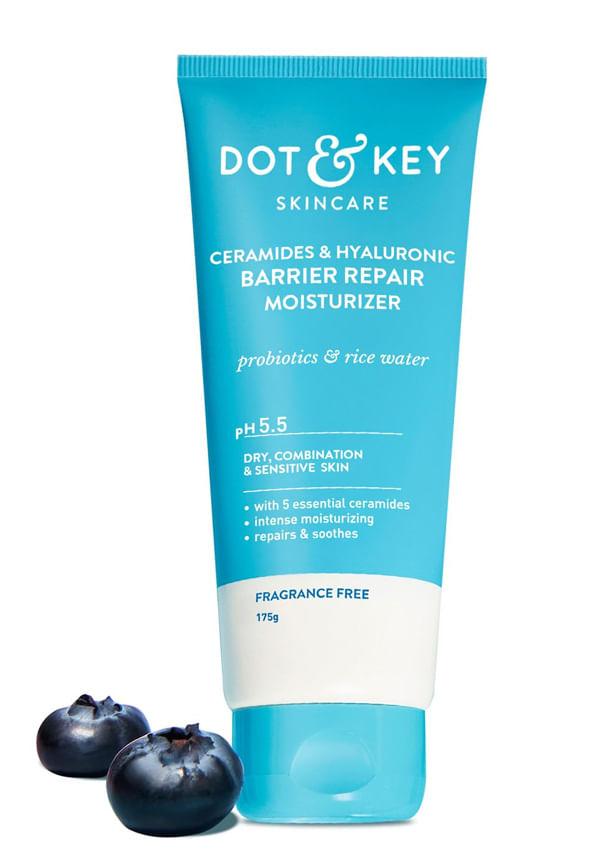
Ceramides & Hyaluronic Barrier Repair Moisturizer
Great Moisturizer, Suits Skin
5“great moisturizer loved it suits my skin”
Great Moisturizer, Suits Skin
5“great moisturizer loved it suits my skin”
Good & Similar Product
5“Good product, best product and very similar product”
Start with clean skin, apply your peptide serum and allow it to absorb for 2-3 minutes, then follow with a ceramide-rich moisturiser. If you're using both morning and evening, consider using peptides at night when cellular repair is most active, and ceramides during the day for protection.
The choice between ceramides and peptides—or the decision to use both—depends largely on your current skin condition, concerns, and goals. Understanding your skin's immediate needs versus long-term aspirations helps guide this decision effectively.
If you're dealing with acute barrier damage, sensitivity, or dehydration, ceramides should be your first port of call. They provide the immediate relief and protection your skin needs to heal and recover. For those focused on prevention, anti-ageing, or improving skin texture and firmness, peptides offer the cellular communication necessary for long-term improvement.
Choose ceramides when your skin feels tight after cleansing, shows visible flakiness, reacts to products that previously caused no issues, or appears dull and lacklustre. They're also essential during harsh weather conditions, after professional treatments, or when recovering from over-exfoliation.
Peptides become the priority when you notice loss of firmness, increased fine lines, uneven texture, or simply want to maintain youthful skin function. They're particularly valuable for those in their late twenties and beyond who want to be proactive about ageing prevention.
Look for ceramide products that list specific types (like Ceramide NP, AP, or EOP) rather than just "ceramides." For peptides, seek out products with clinically studied concentrations and stable formulations. The Derma Co.'s Skin Renew Barrier Repair Peptide Moisturizer combines both approaches, offering peptide benefits alongside barrier support for comprehensive skin care.
Even with the best intentions, certain skincare habits can undermine your barrier repair efforts. Over-cleansing remains one of the biggest culprits—using harsh surfactants or cleansing too frequently strips away the very lipids you're trying to replenish with ceramide products.
Environmental factors also play a significant role in barrier disruption. Air conditioning, heating systems, and pollution constantly challenge your skin's protective layer. Additionally, mixing too many active ingredients without proper barrier support can lead to irritation and further compromise your skin's natural defences.
Aggressive exfoliation, whether physical or chemical, can disrupt the careful balance of your skin barrier. Using products with high concentrations of actives without adequate hydration and barrier support creates a cycle of damage and sensitivity that's difficult to break.
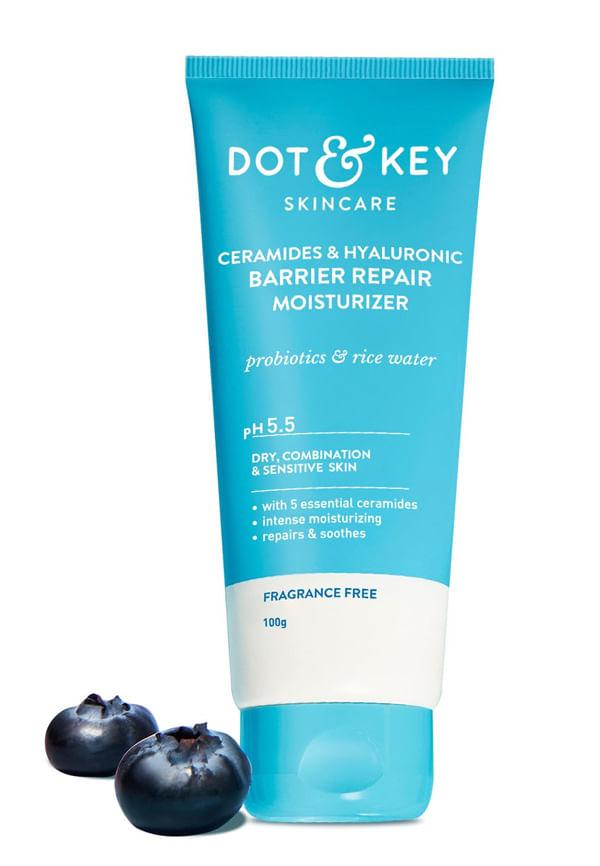
Ceramides & Hyaluronic Barrier Repair Moisturizer
Happy with product
5“iam so happy l love this product”
Nice Moisturizer, Good Purchase
5“nice moisturizer. good purchase”
Effective moisturizer for skin barrier
5“A really good moisturizer to heal the skin barrier.”
Barrier repair typically takes 2-4 weeks with consistent use of appropriate products. During this time, your skin may feel more sensitive than usual—this is normal and indicates that your barrier is rebuilding. Patience and gentle care during this period are essential for successful recovery.
The answer depends on your specific skin concerns and goals. If you're dealing with dryness, sensitivity, or barrier damage, ceramides provide immediate relief and protection. For anti-ageing concerns, loss of firmness, or preventative care, peptides offer long-term cellular benefits. Many people benefit from using both ingredients in their routine for comprehensive skin support.
Yes, ceramides are clinically proven to repair and strengthen compromised skin barriers. They work by replenishing the natural lipids that hold skin cells together, immediately improving the barrier's ability to retain moisture and protect against environmental damage. Studies show significant improvement in barrier function within hours of application.
Absolutely. Ceramides and peptides work through different mechanisms and complement each other well. Apply peptide serums first to allow cellular communication, then follow with ceramide-rich moisturisers for barrier protection. This combination addresses both immediate comfort and long-term skin health. Many users find this approach more effective than using either ingredient alone.
Several factors deplete natural ceramide levels: ageing (ceramide production decreases by about 40% by age 40), harsh cleansing, over-exfoliation, environmental stressors like pollution and UV exposure, and certain medical conditions. Lifestyle factors such as poor sleep, stress, and inadequate nutrition can also impact ceramide synthesis.
Ceramides typically provide immediate comfort and visible hydration improvements within hours to days. Full barrier repair usually takes 2-4 weeks of consistent use. Peptides require more patience—initial improvements may be noticed after 4-6 weeks, with optimal results appearing after 12 weeks of regular use. The key is consistency and using products with appropriate concentrations.
Not necessarily. While quality formulations matter, price doesn't always indicate effectiveness. Look for products with disclosed concentrations, stable packaging, and clinically studied ingredients rather than focusing solely on price. Platforms like Smytten allow you to trial different formulations affordably, helping you find effective products that suit your budget and skin needs.
Understanding the difference between ceramides vs peptides for skin barrier repair empowers you to make informed decisions about your skincare routine. Ceramides excel at immediate barrier repair and moisture retention, making them essential for dry, sensitive, or compromised skin. Peptides focus on long-term cellular communication and renewal, offering anti-ageing benefits and improved skin texture over time.
The most effective approach often involves using both ingredients strategically—peptides for long-term skin improvement and ceramides for daily barrier protection and comfort. Remember that barrier repair takes time and consistency, typically showing full results after 2-4 weeks of dedicated care.
Choose ceramides when dealing with immediate barrier concerns like dryness, sensitivity, or irritation. Opt for peptides when focusing on anti-ageing, firmness, or preventative care. Most importantly, listen to your skin's needs and adjust your routine accordingly, as these needs may change with seasons, age, and life circumstances.
Finding the right balance between ceramides and peptides for your skin barrier doesn't have to involve expensive trial and error. Smytten, India's largest product discovery and trial platform, connects you with over 2,400 trusted brands including Cetaphil, Dot & Key, and Minimalist, allowing you to explore ceramide and peptide formulations through curated trial packs before committing to full sizes. With up to 10 trial points for just ₹279 and 100% cashback on trials redeemable for future purchases, you can confidently experiment with different barrier repair ingredients. Whether you're trying The Derma Co.'s peptide moisturiser or Foxtale's ceramide formulations, Smytten's authentic, brand-verified minis let you discover what truly works for your skin. With over 28 million users trusting the platform for smarter skincare choices, you can explore endless options without settling for 'maybe'—because when it comes to your skin barrier, why settle when you can #TryItAll!
