Ceramides vs Hyaluronic Acid: Which Hydrates Better?

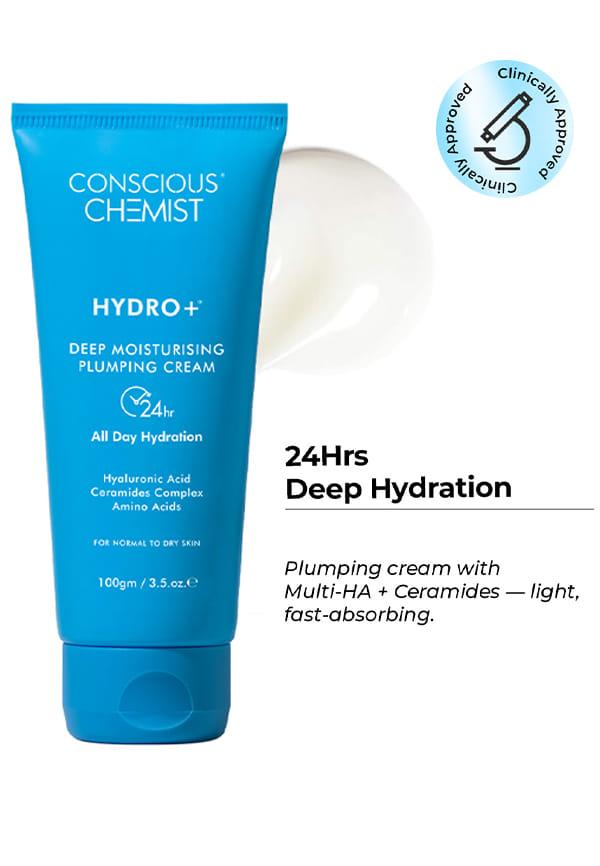
Hyaluronic Acid Lightweight Gel Cream with Ceramides
Deeply Hydrated Dry Skin
 5
5“deeply hydrated my dry skin , just go for it”
Deeply Hydrated Dry Skin
5“deeply hydrated my dry skin , just go for it”
Good Product, Good Hydration
5“Such a good product Good Hydration”
Let's be real—skincare can feel like a chemistry class sometimes. Two ingredients that constantly pop up in conversations about hydration are ceramides and hyaluronic acid. Both promise to keep your skin plump and happy, but they work in completely different ways. If you've ever wondered which one deserves a spot in your routine (or whether you need both), you're in the right place. This ceramides vs hyaluronic acid comparison will break down exactly how each ingredient works, which hydrates better for your specific skin type, and how to make the smartest choice for your skincare goals.
Before diving into the ceramides vs hyaluronic acid comparison, let's get clear on what these skincare ingredients actually do. Think of your skin as a brick wall—ceramides are the mortar holding everything together, while hyaluronic acid is like a moisture magnet that pulls water from wherever it can find it.
Ceramides are natural lipids that make up about 50% of your skin barrier. They're basically the glue that keeps your skin cells together, creating a protective seal that prevents water from escaping. When your ceramide levels drop (thanks to age, harsh weather, or over-cleansing), your skin barrier gets compromised, leading to dryness, irritation, and that tight feeling we all hate.
Hyaluronic acid is a humectant that can hold up to 1,000 times its weight in water. It works by pulling moisture from the environment and deeper layers of your skin to the surface, creating that instant plumping effect. Your skin naturally produces hyaluronic acid, but production slows down as you age, which is why it's become such a popular anti-aging skincare ingredient.
The main difference? Ceramides focus on keeping moisture in, while hyaluronic acid focuses on pulling moisture to your skin. Ceramides work like a protective barrier, preventing transepidermal water loss, whilst hyaluronic acid acts like a moisture sponge, attracting water from wherever it can find it.
Now for the big question—which ingredient actually hydrates better? The answer isn't straightforward because they tackle skin hydration from different angles. Let's break down how each performs in key areas.
Hyaluronic acid gives you that instant gratification—your skin looks plumper and dewier within minutes of application. But here's the catch: if you live in a dry climate or use it without a proper face moisturizer on top, it can actually pull moisture from your skin instead of the air. Ceramides work more slowly but provide lasting results by strengthening your skin barrier over time.
This is where ceramides really shine. They're essential for maintaining and repairing your skin barrier, which is crucial for overall skin health. A strong barrier means better moisture retention, less sensitivity, and improved protection against environmental damage. Hyaluronic acid supports hydration but doesn't actually repair barrier damage.
Ceramides are the clear winner when it comes to preventing moisture loss. They create a protective seal that keeps water locked in your skin. Hyaluronic acid, whilst excellent at attracting moisture, depends heavily on environmental humidity and needs to be sealed in with other ingredients to prevent it from evaporating.
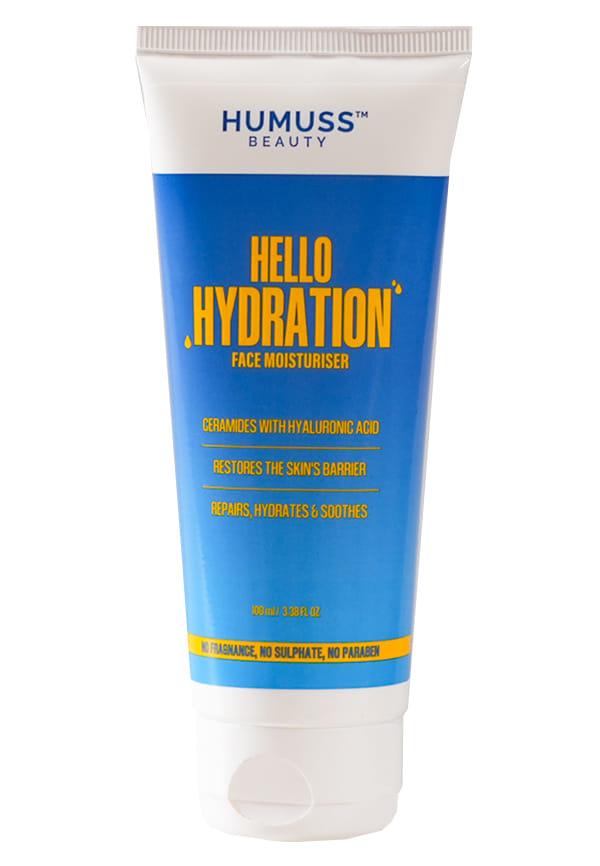
Hello Hydration' Barrier Repair Ceramides & Hyaluronic Acid Face Moisturiser
Your skin type and specific concerns should guide your choice between these ingredients. Let's explore which works better for different situations.
If you have dry skin, ceramides are probably your best friend. Dry skin often means a compromised barrier that's letting moisture escape faster than you can replace it. Ceramides help repair this barrier and prevent further water loss. Hyaluronic acid can help, but only if you layer it under a ceramide-rich moisturiser.
For sensitive skin or eczema treatment, ceramides are generally the safer choice. They're naturally found in your skin and rarely cause irritation. Some people find that hyaluronic acid can cause sensitivity, especially if they have very reactive skin. Dermatologists often recommend ceramide-rich products for managing eczema and other inflammatory skin conditions.
Both ingredients can help with anti-aging skincare, but in different ways. Hyaluronic acid provides immediate plumping effects that can temporarily reduce the appearance of fine lines. Ceramides support long-term skin health by maintaining barrier function, which becomes increasingly important as you age and your natural ceramide production decreases.
If you have oily skin, you might prefer hyaluronic acid for its lightweight feel. It provides hydration without adding heaviness or potentially clogging pores. However, don't completely skip ceramides—even oily skin needs barrier support, especially if you use active ingredients like retinoids or acids.
Plot twist—you don't actually have to choose between these skincare ingredients. Using them together often gives you the best of both worlds, and many effective face moisturizers contain both.
Think of hyaluronic acid as bringing water to the party, whilst ceramides make sure it doesn't leave early. This combination covers both aspects of skin hydration: attracting moisture and keeping it locked in. Many users find that this approach gives them both immediate and long-lasting hydration benefits.
If you're using separate products, apply hyaluronic acid first (on slightly damp skin for better absorption), then follow with a ceramide-rich moisturiser. This layering technique ensures the hyaluronic acid has moisture to work with, whilst the ceramides seal everything in.
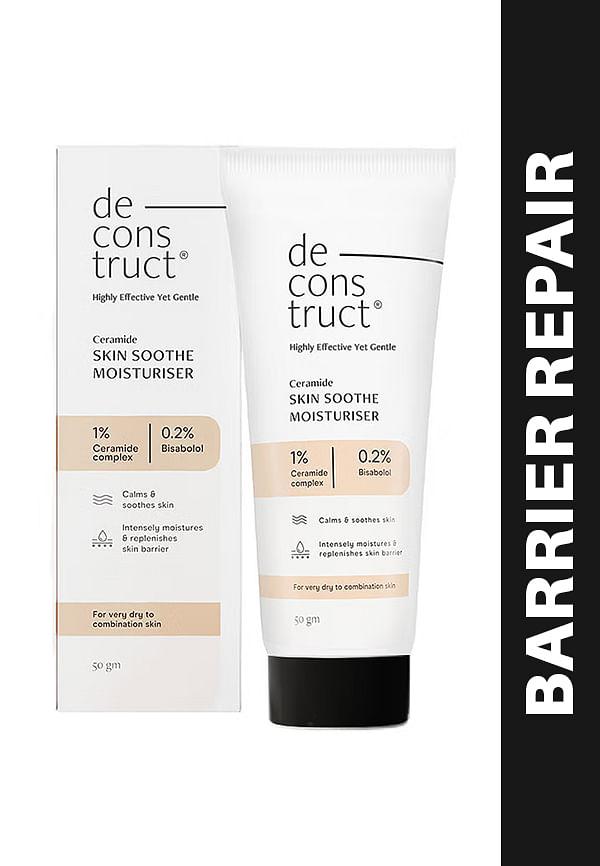
Skin Soothe Moisturizer- 1% Ceramides + 0.2% Bisabolol
Good for Sensitive Skin
4“my skin type is sensitive and this moisturizer suits me”
Excellent for Combination Skin
5“it's really moisturizing...as I have combination skin cheeks and around the lips are gets really dry while the t zone gets oily...this moisturizer is the best one I've used”
Very good product
5“it is a.very.good.product u should use it”
Look for products that combine both ingredients in one formula—this takes the guesswork out of layering and ensures optimal ratios. Many brands now offer moisturisers that feature both ceramides and hyaluronic acid, along with other complementary ingredients.
Professional opinions can help guide your decision, especially when it comes to understanding potential drawbacks and alternatives to consider.
Some dermatologists point out that hyaluronic acid can actually increase water loss from your skin if used incorrectly. In very dry climates or when applied to completely dry skin, it may pull moisture from deeper skin layers instead of the environment. This is why proper application and layering are crucial.
Whilst ceramides are excellent, other ingredients can also support barrier function. Beta-glucan, for example, has been shown to provide 20% more hydration than hyaluronic acid in some studies. Polyglutamic acid is another alternative that's reportedly four times more hydrating than hyaluronic acid.
Dermatologists often recommend adjusting your approach based on your environment. In humid climates, hyaluronic acid works brilliantly. In dry or air-conditioned environments, ceramides become more important for preventing moisture loss.
Ready to make a decision? Here's how to determine which ingredient (or combination) will work best for your unique skin needs.
Look at your skin concerns. If you experience tightness, flaking, or irritation, you likely need barrier repair (ceramides). If your skin feels fine but looks dull or lacks that plump appearance, you might benefit more from hyaluronic acid's moisture-attracting properties.
Start simple—choose one ingredient to focus on initially, then gradually introduce the other if needed. Morning routines might favour lightweight hyaluronic acid serums, whilst evening routines can handle richer ceramide creams. Remember to adjust your routine seasonally as your skin's needs change.
Hyaluronic acid results are almost immediate—you'll see plumper, dewier skin within hours. Ceramide benefits take longer, typically 2-4 weeks, as your skin barrier gradually strengthens. Don't expect overnight transformation with ceramides, but do expect lasting improvements in skin comfort and resilience.
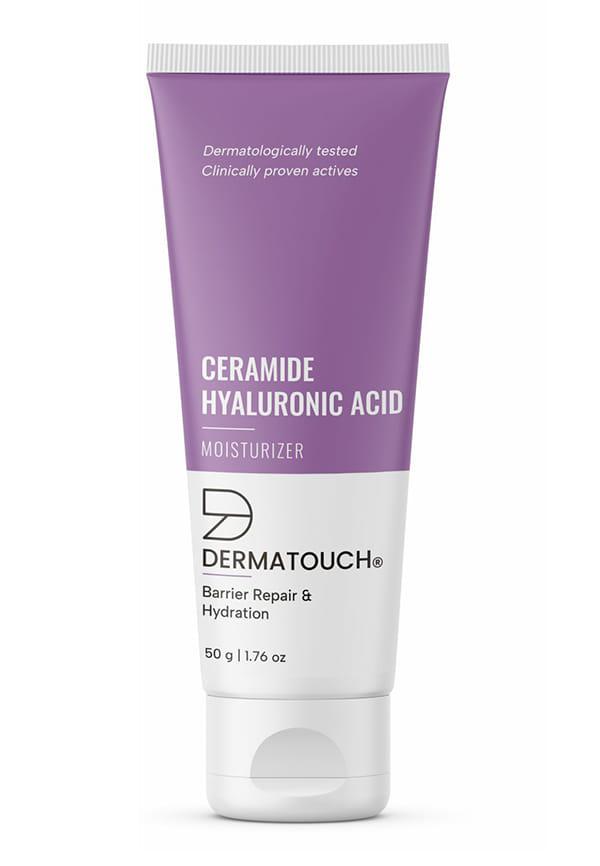
Ceramide Hyaluronic Acid Moisturizer for intense moisturization and barrier repair
Finding the right skincare ingredients for your needs doesn't have to involve expensive full-size commitments. Smytten offers curated trial packs from over 1,500 trusted brands, letting you explore different ceramide and hyaluronic acid products before deciding what works best for your skin. With trial packs available for just ₹249 and 100% cashback redeemable for future purchases, you can experiment with various formulations risk-free.
Neither is universally better—they serve different hydration needs. Hyaluronic acid provides immediate moisture attraction and plumping, whilst ceramides offer long-term barrier protection and moisture retention. The best results often come from using both ingredients together in your routine.
Absolutely! These ingredients work synergistically—hyaluronic acid pulls moisture to your skin, whilst ceramides lock it in. Apply hyaluronic acid first on damp skin, then follow with a ceramide-rich moisturiser for optimal results.
Ceramides are typically better for dry skin because they address the root cause—a compromised skin barrier that allows moisture to escape. Hyaluronic acid can help, but it needs to be sealed in with ceramides or other occlusive ingredients to prevent water loss.
Some dermatologists worry that hyaluronic acid can increase transepidermal water loss in very dry climates. When there's no environmental humidity to draw from, it may pull moisture from deeper skin layers, potentially causing dryness if not properly sealed in.
Yes, several alternatives exist. Beta-glucan provides 20% more hydration than hyaluronic acid in some studies, whilst polyglutamic acid is reportedly four times more hydrating. These ingredients also tend to be less dependent on environmental humidity.
Hyaluronic acid provides almost immediate results—you'll notice plumper, more hydrated-looking skin within hours. Ceramides work more slowly, typically taking 2-4 weeks to show significant improvements in skin barrier function and long-term hydration.
The ceramides vs hyaluronic acid comparison doesn't have to end with choosing just one. These skincare ingredients work beautifully together, each addressing different aspects of skin hydration. Hyaluronic acid gives you that instant moisture boost and plumping effect, whilst ceramides provide the long-term barrier support your skin needs to stay healthy and hydrated.
Your choice ultimately depends on your skin type, concerns, and environment. If you're dealing with barrier damage, sensitivity, or chronic dryness, ceramides should be your priority. If you want immediate hydration and plumping effects, hyaluronic acid is your go-to. But honestly? Most people benefit from incorporating both into their routine.
The beauty of modern skincare is that you don't have to commit to expensive full-size products without knowing if they'll work for you. Platforms like Smytten make it easy to try different formulations and find your perfect match. With over 25 million users and access to trusted brands like Cetaphil and Dot & Key, you can explore various ceramide and hyaluronic acid products through affordable trial packs. After all, why settle for 'maybe' when you can try it all and find what actually works for your unique skin?
