Ceramides for Skin FAQ: Your Questions Answered


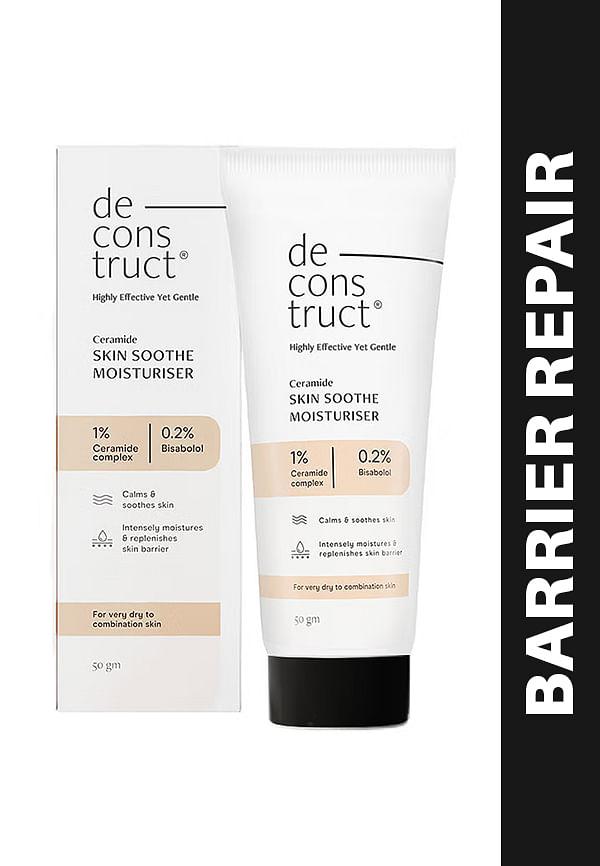
Skin Soothe Moisturizer- 1% Ceramides + 0.2% Bisabolol
Good for Sensitive Skin
 4
4“my skin type is sensitive and this moisturizer suits me”
Excellent for Combination Skin
5“it's really moisturizing...as I have combination skin cheeks and around the lips are gets really dry while the t zone gets oily...this moisturizer is the best one I've used”
Very good product
5“it is a.very.good.product u should use it”
Ever wondered why your skin feels tight, flaky, or just not quite right despite trying countless products? The answer might be simpler than you think. Your skin barrier could be crying out for ceramides—those unsung heroes that make up nearly half of your skin's protective outer layer. Think of ceramides as the glue that holds your skin cells together, creating a fortress against environmental damage while locking in precious moisture. Real talk: understanding the benefits of ceramides for skin could be the game-changer your skincare routine has been waiting for.
Let's break down what ceramides actually do for your skin. Picture your skin barrier like a brick wall—your skin cells are the bricks, and ceramides are the mortar holding everything together. This isn't just a cute analogy; it's exactly how your skin functions at a molecular level.
Ceramides form lipid bilayers that prevent transepidermal water loss (TEWL), which is basically your skin's way of saying "help, I'm losing moisture faster than I can replace it." When your ceramide levels are healthy, your skin stays plump, hydrated, and resilient. But here's the kicker—as we age, our natural ceramide production drops by up to 40% by the time we hit 40. No wonder mature skin often feels drier and more sensitive.
Clinical research consistently shows that topical ceramides can restore barrier function within just a few weeks. Studies have found that ceramide skincare products significantly improve hydration levels and reduce inflammation markers in compromised skin barriers.
Now that we've covered the science, let's dive into what ceramides can actually do for your skin. Spoiler alert: the benefits are pretty impressive.
This is where ceramides truly shine. Unlike humectants that draw moisture from the environment, ceramides work by preventing water loss in the first place. They strengthen your skin's natural barrier, creating a protective seal that keeps hydration locked in. Ceramides for dry skin are particularly effective because they address the root cause of dryness—a compromised barrier function.
Skin barrier repair is ceramides' superpower. When your barrier is damaged from over-exfoliation, harsh weather, or environmental stressors, ceramides help rebuild those crucial lipid layers. This process typically takes 2-4 weeks with consistent use, but many people notice improved comfort and reduced sensitivity within days.
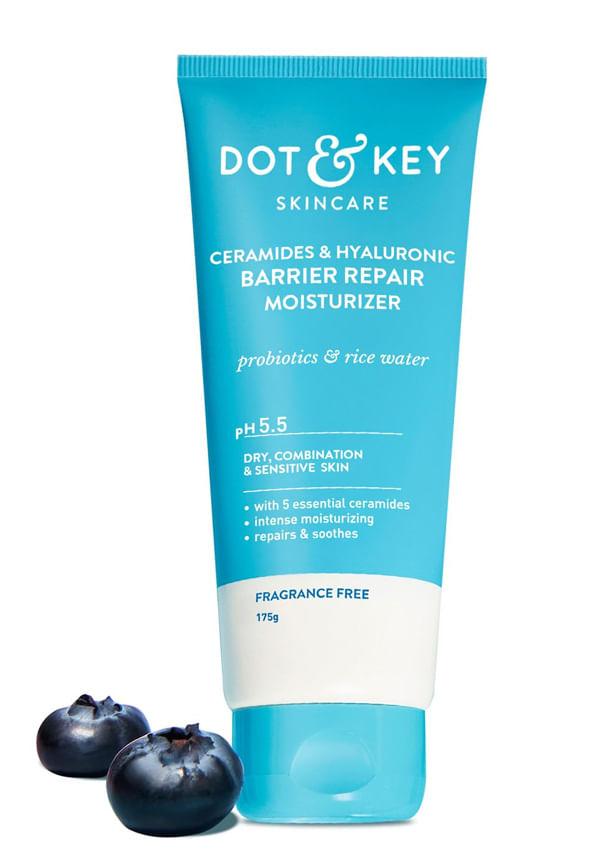
Ceramides & Hyaluronic Barrier Repair Moisturizer
Good & Similar Product
5“Good product, best product and very similar product”
Good & Similar Product
5“Good product, best product and very similar product”
Good & Similar Product
5“Good product, best product and very similar product”
Here's where ceramides and ageing intersect beautifully. By maintaining optimal hydration and barrier function, ceramides help plump fine lines and improve skin elasticity. While they won't replace your retinol, they create the perfect foundation for other anti-ageing ingredients to work more effectively.
If you're dealing with eczema, rosacea, or general sensitivity, ceramides might become your new best friend. Ceramides for eczema have been extensively studied, with research showing significant improvements in both symptoms and quality of life. They help calm inflammation by restoring the barrier that keeps irritants out.
Not all ceramides are created equal, and understanding the different types of ceramides can help you make smarter product choices. Your skin naturally produces nine different ceramides, but skincare products typically focus on a few key players.
Ceramide 1 (now called Ceramide EOS) is excellent for barrier repair, while Ceramide 3 (Ceramide NP) excels at moisture retention. Synthetic ceramides, often called pseudo-ceramides, can be just as effective as natural ones—sometimes even more stable in formulations.
The eternal skincare question: ceramide cream or ceramide serum? The answer depends on your skin type and concerns. Serums typically contain higher concentrations and penetrate deeper, making them ideal for severely compromised barriers. Creams offer more occlusive benefits and are perfect for maintaining healthy barrier function or treating very dry skin.
When shopping for ceramide products, look for concentrations between 0.1% and 5%. Higher isn't always better—ceramides work best when combined with other barrier-supporting ingredients like cholesterol and fatty acids. The best formulations mimic your skin's natural lipid profile.
Good news: ceramides are among the gentlest skincare ingredients you'll encounter. Most people can use them twice daily without any issues, making them perfect for sensitive skin types.
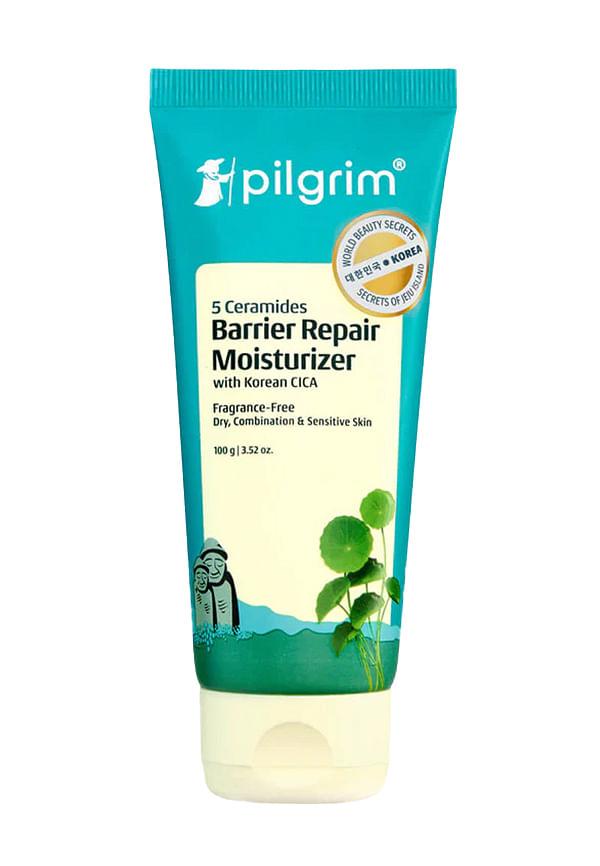
5 Ceramides Barrier Repair Moisturizer with Korean CICA Lightweight & Non-Sticky
Loved the Product
4“I really really loved the product”
Nice Product with Good Texture
5“nice product it have nice texture”
Highly Recommended Product
5“Everyone can buy it.I really enjoyed using it.You can try it once, you will like it.”
Apply ceramide products to slightly damp skin for better penetration, and always follow up with a moisturiser if you're using a serum. They play well with almost every other ingredient, including actives like retinol and acids—in fact, they can help buffer potential irritation from these stronger treatments.
Ceramides side effects are extremely rare. The most common issue is mild irritation from other ingredients in the formulation, not the ceramides themselves. If you have very sensitive skin, start with products containing lower concentrations and patch test first.
Let's settle some debates. Ceramides vs hyaluronic acid? They're actually perfect partners—hyaluronic acid draws moisture in, while ceramides prevent it from escaping. Think of them as the ultimate hydration dream team.
Ceramides vs retinol? This isn't really a fair comparison since they serve different purposes. Retinol accelerates cell turnover and stimulates collagen, while ceramides focus on barrier health. Using them together often yields better results than either alone, as ceramides help minimise retinol-related dryness and irritation.
Ceramides strengthen your facial skin's protective barrier, lock in moisture, reduce sensitivity, and create a smooth base for other skincare products. They're particularly beneficial for the delicate facial skin, which is more exposed to environmental stressors than body skin.
Absolutely! Ceramides are gentle enough for daily use, morning and evening. In fact, consistent daily use typically yields the best results for barrier repair and maintenance.

5x Hydrating Ceramide Moisturizer for Face , Micro Hyaluronic Acid & 3 Ceramides
Good Product
5“i like it. The product is very good”
Good Non-Sticky Ceramide Moisturizer
5“good ceramide moisturizer... feels non sticky..”
Light & Hydrating Formula
5“very light formula gives instant hydration”
Many people notice improved skin comfort within 3-7 days, but significant barrier repair typically takes 2-4 weeks of consistent use. For conditions like eczema, improvements may be visible within the first week.
Yes! Even oily skin needs a healthy barrier. Ceramides can actually help regulate oil production by ensuring your skin doesn't overcompensate for barrier damage. Look for lightweight, non-comedogenic formulations.
While ceramides won't dramatically reduce deep wrinkles like retinol might, they can help plump fine lines by improving hydration and barrier function. They're excellent supporting players in an anti-ageing routine.
Both can be effective. Natural ceramides are identical to those in your skin, while synthetic versions are often more stable in formulations. The key is choosing products with the right concentration and supporting ingredients.
Yes, ceramides are compatible with most other skincare ingredients. They can actually help buffer potential irritation from stronger actives, making your routine more comfortable overall.
Ceramides benefit virtually all skin types, from dry and sensitive to oily and combination. The key is choosing the right formulation—lighter textures for oily skin, richer creams for dry skin.
The benefits of ceramides for skin extend far beyond basic moisturisation. These powerhouse lipids offer a foundation for healthy, resilient skin that can better handle whatever life throws at it. Whether you're dealing with dryness, sensitivity, or simply want to maintain your skin's natural defenses, ceramides deserve a spot in your routine.
The beauty of ceramides lies in their versatility and gentleness—they're suitable for virtually everyone and play well with other ingredients. As you explore different ceramide benefits, remember that consistency is key. Your skin barrier didn't become compromised overnight, and rebuilding it takes time and patience.
With platforms like Smytten, discovering your perfect ceramide product becomes so much easier. You can try mini versions of ceramide creams and serums from trusted brands before committing to full sizes. This trial-first approach means you can find exactly what works for your skin without the guesswork—or the waste. After all, why settle for maybe when you can try it all and find your perfect ceramide match?
