Ceramides for Skin Barrier Repair in India: Your FAQ


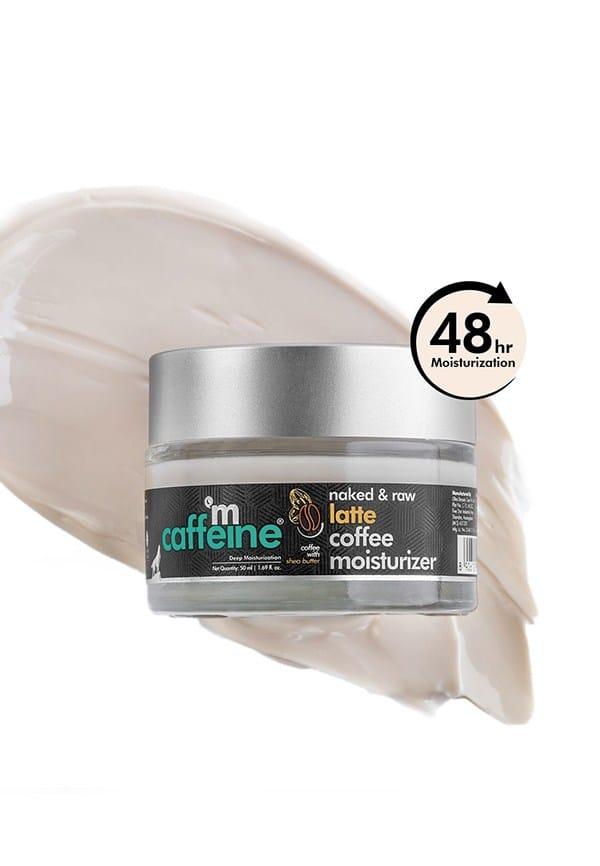
Latte Coffee Face Moisturizer with Shea Butter - Ceramide - Almond Milk
Your skin feels tight after washing your face, makeup sits patchy no matter what primer you use, and that expensive serum just seems to disappear without doing much. Sound familiar? You're likely dealing with a compromised skin barrier, and in India's challenging climate of pollution, humidity swings, and harsh sun, your skin needs all the help it can get. Ceramides might just be the missing piece in your skincare puzzle—these naturally occurring lipids work like tiny building blocks to repair and strengthen your skin's protective barrier.
Think of your skin barrier like the walls of your home. When those walls have cracks, everything from dust to moisture can get in or out where it shouldn't. Ceramides act like the mortar that fills those cracks, creating a smooth, protective surface that keeps the good stuff in and the bad stuff out.
Ceramides are naturally occurring lipids that make up about 50% of your skin's outer layer. These waxy molecules sit between your skin cells, forming a protective barrier that prevents water loss and shields against environmental damage. Your skin produces its own ceramides, but factors like age, harsh weather, and over-cleansing can deplete these essential building blocks. When ceramide levels drop, your skin barrier function weakens, leading to dryness, sensitivity, and that perpetually thirsty feeling no moisturiser seems to satisfy.
India's diverse climate zones create unique challenges for skin health. In Mumbai's humidity, your skin might feel oily on the surface but dehydrated underneath—a classic sign of barrier damage. Delhi's pollution and extreme temperature shifts between AC indoors and scorching heat outside constantly stress your skin's protective layer. During monsoons, the sudden humidity spike can disrupt your skin's natural balance, while winter months in northern regions can strip away precious ceramides faster than your skin can replace them.
Your skin has its own way of telling you when something's wrong. Persistent dryness that doesn't improve with regular moisturising, increased sensitivity to products you've used for years, or that tight, uncomfortable feeling after cleansing all point to compromised barrier function. You might notice your skin looks dull despite using brightening products, or that makeup doesn't sit as smoothly as it used to.
Real talk—ceramides aren't just another skincare buzzword. These molecules work at the cellular level to rebuild your skin's natural defences, and the results are worth the patience required to see them.
Ceramides work by restoring the lipid bilayer structure of your skin. When you apply ceramide-rich products, these molecules integrate into your existing skin barrier, filling gaps and strengthening weak spots. This process helps your skin retain moisture more effectively—studies show that ceramide treatments can reduce water loss by up to 21% within just four weeks. The strengthened barrier also becomes more resilient against irritants, pollution, and UV damage that are particularly challenging in Indian urban environments.
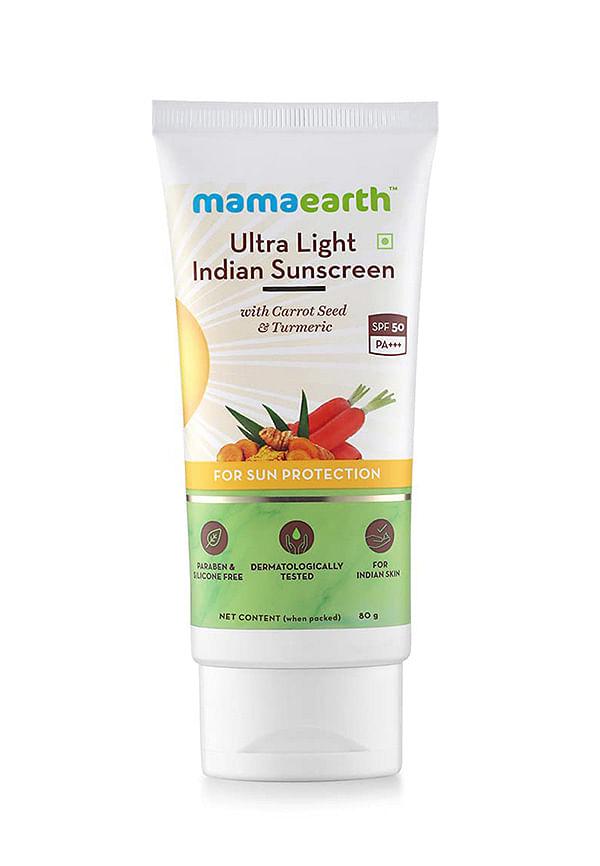
Ultra Light indian Sunscreen
Indian skin, with its natural melanin richness, has unique needs that ceramides address beautifully. Ceramides for skin repair help maintain the natural glow that can be dulled by pollution and stress. They support your skin's natural repair processes, which is particularly important for addressing post-inflammatory hyperpigmentation—a common concern for Indian skin types. Unlike some barrier repair ingredients that can feel heavy in humid climates, ceramides work well in lightweight formulations that won't clog pores or feel uncomfortable in India's varying weather conditions.
Not all ceramides are created equal, and understanding the different types can help you choose products that actually deliver results rather than just promising them.
The most effective ceramide creams for face typically contain a blend of Ceramide 1, Ceramide 3, and Ceramide 6-II. Ceramide 1 helps maintain barrier structure, Ceramide 3 supports moisture retention, and Ceramide 6-II aids in cellular renewal. Look for products that combine these with cholesterol and fatty acids—this trio mimics your skin's natural lipid composition most effectively. Synthetic ceramides, often listed as ceramide NP or ceramide AP, are just as effective as natural ones and tend to be more stable in formulations.
In India's climate, texture matters as much as ingredients. During humid months, lightweight ceramide serums or gel-creams work better than heavy creams that might feel suffocating. For dry winter months or if you're in an air-conditioned environment most of the day, richer ceramide moisturisers provide the intensive repair your skin needs. Budget-friendly options from brands like CeraVe and Cetaphil offer effective ceramide formulations, while premium lines provide additional beneficial ingredients like peptides and antioxidants.
Building a skincare routine for damaged skin barrier requires patience and the right product sequence. Your skin barrier didn't get damaged overnight, and it won't repair overnight either—but with consistent care, you'll start seeing improvements within a few weeks.
Start your morning with a gentle, non-foaming cleanser that won't strip away the ceramides your skin worked to produce overnight. Follow with a ceramide serum or lightweight moisturiser while your skin is still slightly damp—this helps lock in moisture. Always finish with broad-spectrum SPF, as UV damage is one of the fastest ways to undo barrier repair progress. In India's intense sun, this step is non-negotiable for maintaining healthy skin barrier function.
Evenings are prime time for barrier repair. If you wear makeup or sunscreen, start with an oil-based cleanser to remove these products gently, followed by your regular gentle cleanser. Apply your ceramide treatment product to slightly damp skin, then seal everything in with a more occlusive moisturiser if needed. This is also when you can incorporate overnight treatments or sleeping masks with concentrated ceramides for intensive repair.
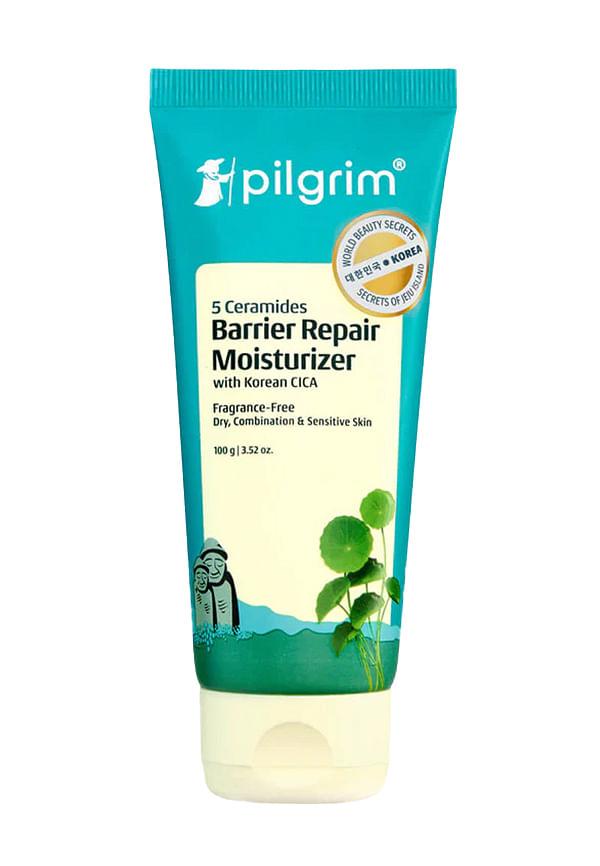
5 Ceramides Barrier Repair Moisturizer with Korean CICA Lightweight & Non-Sticky
Niacinamide pairs beautifully with ceramides, as it helps your skin produce more of its own ceramides naturally. Hyaluronic acid provides the hydration boost that ceramides can then help lock in. During the repair phase, avoid harsh actives like strong retinoids or high-concentration AHAs that might further compromise your barrier. Once your skin feels stronger and more resilient, you can gradually reintroduce these ingredients.
While topical ceramides are incredibly effective, supporting your skin's natural ceramide production creates lasting results that go beyond what any single product can achieve.
Your body produces ceramides naturally, and certain foods can support this process. Foods rich in omega-3 fatty acids, like walnuts and flax seeds, provide building blocks for ceramide synthesis. Sweet potatoes, spinach, and other foods high in vitamin D also support healthy skin barrier function. While you can't DIY actual ceramides, oils like jojoba and rosehip contain similar molecular structures that can provide some barrier support, though they're not as targeted as purpose-made ceramide products.
Small changes in your daily routine can significantly impact barrier repair. Use lukewarm water instead of hot water when cleansing—hot water strips natural oils and ceramides faster than your skin can replace them. Pat your skin dry instead of rubbing, and apply your ceramide products while your skin is still slightly damp. Avoid over-exfoliating during the repair phase, even if your skin feels rough or flaky—this is often a sign that your barrier is healing, not that you need more exfoliation.
India's climate extremes—from the dry heat of Rajasthan to the humid coastal regions—require tailored approaches to dry skin solutions India that work with local conditions rather than against them.
For severely compromised barriers, layering ceramide products can provide intensive repair. Start with a ceramide serum on damp skin, follow with a ceramide moisturiser, and seal with a few drops of facial oil if needed. During monsoons, you might need lighter layers, while winter months or air-conditioned environments call for richer formulations. The key is adjusting your routine based on how your skin feels rather than sticking rigidly to the same products year-round.
Once your skin barrier is healthy, maintaining it becomes much easier than repairing it. Daily ceramide maintenance through a good moisturiser, consistent SPF use, and gentle cleansing practices keep your barrier strong. Pay attention to seasonal changes—your skin might need more intensive ceramide support during pollution peaks or extreme weather changes. Building these habits now prevents the frustrating cycle of barrier damage and repair.
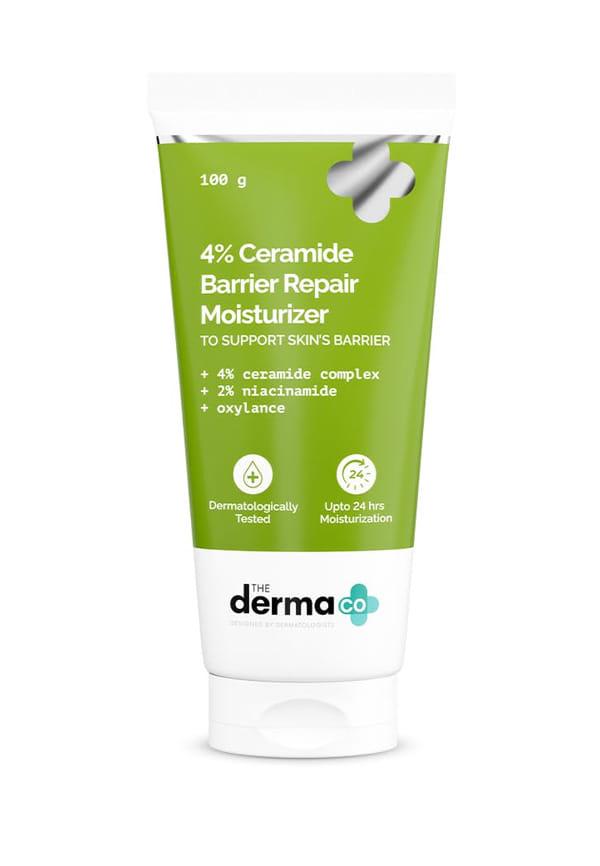
4% Ceramide Barrier Repair Moisturizer
Most people notice initial improvements within 2-4 weeks of consistent ceramide use, with significant barrier repair typically occurring over 6-8 weeks. The timeline depends on how damaged your barrier was initially, your skin type, and environmental factors. In India's challenging climate, patience is key—your skin is working against pollution, humidity changes, and UV exposure while trying to repair itself.
Yes, but timing matters. Ceramides work well with gentle actives like niacinamide and hyaluronic acid. During the initial repair phase, avoid strong actives like retinoids or high-concentration acids that might further compromise your barrier. Once your skin feels stronger, you can gradually reintroduce these ingredients, preferably on alternate nights from your ceramide treatments.
Absolutely. Even oily skin needs a healthy barrier, and compromised barriers can actually trigger excess oil production as your skin tries to compensate. Look for lightweight, gel-based ceramide formulations that won't feel heavy or clog pores. Many people with acne-prone skin find that repairing their barrier actually helps reduce breakouts over time.
Ceramides are structural components that actually rebuild barrier integrity, while ingredients like cholesterol and fatty acids support this process. Hyaluronic acid provides hydration but doesn't repair barrier structure. Ceramides are unique because they're identical to what your skin naturally produces, making them highly compatible and effective for long-term barrier health.
Your skin will feel more comfortable and look more radiant. You'll notice that products absorb better, makeup applies more smoothly, and your skin doesn't feel tight after cleansing. The persistent dryness that no moisturiser seemed to fix will gradually improve, and your skin will become less reactive to environmental changes or new products.
Yes, but choose your formulation wisely. Lightweight ceramide serums or gel moisturisers work beautifully in humid conditions. Your skin still needs barrier support during summer—in fact, AC exposure, increased cleansing due to sweat, and UV damage can all compromise your barrier even when the weather feels humid.
Understanding how ceramides help repair the skin barrier in Indian climate is about more than just adding another product to your routine—it's about giving your skin the fundamental support it needs to thrive in challenging conditions. Whether you're dealing with Delhi's pollution, Mumbai's humidity, or the dry heat of interior regions, ceramides provide the building blocks your skin needs to maintain its natural protective function.
The journey to healthier skin barrier function requires consistency and patience, but the results—smoother, more resilient skin that glows from within—are worth the commitment. Your skin will thank you for choosing ingredients that work with its natural processes rather than against them.
If you're curious about trying ceramide products but want to test them before committing to full sizes, Smytten's curated selection includes minis from trusted brands that specialise in barrier repair. With over 28 million users discovering their perfect skincare matches, it's a smart way to explore what works for your unique skin needs before making larger investments in your routine.
