Ceramides for Over-Exfoliated Skin: Your FAQ Answered

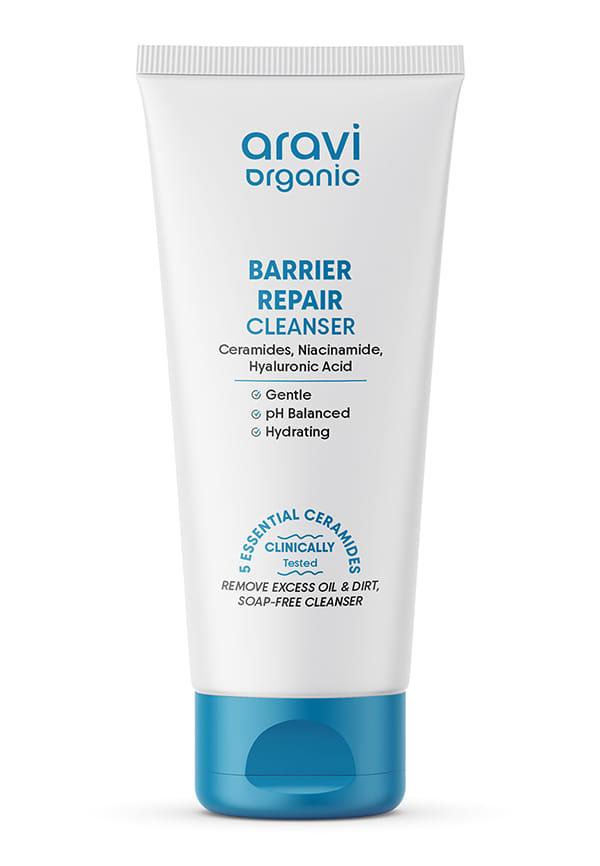
Hydrating Barrier Repair Face Wash - With Ceramide & Niacinamide
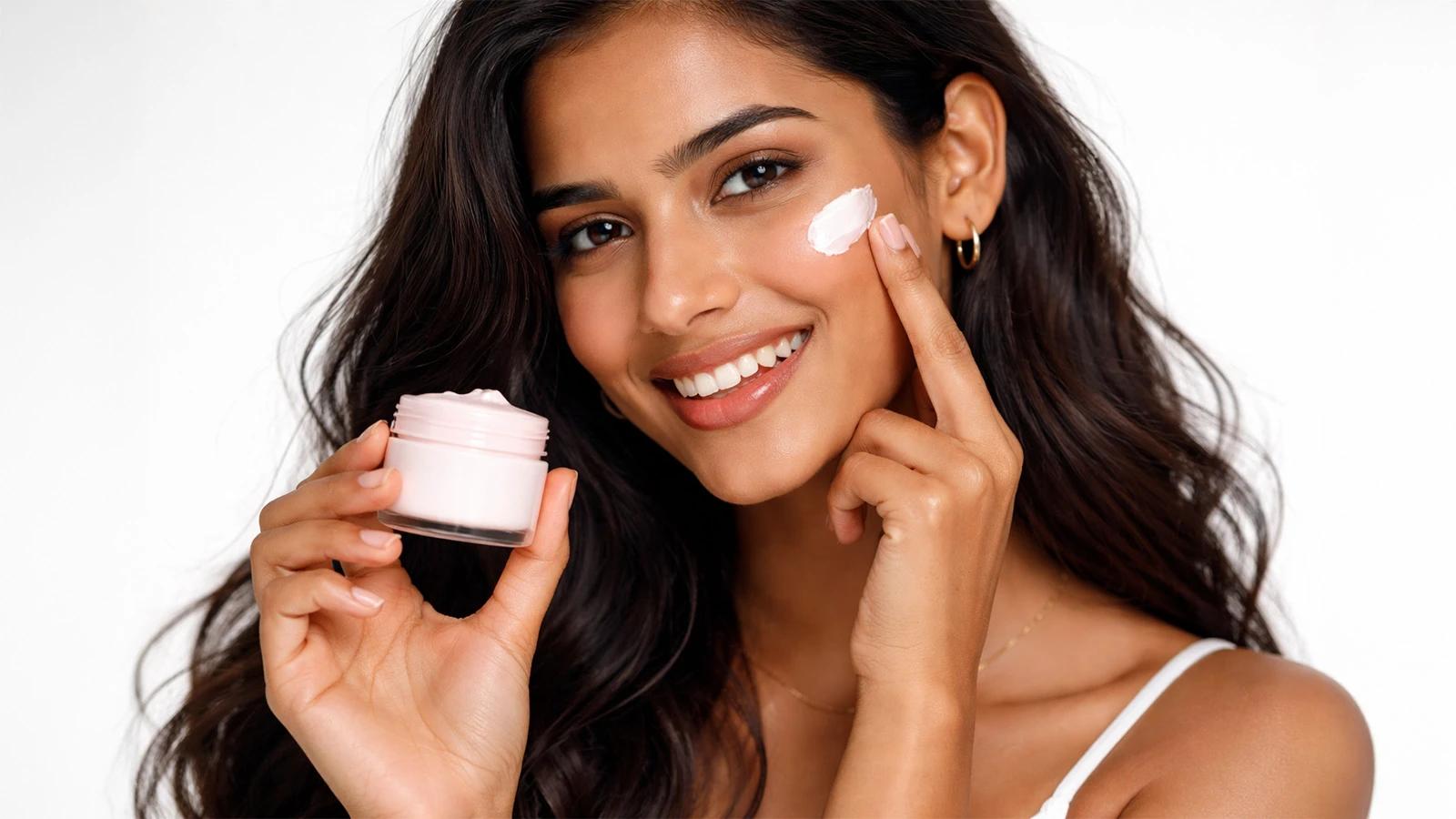
Your skin feels tight, stings when you apply moisturiser, and looks angrier than a London commute in rush hour. Sound familiar? You've likely joined the over-exfoliation club – a surprisingly common skincare mishap that leaves your skin barrier compromised and crying out for help. The good news? Ceramides are your skin's best friend when it comes to repairing the damage and getting back to that healthy, comfortable complexion you remember. Let's dive into everything you need to know about using ceramides to heal your over-exfoliated skin and restore your natural barrier.
When your skin barrier is compromised from too much exfoliation, it's essentially lost its protective shield. Think of your skin barrier like a brick wall – the skin cells are the bricks, and ceramides are part of the mortar holding everything together. Over-exfoliation strips away this protective layer, leaving your skin vulnerable and reactive.
Red irritated skin is often the first sign something's gone wrong. Your complexion might look flushed or inflamed, even when you're not using any active ingredients. You'll notice burning or stinging sensations when applying products that never bothered you before – even gentle moisturisers can feel uncomfortable on damaged skin. Excessive dryness and flaking become constant companions, no matter how much moisturiser you slather on. Paradoxically, you might also experience increased breakouts as your compromised barrier struggles to regulate oil production and keep bacteria at bay.
The science behind barrier damage is fascinating yet concerning. Over-exfoliation disrupts your skin's lipid matrix – the complex arrangement of ceramides, fatty acids, and cholesterol that keeps moisture in and irritants out. When you strip away too much of this protective layer, your skin loses its natural ceramides and other essential lipids. This disruption compromises your skin's ability to retain moisture, leading to dehydration and increased sensitivity. The damaged barrier also triggers inflammatory pathways, which explains why over-exfoliated skin often looks red and feels irritated.
Ceramides are naturally occurring lipids that make up about 50% of your skin's barrier function. When your barrier is damaged, topical ceramides can help restore what's been lost and support your skin's natural healing process.
In healthy skin, ceramides work alongside other lipids to maintain the barrier's integrity. They help prevent water loss and keep irritants from penetrating deeper into your skin. When you apply ceramide cream for skin barrier repair, you're essentially giving your skin the building blocks it needs to reconstruct its protective layer. Scientific research shows that topical ceramides can significantly improve barrier function within days of consistent use. They work by integrating into your skin's existing lipid structure, helping to fill in the gaps left by over-exfoliation.
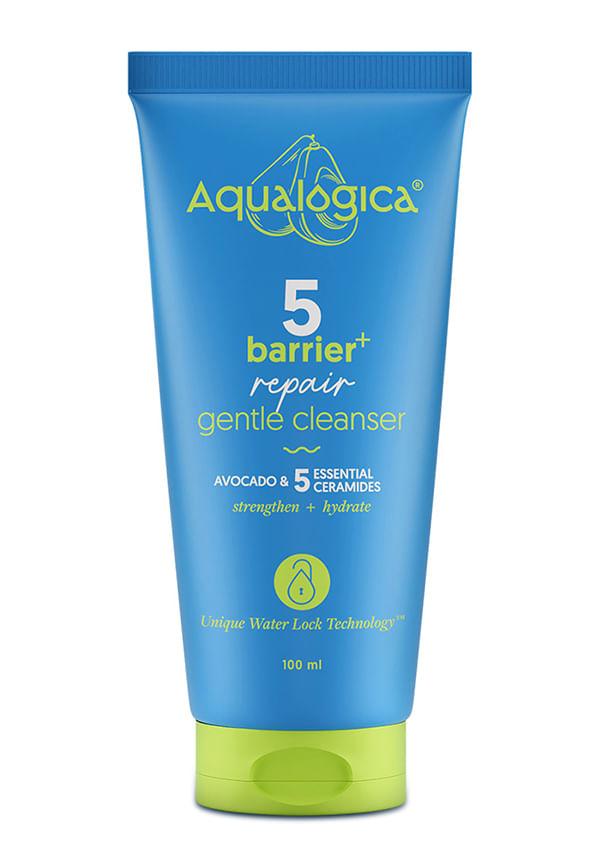
5 Barrier+ Repair Gentle Cleanser with Avocado & 5 Essential Ceramides
Whilst hyaluronic acid is excellent for hydration, it doesn't actually repair the barrier structure itself. Niacinamide can help with inflammation and oil regulation, but ceramides specifically target the fundamental barrier damage that occurs with over-exfoliation. For over exfoliated skin treatment, ceramides are uniquely positioned to address the root cause of the problem – the disrupted lipid barrier. They're not just masking symptoms; they're actively participating in the repair process.
Healing your compromised barrier requires patience and the right approach. The key is supporting your skin's natural repair mechanisms whilst avoiding further damage.
First, stop all exfoliation immediately. This includes physical scrubs, chemical exfoliants like AHAs and BHAs, and even retinoids until your barrier recovers. Your skin needs time to rebuild without constant disruption. Switch to a gentle, cream-based cleanser that won't strip your skin further. Look for formulas with ceramides or other barrier-supporting ingredients. Apply your ceramide serum for face or moisturiser to slightly damp skin to enhance absorption and provide immediate comfort. Layer your ceramide products strategically – start with lighter textures like serums, then follow with heavier creams. This approach ensures maximum penetration and sustained barrier support throughout the day.
Mild over-exfoliation typically shows improvement within 3-7 days of consistent ceramide use. You'll notice reduced stinging and less visible redness as your barrier begins to repair itself. Moderate cases usually require 1-2 weeks for full recovery. During this time, continue your gentle routine and resist the urge to introduce new products or restart exfoliation. Severe barrier damage might take 3-4 weeks to heal completely. Be patient – your skin is working hard to rebuild its protective layer, and rushing the process will only set you back.
Not all ceramide products are created equal, especially when dealing with compromised skin. Understanding what to look for can make the difference between rapid healing and prolonged irritation.
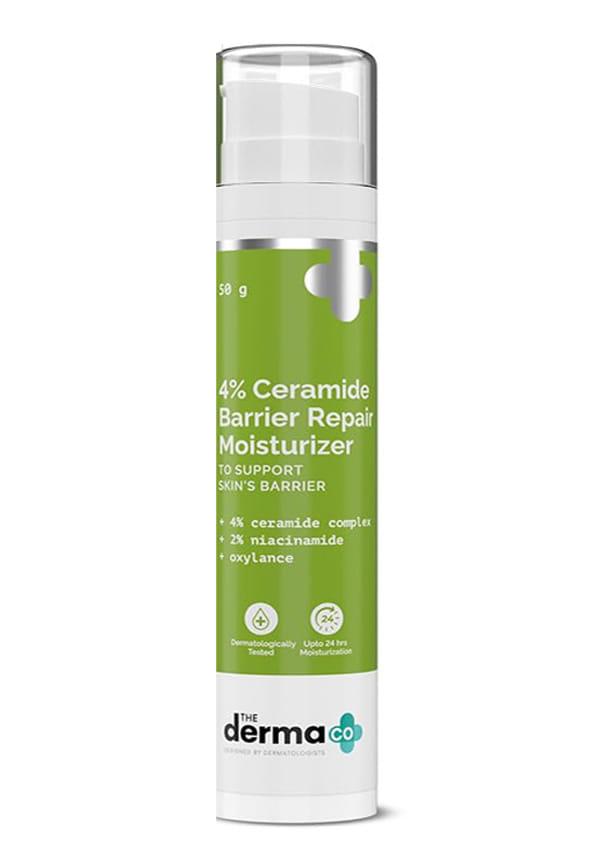
4% Ceramide Barrier Repair Moisturizer
Look for products containing multiple ceramide types – particularly ceramide 1, 3, and 6-II. These specific ceramides work synergistically to rebuild your barrier more effectively than single-ceramide formulas. The best moisturizer for damaged skin will also include supporting ingredients like cholesterol and fatty acids, which work alongside ceramides in your natural barrier. Avoid products with potential irritants like fragrances or essential oils whilst your skin heals. Apply ceramide creams using gentle patting motions rather than rubbing, which can further irritate sensitive skin. A little goes a long way – over-applying won't speed healing and might actually clog pores.
Serums are ideal for layering under moisturisers, providing concentrated ceramides that can penetrate more deeply. Choose serums over creams if you have oily skin or prefer lighter textures, but always follow with a protective moisturiser. For severely damaged barriers, cream formulations often provide better immediate relief and longer-lasting protection. The occlusive nature of creams helps prevent further water loss whilst ceramides work to repair the damage.
Whilst ceramides do the heavy lifting for barrier repair, your entire routine needs to support the healing process. Every product you use should either help or at least not hinder your skin's recovery.
Start with lukewarm water and a gentle cleanser – avoid hot water, which can further compromise your barrier. Pat skin dry with a soft towel, leaving it slightly damp for better product absorption. Apply your ceramide serum first, followed by a soothing skincare moisturiser. Don't skip SPF, but choose a mineral formula that's less likely to irritate sensitive skin. Physical sunscreens with zinc oxide or titanium dioxide are generally gentler than chemical options.
Double cleansing isn't necessary when your barrier is compromised – a single gentle cleanse is sufficient. Over-cleansing can slow your recovery and increase irritation. Layer your ceramide treatments more heavily in the evening when your skin naturally repairs itself. Consider using a thicker ceramide cream or even a facial oil rich in barrier-supporting lipids as your final step.
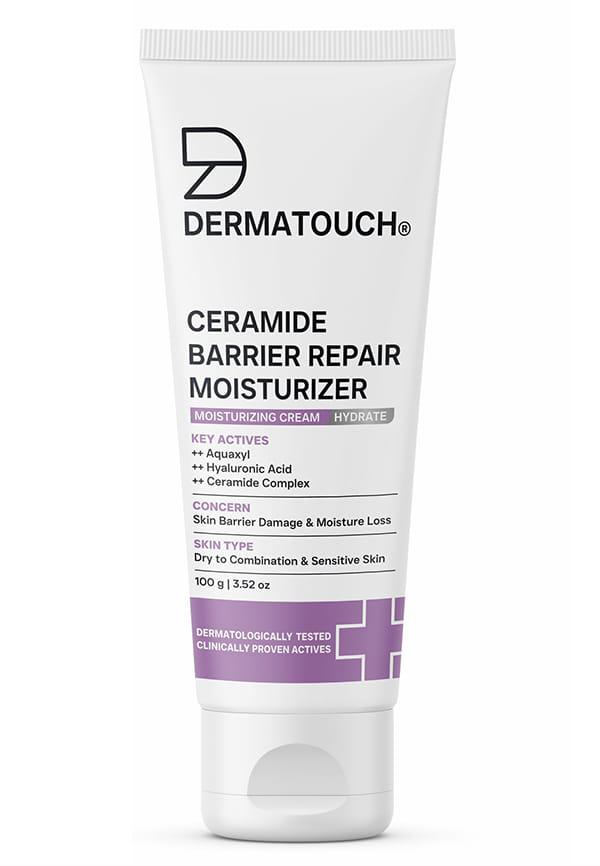
Ceramide Barrier Repair Moisturizer
Absolutely. Ceramides are gentle and specifically designed to support barrier function, making them safe for immediate use on over-exfoliated skin. Start with a small amount to test your skin's reaction, but most people find ceramides soothing rather than irritating.
Most people notice improvement within 3-7 days of consistent use, with full barrier recovery typically taking 2-4 weeks depending on the severity of damage. Consistency is key – skipping applications can slow the healing process.
Pure ceramide formulations rarely cause burning or stinging. If you experience discomfort, check the ingredient list for potential irritants like fragrances, acids, or alcohol. A slight tingling sensation might occur initially but should subside quickly.
Stick to gentle, barrier-supporting ingredients like hyaluronic acid, glycerin, and niacinamide. Avoid all exfoliating acids, retinoids, and vitamin C until your barrier is fully healed. Less is definitely more during recovery.
Whilst not strictly necessary, incorporating ceramides into your long-term routine can help maintain barrier health and prevent future damage. They're particularly beneficial if you plan to reintroduce exfoliating ingredients.
Your body naturally produces ceramides, and you can support this process through adequate sleep, stress management, and a diet rich in essential fatty acids. However, topical ceramides provide more immediate and targeted barrier repair.
Ceramides for over exfoliated skin recovery aren't just helpful – they're essential for proper healing. Your skin barrier is remarkably resilient, but it needs the right support to rebuild effectively. By understanding how ceramides work and using them consistently, you can restore your skin's protective function and get back to comfortable, healthy-looking skin. Remember that healing takes time, and patience is your best friend during recovery. Resist the urge to rush back into your old routine or try new products whilst your barrier heals. Your skin will thank you for the gentle approach. If you're curious about trying different ceramide formulations but hesitant to commit to full-size products, Smytten offers minis from trusted skincare brands that include barrier-repairing ingredients. It's a smart way to test what works for your recovering skin before making larger investments in your skincare routine.
