Can a Moisturizer Control Oil Production? Your FAQ Answered

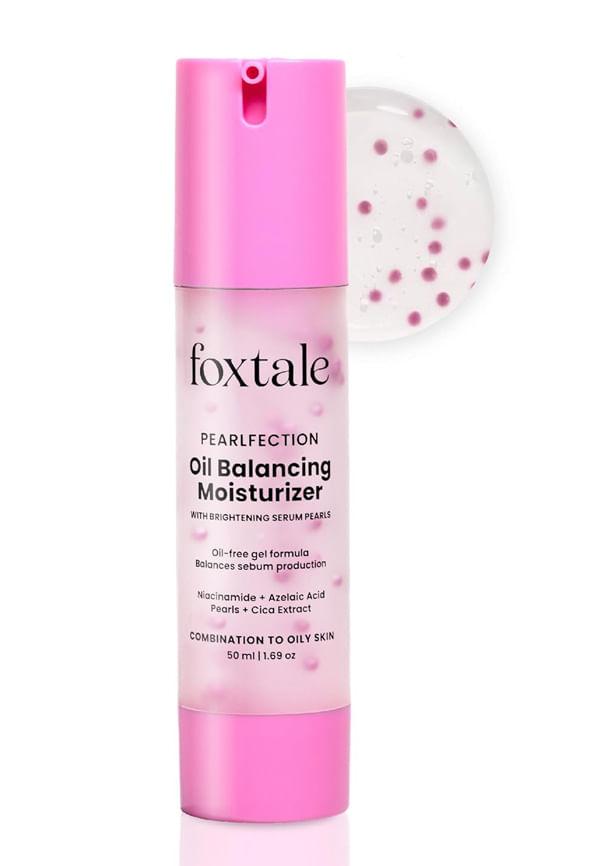
Oil Balancing Moisturizer
If you've ever wondered whether slathering on moisturiser might actually make your oily skin worse, you're not alone. It's one of those skincare questions that keeps popping up in group chats and Reddit threads, usually followed by someone's horror story about breaking out after trying a new cream. The truth is, the relationship between moisturisers and oil production is far more nuanced than the simple "moisturiser equals more oil" equation many of us have been led to believe. Let's dive into what actually happens when oily skin meets the right (or wrong) moisturiser.
Here's the thing about sebum control skincare that might surprise you: your skin doesn't actually produce more oil because you're using a moisturiser. In fact, the opposite is often true. When your skin barrier is compromised or dehydrated, your sebaceous glands can go into overdrive, pumping out extra oil to compensate for what they perceive as dryness. Clinical studies have shown that how moisturisers affect oiliness depends largely on the skin's hydration levels. When your skin is properly hydrated, it doesn't need to produce excess sebum to protect itself. Think of it like this: if your skin feels secure in its moisture levels, it won't panic and start overproducing oil. The dehydration-oil rebound cycle is particularly common in people who strip their skin with harsh cleansers or skip moisturiser altogether, thinking they're helping their oily skin. Instead, they're creating a situation where their skin becomes dehydrated (lacking water) but still oily (excess sebum), leading to that frustrating combination of shine and flakiness that so many of us know too well. Research published in dermatology journals consistently shows that maintaining proper skin barrier function through adequate hydration actually helps regulate sebum production over time. Your skin barrier is like a protective wall, and when it's functioning properly, everything else tends to fall into place.
The biggest misconception in skincare for oily skin is that oil equals hydration. They're completely different things. You can have oily skin that's simultaneously dehydrated, which is actually incredibly common, especially in air-conditioned environments or during harsh weather. When you skip moisturiser thinking you're doing your oily skin a favour, you're often triggering what dermatologists call the "rebound effect." Your skin senses that it's losing water and responds by ramping up oil production to create a protective barrier. It's like your skin's emergency response system kicking in. The best moisturiser for oily skin works by providing that protective barrier externally, so your skin doesn't feel the need to create its own through excess sebum. This is why people often notice their skin becomes less oily over time when they start using the right moisturiser consistently. Proper hydration also helps your skin's natural exfoliation process work more effectively. When skin cells are well-hydrated, they shed more easily, preventing the buildup that can lead to clogged pores and breakouts. It's all connected in ways that aren't immediately obvious.
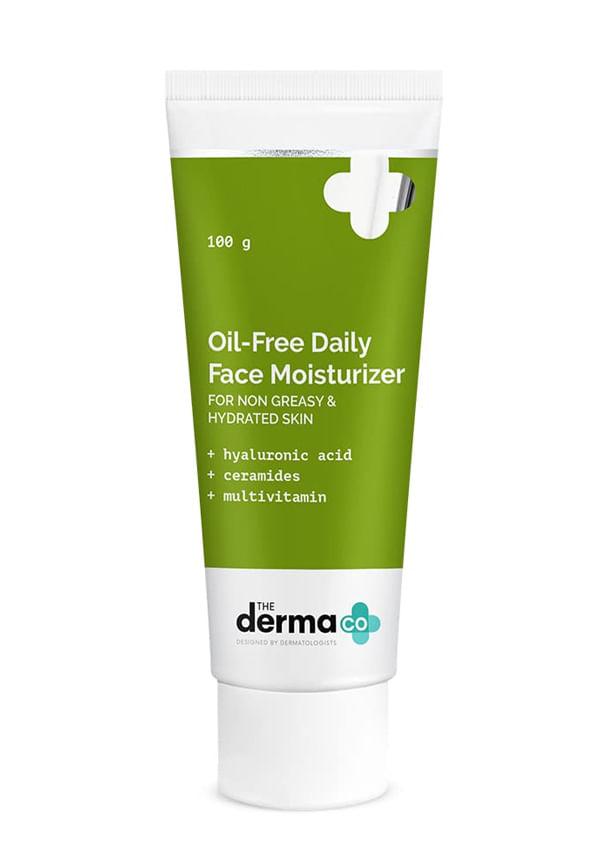
Oil-Free Daily Face Moisturizer
Not all moisturisers are created equal when it comes to managing oily skin. The magic happens in the ingredient list, and knowing what to look for can make all the difference in finding an oil control moisturiser that actually works. Niacinamide is probably the most researched ingredient for oil control. Studies show it can reduce sebum production by up to 30% when used consistently. It works by regulating the size and activity of your sebaceous glands, essentially teaching them to produce just the right amount of oil. Plus, it helps minimise the appearance of pores, which is often a concern for people with oily skin. Zinc PCA is another powerhouse for mattifying moisturiser formulations. It has natural antimicrobial properties and helps regulate sebum production while providing a subtle mattifying effect. You'll often find it in products specifically designed for acne-prone skin. Hyaluronic acid might sound scary if you're worried about adding moisture to oily skin, but it's actually perfect for hydrating oily skin without any greasiness. It holds up to 1000 times its weight in water, providing intense hydration in a lightweight, non-comedogenic way. Salicylic acid in moisturisers serves a dual purpose: it gently exfoliates to prevent clogged pores while helping to regulate oil production. It's particularly effective for people dealing with both oiliness and breakouts. Ingredients to approach with caution include heavy oils like coconut oil, thick butters, and anything with a high concentration of comedogenic ingredients. These can indeed clog pores and make oily skin feel worse.
Finding a non-greasy moisturiser that actually works for oily skin is part science, part trial and error. The formulation type makes a huge difference in how your skin responds. Gel moisturisers are often the go-to for oily skin because they absorb quickly and don't leave a residue. They're typically water-based and provide hydration without any heaviness. However, some gel formulas can be too lightweight for people who need more substantial hydration. Lotion formulations can work well for oily skin if they're specifically designed to be oil-free and non-comedogenic. Look for words like "lightweight," "fast-absorbing," or "mattifying" on the packaging. For those dealing with moisturiser for acne prone oily skin, it's crucial to look for products that are specifically labelled as non-comedogenic. This means they've been tested to ensure they won't clog pores. The Foxtale Oil Balancing Moisturizer has gained attention for its lightweight gel formula that combines niacinamide and zinc PCA to help regulate sebum production while providing essential hydration. Many users with oily skin find it strikes the right balance between moisture and oil control, absorbing quickly without leaving any sticky residue. Texture matters more than you might think. A moisturiser that feels heavy or takes forever to absorb can make oily skin feel worse, even if it's technically suitable. Pay attention to how products feel on your skin and how quickly they sink in.
A balancing moisturiser works best as part of a complete routine designed for oily skin. The key is layering products in the right order and not overwhelming your skin with too many active ingredients at once. Your morning routine should start with a gentle cleanser that removes overnight oil buildup without stripping your skin. Follow with your moisturiser while your skin is still slightly damp to lock in hydration. Always finish with SPF – this step is non-negotiable, even for oily skin. Evening routines can be more treatment-focused. If you're using active ingredients like retinoids or AHAs, apply them before your moisturiser. These ingredients can be drying, so following up with proper hydration is essential to prevent that rebound oil production. One common mistake is using too many mattifying products at once. If your cleanser, toner, treatment, and moisturiser are all designed to control oil, you might end up over-drying your skin and triggering more oil production. Seasonal adjustments are important too. Your skin's oil production can change with humidity levels, temperature, and even stress. What works in summer might be too lightweight for winter, and vice versa.
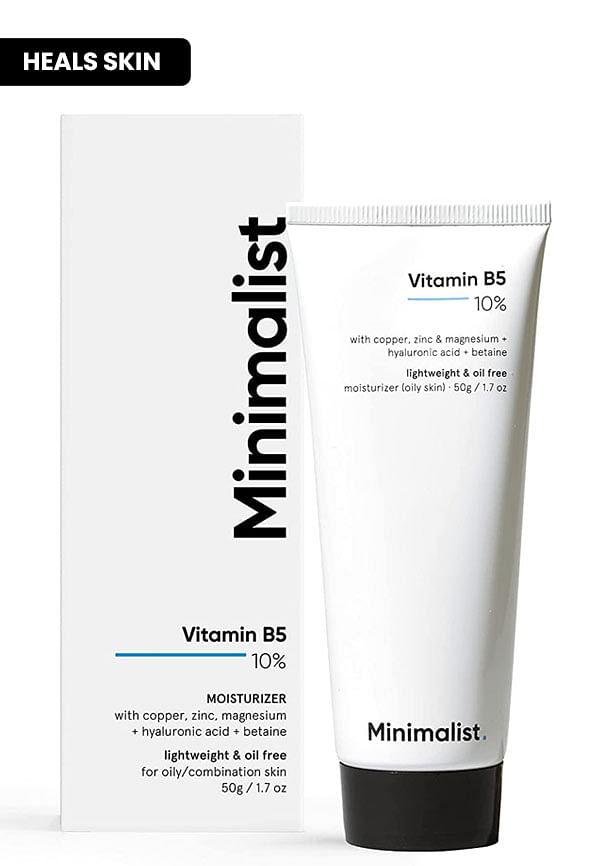
10% Vitamin B5 Oil Free Moisturizer For Oily Skin
No, and you wouldn't want it to. Your skin needs some natural oil to stay healthy and protected. A good moisturiser helps regulate oil production, bringing it to a more balanced level rather than stopping it entirely.
Oil production is largely determined by genetics and hormones, so permanent reduction isn't realistic through topical products alone. However, consistent use of the right products can significantly improve oil control over time.
Yes, when chosen correctly. Proper hydration helps maintain your skin barrier, which can prevent the overproduction of oil that happens when skin becomes dehydrated.
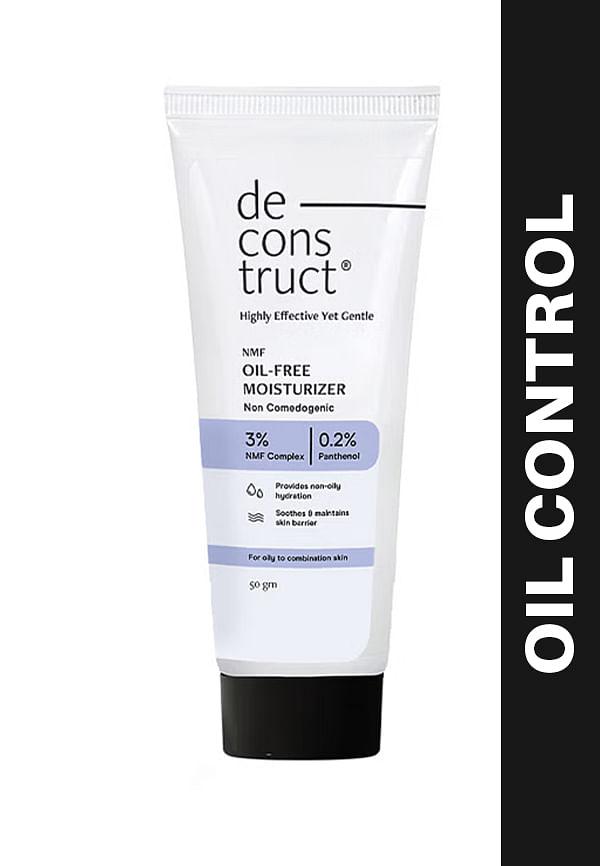
Oil-Free Moisturizer for Oily Skin - 3% NMF Complex + 0.2% Panthenol
Most people notice some improvement within 2-4 weeks of consistent use. However, significant changes in oil production can take 6-8 weeks as your skin adjusts to proper hydration levels.
Surprisingly, yes. Some lightweight, non-comedogenic oils can actually help balance oily skin. The key is choosing the right oils and using them sparingly.
Oily skin produces excess sebum, while dehydrated skin lacks water. You can have both conditions simultaneously, which is why oily skin still needs hydration from moisturisers.
The relationship between moisturisers and oil production isn't as straightforward as many people think. Rather than avoiding hydration, oily skin often benefits from the right kind of moisture support. The key lies in understanding your skin's specific needs and choosing products with ingredients that work with your skin, not against it. Remember, managing oily skin is a marathon, not a sprint. Consistency with the right products will always trump aggressive treatments that strip your skin and trigger rebound oil production. Your skin is constantly adapting and changing, so what works now might need adjusting as seasons change or your skin's needs evolve. If you're curious about trying new products but hesitant to commit to full sizes, Smytten's trial platform lets you test moisturisers and other skincare products in mini sizes before investing in the full versions. With over 28 million users discovering products this way, it's become a trusted method for finding what actually works for your unique skin needs. After all, the best moisturiser for your oily skin is the one that works specifically for you.
