Broad Spectrum Sunscreen FAQ: Your Questions Answered
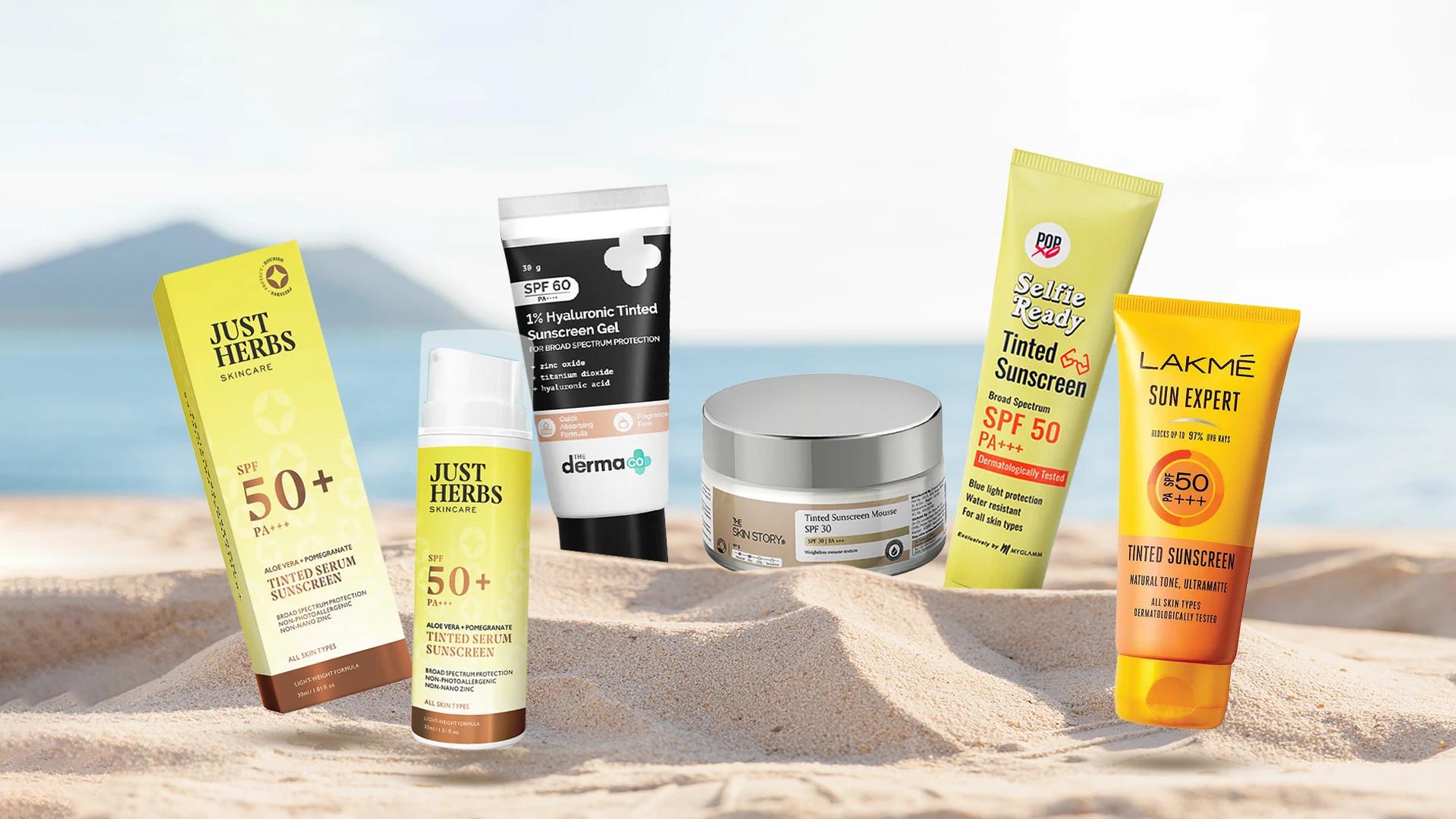

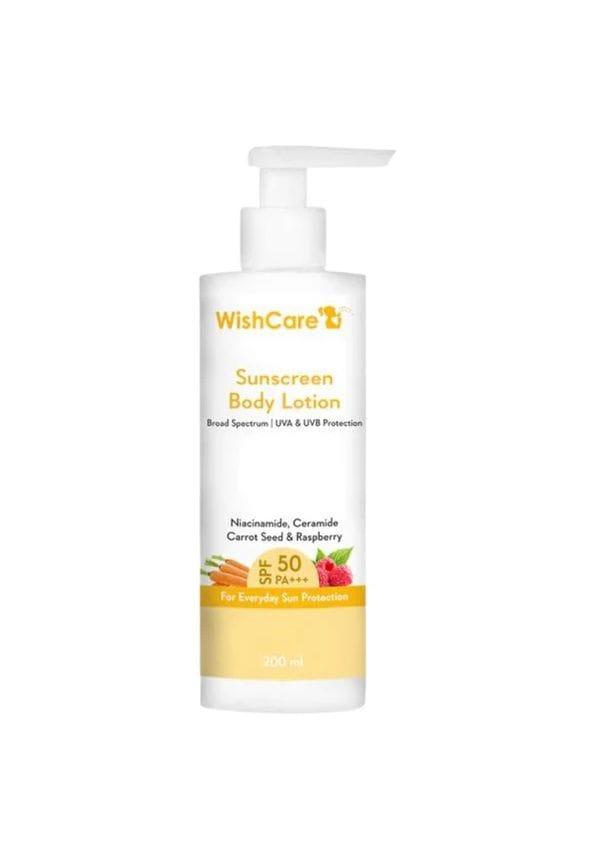
SPF50 Sunscreen Body Lotion - Broad Spectrum - UVA & UVB Protection
You've probably seen "broad spectrum" on countless sunscreen bottles, but what does it actually mean for your skin? If you're standing in the skincare aisle wondering whether this label matters more than SPF numbers, you're asking the right question. The truth is, broad spectrum protection is what stands between your skin and the invisible damage that happens every single day—even when you're not planning to spend time in direct sunlight.
When a sunscreen carries the broad spectrum label, it means the formula protects against both UVA and UVB rays. This isn't just marketing speak—it's a regulated claim that requires specific testing to prove the product can shield your skin from the full range of harmful ultraviolet radiation.
The FDA regulations around broad spectrum labelling are quite strict. A sunscreen can only use this term if it passes standardised tests proving it provides proportional protection against both types of UV rays. Regular SPF ratings only measure protection against UVB rays, which is why you need that additional broad spectrum designation for complete coverage.
Think of it this way: SPF tells you how well a sunscreen prevents sunburn, whilst broad spectrum tells you it also prevents the deeper, invisible damage that leads to premature ageing and hyperpigmentation. The term was created because researchers realised that focusing only on sunburn prevention wasn't enough—we needed protection standards that addressed long-term skin health too.
UVA rays are often called the "ageing rays" because they penetrate deeper into your skin, reaching the dermis where collagen lives. These rays are consistent throughout the day and can pass through glass, which means you're exposed even when you're indoors near windows. UVA damage accumulates slowly, showing up as fine lines, wrinkles, and those stubborn dark spots that seem to appear out of nowhere.
UVB rays are the "burning rays" that cause immediate, visible damage like sunburn and redness. They're strongest between 10 AM and 4 PM and are the primary cause of skin cancer. UVB rays affect the surface layers of your skin and are what traditional SPF measurements focus on.
Here's why both matter: whilst UVB rays give you that obvious warning signal of redness and discomfort, UVA rays work silently. You might think you're fine because you're not burning, but UVA damage is happening at a cellular level, breaking down the structures that keep your skin firm and even-toned.
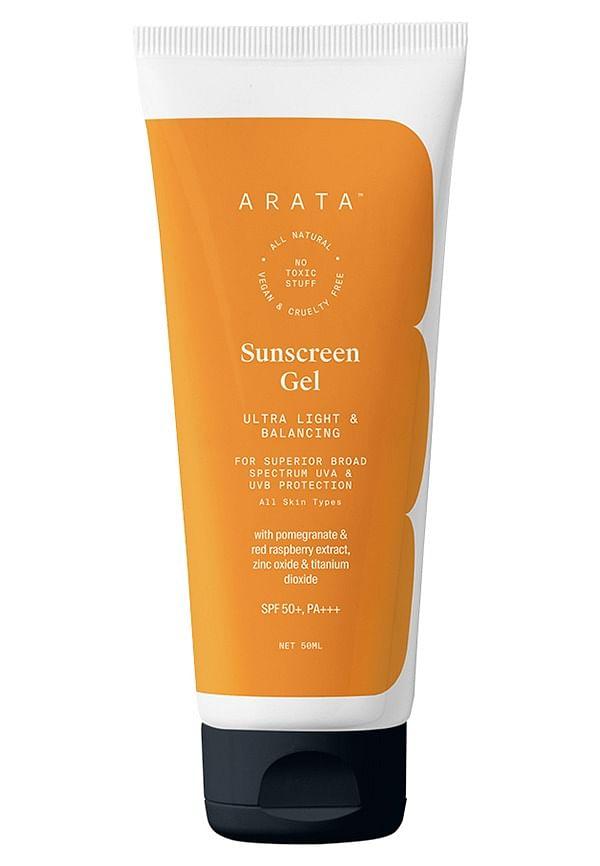
Sunscreen Gel, Ultra Light & Balancing, For Broad Spectrum Uva & Uvb Protection
Mineral sunscreens use zinc oxide and titanium dioxide to create a physical barrier on your skin's surface. These ingredients naturally provide broad spectrum protection because they reflect and scatter both UVA and UVB rays. They're particularly good for sensitive skin and work immediately upon application.
Chemical sunscreens use ingredients like avobenzone, octinoxate, or newer options like bemotrizinol to absorb UV radiation and convert it to heat. Many chemical formulas achieve broad spectrum protection through combinations of different active ingredients, each targeting specific wavelengths of UV light.
The immediate benefit of broad spectrum protection is obvious: no sunburn, no peeling, no post-beach regret. But the long-term benefits are where this protection really proves its worth. Daily broad spectrum use is one of the most effective ways to prevent premature ageing, keeping your skin looking consistent and healthy over time.
For anyone dealing with hyperpigmentation or melasma, broad spectrum protection is non-negotiable. UVA rays can trigger melanin production even when you're not burning, which means existing dark spots can darken and new ones can form. This is particularly important if you're using ingredients like retinoids or AHAs that increase photosensitivity.
The skin cancer prevention aspect cannot be overstated. Both UVA and UVB rays contribute to DNA damage in skin cells, and comprehensive protection significantly reduces your risk. This protection is especially crucial for anyone with fair skin, a history of sunburn, or family history of skin cancer.
When it comes to SPF levels, dermatologists generally recommend SPF 30 as the minimum for daily use, with SPF 50 offering additional protection for extended outdoor activities. The key is ensuring whatever SPF you choose also carries that broad spectrum label—high SPF without UVA protection leaves significant gaps in your defence.
If you're shopping for Asian sunscreen brands, you might see PA++++ ratings alongside SPF numbers. This system specifically measures UVA protection, with PA++++ being the highest rating. It's an excellent way to ensure you're getting robust broad spectrum coverage, especially in lightweight, cosmetically elegant formulas.
For different skin types, the choice between mineral and chemical broad spectrum formulas often comes down to preference and tolerance. Oily skin might prefer lightweight chemical formulas that don't leave residue, whilst sensitive skin often responds better to gentle mineral options.
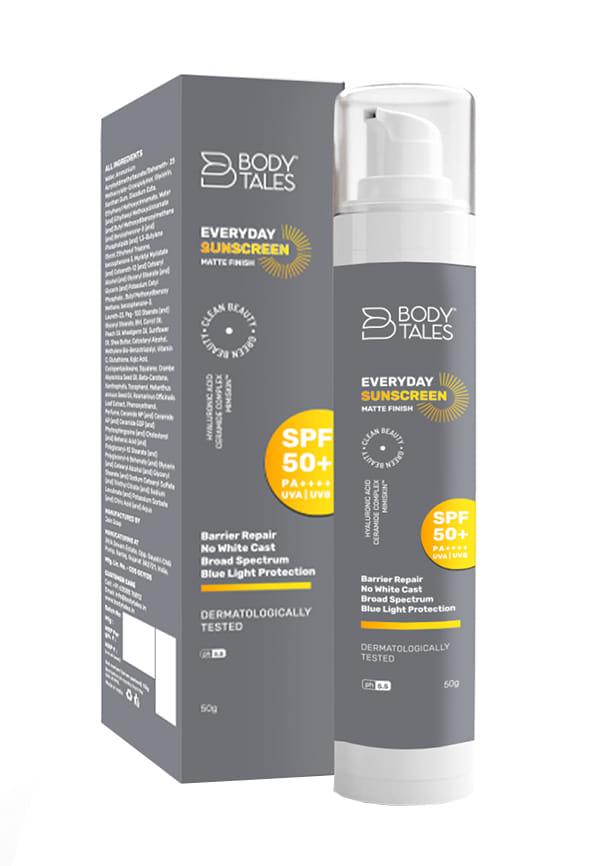
Everyday Sunscreen SPF50+ P++++ for Broad spectrum & Barrier repair
The golden rule for daily application is about a quarter teaspoon for your face and neck, applied as the final step in your morning skincare routine. If you're layering with moisturiser, let each product absorb for a minute or two before applying the next.
When using tretinoin or other retinoids, broad spectrum protection becomes even more critical. These ingredients increase your skin's photosensitivity, making it more vulnerable to both burning and long-term damage. Many dermatologists recommend SPF 50 as the minimum for retinoid users.
Year-round protection is essential because UVA rays remain consistent regardless of weather or season. Those cloudy winter days still expose you to significant UV radiation, and UVA rays can penetrate through car windows during your daily commute.
Both matter, but they measure different things. Broad spectrum is a general term indicating protection against both UVA and UVB rays, whilst PA++++ specifically quantifies UVA protection levels. The ideal sunscreen has both broad spectrum labelling and high PA ratings for comprehensive coverage.
Broad spectrum sunscreens protect against the full range of harmful UV radiation, preventing both immediate damage like sunburn and long-term issues like premature ageing, hyperpigmentation, and skin cancer. Regular sunscreen only protects against UVB rays, leaving you vulnerable to UVA damage.
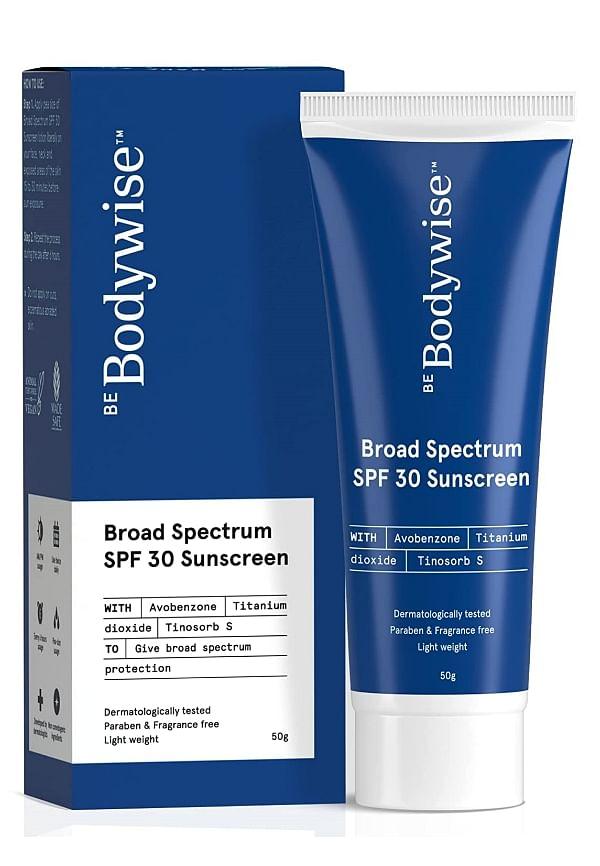
Broad Spectrum Spf 30 Sunscreen
Most dermatologists recommend SPF 50 or higher for tretinoin users because retinoids increase photosensitivity. The key is consistent daily application of broad spectrum protection, regardless of weather or indoor/outdoor plans.
Mineral sunscreens with zinc oxide or titanium dioxide are typically best for rosacea-prone skin. These ingredients are less likely to cause irritation and provide gentle, effective broad spectrum protection without triggering flare-ups.
Look for "broad spectrum" explicitly stated on the front label or ingredients panel. In the UK and EU, you might also see a UVA logo (UVA in a circle) or high PA ratings. If it only lists SPF without mentioning UVA protection, it's likely not broad spectrum.
Both mineral and chemical sunscreens can be broad spectrum. Mineral formulas naturally provide broad spectrum protection, whilst chemical sunscreens achieve it through specific ingredient combinations. The type of sunscreen doesn't determine broad spectrum capability.
Understanding broad spectrum protection transforms how you think about daily skincare. It's not just about preventing sunburn during beach holidays—it's about protecting your skin's long-term health and appearance every single day. Whether you prefer mineral or chemical formulas, the most important factor is finding a broad spectrum sunscreen you'll actually use consistently.
The beauty of modern sun protection is that you have options. From lightweight chemical formulas that layer beautifully under makeup to gentle mineral options perfect for sensitive skin, there's a broad spectrum sunscreen that fits your routine and preferences. Smytten's curated selection includes trusted brands that offer various broad spectrum formulations, making it easier to find your perfect match. If you're curious about trying different formulas before committing to full-size products, exploring minis can help you discover which broad spectrum protection works best for your skin's unique needs.
