Brightening vs Whitening in Indian Skincare: FAQ


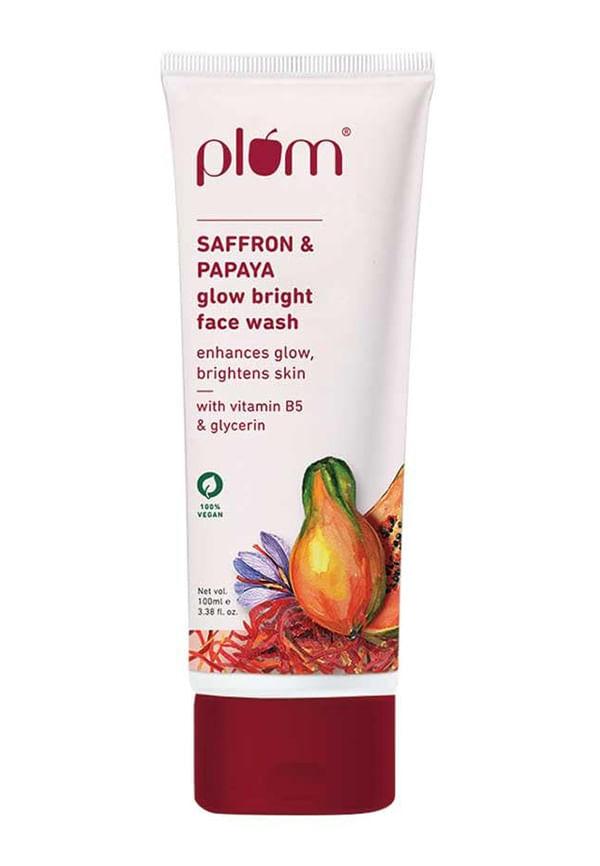
Saffron & Papaya Glow Bright | Enhances Glow & Brightens Skin Face Wash
You've probably scrolled through countless skincare posts wondering whether you need brightening or whitening products for your skin concerns. Maybe you've noticed dullness creeping in after months of working from home, or perhaps those stubborn dark spots from last summer's breakouts are still lingering. The terms get thrown around so much in Indian skincare conversations that it's easy to feel confused about which approach actually addresses your specific concerns.
The confusion between skin brightening vs whitening makes perfect sense because both promise better-looking skin, but they work in completely different ways. Think of brightening as polishing a surface to reveal its natural shine, while whitening is more like changing the actual colour of that surface.
Skin brightening focuses on enhancing your skin's natural radiance by removing the surface-level dullness that accumulates from pollution, dead skin cells, and daily stress. It's like giving your skin a really good clean and polish. Brightening treatments work on the outermost layer of your skin, targeting uneven texture and surface discolouration to reveal the healthy, glowing skin underneath. The goal isn't to change your natural skin tone but to help it look its absolute best.
Skin whitening takes a deeper approach by actually reducing melanin production in your skin. Melanin is the pigment that gives your skin its colour, so whitening treatments work to lighten your overall complexion or target specific areas of hyperpigmentation. This process reaches deeper layers of skin and can create more dramatic changes in skin tone. Unlike brightening, whitening aims to alter your skin's natural pigmentation levels.
Your skin produces melanin through cells called melanocytes, and this production can go into overdrive due to sun exposure, hormonal changes, or inflammation. Brightening ingredients like vitamin C and niacinamide work primarily on the surface, helping to fade existing pigmentation and prevent new dark spots from forming. Whitening ingredients like kojic acid and arbutin penetrate deeper to actually slow down melanin production at its source.
The distinction between these approaches becomes clearer when you understand what each one can realistically achieve for your skin. Both have their place in Indian skincare routines, but knowing which one matches your goals makes all the difference.
Brightening treatments excel at addressing surface-level concerns like dullness from AC-induced dryness or the congested look your skin gets after particularly stressful weeks. You'll notice improved skin texture, a more even surface tone, and that coveted healthy glow that makes people ask if you've been on holiday. Results typically show up within 2-4 weeks of consistent use. Whitening treatments target deeper pigmentation issues like melasma, stubborn acne scars, or significant uneven skin tone. The changes are more dramatic but take longer to appear, often requiring 6-12 weeks of consistent treatment. The goal is actual complexion lightening rather than surface improvement.
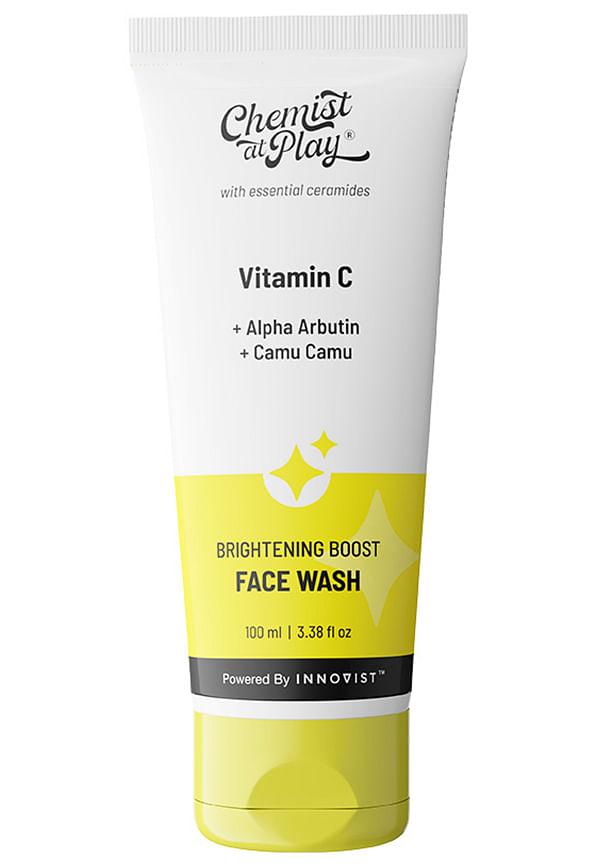
Brightening Boost Face Wash | Brightens & Gives Radiance
Natural skin brighteners like vitamin C work by inhibiting tyrosinase, the enzyme responsible for melanin production, while also providing antioxidant protection. Niacinamide reduces the transfer of melanin to skin cells and improves overall skin barrier function. These ingredients are generally gentler and work well for maintenance. Whitening ingredients like hydroquinone and kojic acid are more potent melanin inhibitors that can create significant lightening effects. Alpha arbutin offers a gentler whitening option that's particularly suitable for Indian skin types, while glutathione works systemically when taken as a supplement.
Brightening results require ongoing maintenance because they primarily address surface-level issues that can return with sun exposure, pollution, or lifestyle changes. Think of it as regular skincare maintenance rather than a one-time fix. Whitening results can be more long-lasting, especially when targeting specific spots or areas. However, without proper sun protection and maintenance, your skin will naturally return to its baseline pigmentation levels over time.
Living in India means dealing with specific skin challenges that influence whether brightening or whitening makes more sense for your routine. The intense sun, pollution levels, and humidity all play a role in how your skin behaves.
Hyperpigmentation is probably the most common concern that brings people to the brightening vs whitening crossroads. Post-inflammatory hyperpigmentation from acne responds well to brightening treatments, especially those containing vitamin C and gentle AHAs. These ingredients help fade the marks while preventing new ones from forming. Melasma and deeper pigmentation often require whitening treatments for noticeable improvement. Professional treatments like chemical peels or laser therapy combined with whitening serums can address these stubborn concerns more effectively than brightening alone.
If your skin looks patchy or has areas that are slightly darker than others, brightening treatments often provide excellent results. The combination of gentle exfoliation and pigmentation-fighting ingredients helps create a more uniform appearance without dramatically altering your natural skin tone. For more significant tone variations, particularly those caused by hormonal changes or sun damage, whitening treatments might be necessary to achieve the level of correction you're looking for.
Dark spots from recent breakouts typically respond well to brightening serums containing ingredients like alpha arbutin or licorice extract. These gentle options work over time to fade the marks without causing irritation. Deeper, older acne scars often need the stronger approach that whitening treatments provide. Professional-grade ingredients or in-clinic treatments can address the more stubborn pigmentation that brightening alone can't tackle.
Choosing the right ingredients for your skin type and concerns is crucial, especially given the variety of skin tones and sensitivities common in Indian skin.
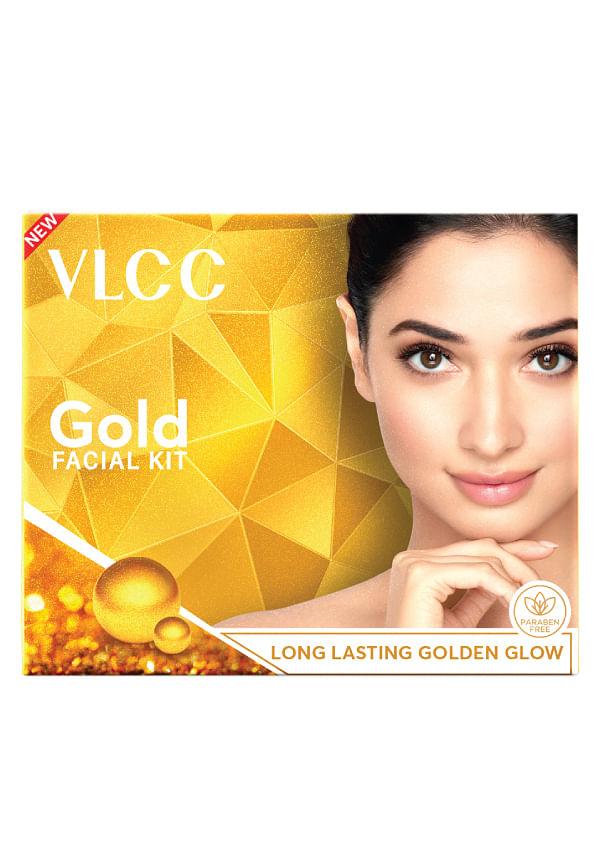
Gold Facial Kit For Luminous & Radiant Complexion
Turmeric remains one of the most trusted natural skin brighteners in Indian skincare traditions. Its anti-inflammatory properties help calm skin while gently brightening surface pigmentation. Modern formulations combine turmeric with other proven ingredients for enhanced effectiveness. Vitamin C in its various forms (L-ascorbic acid, magnesium ascorbyl phosphate, sodium ascorbyl phosphate) provides both brightening and antioxidant benefits. It's particularly effective for preventing new pigmentation while working on existing concerns. Licorice root extract contains glabridin, which inhibits tyrosinase activity and provides gentle brightening effects. It's especially suitable for sensitive skin types that can't tolerate stronger whitening ingredients.
Kojic acid offers effective whitening properties and is generally well-tolerated by Indian skin types. It works by inhibiting melanin production and can address both surface and deeper pigmentation concerns. Alpha arbutin provides gentler whitening effects compared to its synthetic cousin, beta arbutin. It's particularly effective for targeting specific spots rather than overall complexion lightening. Azelaic acid deserves special mention because it addresses multiple concerns simultaneously - it provides gentle whitening effects while also treating acne and improving skin texture.
Steer clear of products containing mercury, which can cause serious health issues and is unfortunately still found in some unregulated whitening products. Always check ingredient lists and buy from reputable sources. High concentrations of hydroquinone (above 2%) should only be used under dermatological supervision, as prolonged use can lead to ochronosis, a condition that causes permanent darkening of the skin.
Your decision between brightening and whitening should be based on your specific skin concerns, lifestyle, and realistic expectations about results.
Start by honestly evaluating your skin concerns. If you're dealing with general dullness, minor uneven tone, or recent acne marks, brightening treatments will likely give you the results you're looking for. If you have deeper pigmentation, significant melasma, or want to lighten your overall complexion, whitening treatments might be more appropriate. Consider your skin's sensitivity level. If you have reactive skin that gets irritated easily, starting with gentler brightening ingredients makes more sense than jumping into potent whitening treatments.
For significant pigmentation concerns, consulting a dermatologist ensures you get the right diagnosis and treatment plan. Professional treatments can combine both brightening and whitening approaches for optimal results. At-home routines work well for maintenance and minor concerns. Building a consistent routine with proven ingredients often delivers better long-term results than sporadic professional treatments.
Many people benefit from combining both approaches - using whitening treatments to address specific concerns while maintaining overall skin health with brightening ingredients. This strategy provides comprehensive care without over-treating any single concern.
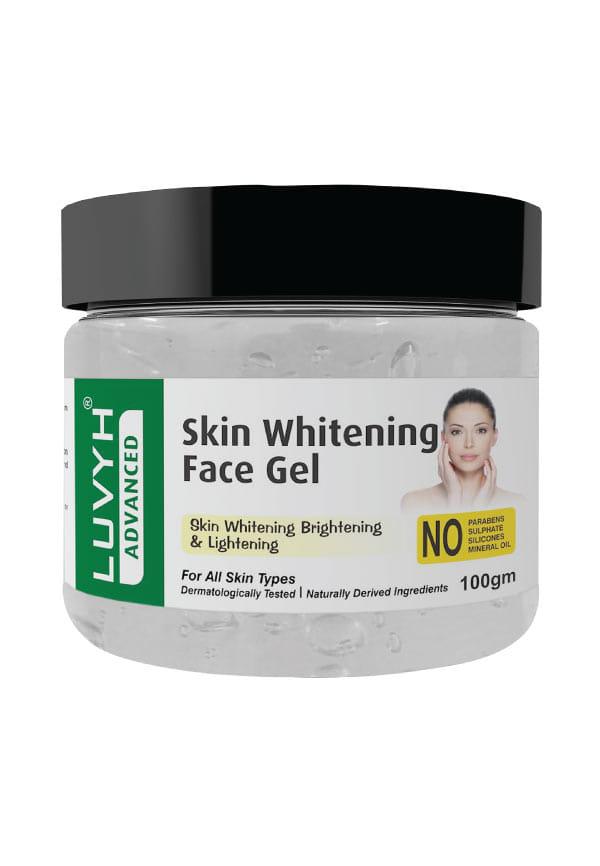
Skin Whitening Face Massage Gel Whitening and Brightening Gel
Neither approach is inherently better - it depends entirely on your specific skin concerns and goals. Brightening works excellently for surface-level dullness, minor pigmentation, and maintaining healthy-looking skin. Whitening is more appropriate for deeper pigmentation issues, significant melasma, or when you want more dramatic complexion changes. Many people find that combining both approaches gives them the most comprehensive results.
No, they work on different levels of your skin and have distinct goals. Brightening enhances your skin's natural radiance by addressing surface-level concerns like dullness and minor pigmentation. Whitening penetrates deeper to reduce melanin production, creating more significant changes in skin tone. Think of brightening as revealing your skin's natural best self, while whitening actually alters your skin's pigmentation levels.
Skin lightening treatments can be very effective for treating the pigmentation associated with scars, particularly post-acne marks and injury-related discolouration. However, they work specifically on the pigmented areas rather than the textural changes that scars can create. For comprehensive scar treatment, you might need to combine lightening treatments with other approaches that address texture and depth.
Kojic acid functions as both a brightening and lightening agent, depending on the concentration and how it's used. At lower concentrations, it provides gentle brightening effects suitable for maintenance and minor pigmentation. At higher concentrations, it can create significant lightening effects. The results aren't permanent without ongoing maintenance, as your skin will naturally return to its baseline pigmentation over time without continued treatment.
Brightening results typically become noticeable within 2-4 weeks of consistent use, as they primarily work on surface-level concerns. Whitening results take longer, usually requiring 6-12 weeks to see significant changes, since they work on deeper skin processes. Remember that consistency is key for both approaches - sporadic use won't give you the results you're looking for.
Yes, but it requires careful planning to avoid over-treating your skin. Start by introducing one type of product and allowing your skin to adjust before adding the other. Many people successfully use brightening products for daily maintenance while incorporating whitening treatments for specific concerns. Always patch test new combinations and consider consulting a dermatologist for personalised advice.
Understanding the difference between brightening and whitening helps you make informed decisions about your skincare routine rather than getting caught up in marketing promises. Your skin's needs might change with seasons, stress levels, or life stages, so staying flexible in your approach often works better than rigidly sticking to one method. The most successful skincare routines often combine elements of both brightening and whitening, tailored to address specific concerns while maintaining overall skin health. Whether you're dealing with post-monsoon dullness or preparing your skin for festive season glow, having the right products in your routine makes all the difference. Smytten's curated selection includes trusted brands offering both brightening and whitening solutions, making it easier to find products that work for your specific skin type and concerns. With over 28 million users discovering their perfect skincare matches, the platform's trial approach lets you test products before committing to full sizes. If you're curious about trying new brightening or whitening products but want to test them first, Smytten's mini options offer a smart way to explore without the commitment of full-size purchases.
