Breastfeeding Skincare FAQ: Safe Products in India Answered


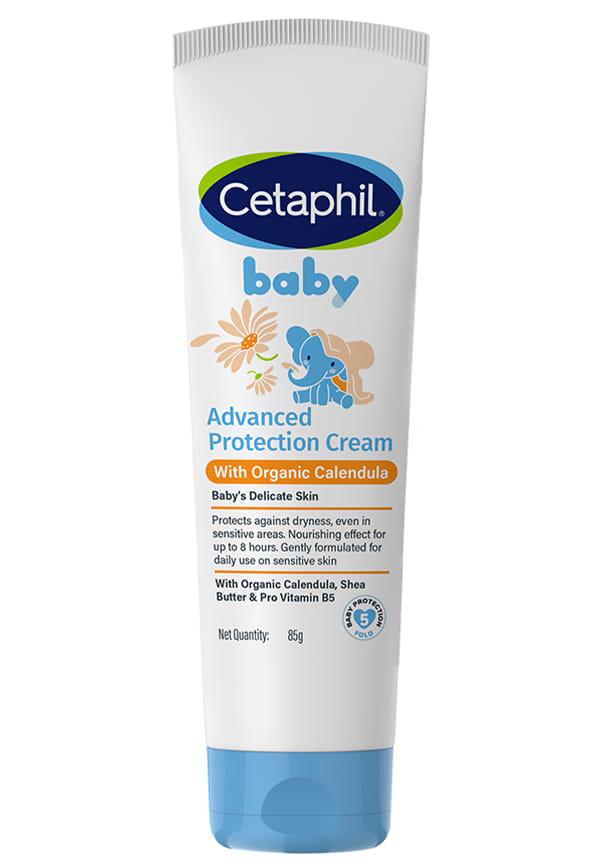
Baby Advanced Protection Cream With Organic Calendula
Your skin feels different after having a baby, doesn't it? Between sleepless nights, hormonal shifts, and the constant worry about what's safe for your little one, skincare suddenly becomes more complicated. If you're breastfeeding in India, you're probably wondering which products you can safely use without affecting your baby. The good news? You don't have to give up skincare entirely. With the right knowledge about safe ingredients and products, you can maintain healthy skin whilst nursing.
When you're breastfeeding, your skin becomes a pathway that connects you to your baby. Whilst most skincare ingredients don't transfer through breast milk, some can be absorbed through your skin and potentially affect your little one through direct contact. This is especially important to consider in India's diverse climate, where humidity, heat, and pollution can make skincare feel essential rather than optional.
The regulatory landscape for cosmetics in India doesn't specifically address breastfeeding safety, which means you'll need to rely on international research and dermatologist guidance. Your skin might also be more sensitive during this time due to hormonal changes, making patch testing even more crucial than usual.
Real talk: your skin concerns haven't disappeared just because you're nursing. Whether you're dealing with melasma from pregnancy, post-delivery dryness, or breakouts from hormonal fluctuations, there are safe ways to address these issues. The key is knowing which ingredients to embrace and which ones to temporarily set aside.
Some ingredients that were staples in your pre-pregnancy routine need to take a backseat whilst you're nursing. Here's what dermatologists recommend avoiding and why these restrictions matter for both you and your baby.
Retinoids, including retinol, tretinoin, and adapalene, are the most commonly flagged ingredients during breastfeeding. Whilst topical absorption is generally low, the potential risks to your baby's development make most healthcare providers recommend avoiding them entirely. This includes over-the-counter retinol serums and prescription treatments.
Low concentrations of salicylic acid (under 2%) are generally considered safe, but higher concentrations found in chemical peels or intensive acne treatments should be avoided. If you're dealing with post-pregnancy breakouts, stick to gentle BHA products with lower percentages.
Hydroquinone, commonly found in skin lightening products popular in India, has higher absorption rates and should be avoided during breastfeeding. This also applies to other bleaching agents like kojic acid in high concentrations.
Certain essential oils like sage, rosemary, and peppermint can potentially affect milk supply or cause skin sensitivity. Heavily fragranced products might also irritate your baby's sensitive skin during close contact.
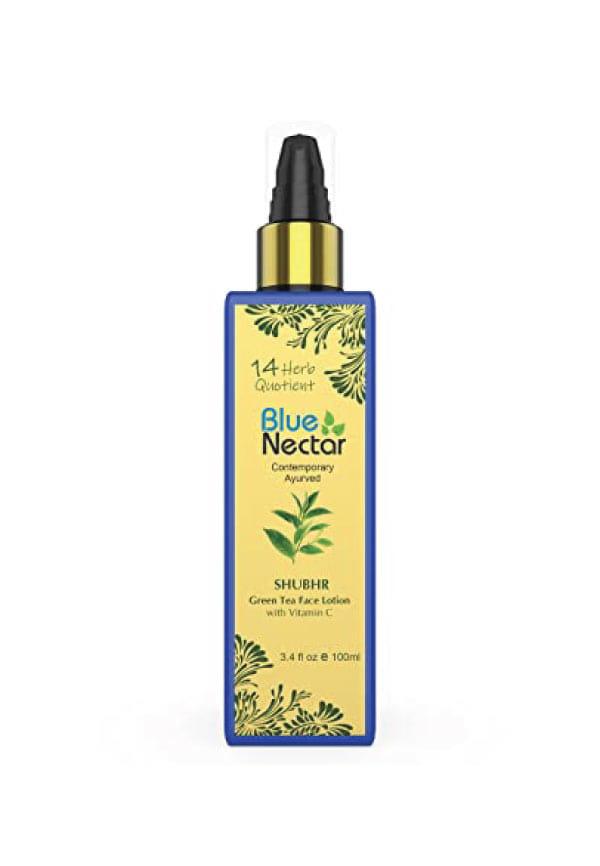
Shubhr Green Tea Face Moisturizer with Vitamin C for Glowing Skin
The good news is that many effective skincare ingredients are perfectly safe to use whilst breastfeeding. These ingredients can help you maintain healthy, glowing skin without compromising your baby's wellbeing.
Niacinamide is one of the safest and most effective ingredients you can use during breastfeeding. It helps with everything from reducing redness to controlling oil production and improving skin texture. Products containing 5-10% niacinamide are considered safe and beneficial for nursing mothers.
Hyaluronic acid is a hydration powerhouse that's completely safe during breastfeeding. It works by drawing moisture from the environment into your skin, making it perfect for combating the dehydration that often comes with new motherhood and India's varying climate conditions.
Vitamin C in the form of L-ascorbic acid or magnesium ascorbyl phosphate is safe and beneficial during breastfeeding. It helps with pigmentation issues, provides antioxidant protection, and supports collagen production. Concentrations between 10-20% are ideal for most skin types.
Zinc oxide and titanium dioxide are the safest sunscreen options whilst breastfeeding. These mineral ingredients sit on top of your skin rather than being absorbed, providing excellent protection without systemic absorption concerns.
Creating a skincare routine whilst breastfeeding doesn't have to be complicated. The key is keeping things simple, effective, and safe. Here's how to structure your daily routine to address common skin concerns without compromising safety.
Start with a gentle cleanser that won't strip your skin's natural barrier. Follow with a vitamin C serum to protect against environmental damage and help with any pigmentation concerns. Apply a moisturiser suited to your skin type, then finish with a broad-spectrum mineral sunscreen with at least SPF 30.
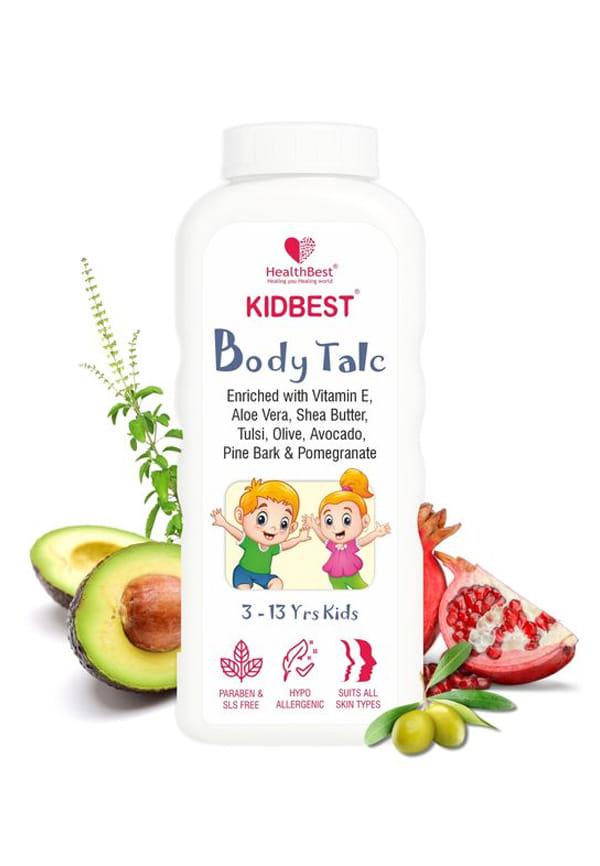
Body Talc for Kids | Normal Skin, Sensitive Skin & Dry Skin
Double cleanse if you've worn sunscreen or makeup during the day. Apply a niacinamide serum to help with oil control and skin texture, followed by a hydrating serum containing hyaluronic acid. Finish with a nourishing night moisturiser that supports skin repair whilst you sleep.
Once or twice a week, use a gentle exfoliating mask with low-concentration AHAs like lactic acid. Hydrating sheet masks or overnight sleeping masks can provide extra moisture, especially during India's dry winter months or in air-conditioned environments.
India's climate and cultural beauty practices present unique considerations for breastfeeding mothers. Understanding how to address these specific concerns safely can help you maintain healthy skin throughout your nursing journey.
Melasma often persists after pregnancy, especially in India's sunny climate. Safe treatment options include vitamin C, niacinamide, and gentle AHAs like lactic acid. Consistent sunscreen use is crucial, as Indian UV levels can worsen pigmentation even through windows.
Many traditional ingredients like turmeric, rose water, and coconut oil are generally safe during breastfeeding. However, be cautious with neem and other potent herbs that might cause skin sensitivity or have unknown effects on nursing babies.
India's humidity can exacerbate skin issues like heat rash and fungal infections. Lightweight, non-comedogenic moisturisers and antifungal ingredients like zinc pyrithione can help manage these concerns safely.
Following expert recommendations can help you navigate breastfeeding skincare with confidence. Indian dermatologists increasingly recognise the unique needs of nursing mothers and can provide personalised guidance based on your skin type and concerns.
Patch testing becomes even more important during breastfeeding, as hormonal changes can make your skin more reactive. Always test new products on a small area first, and wait 24-48 hours before full application. When applying skincare products, avoid the breast and nipple areas to prevent any potential transfer to your baby during feeding.
If you're unsure about a specific ingredient or product, consult with your dermatologist or paediatrician. They can provide guidance based on current research and your individual circumstances. Remember that most skincare restrictions during breastfeeding are precautionary rather than based on proven harm.
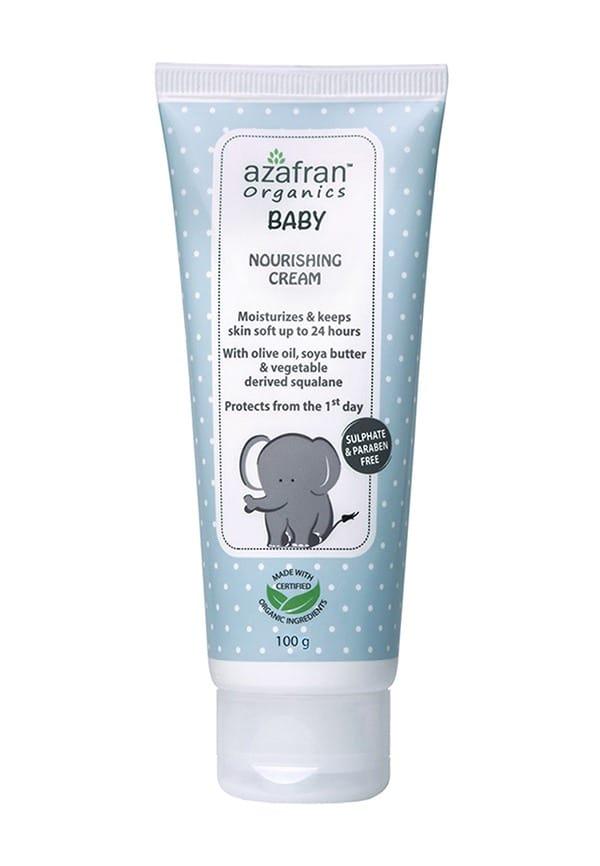
Baby Nourishing Cream
You can safely use products containing niacinamide, hyaluronic acid, vitamin C, ceramides, and mineral sunscreens. Gentle cleansers, moisturisers without strong fragrances, and low-concentration AHAs are also generally safe. Always check ingredient lists and consult your healthcare provider if you're unsure about specific products.
Avoid retinoids, high-concentration salicylic acid (over 2%), hydroquinone, certain essential oils, and chemical sunscreen ingredients like oxybenzone. Also be cautious with products containing strong fragrances or potential allergens that might irritate your baby's skin during close contact.
Yes, niacinamide is considered one of the safest and most beneficial ingredients for breastfeeding mothers. It helps with oil control, reduces redness, and improves skin texture without any known risks to nursing babies. Concentrations between 5-10% are ideal for most skin types.
Most healthcare providers recommend avoiding retinol and other retinoids whilst breastfeeding as a precautionary measure. Whilst topical absorption is generally low, the potential risks to your baby's development make it advisable to wait until you've finished nursing before reintroducing these ingredients.
Many traditional ingredients like turmeric, rose water, coconut oil, and aloe vera are generally safe during breastfeeding. However, be cautious with potent herbs like neem or strong essential oils. Always patch test traditional remedies and consult with your healthcare provider if you experience any unusual reactions.
You can gradually reintroduce restricted ingredients once you've completely finished breastfeeding. Start with lower concentrations and monitor your skin's response. Most dermatologists recommend waiting at least 2-4 weeks after your last nursing session before reintroducing retinoids or other potent active ingredients.
Navigating skincare whilst breastfeeding doesn't mean sacrificing healthy, glowing skin. With the right knowledge about safe ingredients and products, you can maintain an effective routine that addresses your skin concerns without compromising your baby's wellbeing. Focus on gentle, proven ingredients like niacinamide, hyaluronic acid, and vitamin C, whilst temporarily setting aside more potent actives like retinoids.
Remember that this phase is temporary, and your skin will likely return to its pre-pregnancy state as your hormones stabilise. In the meantime, prioritise hydration, sun protection, and gentle care. Your skin will notice the difference, and you'll feel more confident in your choices.
For mothers looking to explore new products safely, Smytten's curated selection includes many breastfeeding-safe options from trusted brands. If you're curious about trying a new cleanser or serum but want to test it first, the platform also offers minis from many brands, letting you discover what works for your skin before committing to full-size products. It's a smart way to build your post-pregnancy routine with confidence.
