Body Acne Routine for Men FAQ: Clearing Pimples & Breakouts
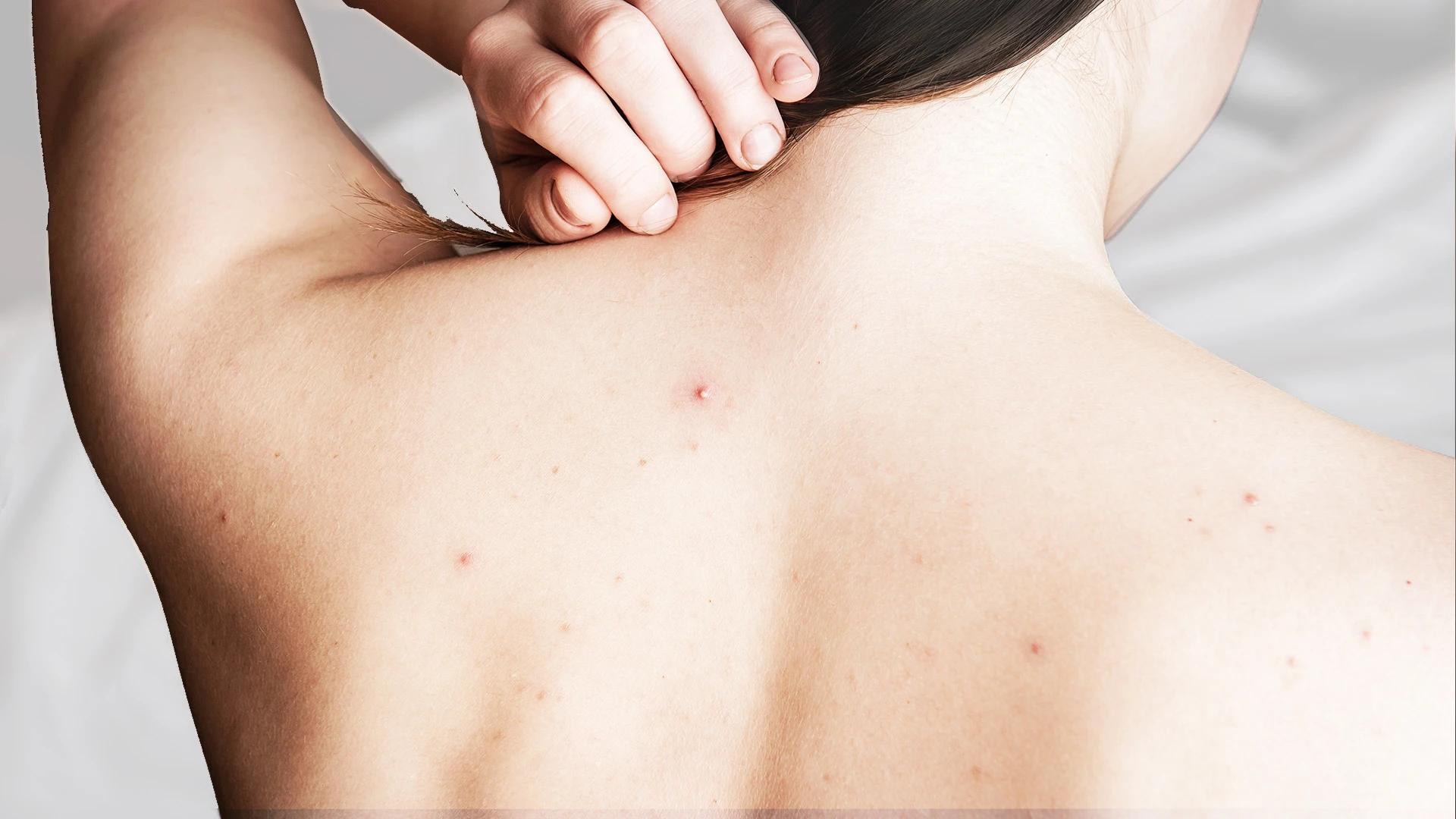

Body acne affects nearly 60% of men, yet it remains one of the most overlooked skincare concerns. Unlike facial breakouts that get immediate attention, chest and back acne often goes untreated, leading to scarring and confidence issues. The reality is that men's skin produces up to 25% more sebum than women's, making body acne a common struggle that deserves proper attention. From post-gym breakouts to those stubborn chest pimples that seem to appear overnight, understanding the right body acne routine for men can transform your skin and boost your confidence. Whether you're dealing with occasional breakouts or persistent back acne, this comprehensive guide covers everything from daily cleansing protocols to targeted treatments. At Smytten, we've seen countless men discover game-changing products through trial packs, allowing them to build effective routines without the guesswork of full-size purchases.
TL;DR
Men's body acne is primarily caused by excess sebum production, sweat, and friction from clothing or exercise
A consistent daily routine with salicylic acid body wash and benzoyl peroxide treatments can significantly reduce breakouts
Target common problem areas like chest, back, and shoulders with specific cleansing techniques and spot treatments
Post-workout hygiene is crucial - shower immediately and change into clean, breathable clothing
Professional help may be needed for severe cystic acne or persistent breakouts that don't respond to over-the-counter treatments
Men's skin faces unique challenges when it comes to body acne. Testosterone levels directly influence sebaceous gland activity, leading to increased oil production that can clog pores across the torso. This hormonal factor, combined with lifestyle elements like regular exercise and clothing friction, creates the perfect storm for body breakouts.
The most common areas for men's body acne include the back (often called 'bacne'), chest, shoulders, and buttocks. These zones have higher concentrations of sebaceous glands and are frequently covered by clothing that can trap sweat and bacteria. Unlike facial acne, body breakouts tend to be more inflammatory due to the thicker skin and deeper hair follicles in these areas.
Primary triggers for men's body acne include:
Excessive sweating during workouts or hot weather
Tight-fitting clothing that creates friction
Poor post-exercise hygiene habits
Hormonal fluctuations affecting oil production
Certain fabrics that don't allow skin to breathe
Using heavy, pore-clogging body products
Understanding these factors is the first step in developing an effective men's back acne treatment strategy. The key difference between facial and body acne lies in the treatment approach - body skin can tolerate stronger active ingredients and more frequent exfoliation, making it possible to use more aggressive clearing methods.
Creating a consistent body acne routine for men doesn't need to be complicated, but it does require commitment. The goal is to control oil production, prevent pore blockages, and reduce inflammation without over-drying the skin. A well-structured routine addresses both prevention and treatment, ensuring your skin stays clear long-term.
Start your day with a lukewarm shower using a salicylic acid body wash. The 0.5-2% salicylic acid concentration helps exfoliate dead skin cells and penetrate oil-clogged pores. Spend at least 60-90 seconds massaging the cleanser into problem areas, allowing the active ingredients to work effectively.
Morning steps for clearing body pimples men should follow:
Lukewarm water rinse to open pores gently
Apply salicylic acid body wash with circular motions
Focus extra attention on chest, back, and shoulder areas
Rinse thoroughly to prevent product buildup
Pat skin dry with a clean towel
Apply oil-free, non-comedogenic moisturiser if needed
The evening routine should be more intensive, especially after exercise. Immediate post-workout cleansing is crucial for preventing body breakouts men commonly experience. Sweat mixed with bacteria creates an ideal environment for acne-causing microorganisms to thrive.
For your evening skincare for oily skin men routine, consider incorporating benzoyl peroxide treatments 2-3 times weekly. This powerful antibacterial ingredient helps eliminate acne-causing bacteria but should be introduced gradually to prevent irritation. Always follow with a lightweight, acne-friendly moisturiser to maintain skin barrier function.
Choosing the right body wash forms the foundation of any effective men's skincare routine oily acne management plan. The best formulations combine gentle cleansing with active ingredients that target the root causes of body acne without stripping the skin's natural protective barrier.
Salicylic acid remains the gold standard for daily body acne treatment. This beta-hydroxy acid (BHA) penetrates oil-filled pores and helps dissolve the keratin plugs that lead to blackheads and whiteheads. For body use, concentrations between 0.5-2% are most effective without causing excessive dryness.
Benzoyl peroxide offers powerful antibacterial properties, making it excellent for inflammatory acne. Body skin can typically tolerate higher concentrations (2.5-5%) compared to facial skin. However, it can bleach fabrics, so use white towels and old clothing when applying.
Additional beneficial ingredients include:
Glycolic acid for weekly deep exfoliation
Tea tree oil as a natural antibacterial alternative
Niacinamide to control oil production and reduce inflammation
Zinc pyrithione for its antimicrobial properties
Proper application technique can significantly improve your results. Use a clean washcloth or your hands to create a rich lather, then massage in circular motions for at least 60 seconds. This contact time allows active ingredients to penetrate effectively. Focus on problem areas but don't neglect surrounding skin, as acne can spread to adjacent areas.
Chest acne presents unique challenges due to clothing friction, hair growth patterns, and sweat accumulation. The chest area is particularly prone to inflammatory acne because of the high density of sebaceous glands and the constant contact with clothing throughout the day.
For effective chest acne management, focus on reducing friction and maintaining proper hygiene. Choose loose-fitting, breathable fabrics like cotton or moisture-wicking materials during exercise. Avoid tight undershirts or synthetic materials that can trap sweat and bacteria against the skin.
Daily chest care routine should include:
Gentle cleansing with salicylic acid body wash
Spot treatment with benzoyl peroxide on active breakouts
Regular exfoliation with a soft-bristled brush (2-3 times weekly)
Immediate clothing change after sweating
Application of oil-free moisturiser to prevent over-drying
Prevention is often more effective than treatment when it comes to chest acne. Shower immediately after workouts, change into clean clothes daily, and wash workout gear after each use. Consider using antibacterial laundry detergent for clothing that comes into direct contact with acne-prone areas.
While most body acne responds well to consistent over-the-counter treatments, some cases require professional intervention. Recognising when to seek dermatological help can prevent scarring and reduce the time needed to achieve clear skin.
Cystic acne, characterised by deep, painful nodules that don't come to a head, requires prescription treatment. If you're experiencing widespread breakouts that don't respond to 6-8 weeks of consistent home treatment, or if you notice scarring beginning to form, it's time to consult a dermatologist.
Professional treatment options include:
Prescription topical retinoids for enhanced cell turnover
Oral antibiotics for severe inflammatory acne
Chemical peels specifically formulated for body acne
Light therapy treatments to reduce bacteria and inflammation
Most men see initial improvements within 4-6 weeks of starting a consistent routine, with significant clearing occurring by 12 weeks. Severe cases may take 6 months or longer to fully resolve. Patience and consistency are crucial for long-term success in preventing body breakouts men commonly experience.
Most men see initial improvements within 4-6 weeks of consistent treatment, with significant clearing by 12 weeks. Severe cases may require 6 months or longer. The key is maintaining your routine even after seeing initial results, as stopping treatment often leads to breakout recurrence.
While some men's face wash for acne products can work on the body, body-specific formulations are often more effective. Body skin is thicker and can tolerate higher concentrations of active ingredients like salicylic acid and benzoyl peroxide. However, if you have a gentle, effective facial cleanser, it can certainly be used on the body as well.
Yes, testosterone directly influences sebaceous gland activity, leading to increased oil production. This is why men are generally more prone to body acne than women. However, having body acne doesn't necessarily mean you have abnormally high testosterone levels - it's often just a matter of skin sensitivity to normal hormone levels.
Cotton and moisture-wicking synthetic blends are ideal for acne-prone skin. Avoid tight-fitting clothes made from non-breathable materials like polyester or nylon. Loose-fitting, breathable fabrics help reduce friction and allow sweat to evaporate rather than being trapped against the skin.
Absolutely. Even oily, acne-prone skin needs hydration. Look for oil-free, non-comedogenic moisturisers that won't clog pores. Skipping moisturiser can actually worsen acne by causing the skin to produce more oil to compensate for dryness.
Trial packs are an excellent way to test products before committing to full sizes. Smytten offers mini versions of popular body care products from trusted brands, allowing you to experiment with different formulations and find what works best for your skin type without the financial risk of purchasing full-size products that might not suit you.
Developing an effective body acne routine for men requires understanding the unique challenges male skin faces, from increased oil production to lifestyle factors like frequent exercise. The foundation of any successful routine includes consistent cleansing with salicylic acid, targeted treatment with benzoyl peroxide, and proper post-workout hygiene.
Remember that body acne treatment is a marathon, not a sprint. Most men see significant improvements within 12 weeks of consistent care, but maintaining clear skin requires ongoing attention to both skincare routine and lifestyle factors. Focus on gentle but effective products, avoid over-treating the skin, and don't hesitate to seek professional help for severe or persistent cases.
The key to success lies in finding the right combination of products and techniques that work for your specific skin type and lifestyle. Whether you're dealing with occasional chest breakouts or persistent back acne, a well-structured routine combined with patience and consistency will deliver the clear, confident skin you're looking for.
Building an effective body acne routine doesn't have to involve guesswork or expensive mistakes. Smytten's trial packs let you explore proven treatments from trusted brands like Cetaphil, WishCare, and other dermatologist-recommended options before committing to full-size purchases. With over 28 million users discovering their perfect skincare matches through authentic brand-verified minis, you can try before you buy and find exactly what works for your skin. The platform's 100% cashback on trials makes it risk-free to experiment with different formulations, whether you're looking for the perfect salicylic acid body wash or a gentle post-workout cleanser. Available on Smytten with PAN-India delivery, building your ideal body acne routine has never been more accessible or affordable. After all, why settle for maybe when you can #TryItAll and find the products that truly work for your skin?
