Blue Light Skin Damage Protection India: Your Questions Answered
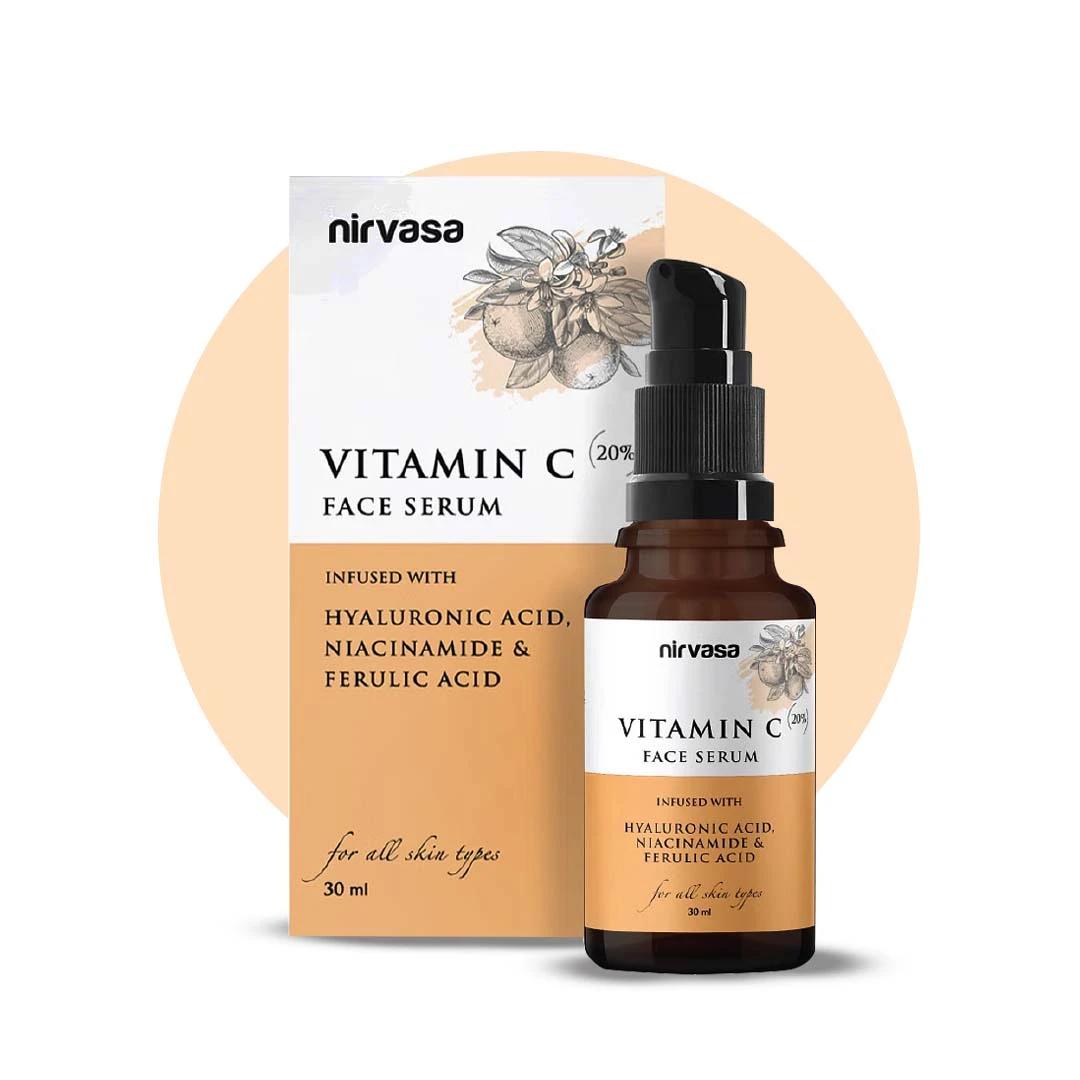

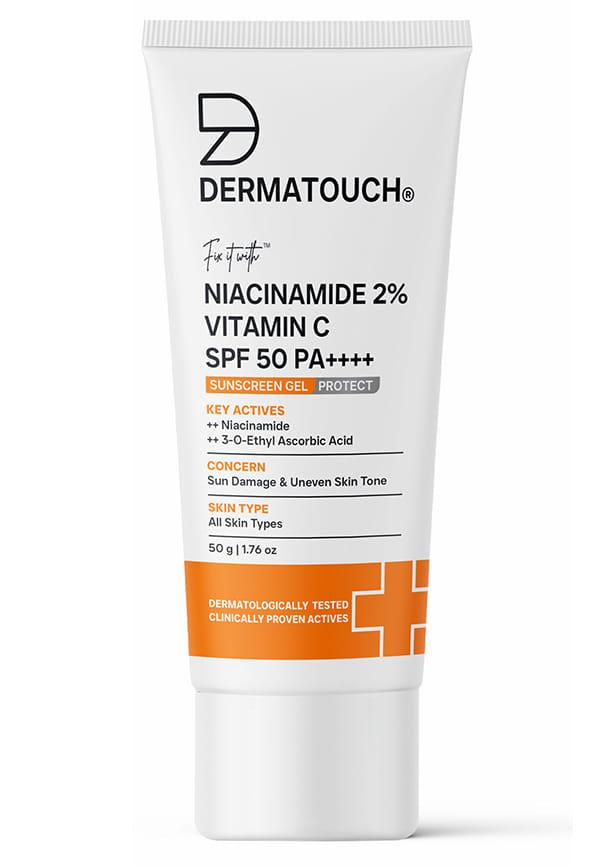
Niacinamide 2% Vitamin C Sunscreen for glowing skin, SPF 50+ PA ++++
If you've been scrolling through your phone and wondering whether all that screen time is actually ageing your skin, you're asking the right questions. With Indian professionals spending an average of 8-10 hours daily in front of digital screens, blue light exposure has become a genuine skincare concern that deserves proper attention. Unlike UV rays that we've learned to protect against religiously, blue light sneaks into our daily routine through smartphones, laptops, and even LED lighting. The science is still emerging, but early research suggests that our melanin-rich Indian skin might actually be more vulnerable to certain types of blue light damage than we initially thought. Real talk: this isn't about creating panic around your daily Netflix session, but rather understanding how modern life affects our skin and what we can actually do about it. Whether you're dealing with stubborn dark spots that seem to worsen despite your SPF routine, or you've noticed your skin looking duller after long work-from-home days, this guide covers everything you need to know about blue light protection in the Indian context. From understanding the science to finding products that actually work on Smytten's extensive trial platform, we're breaking down the blue light conversation without the fear-mongering or pseudoscience.
TL;DR
Blue light from screens and LED lights may contribute to premature ageing and hyperpigmentation, particularly in melanin-rich Indian skin
Protection involves mineral sunscreens with zinc oxide, antioxidant-rich skincare, and smart screen habits
Key protective ingredients include vitamin C, niacinamide, iron oxides, and botanical antioxidants
Prevention is more effective than treatment, but existing damage can be improved with consistent skincare and professional treatments
A comprehensive approach combining skincare, lifestyle changes, and technology solutions works best for long-term protection
Blue light, scientifically known as High Energy Visible (HEV) light, sits between 400-500 nanometres on the light spectrum. Unlike UV rays that we can't see, blue light is visible and comes from multiple sources throughout our day. Your smartphone screen emits it, your laptop display radiates it, and even the LED bulbs lighting your workspace contribute to your daily blue light exposure.
The key difference lies in penetration depth and damage mechanism. While UV rays primarily affect the skin's surface layers, blue light can penetrate deeper into the dermis where collagen and elastin live. Research published in the Journal of Investigative Dermatology suggests that blue light exposure can generate reactive oxygen species (free radicals) that damage cellular structures over time.
Here's where it gets interesting for Indian skin specifically. Melanin, which gives our skin its beautiful colour, can actually absorb more blue light than lighter skin tones. A 2020 study found that higher melanin content may increase blue light absorption, potentially making darker skin tones more susceptible to blue light-induced hyperpigmentation. This doesn't mean fair skin is immune – it simply suggests that the mechanisms of damage might differ across skin tones.
Identifying blue light damage isn't always straightforward because it often mimics other skin concerns. The effects are cumulative and subtle, building up over months and years of exposure rather than appearing overnight like a sunburn.
The first signs often appear around the eyes and upper cheeks – areas that face your screen most directly. You might notice increased dullness, particularly after long screen sessions, or dark spots that seem resistant to your usual brightening routine. Fine lines around the eyes may appear more pronounced, and your skin might feel more sensitive or reactive than usual.
Over time, unprotected blue light exposure may contribute to accelerated photoageing, including deeper wrinkles, loss of skin elasticity, and persistent hyperpigmentation. The inflammatory response triggered by blue light can also compromise your skin barrier, making it more vulnerable to environmental stressors and less able to retain moisture effectively.
Protection starts with understanding that blue light damage is preventable with the right approach. Unlike genetic ageing, environmental damage from screens is something we can actively manage through smart skincare choices and lifestyle adjustments.
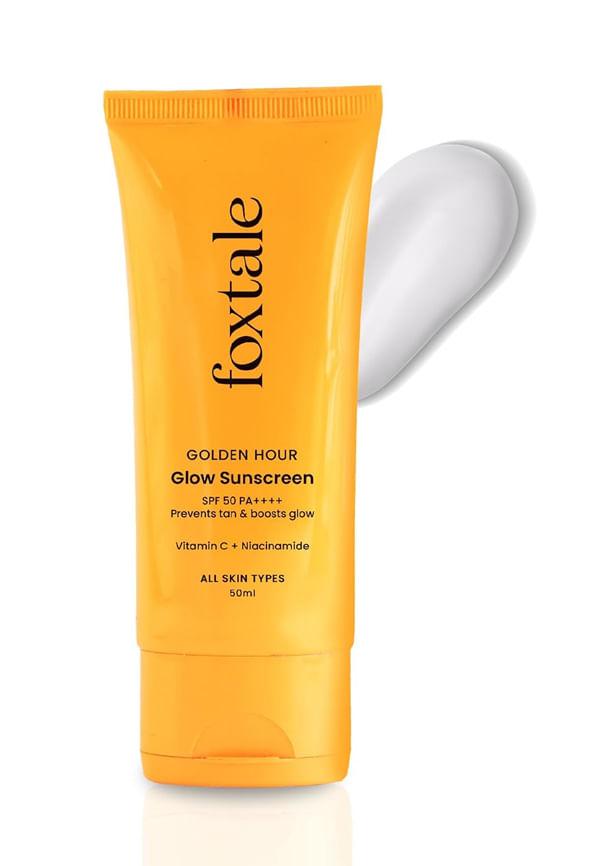
Glow Sunscreen SPF 50 PA++++ Lightweight with Vitamin C and Niacinamide
Good Sunscreen for Price
 4
4“good sunscreen for this price range”
Favorite Sunscreen: Pigmentation & Sun Protection
5“it is my favorite sunscreen that's why i ordered 2 of this sunscreen. removes pigmentation and protects from son also”
Good, no white cast
5“Bahut acha he app log le sakte ho white cast nahi shodta he”
Your first line of defence is a broad-spectrum sunscreen containing zinc oxide and iron oxides. These mineral ingredients create a physical barrier that reflects both UV and blue light away from your skin. Look for formulations specifically mentioning blue light protection – many Indian brands now include this on their labels.
Iron oxides deserve special mention here. These tinted minerals not only provide blue light protection but also help even out skin tone, making them particularly beneficial for Indian skin dealing with hyperpigmentation concerns.
Antioxidants work by neutralising the free radicals generated by blue light exposure. Vitamin C remains the gold standard, but niacinamide, vitamin E, and botanical extracts like green tea and resveratrol also offer significant protection. The key is consistency – these ingredients work best when used daily as part of your routine.
Simple changes in how you interact with screens can significantly reduce exposure. Maintain at least arm's length distance from your devices, adjust screen brightness to match your surroundings, and consider blue light filters for your devices. The 20-20-20 rule (every 20 minutes, look at something 20 feet away for 20 seconds) isn't just good for your eyes – it gives your skin a break too.
Creating an effective routine doesn't require a complete skincare overhaul. Instead, it's about strategically incorporating protective ingredients and adjusting your existing routine to address blue light exposure throughout the day.
Start with a vitamin C serum to provide antioxidant protection, followed by a broad-spectrum sunscreen with at least SPF 30. If you're dealing with hyperpigmentation, look for formulations that combine sun protection with skin-brightening ingredients like niacinamide or kojic acid.
For those long screen days, consider a tinted moisturiser with iron oxides for additional protection without the heaviness of traditional sunscreen. Hydrating mists containing antioxidants can provide midday refreshment while boosting your skin's defence mechanisms.
Night-time is when your skin repairs itself from daily damage. Incorporate ingredients like retinoids (start slowly if you're new to them), peptides for collagen support, and hydrating ingredients like hyaluronic acid to support the skin barrier.

5% Niacinamide & VIT C water-light Sunscreen gel SPF 50 Pa++++For Oily Skin,2X Glow
Loved the Product
4“loved the product , it's amazing”
Mom loves it, replaces makeup
4“I got this one for my mom, and she likes this one as she doesn't do makeup after applying this..just this one cream is enough”
Mom loves it, replaces makeup
4“I got this one for my mom, and she likes this one as she doesn't do makeup after applying this..just this one cream is enough”
Understanding which products and ingredients offer genuine blue light protection helps you make informed choices without falling for marketing hype. Not all products claiming blue light protection are created equal.
Mineral sunscreens containing zinc oxide provide the most reliable blue light protection. Chemical sunscreens may offer some protection, but the evidence is stronger for mineral formulations. Look for products that specifically mention blue light or HEV protection on the packaging.
Antioxidant serums work synergistically with sunscreen to provide comprehensive protection. Vitamin C serums are particularly effective when used in the morning, while niacinamide can be used twice daily for its anti-inflammatory and brightening benefits.
The delicate eye area often shows blue light damage first. Eye creams containing peptides, antioxidants, and light-reflecting particles can provide both protection and treatment for this vulnerable area.
While prevention is always preferable, existing blue light damage isn't permanent. With consistent care and the right ingredients, you can improve skin texture, reduce hyperpigmentation, and restore some of the radiance that blue light exposure may have diminished.
Retinoids remain the gold standard for reversing signs of photoageing, including blue light damage. Start with a low concentration and gradually increase as your skin builds tolerance. Chemical exfoliants like glycolic acid and lactic acid can help improve skin texture and fade dark spots over time.
For more significant damage, professional treatments like chemical peels, microneedling, or laser therapy can accelerate improvement. Always consult with a dermatologist familiar with treating Indian skin to avoid post-inflammatory hyperpigmentation.
Blue light damage is different from UV damage rather than necessarily worse. UV rays cause more immediate and severe damage, including sunburn and DNA damage that can lead to skin cancer. Blue light damage is more subtle and cumulative, primarily affecting skin ageing and pigmentation over time. Both require protection, but UV protection remains the priority.
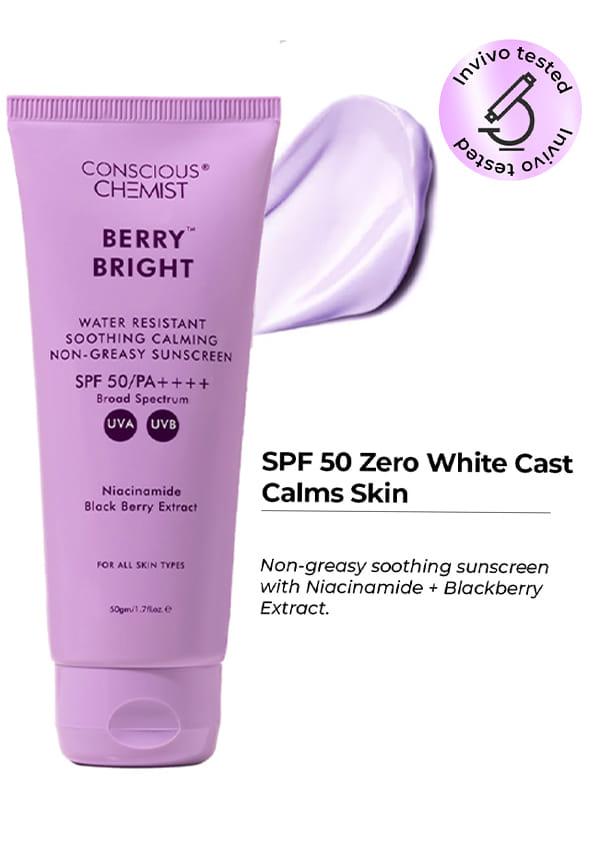
Berry Bright Niacinamide Sunscreen Spf 50 Pa++++
Really Good Product
5“really good 🤩its suits very well”
Good First Impression
4“this is my first time getting this cream.So far its good”
Good First Impression
4“this is my first time getting this cream.So far its good”
Blue light damage develops gradually over months to years of exposure. Unlike UV damage that can appear within hours, blue light effects are cumulative. You might notice increased dullness or sensitivity after particularly long screen sessions, but significant changes like hyperpigmentation or fine lines typically develop over extended periods of unprotected exposure.
Not all sunscreens provide adequate blue light protection. Chemical sunscreens primarily protect against UV rays, while mineral sunscreens containing zinc oxide and iron oxides offer better blue light protection. Look for products specifically formulated for blue light or broad-spectrum protection that includes HEV light on the label.
Yes, indoor blue light exposure from screens and LED lighting can still contribute to skin damage over time. While the intensity may be lower than outdoor UV exposure, the duration is often much longer. If you spend several hours daily in front of screens, blue light protection becomes worthwhile. You can find effective products to trial on Smytten before committing to full sizes.
Zinc oxide combined with iron oxides provides the most comprehensive blue light protection. These mineral ingredients create a physical barrier that reflects blue light away from the skin. Antioxidants like vitamin C and niacinamide complement this protection by neutralising free radicals generated by any blue light that does penetrate the skin.
Device filters are helpful but shouldn't replace proper skincare protection. Screen filters can reduce blue light emission by 20-30%, but they don't eliminate exposure entirely. You're also exposed to blue light from other sources like LED lighting throughout the day. A combination of device filters and protective skincare provides the most comprehensive approach.
Blue light protection for Indian skin requires a multifaceted approach combining the right products, smart habits, and realistic expectations. While the science is still evolving, current evidence suggests that melanin-rich skin may be particularly vulnerable to blue light-induced hyperpigmentation, making protection worthwhile for most Indian skin types.
The most effective protection comes from mineral sunscreens containing zinc oxide and iron oxides, supported by antioxidant-rich skincare and sensible screen habits. Remember that blue light damage develops gradually, so consistency in protection matters more than expensive products or dramatic routine changes.
If you're already dealing with signs of blue light damage, don't panic. With the right combination of protective and treatment ingredients, you can improve your skin's appearance while preventing further damage. The key is starting with prevention and building treatment into your routine gradually.
Navigating blue light protection doesn't have to mean overhauling your entire routine or breaking the bank on untested products. The beauty of modern skincare lies in being able to try before you buy, especially when you're exploring new categories like blue light protection. Smytten's extensive collection of trial packs from over 2,400 trusted brands means you can experiment with different blue light protection formulations without the commitment of full-size purchases. Whether you're curious about a mineral sunscreen with iron oxides or want to test an antioxidant serum's texture before investing, the platform's trial-first approach lets you discover what works for your unique skin needs. With 100% cashback on trial purchases and the convenience of finding your perfect products before buying full sizes, protecting your skin from blue light becomes an informed choice rather than an expensive guess. After all, why settle for maybe when you can try it all and find exactly what your skin needs for long-term protection and health.
