Blue Light Damage Skin Truth: Your Questions Answered


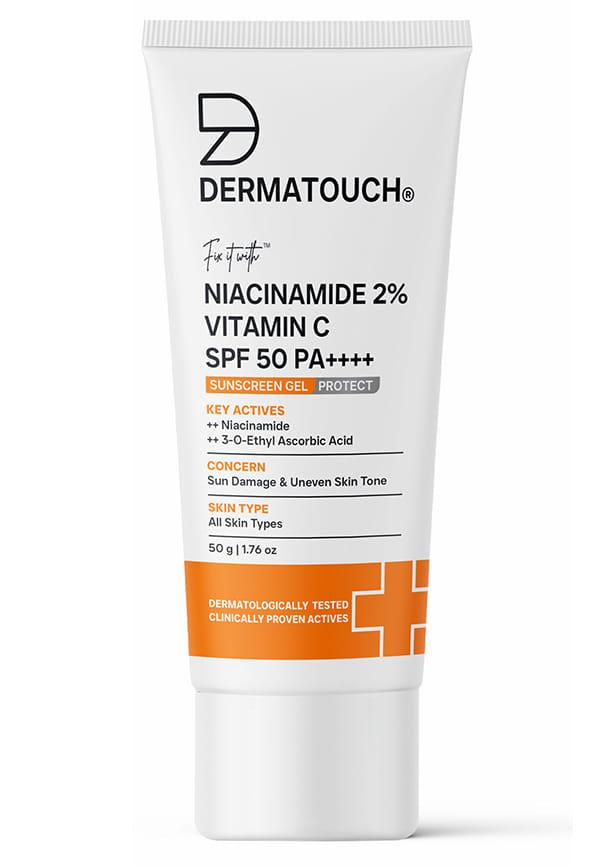
Niacinamide 2% Vitamin C Sunscreen for glowing skin, SPF 50+ PA ++++
Your phone buzzes, and instinctively, you reach for it—even though you've been staring at screens for hours. Sound familiar? Between work laptops, smartphones, and evening Netflix sessions, we're clocking serious screen time daily. But here's what's got the skincare world talking: could all this digital exposure be quietly damaging our skin? The blue light damage skin truth isn't as straightforward as some brands would have you believe, and that's exactly what we're unpacking today. From understanding what blue light actually does to your skin to separating marketing myths from scientific facts, we're diving deep into everything you need to know about protecting your complexion in our screen-saturated world. Whether you're concerned about premature ageing or wondering if that new blue light serum is worth the investment, this guide will help you make informed decisions about your skincare routine. Plus, with platforms like Smytten offering trial-sized versions of protective products, you can test what works for your skin without the full-size commitment.
TL;DR
Blue light from screens does penetrate skin and can cause oxidative stress, but the damage is significantly less severe than UV exposure
Research shows blue light may contribute to hyperpigmentation and collagen breakdown, though long-term studies are still limited
Antioxidant-rich skincare and mineral sunscreens offer proven protection against blue light effects
Many blue light skincare claims are exaggerated—focus on evidence-based ingredients like vitamin C, niacinamide, and zinc oxide
Simple lifestyle changes like screen breaks and proper skincare can effectively minimise blue light skin concerns
Let's start with the basics: blue light, also known as High Energy Visible (HEV) light, sits on the visible light spectrum between 400-500 nanometres. Unlike UV rays that we can't see, blue light is everywhere—from the sun (our primary source) to our beloved digital devices. The key difference? Blue light penetrates deeper into the skin than UVA rays, reaching the dermis where your collagen and elastin live.
Here's where it gets interesting: whilst UV radiation primarily affects the epidermis (your skin's top layer), blue light can travel deeper, potentially impacting the cellular structures responsible for skin firmness and elasticity. However, the intensity matters enormously. The sun emits about 25-30% of its energy as blue light, whilst your smartphone screen produces roughly 1000 times less blue light than direct sunlight.
Your daily blue light exposure comes from multiple sources. Natural sunlight remains the strongest source, followed by LED lighting, computer screens, smartphones, and tablets. The average person spends 7+ hours daily looking at screens, but the blue light intensity from these devices is relatively low compared to outdoor exposure.
Research suggests blue light exposure can trigger oxidative stress in skin cells, leading to the production of reactive oxygen species (ROS). These free radicals can break down collagen and elastin fibres over time, potentially contributing to premature ageing. Additionally, some studies indicate blue light may stimulate melanin production, particularly in darker skin tones, potentially leading to hyperpigmentation.
Real talk: the research on blue light damage skin truth is still evolving, but we do have some solid findings. A 2018 study published in the Journal of Investigative Dermatology found that blue light exposure could indeed cause oxidative stress in skin cells. However, the exposure levels used in laboratory studies often far exceed what you'd experience from typical screen time.
The most compelling evidence centres around oxidative stress and free radical production. When blue light penetrates your skin, it can trigger the formation of reactive oxygen species, which are essentially unstable molecules that can damage healthy skin cells. This process is similar to what happens with UV exposure, though generally less intense.
Studies have shown that prolonged blue light exposure may contribute to collagen degradation. Collagen is your skin's scaffolding—it keeps everything firm and bouncy. When blue light generates free radicals, these can attack collagen fibres, potentially leading to fine lines and loss of elasticity over time.
Here's where the research gets particularly interesting for those dealing with dark spots. Blue light appears to stimulate melanocytes (pigment-producing cells) more effectively than UVA radiation in some skin types. This means extended screen exposure could potentially worsen existing hyperpigmentation or trigger new dark spots, especially in medium to darker skin tones.
Beyond direct skin damage, blue light exposure—particularly in the evening—can disrupt your circadian rhythm. Poor sleep quality affects your skin's natural repair processes, potentially amplifying any damage from environmental stressors throughout the day.
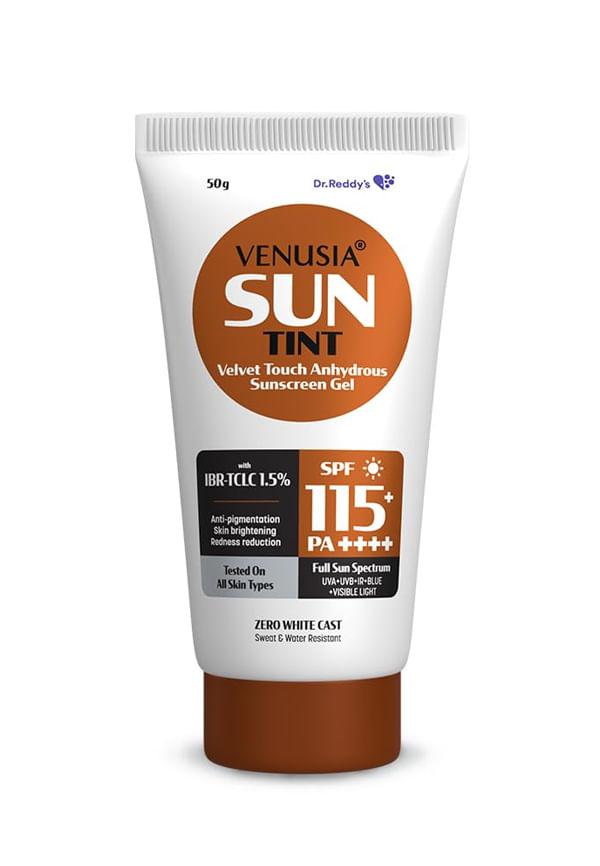
Tinted sunscreen SPF115I Full spectrum protection I UVA UVB Blue light protect
Spotting blue light skin damage isn't always straightforward because it often mimics other forms of environmental ageing. However, there are some patterns worth noting, especially if you're a heavy screen user.
The most common signs include subtle changes in skin texture, particularly around the areas most exposed during screen time—your face, neck, and hands. You might notice increased dullness, fine lines appearing earlier than expected, or dark spots that seem to worsen despite religious SPF use.
Fine lines around the eyes (hello, squinting at screens) and a general loss of skin radiance are often the first signs. Unlike sun damage, which typically shows up as distinct age spots, blue light-related changes tend to be more diffuse.
Blue light-induced hyperpigmentation often appears as a general darkening or muddy complexion rather than distinct spots. This is particularly noticeable in individuals with Fitzpatrick skin types III-V, who may see their existing melasma or post-inflammatory hyperpigmentation worsen with increased screen exposure.
Unlike sunburn, which appears within hours, blue light effects accumulate slowly. Most dermatologists suggest that significant changes would likely take months or years of consistent, high-level exposure to become visibly apparent.
Let's address the elephant in the room: some skincare marketing has definitely jumped on the blue light bandwagon with claims that aren't entirely supported by current research. Whilst blue light can affect your skin, it's not the skincare apocalypse some brands suggest.
The biggest myth? That blue light from your devices is as damaging as UV radiation. Current research simply doesn't support this claim. The intensity and duration of blue light exposure from screens is significantly lower than what you'd get from even brief sun exposure.
Many products claim to provide "complete blue light protection" or suggest that blue light is the primary cause of premature ageing. The truth is more nuanced—whilst blue light may contribute to skin ageing, factors like UV exposure, pollution, and genetics play much larger roles.
Long-term studies on real-world blue light exposure and skin ageing are still limited. Most research has been conducted in laboratory settings with exposure levels that don't necessarily reflect typical daily screen use. We need more longitudinal studies to fully understand the cumulative effects.
Now for the practical bit—how to actually protect your skin from blue light effects. The good news is that many effective strategies overlap with general good skincare practices, so you're likely already doing some of these.
The most effective approach combines topical protection with smart lifestyle choices. Think of it as a multi-layered defence system rather than relying on any single product or strategy.
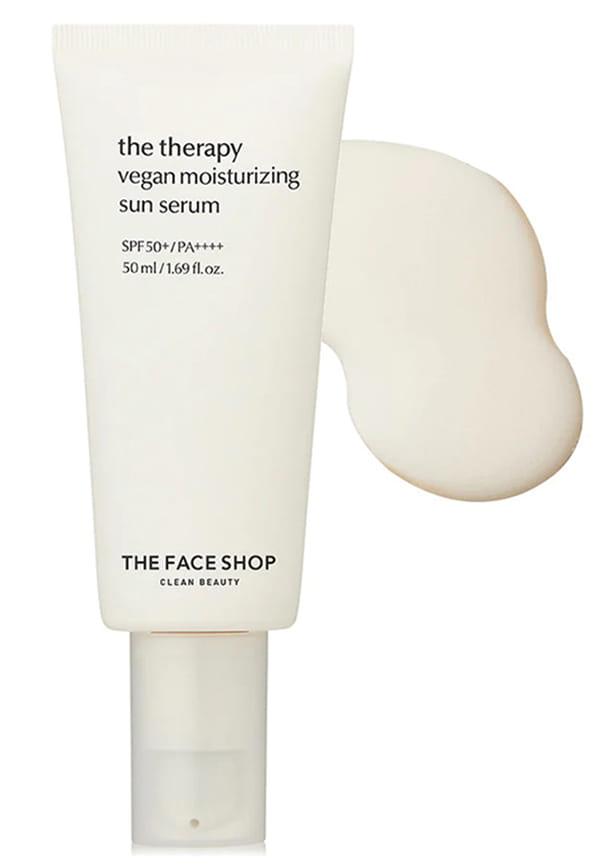
Niacinamide, UVA/B Protection Serum Sunscreen SPF 50+ PA++++
Antioxidants are your first line of defence against blue light-induced oxidative stress. Vitamin C, vitamin E, niacinamide, and green tea extract can help neutralise free radicals before they damage your skin cells. Look for serums or moisturisers containing these ingredients for daily protection.
Mineral sunscreens containing zinc oxide or titanium dioxide also provide some blue light protection. Whilst they're primarily designed for UV protection, these physical blockers can reflect some blue light wavelengths as well.
Iron oxides, often found in tinted moisturisers and foundations, are particularly effective at blocking blue light. Lutein, a carotenoid antioxidant, has also shown promise in laboratory studies for protecting against blue light damage.
Screen filters and blue light blocking glasses can reduce your overall exposure, though their effectiveness for skin protection specifically is still being studied. These tools are more proven for reducing eye strain and improving sleep quality.
Simple changes like taking regular screen breaks, adjusting your device's blue light settings, and maintaining proper distance from screens can all help minimise exposure. The 20-20-20 rule (every 20 minutes, look at something 20 feet away for 20 seconds) isn't just good for your eyes—it gives your skin a break too.
If you're already noticing signs of screen-related skin concerns, don't panic. Many of the same treatments that address UV damage can help with blue light effects too, since both involve oxidative stress and collagen breakdown.
The key is consistency and patience. Skin repair takes time, and you'll likely see gradual improvement over several months rather than dramatic overnight changes.
Chemical peels, microneedling, and laser treatments can help address hyperpigmentation and stimulate collagen production. These treatments work by encouraging skin cell turnover and triggering your skin's natural repair mechanisms.
A solid routine featuring retinoids (for collagen stimulation), vitamin C (for antioxidant protection), and niacinamide (for overall skin health) can help repair and prevent further damage. Gentle exfoliation with AHAs can also help fade dark spots over time.
Most people start seeing improvements in skin texture and radiance within 6-8 weeks of consistent treatment. Hyperpigmentation typically takes longer—expect 3-6 months for significant fading, depending on the severity and your skin type.
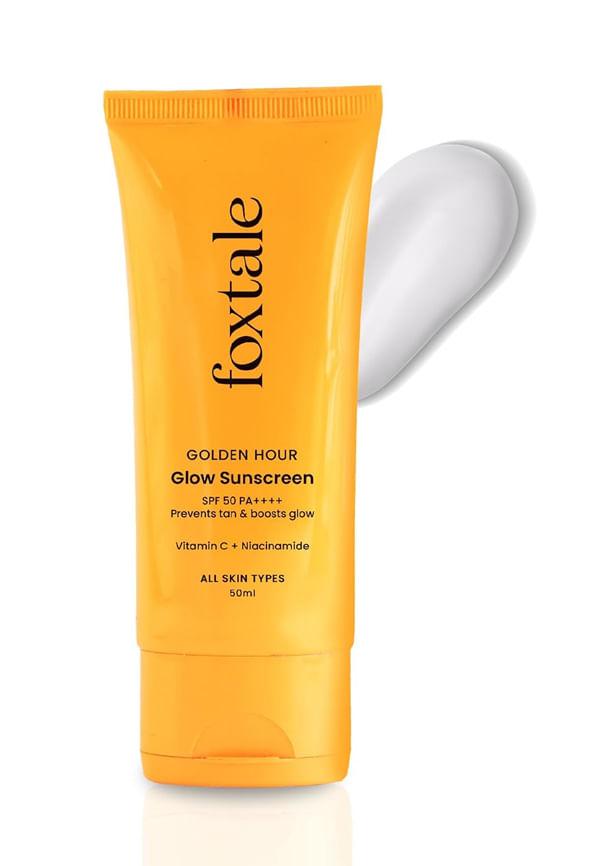
Glow Sunscreen SPF 50 PA++++ Lightweight with Vitamin C and Niacinamide
Focus on antioxidant-rich skincare, consistent SPF use, and ingredients like retinoids and vitamin C. Professional treatments like chemical peels can accelerate the process, but patience is key—skin repair takes months, not weeks.
Blue light penetrates deeper into skin than UV rays and can trigger oxidative stress, potentially leading to collagen breakdown and hyperpigmentation. However, the damage is generally much less severe than UV exposure from the sun.
No, blue light damage isn't permanent. Like other forms of environmental skin damage, it can be improved with proper skincare, professional treatments, and lifestyle changes. The key is early intervention and consistent protection.
No, current research suggests blue light damage is significantly less severe than UV damage. The sun remains the primary cause of premature skin ageing, with blue light playing a much smaller role in the overall ageing process.
There's no definitive threshold, but most research suggests that typical daily screen use (7-9 hours) produces relatively minimal skin damage compared to other environmental factors. The effects are cumulative and develop over years rather than days.
Blue light glasses primarily protect your eyes and may help with sleep quality, but they don't provide comprehensive facial skin protection. For skin protection, focus on topical antioxidants and broad-spectrum sunscreen.
Iron oxides are most effective at blocking blue light, followed by zinc oxide and titanium dioxide. Antioxidants like vitamin C, niacinamide, and lutein help protect against blue light-induced damage rather than blocking the light itself.
While it's worth being aware of blue light exposure, don't let it overshadow more important skincare concerns like UV protection and basic skin health. Focus on a well-rounded routine rather than obsessing over blue light specifically. Platforms like Smytten make it easy to trial different protective products to see what works best for your skin without committing to full sizes.
The blue light damage skin truth lies somewhere between the marketing hype and complete dismissal of the concern. Yes, blue light can affect your skin through oxidative stress and potential collagen breakdown, but it's not the primary threat to your complexion that some brands suggest.
Focus on proven protection strategies: antioxidant-rich skincare, broad-spectrum SPF, and healthy screen habits. If you're already dealing with signs of environmental damage, consistent treatment with retinoids, vitamin C, and professional guidance can help restore your skin's health over time.
Remember, good skincare is about balance and evidence-based choices. Don't let blue light concerns overshadow more established skin health priorities like sun protection, gentle cleansing, and adequate moisturisation.
Navigating skincare in the digital age means staying informed without getting caught up in every trending concern. Blue light effects on skin are real but manageable with smart, science-backed approaches. The beauty of modern skincare is having access to targeted solutions—and with Smytten's trial packs, you can explore protective products from trusted brands like Dot & Key, WishCare, and Cetaphil without the guesswork. As India's largest product discovery platform, Smytten offers curated trial-sized versions of blue light protection products, letting you test what works for your skin before investing in full sizes. With 100% cashback on trial purchases and authentic brand-verified minis available across 90% pin code coverage, you can build an effective blue light protection routine that actually suits your skin's needs. After all, why settle for maybe when you can try before you buy and discover what truly works for your digital-age skincare routine?
