Best Vitamin C Cream for Glowing Skin India: FAQ


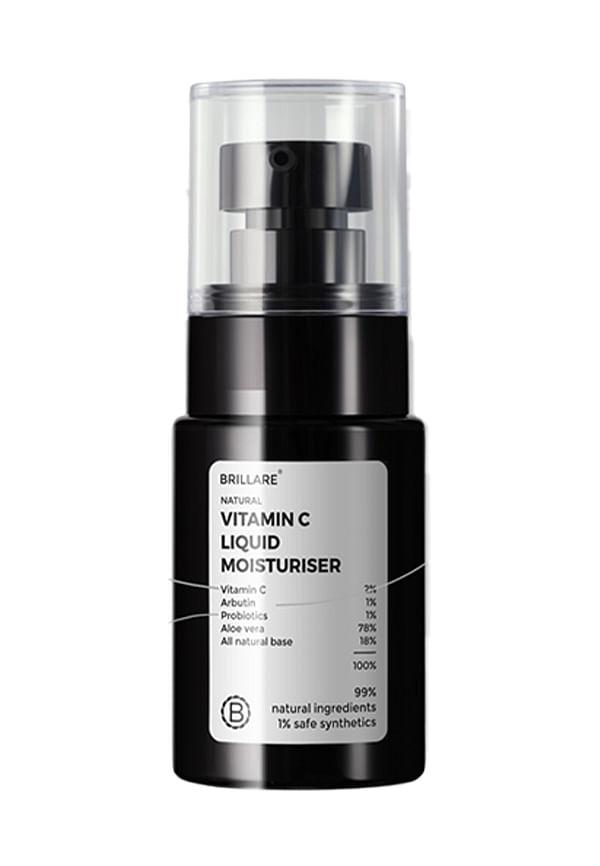
Vitamin C Liquid Moisturiser for Bright, Glowing Skin
You've been scrolling through Instagram, watching everyone achieve that effortless glow, and wondering if vitamin C cream is really the answer to your skin prayers. With countless options flooding the Indian market and conflicting advice everywhere, finding the best vitamin C cream for glowing skin feels overwhelming. Your skin deserves clarity, not confusion. Let's break down everything you need to know about vitamin C creams, from choosing the right concentration to understanding which formulation works best for your specific skin type and concerns.
Real talk: vitamin C cream benefits go far beyond the marketing hype. This powerhouse ingredient works at a cellular level to brighten, protect, and repair your skin. When you apply vitamin C topically, it stimulates collagen production, which means firmer, plumper skin over time. The antioxidant properties shield your skin from environmental damage—think pollution, UV rays, and that harsh AC air that leaves your face feeling dull.
The magic happens because vitamin C inhibits melanin production, which is why it's so effective for achieving that natural skin glow. Unlike oral vitamin C supplements that get diluted throughout your body, topical application delivers concentrated benefits directly to your skin cells. Your skin can actually absorb and utilise the vitamin C where it's needed most.
Here's what makes vitamin C cream different from serums: creams typically contain moisturising ingredients that help stabilise the vitamin C whilst providing hydration. This makes them particularly suitable for dry or sensitive skin types that might find pure vitamin C serums too harsh. The cream format also tends to be more stable, meaning your vitamin C stays potent longer.
Your skin type determines everything when it comes to choosing the right vitamin C cream for oily skin versus vitamin C cream for dry skin. India's diverse climate zones mean what works in Mumbai's humidity might not suit Delhi's dry winters.
Look for oil-free formulations with sodium ascorbyl phosphate, which has antimicrobial properties that help manage breakouts whilst brightening skin. Gel-cream textures work brilliantly here—they provide the benefits without that heavy feeling. Start with 10% concentration and avoid anything with comedogenic oils.
Your skin craves hydration alongside brightening. Choose vitamin C creams enriched with hyaluronic acid, ceramides, or glycerin. These ingredients help lock in moisture whilst the vitamin C works its magic. Magnesium ascorbyl phosphate is gentler and perfect for sensitive, dry skin that might react to stronger forms.
Start slow with ascorbyl glucoside—it's the gentlest vitamin C derivative that releases slowly into your skin. Always patch test behind your ear for 24 hours before applying to your face. If you experience any tingling or redness, switch to a lower concentration or try every other day initially.
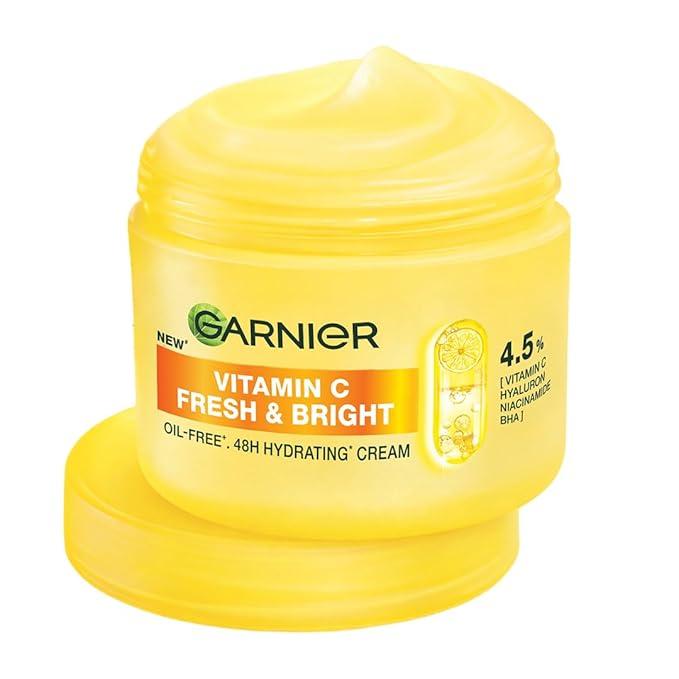
The Garnier Fresh & Bright Vitamin C Sorbet Moisturizer offers a gentle introduction to vitamin C skincare with its lightweight, sorbet-like texture that absorbs quickly without leaving residue. This formulation combines vitamin C with hydrating ingredients, making it suitable for those who want brightening benefits without overwhelming their skin, particularly in India's varying climate conditions.
Understanding ingredients helps you make smarter choices. Not all vitamin C is created equal, and knowing the difference can save you money and frustration.
L-ascorbic acid is the gold standard—most potent but also most unstable. It works fastest but requires careful storage and might irritate sensitive skin. Magnesium ascorbyl phosphate offers stability with gentleness, perfect for beginners. Sodium ascorbyl phosphate is your friend if you're dealing with acne alongside dullness.
The best skin radiance cream formulations combine vitamin C with complementary ingredients. Niacinamide helps regulate oil production and minimises pores. Hyaluronic acid plumps and hydrates. Peptides boost collagen production for that firm, youthful glow.
Yes, but let's set realistic expectations. Vitamin C cream for dark spots works by inhibiting tyrosinase, the enzyme responsible for melanin production. This means it can prevent new dark spots whilst gradually lightening existing ones.
You'll typically see initial brightening within 2-3 weeks, but significant dark spot fading takes 8-12 weeks of consistent use. Post-inflammatory hyperpigmentation from acne responds particularly well to vitamin C, especially when combined with gentle exfoliation and religious SPF use.
For stubborn pigmentation, consider layering your skin brightening cream with other proven ingredients like kojic acid or arbutin. However, introduce new actives slowly to avoid irritation. Remember, consistency trumps intensity every time.
Your vitamin C skincare routine timing matters more than you think. Most dermatologists recommend using vitamin C in the morning because its antioxidant properties provide protection throughout the day. However, if you're using other actives like retinoids at night, morning application prevents potential interactions.
Start with a gentle cleanser, apply your vitamin C cream to slightly damp skin, wait 10-15 minutes, then follow with moisturiser and SPF. This waiting period allows the vitamin C to absorb properly before layering other products. Never skip SPF—vitamin C can increase photosensitivity initially.
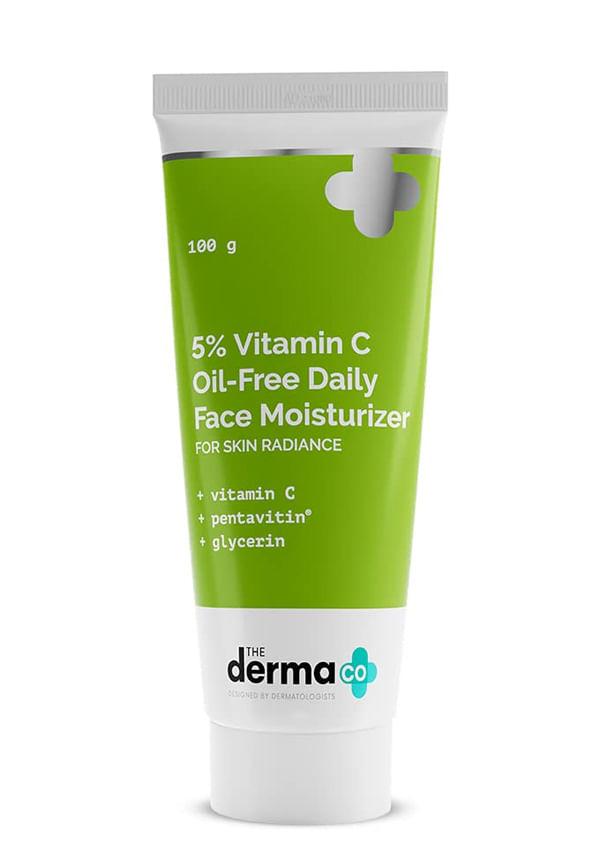
5% Vitamin C Oil-Free Daily Face Moisturizer for Skin Radiance
If your skin tolerates it better, use vitamin C at night after cleansing but before heavier moisturisers. This works particularly well for sensitive skin types who find morning application too stimulating. Just ensure you're not mixing it with retinoids or strong acids on the same night.
L-ascorbic acid provides the fastest results for skin brightening, but magnesium ascorbyl phosphate offers better stability and gentleness for daily use. For beginners, start with 5-10% concentration in a cream format. The key is consistency rather than using the highest concentration available.
The best vitamin C cream for glowing skin India depends on your skin type and budget. Look for formulations between ₹800-₹2500 that contain stable vitamin C derivatives, complementary hydrating ingredients, and come in dark or opaque packaging to prevent oxidation. Indian brands often formulate specifically for our climate conditions.
Indian skin benefits from formulations that consider our climate and pollution levels. Brands that offer oil-free options for humid conditions and extra hydration for AC-induced dryness work well. Look for brands that specifically mention stability testing and provide clear concentration information on packaging.
Initial skin brightening appears within 2-3 weeks of consistent use. Significant improvements in skin texture and glow become visible around 4-6 weeks. Dark spot fading takes 8-12 weeks minimum. Factors like skin type, concentration, and consistency of use affect timeline significantly.
Yes, most people can use vitamin C cream daily once their skin adjusts. Start with every other day for the first week, then gradually increase to daily use. If you experience irritation, reduce frequency or switch to a gentler formulation.
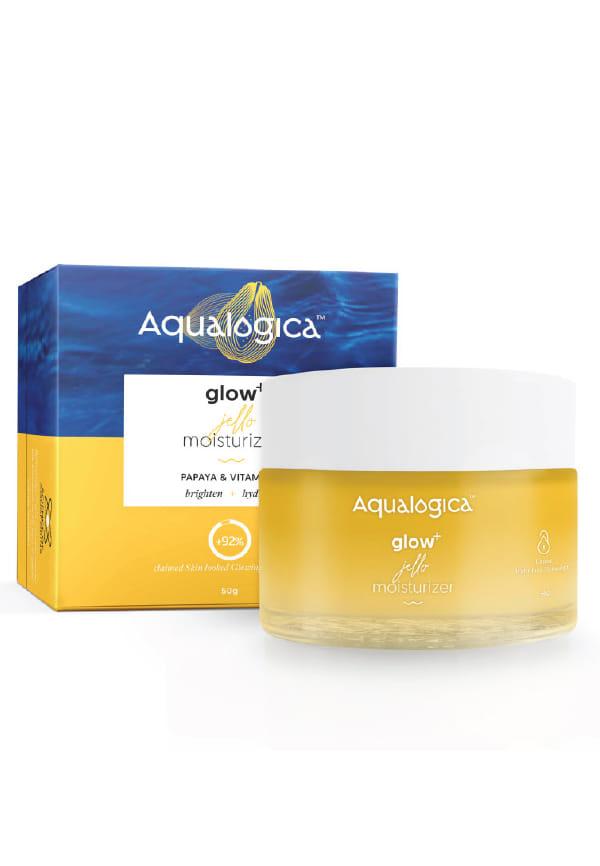
Glow+ Jello Moisturiser with Vitamin C & Papaya
Morning application is generally preferred because vitamin C's antioxidant properties provide daytime protection. However, if you use retinoids or acids at night, morning use prevents potential interactions. Some people with sensitive skin prefer evening application to avoid any initial photosensitivity.
Vitamin C pairs beautifully with hyaluronic acid, niacinamide, and moisturisers. Avoid mixing with retinoids, AHAs, or BHAs in the same routine to prevent irritation. Always use SPF when using vitamin C, especially during initial weeks of use.
Check for stable vitamin C derivatives, appropriate concentration (5-20%), complementary ingredients like hyaluronic acid, and proper packaging that protects from light and air. Avoid products with strong fragrances or alcohol if you have sensitive skin.
Storage mistakes kill vitamin C potency faster than anything else. Keep your cream in a cool, dark place—never in your bathroom cabinet where heat and humidity accelerate oxidation. If your cream turns brown or orange, it's oxidised and potentially irritating.
Don't jump to high concentrations immediately. Your skin needs time to build tolerance. Starting with 20% vitamin C when you've never used it before is asking for irritation, redness, and potential skin damage. Slow and steady wins the glow game.
Mixing incompatible ingredients is another common mistake. Vitamin C and retinoids can be used in the same routine but not simultaneously. Use vitamin C in the morning and retinoids at night, or alternate days if your skin is sensitive.
Finding the best vitamin C cream for glowing skin India isn't about the most expensive option or highest concentration. It's about understanding your skin's needs, starting slowly, and being consistent with application. Whether you're dealing with dullness from pollution, post-acne marks, or simply want that healthy glow, vitamin C cream can be a game-changer when chosen and used correctly.
Remember that skincare is personal—what works for your friend might not work for you. Pay attention to how your skin responds and adjust accordingly. With patience and the right formulation, you'll achieve that natural radiance you've been seeking.
For those curious about trying different formulations before committing to full-size products, Smytten offers an excellent way to explore various vitamin C creams from trusted brands. With over 28 million users discovering their perfect skincare matches through trial-sized products, you can test what works for your skin before making larger investments in your skincare routine.
