Best Time to Apply Face Moisturizer FAQ: Your Questions Answered

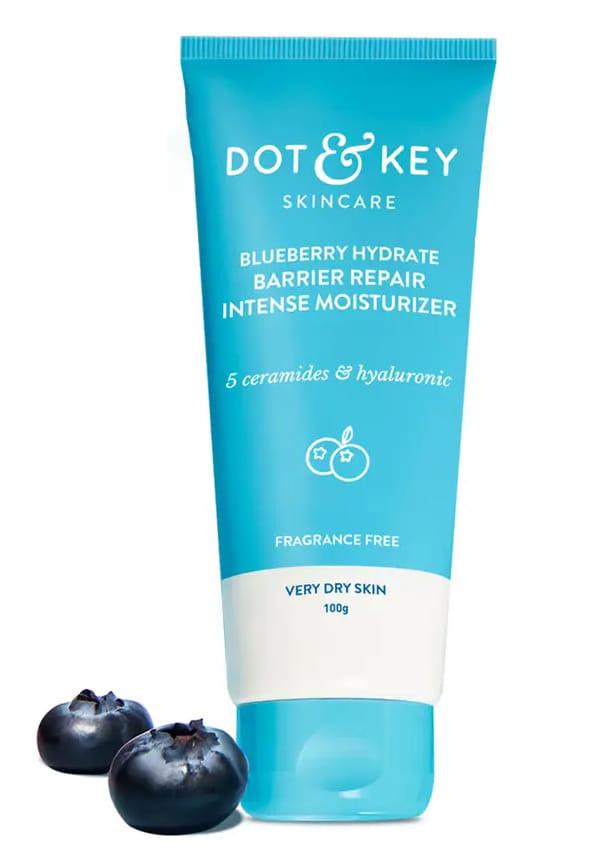
Blueberry Hydrate Barrier Repair Intense Moisturizer
Ever stood in front of your bathroom mirror, moisturiser in hand, wondering if you're applying it at the right time? You're not alone. The timing of your face moisturiser application can make or break your skincare routine, yet it's one of the most overlooked aspects of proper skincare. Whether you're dealing with morning dryness, post-gym dehydration, or that tight feeling after cleansing, understanding when to apply your face cream isn't just about following rules—it's about working with your skin's natural rhythms. From the science-backed three-second rule to navigating the morning versus night moisturiser debate, getting your timing right can transform how your skin looks and feels. At Smytten, we've seen countless users discover their perfect moisturiser through trial packs, but even the best product won't deliver results if the timing is off. Let's dive into everything you need to know about optimal moisturiser application timing.
TL;DR
Apply moisturiser within three seconds of cleansing on damp skin for maximum hydration retention
Morning application protects against environmental damage, whilst night application supports skin repair
Follow the light-to-heavy layering rule: cleanser → serum → moisturiser → sunscreen (morning)
Different skin types require tailored timing approaches for optimal results
Consistency in timing matters more than perfection—find a routine you can stick to daily
The science of moisturiser timing isn't just skincare folklore—it's rooted in how your skin actually functions. Your skin barrier works hardest when it's properly hydrated, and there's a narrow window after cleansing when your skin is most receptive to moisture.
The famous three-second rule isn't arbitrary. When you cleanse your face, you temporarily disrupt the skin barrier and remove natural oils. Within seconds, transepidermal water loss begins accelerating. Applying moisturiser whilst your skin is still damp creates an occlusive layer that traps water molecules, essentially locking in hydration before it can escape.
Research shows that damp skin can absorb moisturiser up to ten times more effectively than completely dry skin. This happens because water acts as a vehicle, helping active ingredients penetrate deeper into the stratum corneum. Think of it like a sponge—a damp sponge absorbs more liquid than a bone-dry one.
Your skin also follows natural circadian rhythms. During the day, it focuses on protection and barrier function. At night, it shifts into repair mode, increasing cell turnover and collagen production. Understanding these cycles helps explain why morning and evening moisturisers often have different formulations and why timing matters so much.
The morning versus night moisturiser debate isn't about choosing sides—it's about understanding what your skin needs at different times. Your skin has different jobs during the day and night, so your moisturiser timing should support these natural processes.
Morning application prepares your skin for the day ahead. Your moisturiser acts as a protective barrier against pollution, UV rays, and environmental stressors. It also creates a smooth base for makeup application and helps maintain hydration levels throughout the day.
Evening application supports your skin's natural repair processes. Night moisturisers are typically richer and contain ingredients like peptides or retinol that work best during the skin's regenerative phase. Your skin loses more water at night, making this the perfect time for intensive hydration.
Most dermatologists recommend applying moisturiser twice daily—once in the morning and once at night. This consistent approach ensures your skin barrier remains intact throughout the 24-hour cycle. However, if you have very oily skin, you might prefer a lighter morning application and save the heavier cream for nighttime.
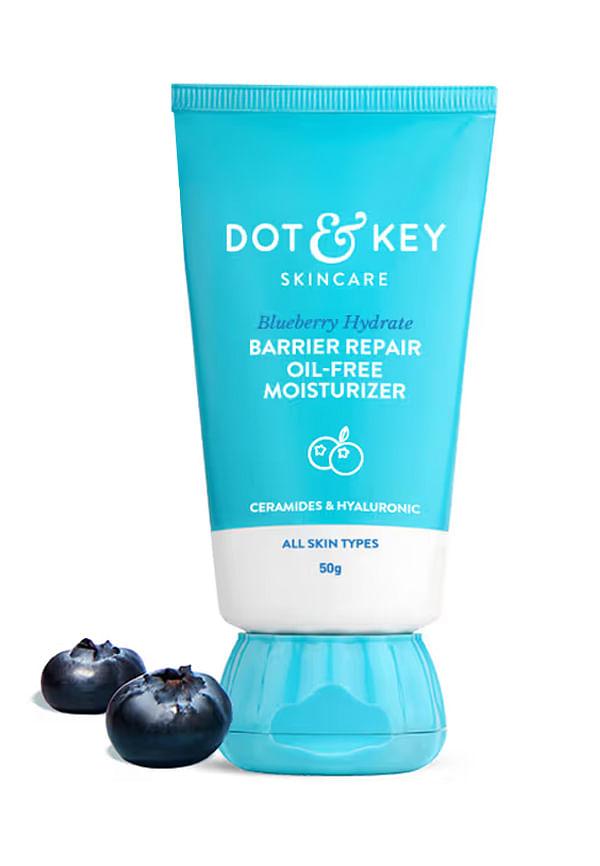
Blueberry Hydrate Barrier Repair Oil-Free Moisturizer
Getting the order right is crucial for moisturiser effectiveness. The golden rule is to apply products from thinnest to thickest consistency, allowing each layer to absorb properly before adding the next.
In your morning routine, moisturiser typically comes after cleansing and any serums, but before sunscreen. This sequence ensures your skin gets hydration whilst still allowing your SPF to form an effective protective barrier on top.
Start with a gentle cleanser, follow with any treatment serums (like vitamin C), then apply your moisturiser, and finish with broad-spectrum sunscreen. Wait about 30 seconds between each step to allow proper absorption.
Evening routines can be more complex. After cleansing, apply any treatment products (like retinoids or AHAs), wait for absorption, then follow with your night moisturiser. Some people prefer to apply treatments after moisturiser if they have sensitive skin.
Your skin type significantly influences the best timing and frequency for moisturiser application. What works for dry skin might feel heavy for oily skin, and sensitive skin requires a gentler approach altogether.
If you have dry skin, you might benefit from applying moisturiser more frequently than twice daily. Consider a light application after midday cleansing or whenever your skin feels tight. Layer a hydrating serum under your moisturiser for extra moisture retention.
Oily skin still needs moisturiser, but timing and formulation matter. Apply a lightweight, gel-based moisturiser in the morning and consider skipping heavy night creams if they cause breakouts. Focus on the three-second rule to prevent overproduction of sebum.
Sensitive skin benefits from consistent, gentle timing. Apply moisturiser immediately after cleansing to prevent irritation from environmental exposure. Avoid applying moisturiser over active treatments until you know how your skin reacts.
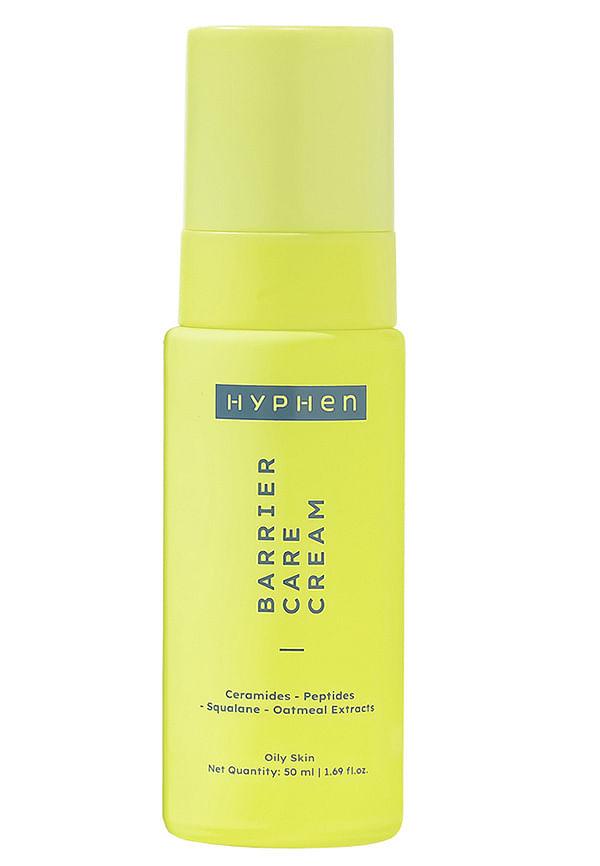
Barrier Care Cream - Oily Skin
Proper application technique is just as important as timing. The way you apply moisturiser affects how well it absorbs and how effectively it protects your skin barrier.
Start with clean hands and a pea-sized amount of moisturiser. Warm it between your palms, then gently press it into your skin using upward motions. Avoid dragging or pulling, which can cause irritation and premature ageing.
Most people use too little moisturiser. You need enough to cover your entire face and neck—typically about a quarter teaspoon. If your skin still feels tight after application, you probably need more product or a richer formulation.
Room temperature moisturiser absorbs best. Cold products can shock the skin and reduce absorption, whilst overly warm products might feel uncomfortable. Store your moisturiser in a cool, dry place away from direct sunlight.
Layering products correctly amplifies your moisturiser's benefits. Think of each product as building a foundation for the next—poor layering can prevent your moisturiser from working effectively.
If you use multiple serums, apply them in order of consistency and pH level. Vitamin C serums typically go first, followed by niacinamide or hyaluronic acid, then your moisturiser. Always allow 30-60 seconds between layers for proper absorption.
Toners and essences should be applied before moisturiser whilst skin is still damp. These products help prepare your skin to receive moisture more effectively. Pat, don't rub, to avoid disrupting the skin barrier.
In the morning, sunscreen always comes last. Wait at least two minutes after applying moisturiser before adding SPF to prevent pilling or reduced effectiveness. Some moisturisers include SPF, but dedicated sunscreen typically offers better protection.
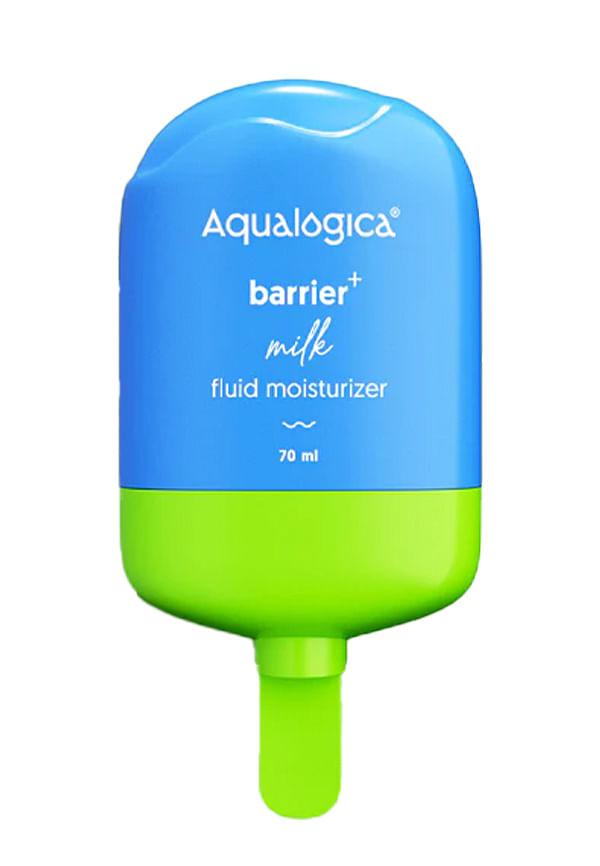
Barrier+ Milk Fluid Moisturizer
Both times are essential for optimal skin health. Morning application protects against environmental damage and creates a smooth base for makeup, whilst night application supports your skin's natural repair processes. Most dermatologists recommend twice-daily application for best results.
The three-second rule means applying moisturiser within three seconds of cleansing whilst your skin is still damp. This timing maximises moisture retention by trapping water molecules before they evaporate, making your moisturiser up to ten times more effective than applying it to completely dry skin.
Yes, especially if you have dry or dehydrated skin. You can reapply moisturiser whenever your skin feels tight or dry, but avoid over-applying heavy formulations that might clog pores. Consider using a lighter, gel-based formula for midday touch-ups.
Wait 30-60 seconds between lightweight products like serums, and up to two minutes before applying heavier products like sunscreen over moisturiser. This allows proper absorption and prevents pilling or reduced effectiveness of subsequent products.
Absolutely. Applying products in the wrong order can prevent active ingredients from penetrating effectively and reduce overall results. Always follow the thin-to-thick rule: cleanser, toner, serum, moisturiser, then sunscreen in the morning.
You can, but using different formulations optimises results. Morning moisturisers are typically lighter and may contain antioxidants for protection, whilst night moisturisers are often richer and contain repair ingredients like peptides or retinol. When exploring different options, Smytten's trial packs let you test various formulations before committing to full sizes.
The best time to apply face moisturiser isn't just about following rules—it's about understanding your skin's needs and working with its natural rhythms. Apply moisturiser within three seconds of cleansing on damp skin for maximum hydration retention, and maintain consistency with twice-daily application for optimal barrier function.
Remember that morning and night applications serve different purposes: protection during the day and repair at night. Follow proper layering techniques, adjust timing based on your skin type, and don't forget that the right product matters as much as the right timing.
Most importantly, consistency trumps perfection. A simple routine followed religiously will always outperform a complex regimen that you can't maintain. Start with the basics—cleanser, moisturiser, and sunscreen—and build from there as you understand what your skin needs.
Finding the perfect moisturiser timing is a journey, and like any good skincare routine, it requires patience and experimentation. What works for your friend might not work for you, and that's perfectly normal. Your skin's needs can change with seasons, stress levels, hormones, and age, so staying flexible with your routine is key. Smytten makes this exploration easier by offering trial packs from over 2,400 trusted brands, letting you test different moisturisers and find your perfect match without the commitment of full-size purchases. With 100% cashback on trials and the convenience of trying before you buy, you can experiment with various formulations and timing approaches until you discover what makes your skin happiest. After all, why settle for maybe when you can try it all and find exactly what works for your unique skin?
