Best Face Wash for Acne-Prone Male Skin: FAQ



Finding the right face wash when you're dealing with acne-prone skin can feel like navigating a minefield, especially for men who often face unique skincare challenges. Between thicker skin, higher oil production, and daily shaving irritation, male skin requires a thoughtful approach to cleansing. The good news? Understanding which ingredients actually work—and which ones to steer clear of—can transform your skincare routine from guesswork into a targeted strategy. Whether you're battling occasional breakouts or persistent acne, the right cleanser forms the foundation of clear skin. At Smytten, we've seen countless men discover their perfect match through trial-sized products, allowing them to test formulations before committing to full sizes. This guide breaks down everything you need to know about choosing the best face wash for acne-prone male skin, from powerhouse ingredients to common pitfalls.
TL;DR
Male skin produces more oil and has larger pores, making targeted acne treatment essential
Look for salicylic acid (0.5-2%), benzoyl peroxide (2.5-10%), and niacinamide in your cleanser
Avoid comedogenic ingredients like mineral oil, harsh sulfates, and alcohol-based formulations
Build a consistent routine with gentle cleansing twice daily and complementary treatments
Consider dermatologist-recommended options and trial sizes to find your perfect match
Male skin isn't just a thicker version of female skin—it's fundamentally different in ways that directly impact acne development and treatment. Understanding these differences is crucial for choosing an effective acne wash for men that actually addresses your skin's specific needs.
Men's skin is typically 20-25% thicker than women's, with significantly larger pores and higher sebum production. This increased oil production, driven by testosterone, creates an ideal environment for acne-causing bacteria to thrive. The thicker skin structure also means that active ingredients need to work harder to penetrate effectively, making ingredient concentration and formulation crucial factors in male skincare for acne.
Daily shaving creates micro-cuts and irritation that can worsen existing breakouts or trigger new ones. Sweat from workouts, combined with styling products and environmental pollutants, creates a perfect storm for clogged pores. Many men also tend to touch their faces more frequently throughout the day, transferring bacteria and oils that contribute to acne formation.
When shopping for the best cleanser for men's oily face, certain ingredients have proven track records for managing acne effectively. These powerhouse components work through different mechanisms to address the root causes of breakouts.
Salicylic acid, a beta-hydroxy acid (BHA), penetrates oil-filled pores more effectively than water-soluble alternatives. For men with naturally oilier skin, this ingredient excels at dissolving the sebum and dead skin cells that create blackheads and whiteheads. Look for concentrations between 0.5-2% in your daily cleanser—higher percentages can cause excessive dryness and irritation.
This antibacterial powerhouse targets P. acnes bacteria directly, making it particularly effective for inflammatory acne. Benzoyl peroxide works by releasing oxygen into pores, creating an environment where acne bacteria cannot survive. Start with 2.5% concentrations to assess your skin's tolerance, as higher percentages (up to 10%) can cause significant dryness and potential bleaching of fabrics.
Also known as vitamin B3, niacinamide offers oil control without the harsh side effects of stronger actives. This ingredient reduces sebum production while providing anti-inflammatory benefits, making it ideal for men with sensitive skin or those new to active ingredients. It works particularly well in combination with other acne-fighting ingredients.
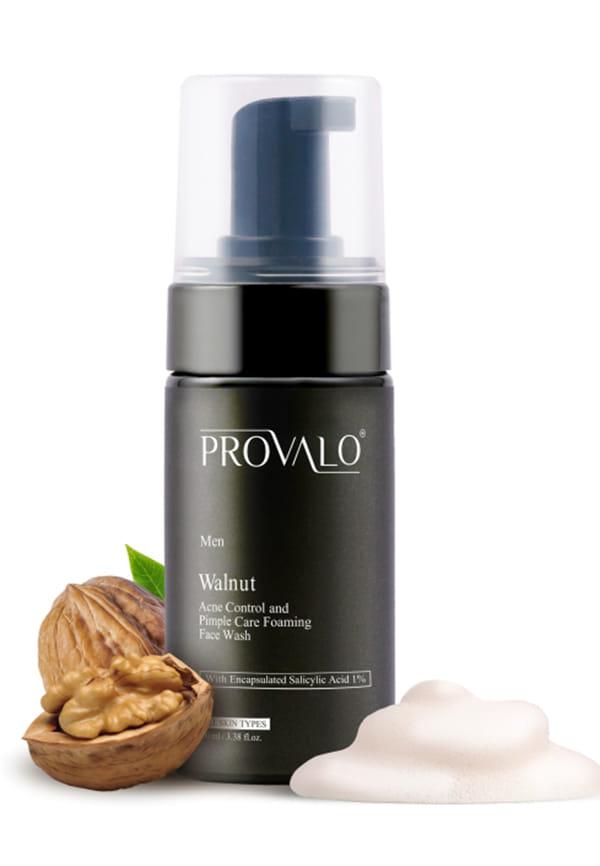
Walnut Acne Control and Pimple Care Foaming Face Wash (Men)
Amazing Product
 5
5“this is a wow product I love it”
Look for cleansers that include ceramides to maintain your skin barrier, hyaluronic acid for lightweight hydration, and gentle surfactants like sodium cocoyl glutamate that cleanse effectively without stripping natural oils. These supporting players ensure your skin stays balanced while the active ingredients do their work.
Understanding what to avoid is just as important as knowing what to seek out. Many popular skincare ingredients can actually worsen acne or cause irritation, particularly in men's naturally oilier skin.
Mineral oil, petrolatum, and heavy emollients can create a barrier that traps oil and bacteria in pores. While these ingredients aren't inherently bad, they're problematic for acne-prone skin. Check ingredient lists for comedogenic ratings—anything rated 3 or higher on the 0-5 scale should be avoided if you're prone to breakouts.
Alcohol-based formulations might feel refreshing initially, but they strip your skin's natural barrier, triggering increased oil production as your skin tries to compensate. Harsh sulfates like sodium lauryl sulfate can cause similar issues, leading to the over-cleansing cycle that actually worsens acne over time.
Coconut oil, despite its popularity, is highly comedogenic and can worsen acne in many people. Essential oils like tea tree oil can cause sensitivity reactions, while physical scrubs with beads or shells can create micro-tears that allow bacteria to penetrate deeper into the skin.
Selecting the right cleanser requires honest assessment of your skin type, acne severity, and lifestyle factors. A dermatologist recommended acne wash should address your specific concerns without causing additional irritation.
Mild acne with occasional blackheads and small pimples can often be managed with salicylic acid cleansers. Moderate acne with more frequent breakouts and some inflammation may benefit from benzoyl peroxide formulations. Severe acne with cysts and widespread inflammation typically requires professional treatment alongside gentle, non-irritating cleansers.
Look for non-comedogenic formulations that won't clog pores, pH-balanced cleansers (around 5.5) that maintain your skin's natural acid mantle, and gentle cleansing action that removes oil and impurities without over-stripping. The Garnier Men Anti-Pimple Face Wash exemplifies these principles, combining effective acne-fighting ingredients with a formulation designed specifically for men's skin needs, offering targeted treatment for breakouts while maintaining skin balance.
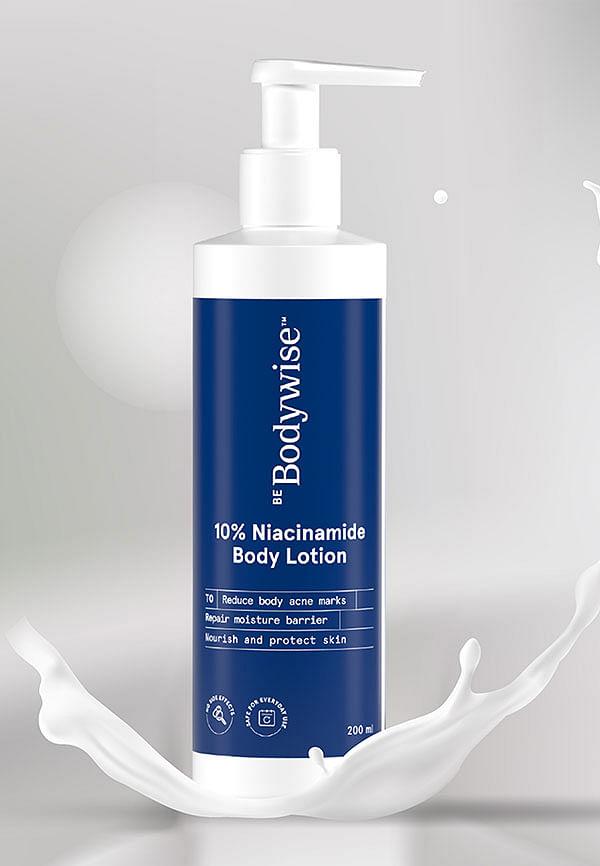
10% Niacinamide Body Lotion For Acne Marks
Active ingredients should be listed with their concentrations clearly stated. Be wary of products that rely heavily on marketing claims without backing them up with proven ingredients. Understanding INCI names (International Nomenclature of Cosmetic Ingredients) helps you identify beneficial and problematic components regardless of how they're marketed.
A great cleanser is just the starting point—how you use it and what you pair it with determines your overall success in managing acne-prone skin.
Start with lukewarm water and your chosen cleanser, massaging gently for 30-60 seconds before rinsing thoroughly. Pat dry with a clean towel and follow with a lightweight, non-comedogenic moisturiser and broad-spectrum SPF. This simple routine sets the foundation for clear skin without overwhelming your pores.
Evening cleansing can be more thorough, especially if you've been active or used styling products. Consider double cleansing if you use sunscreen or have been in particularly polluted environments. This is also the ideal time to apply any treatment products like spot treatments or serums containing active ingredients.
Gentle exfoliation 1-2 times per week can help prevent pore blockages, but avoid over-exfoliating which can worsen acne. Clay masks can provide deep pore cleansing for oily skin types, while hydrating masks can help if your acne treatments are causing dryness.
While the right cleanser forms your routine's foundation, comprehensive acne management often requires additional strategies and products working in harmony.
Spot treatments containing higher concentrations of salicylic acid or benzoyl peroxide can target individual breakouts without affecting your entire face. Lightweight, oil-free moisturisers prevent the dryness that can trigger increased oil production. Don't skip SPF—many acne treatments increase photosensitivity, making sun protection essential.
Diet doesn't directly cause acne, but high-glycemic foods and dairy products may worsen existing breakouts in some people. Stress management through exercise, adequate sleep, and relaxation techniques can help regulate hormones that influence oil production. Clean pillowcases, phone screens, and anything that regularly touches your face.
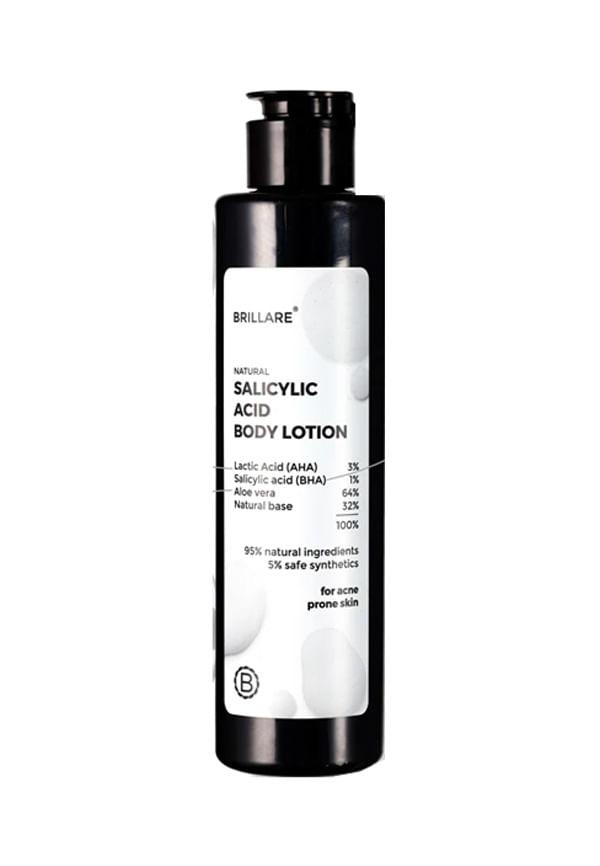
1% Salicylic Acid Body Lotion for Acne-Prone Skin
If over-the-counter treatments haven't improved your skin after 6-8 weeks of consistent use, or if you're dealing with painful cysts, scarring, or widespread inflammation, professional treatment may be necessary. Dermatologists can prescribe stronger topical treatments or oral medications that address acne from multiple angles.
Focus on salicylic acid (0.5-2%) for pore-clearing action, benzoyl peroxide (2.5-10%) for bacterial control, and niacinamide for oil regulation without irritation. Supporting ingredients like ceramides and hyaluronic acid help maintain skin balance while active ingredients work.
Twice daily is optimal for most men—morning and evening. Over-washing can strip natural oils and trigger increased sebum production, while under-washing allows oil and bacteria to accumulate. Adjust frequency based on your skin's response and activity level.
Avoid comedogenic ingredients like mineral oil and petrolatum, harsh sulfates that strip natural oils, alcohol-based formulations that cause dryness, and fragrances or dyes that can trigger irritation. Physical scrubs with beads can also worsen acne by creating micro-tears.
Your skin's needs may change with seasons, stress levels, and age. Summer might require stronger oil control, while winter may need gentler formulations. Having trial sizes from Smytten allows you to test different options and adjust your routine as needed without committing to full-size products.
Salicylic acid excels at preventing blackheads and whiteheads by keeping pores clear, while benzoyl peroxide targets inflammatory acne by killing bacteria. Salicylic acid is generally gentler and better for daily use, while benzoyl peroxide is more potent but can cause dryness and bleaching.
Most people notice initial improvements within 2-4 weeks of consistent use, with significant results appearing after 6-8 weeks. However, some people may experience a brief purging period where existing blockages surface before skin improves. Patience and consistency are key to success.
Choosing the best face wash for acne-prone male skin requires understanding your skin's unique characteristics and selecting ingredients that address oil production, bacterial growth, and pore blockages effectively. Salicylic acid, benzoyl peroxide, and niacinamide form the foundation of effective acne treatment, while avoiding comedogenic and irritating ingredients prevents worsening of existing breakouts. Building a consistent routine with gentle cleansing twice daily, appropriate moisturising, and sun protection creates the optimal environment for clear skin. Remember that results take time—typically 6-8 weeks of consistent use—and what works for others may not work for you, making trial options invaluable for finding your perfect match.
Finding the right acne treatment doesn't have to involve expensive mistakes or bathroom cabinets full of half-used products. Smytten's trial packs let you explore effective cleansers and treatments from trusted brands before committing to full sizes, making it easier than ever to discover what actually works for your skin. With over 28 million users and authentic brand-verified minis available across India, you can try before you buy and build a skincare routine based on real results rather than marketing promises. After all, why settle for maybe when you can try it all and find exactly what your acne-prone skin needs?
