Azelaic Acid for Indian Skin FAQ: Acne & Pigmentation Explained

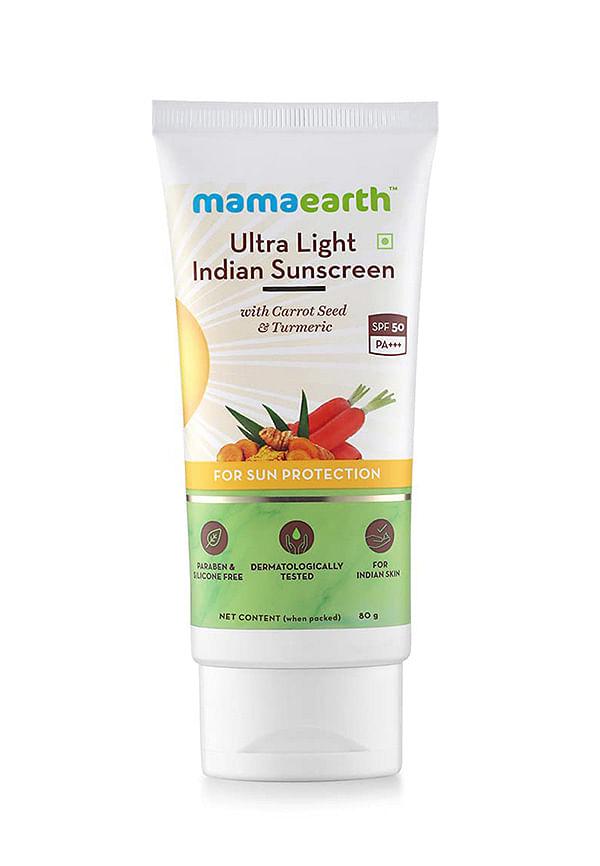
Ultra Light indian Sunscreen
If you've been battling stubborn acne marks or uneven skin tone, you've probably scrolled through countless ingredient lists wondering which one might actually work for your skin. Azelaic acid keeps popping up in conversations about gentle yet effective skincare, especially for those of us dealing with post-breakout pigmentation. Unlike some acids that can feel too harsh or unpredictable on Indian skin, azelaic acid offers a gentler approach to tackling both active acne and the dark spots it leaves behind. Real talk: it's one of those ingredients that works quietly but consistently, making it worth understanding properly.
Indian skin comes with its own unique characteristics and concerns, and azelaic acid seems almost tailor-made for addressing them. Unlike stronger acids that can sometimes cause irritation or unexpected reactions on melanin-rich skin, azelaic acid offers a gentler approach that still delivers real results.
The beauty of azelaic acid for Indian skin lies in its multi-targeting nature. It doesn't just focus on one concern—it tackles the interconnected issues many of us face. Think about it: you get a breakout, it heals, but then you're left with a dark mark that seems to stick around forever. Traditional treatments often address either the acne or the pigmentation, but rarely both effectively.
Azelaic acid benefits for skin include its naturally occurring properties—it's found in grains like wheat and barley, making it less likely to cause the kind of sensitivity reactions that synthetic ingredients sometimes trigger. For Indian skin, which can be prone to post-inflammatory hyperpigmentation, this gentleness is crucial.
The ingredient works without the bleaching risks associated with some other brightening treatments. This is particularly important for darker skin tones, where aggressive treatments can sometimes cause unwanted lightening or create uneven patches.
Azelaic acid for acne works through multiple mechanisms, which explains why it's so effective for the complex breakout patterns many of us experience. Rather than just drying out spots or stripping the skin, it addresses the root causes of acne formation.
The antibacterial properties of azelaic acid specifically target Propionibacterium acnes, the bacteria responsible for inflammatory acne. What's particularly clever about this ingredient is that it doesn't just kill existing bacteria—it creates an environment where acne-causing bacteria struggle to thrive in the first place.
One of the most frustrating aspects of treating acne on Indian skin is finding something that clears pores without leaving your skin feeling tight or flaky. Azelaic acid uses include normalising skin cell turnover, which means dead skin cells don't build up and clog pores as easily.
This gentle exfoliation happens at a cellular level, preventing both blackheads and whiteheads from forming. Unlike some acids that can leave your skin feeling raw, azelaic acid maintains your skin's natural barrier while it works.
When you're dealing with angry, inflamed spots, the anti-inflammatory properties of azelaic acid can be genuinely soothing. It reduces the redness and swelling that make breakouts so noticeable, helping active spots heal faster and with less chance of leaving marks behind.
This is where azelaic acid for hyperpigmentation really shines, especially for Indian skin. Post-acne marks, melasma, and general uneven skin tone are concerns many of us share, and finding a treatment that works without causing irritation can feel impossible.
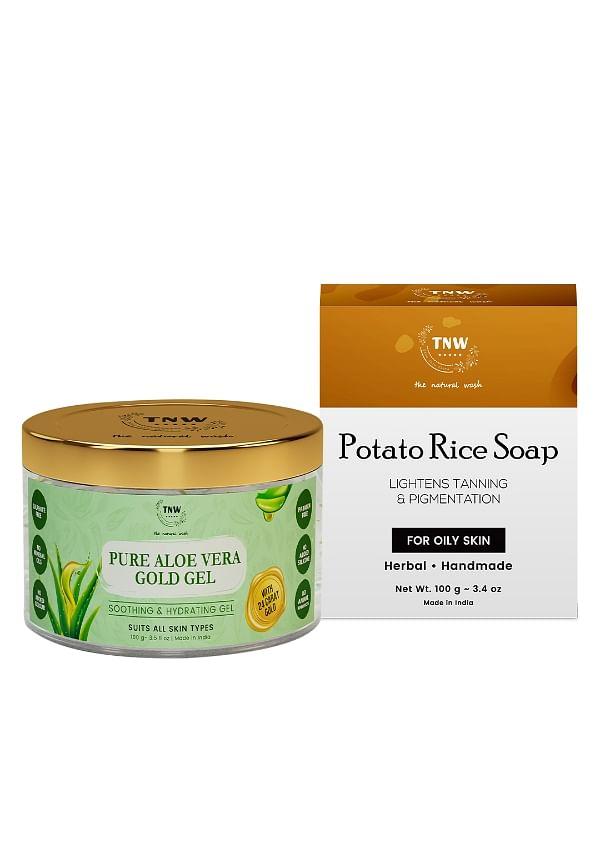
Pure 24k Gold Aloe Vera Gel for Face Skin, Scars & Sunburn with Handmade Potato Rice Soap Reduces Tanning & Pigmentation-Diminishes Dark Spots
Azelaic acid dark spots treatment works by inhibiting tyrosinase, the enzyme responsible for melanin production. But unlike some harsh bleaching agents, it doesn't completely shut down melanin production—it simply regulates it, helping to prevent the overproduction that leads to dark spots.
Those stubborn marks that linger long after a spot has healed respond particularly well to azelaic acid. The ingredient helps fade post-inflammatory hyperpigmentation gradually and safely, without the risk of creating lighter patches that can look unnatural on darker skin tones.
What makes this especially valuable is that you can treat existing marks while preventing new ones from forming, since you're addressing both acne and pigmentation simultaneously.
Azelaic acid skin brightening extends beyond just acne marks. Clinical studies have shown its effectiveness in treating melasma, those patches of pigmentation that can appear due to hormonal changes or sun exposure. For many people, combining azelaic acid with ingredients like niacinamide creates an even more effective approach to evening out skin tone.
When you're looking for the best azelaic acid serum, concentration matters more than you might think. The percentage determines not just how quickly you'll see results, but also how your skin will tolerate the treatment.
Most over-the-counter formulations contain around 10% azelaic acid, which is perfect for beginners or those with sensitive skin. This concentration provides gentle but noticeable results over time, making it ideal for long-term use without irritation.
A 10% concentration allows you to build tolerance gradually while still seeing improvements in both acne and pigmentation. Many people find this strength effective enough for their concerns, especially when used consistently over several months.
Higher concentrations, typically around 15-20%, are usually prescription-strength and reserved for more stubborn concerns. While they can provide faster results, they also come with a higher risk of irritation, particularly when you're first starting out.
Getting the timing and application right can make all the difference in how well azelaic acid works for your skin. Unlike some acids that are strictly nighttime treatments, azelaic acid can be used both morning and evening, though many people prefer to start with once-daily application.
If you're using it in the morning, always follow with a broad-spectrum SPF. While azelaic acid doesn't increase photosensitivity like some other acids, protecting your skin from UV damage is crucial when you're treating pigmentation.
Start with every other day application, paying attention to how your skin responds. Some initial tingling is normal, but if you experience persistent irritation, reduce frequency until your skin adjusts.
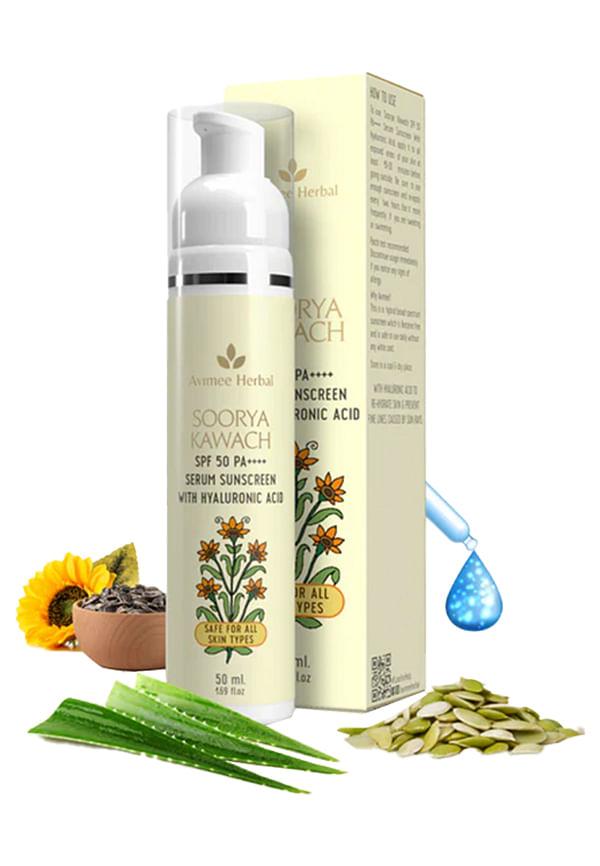
Soorya Kawach Sunscreen with Hyaluronic Acid
The key is consistency rather than intensity. Regular, gentle use will give you better long-term results than aggressive application that leads to irritation and breaks in your routine.
While azelaic acid is generally well-tolerated, understanding potential azelaic acid side effects helps you use it more effectively. The most common initial reactions include mild tingling, slight redness, or temporary dryness as your skin adjusts to the ingredient.
These effects typically subside within the first few weeks of use. If they persist or worsen, it might indicate that you're using too high a concentration or applying it too frequently for your current skin tolerance.
Pregnant and breastfeeding women should consult their healthcare provider before using azelaic acid, though it's generally considered safer than many other acne treatments during pregnancy.
If you have very sensitive skin or conditions like eczema, patch testing is particularly important. Apply a small amount to your inner arm and wait 24-48 hours to check for any adverse reactions.
Azelaic acid plays well with most skincare ingredients, making it easy to incorporate into existing routines. It combines particularly well with niacinamide for enhanced pigmentation treatment, and with hyaluronic acid for added hydration.
Avoid using it simultaneously with strong retinoids or high-concentration vitamin C, as this combination might cause unnecessary irritation. Instead, alternate these ingredients or use them at different times of day.
Understanding realistic timelines helps set proper expectations for your azelaic acid journey. Unlike some treatments that promise overnight results, azelaic acid works gradually but consistently.
Within the first 2-4 weeks, you might notice reduced inflammation and a smoother skin texture. Active breakouts may heal faster, and your skin might feel calmer overall.
At the 6-12 week mark, acne reduction becomes more noticeable, and recent dark spots start to fade. This is when many people really start to see the dual benefits of clearer skin and more even tone.
The most significant improvements in pigmentation typically occur after 3-6 months of consistent use. Stubborn marks that have been there for months or years take time to fade, but the gradual improvement is usually worth the patience.
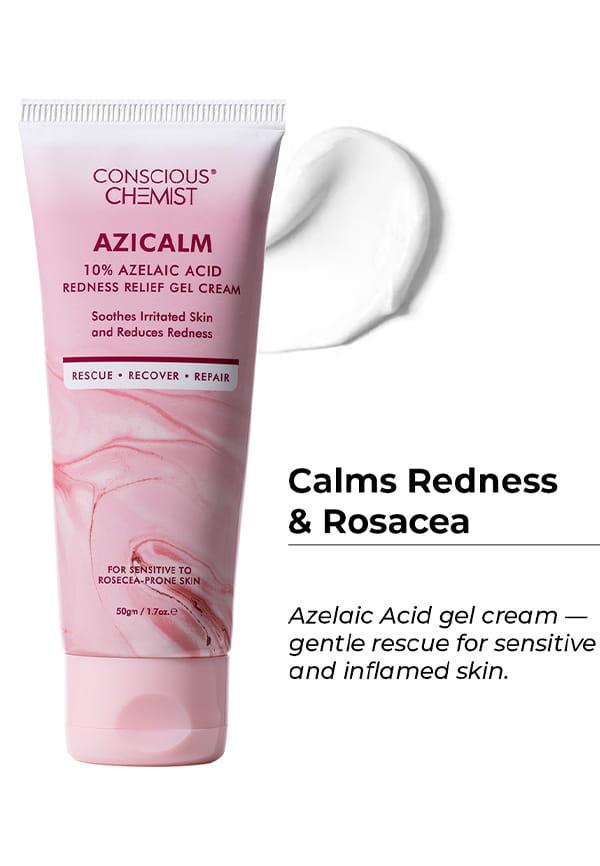
Azicalm Face Cream With 10% Azelaic Acid
Both ingredients are effective for acne, but they work differently. Azelaic acid tends to be gentler and offers additional benefits for pigmentation, making it ideal for those dealing with both acne and dark spots. Adapalene might work faster for purely acne-focused concerns, but azelaic acid provides a more comprehensive approach for Indian skin dealing with post-inflammatory hyperpigmentation.
Azelaic acid rosacea treatment is well-documented, and it's particularly effective for reducing the redness and inflammation associated with this condition. Its anti-inflammatory properties make it suitable for the sensitive, reactive skin that often comes with rosacea, and it can be used long-term without the side effects associated with some other rosacea treatments.
Both ingredients are excellent for treating hyperpigmentation, but they work through different mechanisms. Azelaic acid directly inhibits melanin production while also treating acne, making it ideal for post-acne marks. Niacinamide focuses more on preventing pigment transfer and strengthening the skin barrier. Many people find that using both ingredients together provides enhanced results for stubborn pigmentation.
Look for formulations with 10% azelaic acid that include soothing ingredients like niacinamide or hyaluronic acid. Gel-based formulas tend to absorb better on Indian skin, while cream formulations might be better for those with drier skin types. Start with products that have minimal additional actives to see how your skin responds to azelaic acid specifically.
Pigmentation improvements typically become noticeable after 6-8 weeks of consistent use, with more significant changes occurring after 3-4 months. Recent marks from acne may fade faster than older, more established pigmentation. Consistency is key—irregular use will significantly slow down results.
While not harmful, using azelaic acid and vitamin C together might cause irritation for some people. If you want to use both, try applying vitamin C in the morning and azelaic acid in the evening, or alternate days until you know how your skin responds to the combination.
Azelaic acid offers a uniquely gentle yet effective approach to two of the most common skin concerns for Indian skin: acne and the pigmentation it leaves behind. Unlike treatments that force you to choose between addressing breakouts or dark spots, this ingredient tackles both simultaneously while respecting your skin's natural balance.
The key to success with azelaic acid lies in patience and consistency. It's not about dramatic overnight changes, but rather steady, sustainable improvements that build over time. For many people, this gentler approach actually leads to better long-term results because it doesn't disrupt the skin barrier or cause the irritation that can set back progress.
Whether you're dealing with stubborn post-acne marks, ongoing breakouts, or general uneven skin tone, azelaic acid deserves consideration as a cornerstone ingredient in your routine. Its safety profile and compatibility with other skincare ingredients make it particularly valuable for building a comprehensive approach to clearer, more even-toned skin.
If you're curious about trying azelaic acid but want to test how your skin responds before committing to a full-size product, Smytten's curated selection includes minis from trusted brands that feature this ingredient. It's a smart way to discover what works for your specific skin concerns without the guesswork of buying full sizes right away.
